
Chinkon kishin
In its own language: 鎮魂帰神
from Japanese chinkon meaning calming the soul and kishin meaning returning to the divine
A Japanese spiritual practice combining soul calming with spirit possession
Chinkon kishin is a religious method from Japan that merges meditation with mediumship. It was developed in the nineteenth century and spread through new Shinto movements like Oomoto.
- Developed by Chikaatsu Honda in the nineteenth century
- Popularized by Onisaburo Deguchi in the early twentieth century
- Involves a mediator questioning a possessed spirit medium
- Restricted to members in groups like Shintō Tenkōkyo
- Inspired healing practices like johrei and okiyome
What it is
Chinkon kishin represents a dual approach to spirituality within certain Japanese traditions. The term combines two distinct actions: chinkon, which focuses on quieting the mind through meditation, and kishin, which involves entering a state of spirit possession. This method allows practitioners to connect with divine forces or ancestors. It serves as a foundational technique for several modern religious groups that emerged from Shinto roots. The practice emphasizes both internal peace and external communication with the supernatural world.
Where it comes from
The system originated in nineteenth-century Japan under Chikaatsu Honda. He drew upon teachings from earlier scholars like Atsutane Hirata. His student Katsutate Nagasawa later passed these methods to Onisaburo Deguchi. Deguchi combined the separate elements into a single unified practice. He introduced it to followers of the Oomoto religion during the early twentieth century. The method gained widespread attention between 1916 and 1921 before facing government restrictions.
How it is done
During the kishin phase, a mediator called a saniwa interacts with a possessed individual known as a kannushi. The mediator asks questions to the deity believed to be inhabiting the medium. In other variations, practitioners use rice ladles to channel energy. Some groups perform seated meditation using breathing exercises and hand gestures. Others focus on visualizing objects like mirrors while chanting. These techniques aim to clear spiritual impurities or invite divine presence.
Tools and materials
Practitioners utilize various physical aids depending on their specific lineage. Rice ladles serve as conduits for divine light in some Oomoto-derived groups. Mirrors are used for reflection and focus in Yamakage Shinto. Mudras, or specific hand positions, accompany breathing techniques. Ritual chanting supports the meditative state. These items help structure the spiritual experience and guide the practitioner's focus.
Chinkon kishin, drawn and placed
- Living
- Revived
- Fading
- Historical
- Legendary
- Performed
- Lineage
- Japanese new religions and Shinto
- Timing
- during meditation and spirit possession sessions
What it is for
The practice aims to heal spiritual ailments and commune with higher powers. Followers seek purification of the soul and guidance from deities. It is used to restore balance and bring blessings to individuals and communities. Some groups apply it for general well-being and protection. The healing aspect often involves laying hands on others to transfer positive energy.
Who does it
Trained mediators and priests lead the sessions. In mainstream contexts, shrine caretakers may hold specific roles. New religion leaders teach the methods to dedicated members. Participation is often restricted to initiated followers rather than the general public. Gender roles vary by group, but leadership typically falls to established religious figures who have undergone rigorous training.
Peoples and places
The practice is central to Japanese new religions such as Oomoto, Ananaikyo, and Shintō Tenkōkyo. It also influences groups like Seicho-no-Ie and the Church of World Messianity. Yamakage Shinto maintains its own version of the meditation component. These groups share historical ties through teachers like Deguchi and Nagasawa. Each organization adapts the core techniques to fit their specific theological frameworks.
At a glance: who, where and when
Peoples
Belief worlds
Occasions

What people believe
Adherents believe that spirits can inhabit human bodies to communicate messages. They view meditation as a way to calm the soul and prepare for divine contact. The concept of returning to the divine suggests a reconnection with ancestral or godly origins. Spiritual healing is seen as a result of clearing negative energies. The practice operates within a worldview where the physical and spiritual realms intersect regularly.
When it is done
Sessions occur during regular worship services and personal devotion times. There are no fixed annual festivals tied exclusively to this rite. Instead, it is integrated into daily religious life. Members may practice it whenever they seek spiritual clarity or healing. The timing depends on the needs of the community and individual practitioners.
How scholars and sceptics see it
Academic researchers have analyzed the history and theology of chinkon kishin. Birgit Staemmler published a detailed study based on her doctoral work. Nancy Stalker examined its role in the biography of Onisaburo Deguchi. Other scholars have explored its connection to broader trends in Japanese religious history. These studies highlight its significance in understanding modern spiritual movements.
Cautions and what is closed
Government authorities once suppressed the practice due to political concerns. In 1921, officials cracked down on Oomoto activities, leading to changes in how the rite was performed. Some groups now restrict participation to insiders only. Outsiders are generally not permitted to witness the full possession rituals. This secrecy protects the sanctity of the experience for initiates.
Compare and confuse
Chinkon kishin shares similarities with other spirit possession rites found globally. It differs from mainstream Shinto by emphasizing direct mediumship over ritual purity alone. The meditation component resembles Buddhist calming techniques. However, its unique blend of soul quieting and divine interaction sets it apart. Related practices include johrei and okiyome, which focus more heavily on healing.
Questions people ask about Chinkon kishin
What is chinkon kishin?
It is a Japanese spiritual practice combining meditation and spirit possession. Developed in the nineteenth century, it helps practitioners calm their souls and communicate with deities.
Where did it originate?
It originated in Japan through the teachings of Chikaatsu Honda. His methods were later refined and spread by his students, particularly within the Oomoto religion.
Who performs it today?
It is practiced by members of Japanese new religions like Oomoto, Ananaikyo, and Yamakage Shinto. Participation is often limited to initiated followers.
How is it done?
A mediator questions a possessed person believed to host a deity. Other forms involve meditation, breathing exercises, and using tools like rice ladles for healing.
Good reading and sources
The facts on this page come from the Wikipedia article "Chinkon kishin", written by its contributors and used under the CC BY-SA 4.0 licence, and from its Wikidata record (CC0). EveryJaadu rewrote the text in its own words, with AI assistance, and compares every page with the article to make sure no passage is copied. It may be reused under the same CC BY-SA 4.0 licence with a link back.
It may contain mistakes. Names and customs differ from one community to the next, and some knowledge is closed to outsiders and left out here. This page describes belief and practice. It does not say that any of it works, it is not a how-to, and it is not medical advice. If something is wrong, tell us. Last refreshed 2026-10-06.
More from Japan
All the entries from Japan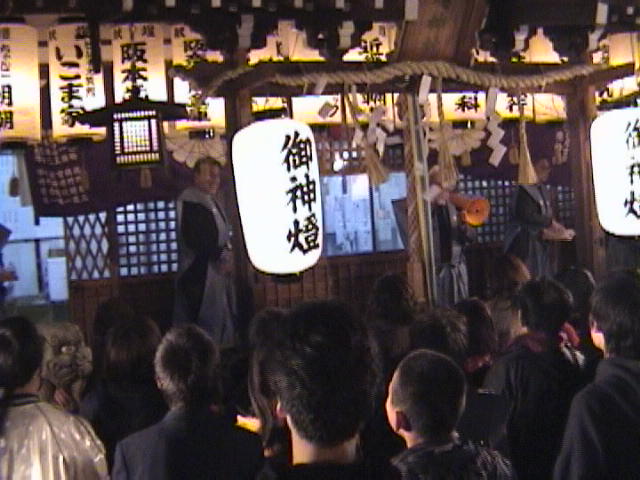 🇯🇵 JapanSetsubun節分
A Japanese seasonal rite to drive away bad luck and welcome spring with roasted beansRite · Protection · Luck and prosperity Living
🇯🇵 JapanSetsubun節分
A Japanese seasonal rite to drive away bad luck and welcome spring with roasted beansRite · Protection · Luck and prosperity Living
 🇨🇳 China and 5 moreGhost FestivalZhongyuan Festival; Yulanpen Festival
A festival to feed wandering spirits and guide them home during the seventh lunar month.Tradition · Speaking with spirits and the dead · Protection Living
🇨🇳 China and 5 moreGhost FestivalZhongyuan Festival; Yulanpen Festival
A festival to feed wandering spirits and guide them home during the seventh lunar month.Tradition · Speaking with spirits and the dead · Protection Living
 🇯🇵 JapanOnmyōdō陰陽道
A Japanese system of divination and calendar science rooted in yin-yang philosophyTradition · Seeing and foretelling · Protection Revived
🇯🇵 JapanOnmyōdō陰陽道
A Japanese system of divination and calendar science rooted in yin-yang philosophyTradition · Seeing and foretelling · Protection Revived
 🇯🇵 Japan and 1 moreMisogi禊
A Shinto rite of full-body purification using cold waterRite · Cleansing and purification · Speaking with spirits and the dead Living
🇯🇵 Japan and 1 moreMisogi禊
A Shinto rite of full-body purification using cold waterRite · Cleansing and purification · Speaking with spirits and the dead Living
Related elsewhere
All rite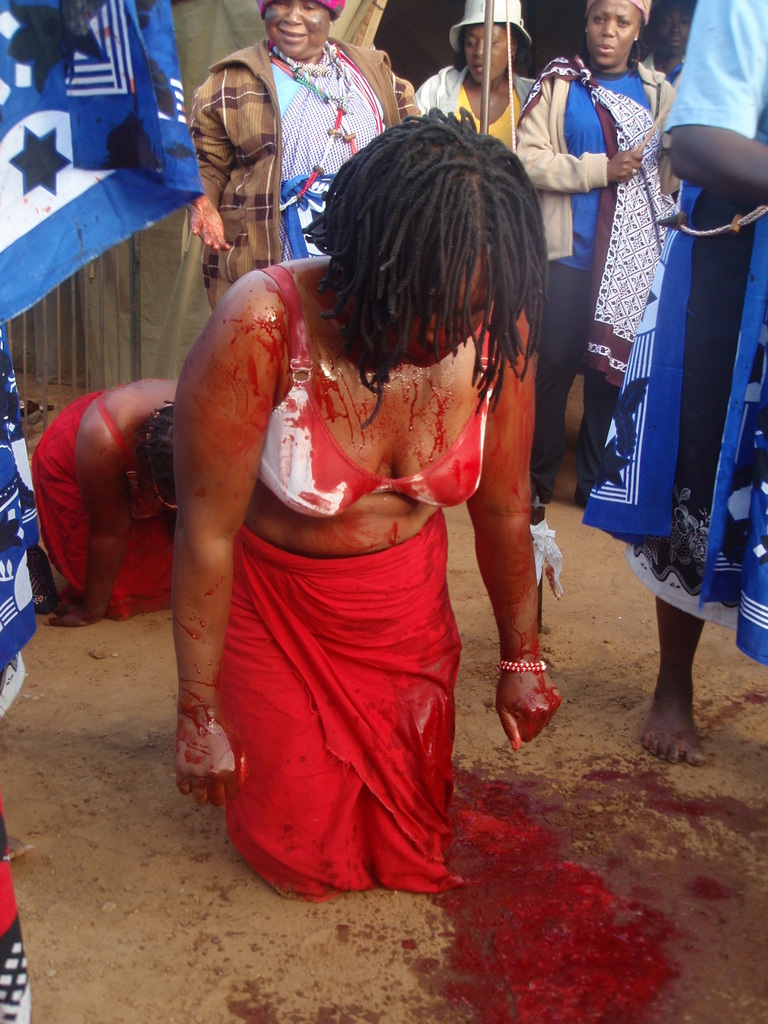 🇿🇦 South AfricaUkuthwasa
A spiritual calling and initiation process for traditional healers in Southern Africa.Rite · Healing · Speaking with spirits and the dead Living
🇿🇦 South AfricaUkuthwasa
A spiritual calling and initiation process for traditional healers in Southern Africa.Rite · Healing · Speaking with spirits and the dead Living
 🇺🇸 United States and 5 moreNeoshamanism
A modern spiritual practice adapting shamanic techniques for Western seekersTradition · Healing · Speaking with spirits and the dead Living
🇺🇸 United States and 5 moreNeoshamanism
A modern spiritual practice adapting shamanic techniques for Western seekersTradition · Healing · Speaking with spirits and the dead Living
 🇮🇳 IndiaChakraचक्र
Meditation points in the subtle body used in Hindu and Buddhist yogaTradition · Speaking with spirits and the dead · Change and initiation Living
🇮🇳 IndiaChakraचक्र
Meditation points in the subtle body used in Hindu and Buddhist yogaTradition · Speaking with spirits and the dead · Change and initiation Living
 🇸🇳 Senegal and 1 moreSerer religionA ƭat Roog
The traditional faith of the Serer people, centred on the supreme deity Roog and ancestral veneration.Tradition · Protection · Speaking with spirits and the dead Living
🇸🇳 Senegal and 1 moreSerer religionA ƭat Roog
The traditional faith of the Serer people, centred on the supreme deity Roog and ancestral veneration.Tradition · Protection · Speaking with spirits and the dead Living