Yōsei
In its own language: 妖精
from Japanese 妖精, meaning bewitching spirit
A Japanese term for spirits drawn from Western legends and native folklore
Yōsei is a Japanese word that generally means fairy. It usually refers to spirits from Western legends but can also denote creatures from native Japanese folklore.
- Yōsei translates to bewitching spirit in Japanese
- It is generally synonymous with the English word fairy
- Iwate Prefecture folklore feared they could resurrect the dead
- The Ainu tell of the Koro-pok-guru, a race of small people
- Ryukyuan religion includes the Kijimuna tree sprites of Okinawa
What it is
The term yōsei describes a class of small spiritual beings in Japan. It is the direct equivalent of the English word fairy. Most often, the word points to characters from Western stories and myths. Occasionally, it applies to entities found in local Japanese tales. These beings are viewed as supernatural presences rather than ordinary animals or humans.
Where it comes from
The word comes from the Japanese characters for bewitching spirit. Its modern usage aligns closely with imported Western concepts of fairies. Older beliefs sometimes linked the term to resurrection or eternal youth. For instance, some Iwate Prefecture stories warned that yōsei could bring back the dead. Other accounts described people on Mt. Hōrai as small fairies whose hearts never aged due to a lack of evil knowledge.
Yōsei, drawn and placed
- Living
- Revived
- Fading
- Historical
- Legendary
- Performed
Peoples and places
Different groups within Japan hold distinct views on these beings. The Ainu people speak of the Koro-pok-guru, a race of small people in their own folklore. In Okinawa, the Ryukyuan religion features the Kijimuna, which are tree sprites similar to fairies. While the broad term yōsei covers many such figures, specific local traditions maintain their own unique names and stories for these sprite-like entities.
At a glance: who, where and when
What people believe
Beliefs about yōsei vary by region and source. Some old folk tales suggest they possess the power to resurrect the dead, a notion that caused fear in places like Iwate Prefecture. Other stories portray them as innocent beings free from great evil. The people of Mt. Hōrai are described as having hearts that never grow old because they know no wickedness. These views paint yōsei as either potent spirits or gentle, ageless creatures.
Compare and confuse
Yōsei is often compared to other sprite types worldwide. The Germanic kobold shares similarities as a mythological sprite. Chinese mythology offers the yaoguai, another category of supernatural creature. Within Japan itself, yōkai serves as a broader term for all manner of supernatural beings, encompassing yōsei among its many forms.
Questions people ask about Yōsei
What does yōsei mean?
Yōsei is a Japanese word meaning bewitching spirit. It is generally used as a synonym for the English term fairy.
Where does the term come from?
The term originates in Japan. It combines characters that translate directly to bewitching spirit.
Is yōsei only from Western stories?
No. While it usually refers to spirits from Western legends, it can also denote creatures from native Japanese folklore.
Are there different types of yōsei?
Yes. Examples include the Koro-pok-guru from Ainu folklore and the Kijimuna tree sprites from the Ryukyuan religion of Okinawa.
Good reading and sources
The facts on this page come from the Wikipedia article "Yōsei", written by its contributors and used under the CC BY-SA 4.0 licence, and from its Wikidata record (CC0). EveryJaadu rewrote the text in its own words, with AI assistance, and compares every page with the article to make sure no passage is copied. It may be reused under the same CC BY-SA 4.0 licence with a link back.
It may contain mistakes. Names and customs differ from one community to the next, and some knowledge is closed to outsiders and left out here. This page describes belief and practice. It does not say that any of it works, it is not a how-to, and it is not medical advice. If something is wrong, tell us. Last refreshed 2026-10-06.
More from Japan
All the entries from Japan 🇨🇳 China and 3 moreChinese dragon龍
A legendary water deity and imperial symbol in East Asian cultureBeing · Protection · Luck and prosperity Historical
🇨🇳 China and 3 moreChinese dragon龍
A legendary water deity and imperial symbol in East Asian cultureBeing · Protection · Luck and prosperity Historical
 🇯🇵 JapanOni鬼(おに)
A horned demon of Japanese folklore known for strength and evil deedsBeing · Cursing and harm · Luck and prosperity Legendary
🇯🇵 JapanOni鬼(おに)
A horned demon of Japanese folklore known for strength and evil deedsBeing · Cursing and harm · Luck and prosperity Legendary
 🇯🇵 JapanBaku獏
A Japanese spirit said to eat bad dreams and protect sleepersBeing · Protection Living
🇯🇵 JapanKuda-gitsune管狐 (kuda-gitsune)
A small spirit kept in a tube or sleeve to aid fortune-telling and cursing in Japanese folklore.Being · Seeing and foretelling · Cursing and harm Legendary
🇯🇵 JapanBaku獏
A Japanese spirit said to eat bad dreams and protect sleepersBeing · Protection Living
🇯🇵 JapanKuda-gitsune管狐 (kuda-gitsune)
A small spirit kept in a tube or sleeve to aid fortune-telling and cursing in Japanese folklore.Being · Seeing and foretelling · Cursing and harm Legendary
Related elsewhere
All being 🇷🇸 Serbia and 5 moreVampire
An undead creature from folklore that feeds on the blood or life force of the livingBeing · Cursing and harm · Luck and prosperity Legendary
🇷🇸 Serbia and 5 moreVampire
An undead creature from folklore that feeds on the blood or life force of the livingBeing · Cursing and harm · Luck and prosperity Legendary
 🇪🇬 Egypt and 1 moreSphinx
A mythical hybrid with a human head and lion body, serving as guardian or riddler in Egyptian and Greek traditions.Being · Protection · Wonder and entertainment Legendary
🇪🇬 Egypt and 1 moreSphinx
A mythical hybrid with a human head and lion body, serving as guardian or riddler in Egyptian and Greek traditions.Being · Protection · Wonder and entertainment Legendary
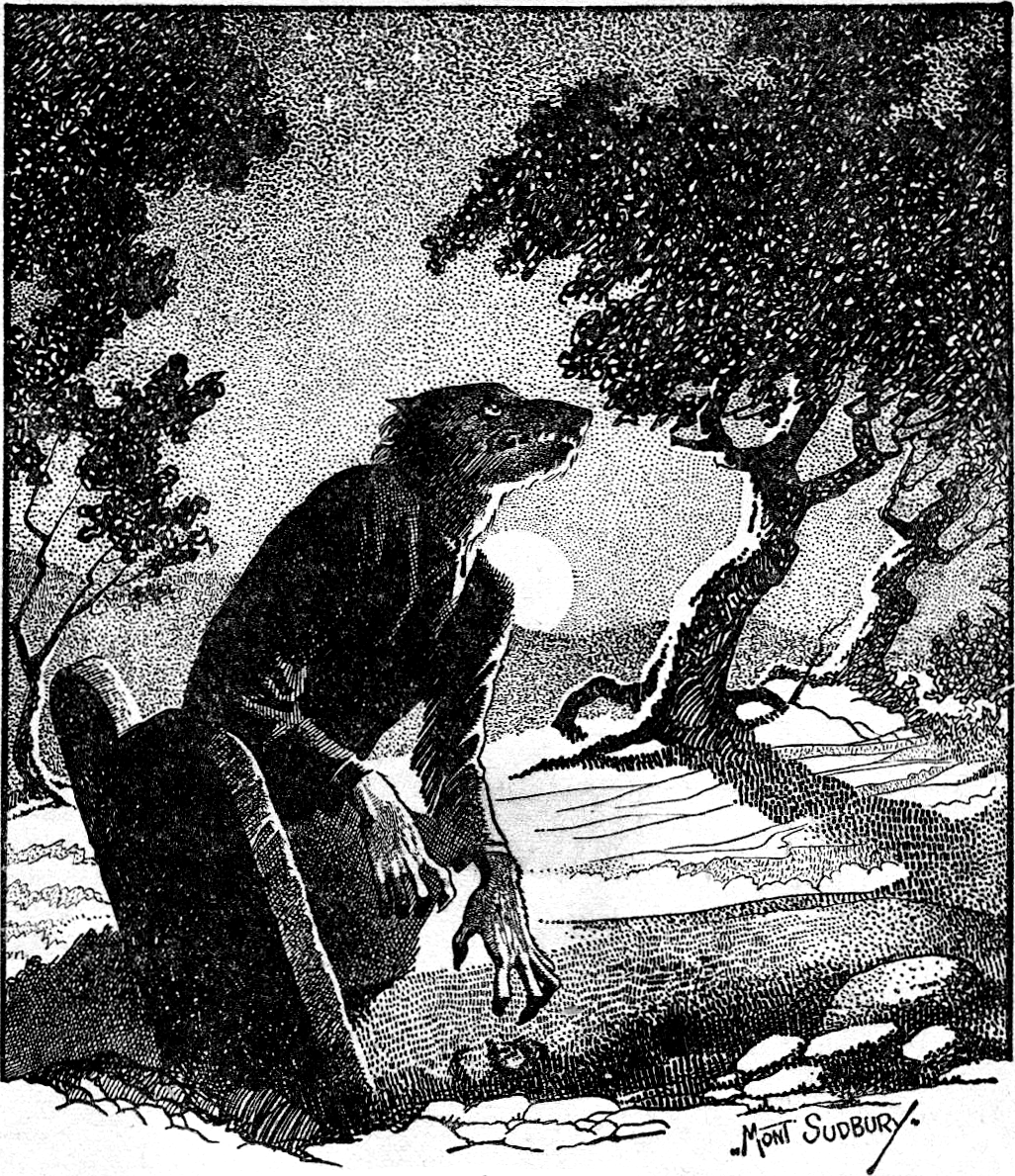 🇫🇷 France and 5 moreWerewolf
A mythical shapeshifter that turns into a wolf, central to European witch-hunts and Gothic horror.Being · Cursing and harm · Wonder and entertainment Legendary
🇫🇷 France and 5 moreWerewolf
A mythical shapeshifter that turns into a wolf, central to European witch-hunts and Gothic horror.Being · Cursing and harm · Wonder and entertainment Legendary
 🇪🇬 Egypt and 1 moreLilithלִילִית
A feminine figure from Mesopotamian and Jewish mythology, often depicted as a night demon or spirit.Being · Cursing and harm Legendary
🇪🇬 Egypt and 1 moreLilithלִילִית
A feminine figure from Mesopotamian and Jewish mythology, often depicted as a night demon or spirit.Being · Cursing and harm Legendary