![aosagi of en:aosaginohi () From Koikawa Harumachi's Bakemono Shiuchi Hyōbanki pub. 1779 [ 1 ]](https://thumb.wikimedia.org/wikipedia/commons/thumb/5/5e/BakemonoShiuchiHyobanki-fol02r-aosagi.jpg/1280px-BakemonoShiuchiHyobanki-fol02r-aosagi.jpg)
Aosaginohi
In its own language: 青鷺火
from Japanese aosagi (blue heron) and hi (fire)
A Japanese will-o'-the-wisp attributed to the glowing flight of herons at night
Aosaginohi is a mysterious night light in Japan, traditionally explained as a heron whose wings and eyes reflect moonlight. It appears in Edo period yōkai compendia as a phantom fire or transforming bird.
- Named after the blue heron's perceived glowing flight
- Featured in Toriyama Sekien's 1779 yōkai compendium
- Explained as moonlight reflecting off feathers
- Sometimes described as a shape-shifting phantom
- Attested in Edo period medical and geographical texts
What it is
Aosaginohi is a type of hikarimono, or glowing object, found in Japanese folklore. It is described as a ball of flame or strange light that appears in the night sky. The phenomenon is widely believed to be caused by herons flying in the dark. Their glittering wings and bright eyes are mistaken for supernatural fire. This belief connects natural animal behavior with the world of yōkai, or spirits and monsters.
Where it comes from
The concept appears in illustrated yōkai compendia from the Edo period. Toriyama Sekien included it in Konjaku Gazu Zoku Hyakki in 1779. Tōsanjin featured similar lights in Ehon hyaku monogatari in 1841. Earlier texts like Daigo zuhitsu from 1670 also record sightings. These works document how people interpreted unusual nocturnal lights as magical entities.
How it is done
Observers report seeing blue-white lights bobbing in forests or near water. Some stories say the light mimics a burning pillar or a lantern. In one tale, a heron shrinks its neck to look like a square flame. Another account describes a heron spitting fire into a river. These descriptions frame the bird as a shape-shifting spirit rather than a simple animal.
Tools and materials
The primary elements are the heron itself and the moonlight. Writers describe the bird's feathers reflecting light to create a glow. Some legends mention bacteria on the bird's body causing bioluminescence. Others suggest white tufts of breast feathers appear bright in the dark. No specific ritual tools are used; the light is a natural occurrence misinterpreted as magic.
Aosaginohi, drawn and placed
- Living
- Revived
- Fading
- Historical
- Legendary
- Performed
- Lineage
- yōkai folklore
- Timing
- at night
What it is for
The phenomenon serves as an explanation for unexplained sights. It frightens people who see what they think is ghostly fire. In some tales, the heron acts as a trickster, mimicking flames to deceive humans. It does not have a healing or protective purpose. Instead, it functions as a source of wonder and fear in local folklore.
Who does it
Scholars and folklorists study these accounts to understand historical perceptions. Physicians like Nakayama Sanryū offered rational explanations in their essays. Local historians recorded modern sightings of glowing birds. The tradition relies on observation and storytelling rather than trained ritual specialists.
Peoples and places
The belief is specific to Japan. It appears in records from various provinces like Ōmi and Kawachi. Modern reports come from areas like Ibaraki and Sado Island. The name varies between aosagi-no-hi and goi no hikari depending on the region and text. Different writers associated the light with different heron species.
At a glance: who, where and when
What people believe
The worldview links animal biology to spiritual power. Old herons were thought to become enchanted like foxes or tanuki. Some texts compare the glow to cat fur sparking in the dark. This reflects a view where nature and the supernatural overlap seamlessly.
When it is done
Sightings are reported during the night, often under moonlight. Some accounts mention autumn times when birds migrate or molt. The phenomenon is not tied to specific festivals. It occurs whenever conditions allow herons to fly in low light, making it a random event rather than a scheduled ritual.
How scholars and sceptics see it
Historians note that early encyclopedias already questioned the supernatural claim. They suggested the light was just reflected moonlight on feathers. Modern science points to bioluminescent bacteria or feather structure. Scholars view the stories as examples of how pre-modern people categorized unknown natural events.
Cautions and what is closed
One story mentions a man stabbing a glowing creature he thought was a ghost. He later ate the heron, spreading rumors of ghost stew. This highlights the danger of mistaking animals for spirits. There are no known health risks from the folklore itself, but confusion can lead to harm.
Compare and confuse
It is similar to other will-o'-the-wisp types like aburabō or uba-ga-bi. These are all lights mistaken for spirits or demons. The key difference is the specific attribution to herons. Other cultures have similar bird-light myths, but this one is distinctively Japanese in its textual history.
Questions people ask about Aosaginohi
What is Aosaginohi?
It is a Japanese folklore phenomenon describing a mysterious night light. People believe it is a heron whose wings and eyes glow in the dark, creating the illusion of floating fire.
Where does the name come from?
The name comes from Japanese words meaning blue heron and fire. It refers to the specific bird thought to cause the light, distinguishing it from other generic will-o'-the-wisp types.
Is it considered a real spirit?
In folklore, yes, it is treated as a yōkai or phantom. However, historical texts and modern scholars explain it as a natural optical effect caused by moonlight on bird feathers or bioluminescence.
Good reading and sources
The facts on this page come from the Wikipedia article "Aosaginohi", written by its contributors and used under the CC BY-SA 4.0 licence, and from its Wikidata record (CC0). EveryJaadu rewrote the text in its own words, with AI assistance, and compares every page with the article to make sure no passage is copied. It may be reused under the same CC BY-SA 4.0 licence with a link back.
It may contain mistakes. Names and customs differ from one community to the next, and some knowledge is closed to outsiders and left out here. This page describes belief and practice. It does not say that any of it works, it is not a how-to, and it is not medical advice. If something is wrong, tell us. Last refreshed 2026-10-06.
More from Japan
All the entries from Japan 🇨🇳 China and 2 moreNaming taboo避諱
A cultural rule against speaking or writing the names of rulers and ancestors in East AsiaBelief · Protection Historical
🇨🇳 China and 3 moreQi氣 / 气
A vital force in Chinese philosophy and medicine, believed to flow through all living things.Substance · Healing · Power and authority Living
🇨🇳 China and 2 moreNaming taboo避諱
A cultural rule against speaking or writing the names of rulers and ancestors in East AsiaBelief · Protection Historical
🇨🇳 China and 3 moreQi氣 / 气
A vital force in Chinese philosophy and medicine, believed to flow through all living things.Substance · Healing · Power and authority Living
 🇯🇵 JapanKitsunebi狐火
Atmospheric ghost lights in Japanese folklore, often linked to foxes and natural phenomena.Belief · Wonder and entertainment · Luck and prosperity Historical
🇯🇵 JapanKitsunebi狐火
Atmospheric ghost lights in Japanese folklore, often linked to foxes and natural phenomena.Belief · Wonder and entertainment · Luck and prosperity Historical
Related elsewhere
All belief 🇬🇧 United Kingdom and 2 moreKing ArthurBrenin Arthur
A legendary British king and folk hero of medieval literature and Welsh mythologyFigure · Power and authority · Wonder and entertainment Legendary
🇬🇧 United Kingdom and 2 moreKing ArthurBrenin Arthur
A legendary British king and folk hero of medieval literature and Welsh mythologyFigure · Power and authority · Wonder and entertainment Legendary
 🇪🇬 Egypt and 1 moreSphinx
A mythical hybrid with a human head and lion body, serving as guardian or riddler in Egyptian and Greek traditions.Being · Protection · Wonder and entertainment Legendary
🇪🇬 Egypt and 1 moreSphinx
A mythical hybrid with a human head and lion body, serving as guardian or riddler in Egyptian and Greek traditions.Being · Protection · Wonder and entertainment Legendary
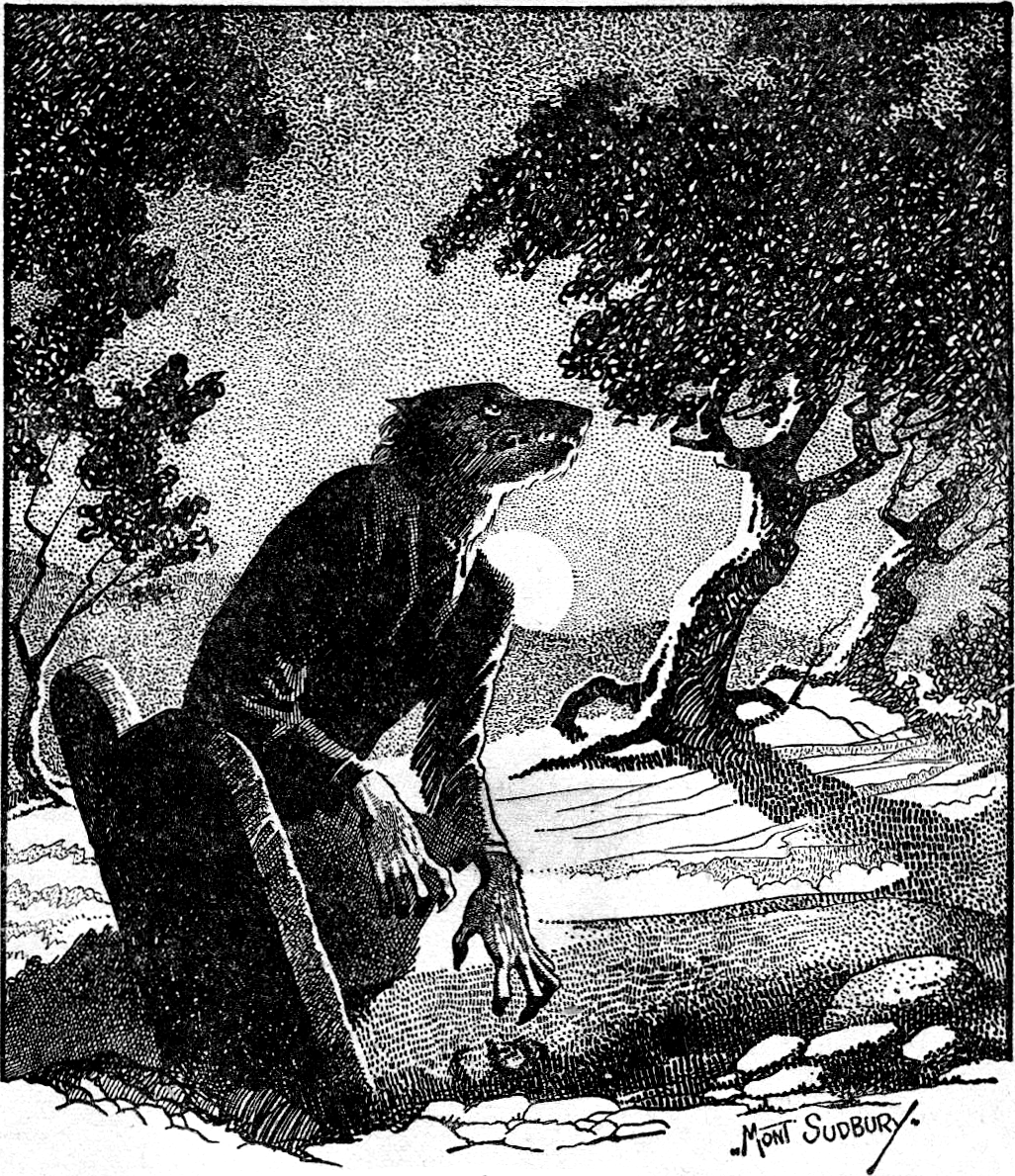 🇫🇷 France and 5 moreWerewolf
A mythical shapeshifter that turns into a wolf, central to European witch-hunts and Gothic horror.Being · Cursing and harm · Wonder and entertainment Legendary
🇫🇷 France and 5 moreWerewolf
A mythical shapeshifter that turns into a wolf, central to European witch-hunts and Gothic horror.Being · Cursing and harm · Wonder and entertainment Legendary
 🇪🇸 Spain and 5 moreSt John's Eve
A Christian vigil marked by bonfires and plant gathering on the summer solstice eveRite · Protection · Speaking with spirits and the dead Living
🇪🇸 Spain and 5 moreSt John's Eve
A Christian vigil marked by bonfires and plant gathering on the summer solstice eveRite · Protection · Speaking with spirits and the dead Living