
Gashadokuro
In its own language: がしゃどくろ
from Japanese gasha, rattling, and dokuro, skull
A giant skeleton spirit born from the bones of those who died in war or famine.
The Gashadokuro is a yōkai from Japanese folklore that appears as a massive skeleton made of skulls. It is believed to hunt humans at night, driven by the anger of the dead it contains.
- Stands over ten meters tall, made of human skulls
- Appears at 2:00 a.m. to hunt humans
- Summoned by sorceress Takiyasha Hime for revenge
- Eyes glow yellow or green
- First appeared in print in the mid-20th century
What it is
The Gashadokuro is a mythical creature in modern Japanese mythology classified as a yōkai. It takes the form of a giant skeleton standing ten meters tall, constructed from the skulls of people who perished on battlefields or during famines. While the physical remains become the body, the spirit itself becomes a separate entity known as hidarugami. Only its eyes are visible, often described as burning with yellow or green light. The creature is said to wander in the early hours of the morning, making a clattering sound with its teeth called 'Gachi Gachi' as it approaches victims. Despite this noise, it can also move stealthily when hunting. It possesses the power to eat humans it wishes to consume.
Where it comes from
One of the earliest accounts links the Gashadokuro to the tenth-century conflict involving the samurai Taira no Masakado. After Masakado was killed and decapitated by his cousin Taira no Sadamori, his daughter, the sorceress Takiyasha Hime, sought revenge. She summoned the first Gashadokuro using the bones of warriors who died in the battles against her father. This spirit ravaged Kyoto until Masakado's head was moved to Shibasaki, near the modern Tokyo Imperial Palace. In modern times, the creature appeared in print in the mid-twentieth century. Illustrations by Shigeru Mizuki and writings by Morihiro Saito popularized the image, drawing inspiration from Utagawa Kuniyoshi’s Edo-period ukiyo-e print depicting Takiyasha summoning a skeleton spectre.
How it is done
The Gashadokuro hunts humans at two in the morning. It moves through areas where it detects prey, sometimes announcing its presence with the rattling of its teeth and other times approaching silently. The spirit continues its attack until its pent-up anger is released, which causes its bone structure to crumple and collapse. Traditional beliefs hold that Shinto charms can ward off the creature. Unlike some related tales involving skeletons that speak after being fed, the Gashadokuro does not communicate; it acts solely on hunger and rage derived from the violent deaths of those whose bones compose it.
Tools and materials
The primary material of the Gashadokuro is the skeletal remains of humans who died violently or from starvation. These bones serve as both its physical form and its source of power. To protect against the creature, practitioners use Shinto charms. These talismans are believed to have the ability to repel the spirit, offering a defense against its attacks. The eyes of the Gashadokuro, often glowing yellow or green, are the only visible features of its otherwise skeletal frame.
Gashadokuro, drawn and placed
- Living
- Revived
- Fading
- Historical
- Legendary
- Performed
- Lineage
- yōkai mythology
- Timing
- at 2:00 a.m.
What it is for
The Gashadokuro serves as a manifestation of unresolved anger and trauma from mass death. It is feared as a predator that targets humans, driven by the collective fury of the dead it embodies. Communities historically viewed such entities as warnings about the consequences of war and famine. The creature represents the danger of unburied or improperly honored remains, particularly those of soldiers and victims of starvation. Its existence underscores cultural anxieties surrounding violent death and the spiritual unrest of the departed.
Who does it
Scholars and researchers study the Gashadokuro as part of Japanese folklore and yōkai studies. Modern depictions were shaped by artists like Shigeru Mizuki and writers such as Morihiro Saito, who drew upon historical legends and Edo-period art. The original myth involves the sorceress Takiyasha Hime, who used magical rituals to summon the spirit for revenge. Contemporary interest focuses on the creature's evolution from historical anecdote to popular culture icon, analyzed through literary and artistic lenses rather than ritual practice.
Peoples and places
The Gashadokuro is specific to Japanese culture and mythology. It emerged from stories surrounding the Taira clan conflicts in the Heian period and was later refined in Edo-period literature and art. The creature gained wider recognition in the twentieth century through manga and encyclopedias of yokai. While related tales exist in other regions, such as the story of a skeleton in Bingo Province that rewards kindness, these are distinct from the Gashadokuro. The Japanese context emphasizes the wrath of the dead from war and famine, distinguishing it from other skeletal spirits in global folklore.
At a glance: who, where and when
Peoples
Belief worlds

What people believe
In Japanese belief systems, the Gashadokuro reflects the concept of spiritual unrest caused by improper burial or violent death. The spirit is composed of bones that retain the anger of their former owners. Shinto practices offer protection through charms, indicating a syncretic view where folk beliefs interact with established religious traditions. The creature is not worshipped but feared as a malevolent force. Its collapse upon releasing anger suggests a cycle of violence that must eventually end, aligning with broader themes of karmic resolution in East Asian thought.
When it is done
The Gashadokuro is active at two in the morning, a time associated with vulnerability and the thinning veil between worlds in many cultures. No specific festivals or calendar days are tied to its appearance. Its emergence is linked to historical events rather than seasonal cycles, though modern retellings may place it in contemporary settings. The timing reinforces its nature as a nocturnal predator that exploits moments of darkness and stillness.
How scholars and sceptics see it
Anthropologists and historians analyze the Gashadokuro as a product of social anxiety regarding war and famine. The connection to Taira no Masakado highlights how historical figures become embedded in mythological narratives. Scholars note that the modern image of the Gashadokuro was largely constructed in the twentieth century, influenced by ukiyo-e prints and popular media. Researchers distinguish between ancient skeletal tales and the specific Gashadokuro legend, emphasizing its relatively recent codification in folklore studies.
Cautions and what is closed
The Gashadokuro is described as a dangerous entity that attacks and consumes humans. There are no recorded incidents of real-world harm, as it is a mythical figure. However, the legend serves as a cautionary tale about the dangers of war and neglect of the dead. In fiction and media, encounters with the creature often result in peril for characters who fail to use protective measures like Shinto charms. The story warns against disrespecting the dead and ignoring the spiritual consequences of violence.
Compare and confuse
The Gashadokuro is often confused with other skeletal yōkai, such as the one from the Nihon Ryōiki tale in Bingo Province. That spirit speaks and rewards kindness, unlike the aggressive Gashadokuro. It is also related to the skeleton spectre in Utagawa Kuniyoshi’s art, though Kuniyoshi’s depiction influenced the modern visual representation more than the original myth. Other cultures have similar giant skeleton myths, but the Gashadokuro is distinct in its composition from battlefield and famine victims and its specific association with Taira no Masakado.
Questions people ask about Gashadokuro
What is a Gashadokuro?
It is a Japanese yōkai, a mythical creature that appears as a giant skeleton made from the skulls of people who died in war or famine. It is believed to hunt humans at night.
Where does the Gashadokuro come from?
It originates from Japanese folklore, specifically linked to the tenth-century rebellion of Taira no Masakado. His daughter, Takiyasha Hime, is said to have summoned the first one using the bones of fallen warriors.
How does the Gashadokuro behave?
It wanders at 2:00 a.m., making a rattling sound with its teeth. It attacks and eats humans, continuing until its anger is released, causing its bones to collapse.
Can you protect yourself from a Gashadokuro?
According to tradition, Shinto charms can ward off the Gashadokuro. These talismans are believed to offer protection against the spirit's attacks.
Good reading and sources
The facts on this page come from the Wikipedia article "Gashadokuro", written by its contributors and used under the CC BY-SA 4.0 licence, and from its Wikidata record (CC0). EveryJaadu rewrote the text in its own words, with AI assistance, and compares every page with the article to make sure no passage is copied. It may be reused under the same CC BY-SA 4.0 licence with a link back.
It may contain mistakes. Names and customs differ from one community to the next, and some knowledge is closed to outsiders and left out here. This page describes belief and practice. It does not say that any of it works, it is not a how-to, and it is not medical advice. If something is wrong, tell us. Last refreshed 2026-10-06.
More from Japan
All the entries from Japan 🇨🇳 China and 3 moreChinese dragon龍
A legendary water deity and imperial symbol in East Asian cultureBeing · Protection · Luck and prosperity Historical
🇨🇳 China and 3 moreChinese dragon龍
A legendary water deity and imperial symbol in East Asian cultureBeing · Protection · Luck and prosperity Historical
 🇯🇵 JapanOni鬼(おに)
A horned demon of Japanese folklore known for strength and evil deedsBeing · Cursing and harm · Luck and prosperity Legendary
🇯🇵 JapanOni鬼(おに)
A horned demon of Japanese folklore known for strength and evil deedsBeing · Cursing and harm · Luck and prosperity Legendary
 🇯🇵 JapanBaku獏
A Japanese spirit said to eat bad dreams and protect sleepersBeing · Protection Living
🇯🇵 JapanKuda-gitsune管狐 (kuda-gitsune)
A small spirit kept in a tube or sleeve to aid fortune-telling and cursing in Japanese folklore.Being · Seeing and foretelling · Cursing and harm Legendary
🇯🇵 JapanBaku獏
A Japanese spirit said to eat bad dreams and protect sleepersBeing · Protection Living
🇯🇵 JapanKuda-gitsune管狐 (kuda-gitsune)
A small spirit kept in a tube or sleeve to aid fortune-telling and cursing in Japanese folklore.Being · Seeing and foretelling · Cursing and harm Legendary
Related elsewhere
All being 🇷🇸 Serbia and 5 moreVampire
An undead creature from folklore that feeds on the blood or life force of the livingBeing · Cursing and harm · Luck and prosperity Legendary
🇷🇸 Serbia and 5 moreVampire
An undead creature from folklore that feeds on the blood or life force of the livingBeing · Cursing and harm · Luck and prosperity Legendary
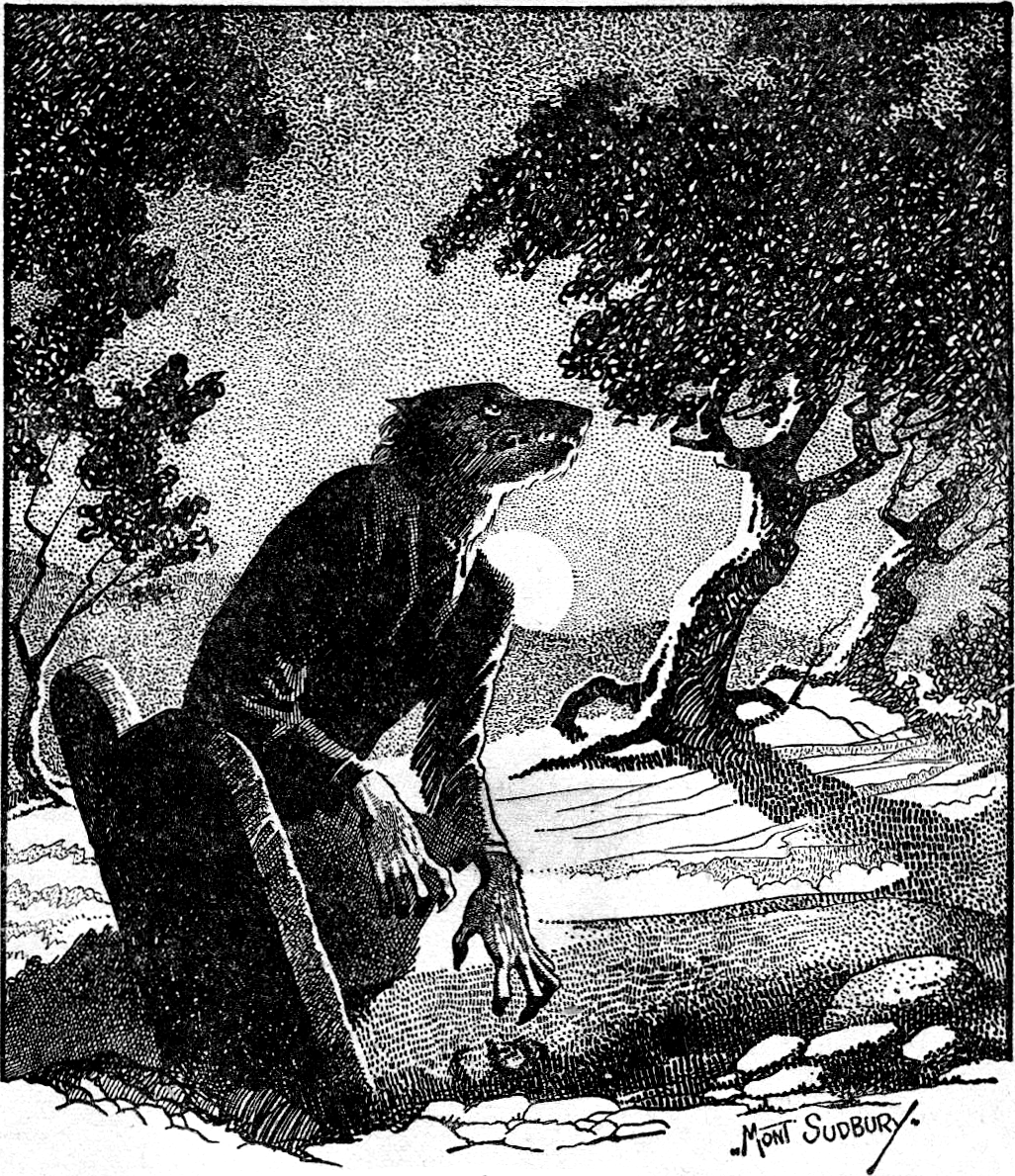 🇫🇷 France and 5 moreWerewolf
A mythical shapeshifter that turns into a wolf, central to European witch-hunts and Gothic horror.Being · Cursing and harm · Wonder and entertainment Legendary
🇫🇷 France and 5 moreWerewolf
A mythical shapeshifter that turns into a wolf, central to European witch-hunts and Gothic horror.Being · Cursing and harm · Wonder and entertainment Legendary
 🇪🇬 Egypt and 1 moreLilithלִילִית
A feminine figure from Mesopotamian and Jewish mythology, often depicted as a night demon or spirit.Being · Cursing and harm Legendary
🇪🇬 Egypt and 1 moreLilithלִילִית
A feminine figure from Mesopotamian and Jewish mythology, often depicted as a night demon or spirit.Being · Cursing and harm Legendary
 🇪🇬 EgyptCurse
A spoken wish for misfortune to befall a person or placeBelief · Cursing and harm · Luck and prosperity Historical
🇪🇬 EgyptCurse
A spoken wish for misfortune to befall a person or placeBelief · Cursing and harm · Luck and prosperity Historical