
The uwan is a Japanese spirit depicted in Edo Period art. Its origins are unclear, though it may be linked to noble customs or regional monster names.
- Depicted in Edo Period art with three fingers
- Name may derive from regional monster terms
- Blackened teeth link it to medieval nobility
- Tales claim it haunts old temples and homes
- Scholars doubt the authenticity of many stories
What it is
The uwan is a creature from Japanese folklore classified as a yōkai. It appears in historical illustrations but lacks a clear definition. The figure is shown with grotesque features and three fingers on each hand. It often raises its voice in a threatening manner. Scholars do not know its true nature. Some link it to the oni class of demons due to its digits. Others see it as a generic spirit of abandoned places. Its appearance suggests aggression, yet no text explains its purpose.
Where it comes from
The uwan first appeared in Edo Period artworks. Artists like Sawaki Suushi and Sekien Toriyama included it in their collections. These images show the creature waving its hands. No accompanying text describes its background. One theory links the name to regional terms for monsters. In Kumamoto Prefecture, creatures are called wanwan. In Kagoshima Prefecture, they are called wan. Another idea connects it to walls of deserted homes. The name itself remains unexplained by primary sources.
Tools and materials
The uwan is defined by specific physical traits. It has three fingers on its hands. This detail mirrors the depiction of oni spirits. The figure also displays blackened teeth. This practice was common among medieval nobility and warriors. These visual cues help identify the creature in art. They suggest a connection to human social classes. The lack of other tools emphasizes its mysterious nature.
Uwan, drawn and placed
- Living
- Revived
- Fading
- Historical
- Legendary
- Performed
- Lineage
- yōkai tradition
What it is for
Stories about the uwan vary widely. Some tales say it lives in old temples. It calls out loudly to startle passersby. If victims repeat its words, the spirit flees. Other accounts describe it haunting abandoned residences. A loud voice prevents people from sleeping. Neighbors cannot hear the noise. Only the residents suffer from the disturbance. These stories serve as cautionary tales about haunted spaces.
Peoples and places
The uwan is part of Japanese folk belief. It appears in regional legends across Japan. Stories mention Aomori Prefecture specifically. Elders there attribute sleeplessness to the spirit. The creature is also linked to broader yōkai culture. Its depiction in art reflects Edo Period interests. Different regions offer varying explanations for its existence. Some view it as a noble ghost. Others see it as a generic household demon.
At a glance: who, where and when
Peoples
Belief worlds

What people believe
Belief in the uwan stems from oral traditions and artistic depictions. There is no formal religious doctrine attached to it. People fear its loud voice and strange appearance. Repeating its words is believed to drive it away. This suggests a rule-based interaction with spirits. The blackened teeth imply a connection to past human status. The three fingers link it to demonic hierarchies. These details form a loose framework for understanding the entity.
How scholars and sceptics see it
Researchers question the authenticity of uwan stories. Many tales appear only in modern compilations. Norio Yamada recorded a story from Aomori Prefecture. Critics suggest he invented the narrative. Arifumi Satō wrote a children's book about yōkai. His account of the repeating-word defense lacks primary sources. Scholars suspect these are fabrications rather than historical facts. The creature's ambiguity supports this skepticism.
Compare and confuse
The uwan shares traits with other Japanese spirits. It resembles the oni due to its three fingers. It also parallels ghosts that haunt abandoned houses. Regional variations exist in how monsters are named. Wanwan and wan are similar terms in southern Japan. The uwan stands apart due to its lack of explanation. Most yōkai have clear origins or purposes. The uwan remains an enigma in folklore studies.
Questions people ask about Uwan
What is the uwan?
The uwan is a Japanese yōkai from Edo Period art. It has three fingers and blackened teeth. Its true identity is unknown. It is often shown waving its hands threateningly.
Where does the name come from?
The name might relate to regional terms for monsters. In Kumamoto, they are called wanwan. In Kagoshima, they are called wan. The exact origin remains uncertain.
How can you defeat an uwan?
Some stories say repeating its words makes it flee. This comes from later children's books. Scholars doubt these tales are authentic. No reliable method for defeating it exists.
Good reading and sources
The facts on this page come from the Wikipedia article "Uwan", written by its contributors and used under the CC BY-SA 4.0 licence, and from its Wikidata record (CC0). EveryJaadu rewrote the text in its own words, with AI assistance, and compares every page with the article to make sure no passage is copied. It may be reused under the same CC BY-SA 4.0 licence with a link back.
It may contain mistakes. Names and customs differ from one community to the next, and some knowledge is closed to outsiders and left out here. This page describes belief and practice. It does not say that any of it works, it is not a how-to, and it is not medical advice. If something is wrong, tell us. Last refreshed 2026-10-06.
More from Japan
All the entries from Japan 🇨🇳 China and 3 moreChinese dragon龍
A legendary water deity and imperial symbol in East Asian cultureBeing · Protection · Luck and prosperity Historical
🇨🇳 China and 3 moreChinese dragon龍
A legendary water deity and imperial symbol in East Asian cultureBeing · Protection · Luck and prosperity Historical
 🇯🇵 JapanOni鬼(おに)
A horned demon of Japanese folklore known for strength and evil deedsBeing · Cursing and harm · Luck and prosperity Legendary
🇯🇵 JapanOni鬼(おに)
A horned demon of Japanese folklore known for strength and evil deedsBeing · Cursing and harm · Luck and prosperity Legendary
 🇯🇵 JapanBaku獏
A Japanese spirit said to eat bad dreams and protect sleepersBeing · Protection Living
🇯🇵 JapanKuda-gitsune管狐 (kuda-gitsune)
A small spirit kept in a tube or sleeve to aid fortune-telling and cursing in Japanese folklore.Being · Seeing and foretelling · Cursing and harm Legendary
🇯🇵 JapanBaku獏
A Japanese spirit said to eat bad dreams and protect sleepersBeing · Protection Living
🇯🇵 JapanKuda-gitsune管狐 (kuda-gitsune)
A small spirit kept in a tube or sleeve to aid fortune-telling and cursing in Japanese folklore.Being · Seeing and foretelling · Cursing and harm Legendary
Related elsewhere
All being 🇷🇸 Serbia and 5 moreVampire
An undead creature from folklore that feeds on the blood or life force of the livingBeing · Cursing and harm · Luck and prosperity Legendary
🇷🇸 Serbia and 5 moreVampire
An undead creature from folklore that feeds on the blood or life force of the livingBeing · Cursing and harm · Luck and prosperity Legendary
 🇪🇬 Egypt and 1 moreSphinx
A mythical hybrid with a human head and lion body, serving as guardian or riddler in Egyptian and Greek traditions.Being · Protection · Wonder and entertainment Legendary
🇪🇬 Egypt and 1 moreSphinx
A mythical hybrid with a human head and lion body, serving as guardian or riddler in Egyptian and Greek traditions.Being · Protection · Wonder and entertainment Legendary
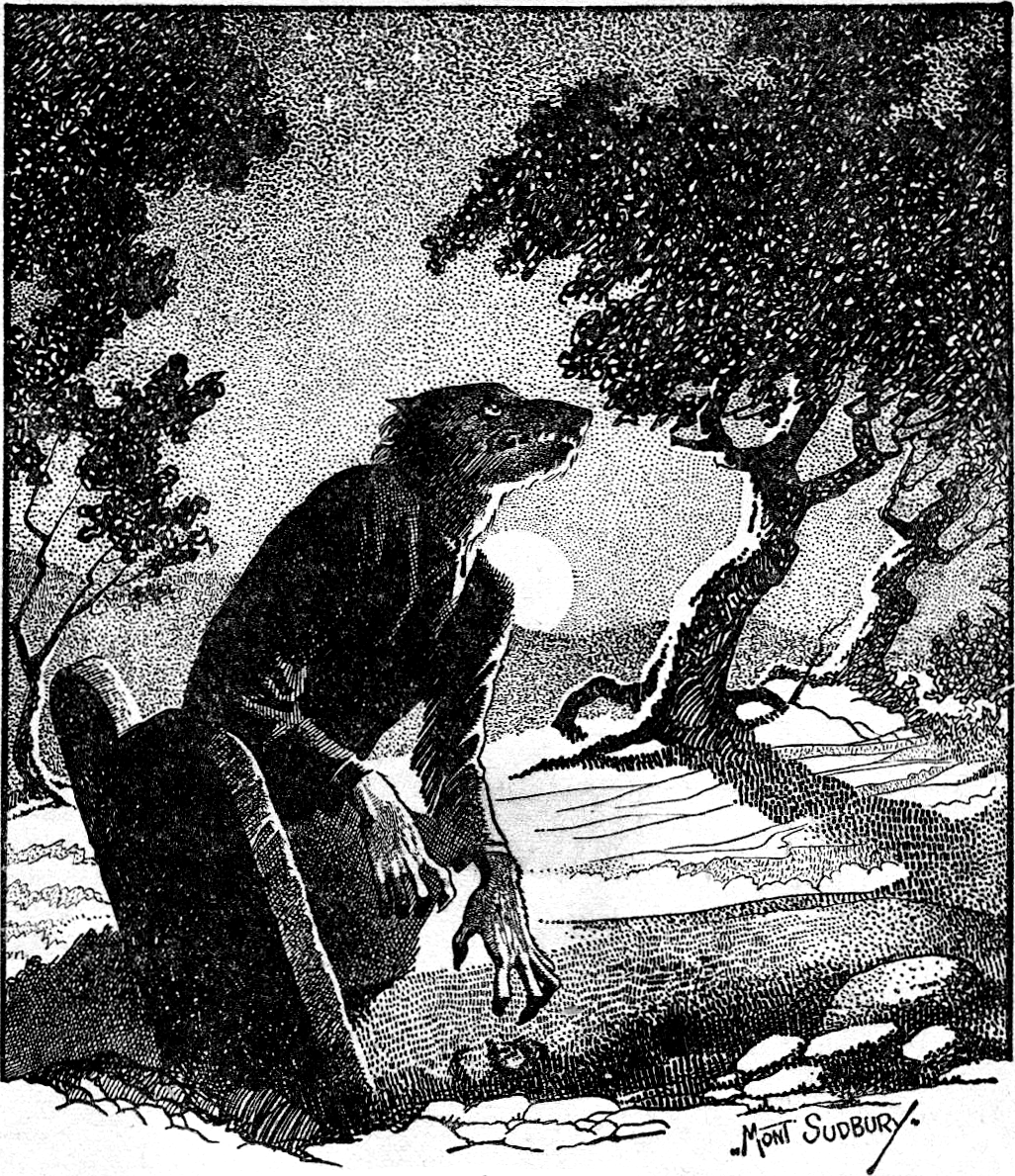 🇫🇷 France and 5 moreWerewolf
A mythical shapeshifter that turns into a wolf, central to European witch-hunts and Gothic horror.Being · Cursing and harm · Wonder and entertainment Legendary
🇫🇷 France and 5 moreWerewolf
A mythical shapeshifter that turns into a wolf, central to European witch-hunts and Gothic horror.Being · Cursing and harm · Wonder and entertainment Legendary
 🇪🇬 Egypt and 1 moreLilithלִילִית
A feminine figure from Mesopotamian and Jewish mythology, often depicted as a night demon or spirit.Being · Cursing and harm Legendary
🇪🇬 Egypt and 1 moreLilithלִילִית
A feminine figure from Mesopotamian and Jewish mythology, often depicted as a night demon or spirit.Being · Cursing and harm Legendary