
Korean numismatic charm
In its own language: 열쇠패
from Korean 열쇠패 (yeolsulppae), meaning 'odd coins'
Coin-shaped objects used as protective and decorative charms in Korean culture
Korean numismatic charms are coin-like items inspired by Chinese designs but adapted to local customs. They served as protective amulets for families and decorative status symbols for the aristocracy during the Joseon dynasty.
- Approximately 500 different variants are known.
- Yangban aristocrats decorated homes with charms.
- Chatelaines were wedding gifts for brides.
- Copper shortage in 1907 melted many charms.
- Bird-worm script charms taught Chinese characters.
What it is
Korean numismatic charms are a family of coin-shaped objects that resemble official currency but were not used as money. Known in Korean as yeolsulppae or 'odd coins,' they include amulets, talismans, and decorative pieces. While derived from Chinese numismatic charms, they evolved to reflect specific Korean customs and beliefs. These items range from simple protective tokens to complex chatelaines adorned with multiple charms. They were not always considered magical; some served as mnemonic devices for learning characters. The variety is extensive, with approximately 500 known variants existing in historical records.
Where it comes from
These charms originated from Chinese numismatic traditions, including Yansheng coins and huāqián. They were adapted within Korea to suit local cultural needs and aesthetic preferences. During the Joseon dynasty, economic conditions influenced their use. Wealthy Yangban aristocrats could afford numerous charms to decorate their homes, while common families often possessed only one or two for protection. The practice spread through cultural exchange with China, Japan, and Vietnam, resulting in distinct Korean styles that incorporated local symbols and scripts.
How it is done
Charms were crafted from copper or copper-alloys, often mimicking the shape of cash coins with square holes. Some regular cash coins were modified by changing their outer shape to octagonal, referencing the eight trigrams, and drilling seven holes for the seven stars. Chatelaines involved stringing multiple charms onto a central piece using ribbons and tassels. Marriage charms featured specific imagery like fish or couples. Educational charms used bird-worm seal script to teach character composition. These objects were worn, hung in homes, or presented as gifts, particularly to brides on their wedding day.
Tools and materials
The primary material was copper or copper-alloy. Decorative elements included ribbons, tassels, and additional small charms. Specific designs incorporated Hanja characters such as 'longevity' or images of children, bats, and birds. Some charms featured open-work casting to allow for multiple attachment points. The Sangpyeong Tongbo coin served as a base for many modified charms. Ribbons were essential for assembling chatelaines, though they often became brittle over time.
Korean numismatic charm, drawn and placed
- Living
- Revived
- Fading
- Historical
- Legendary
- Performed
- Lineage
- Chinese numismatic charms
- Timing
- during weddings and daily life
What it is for
Families used these charms to protect their households from harm. The wealthy displayed them as status symbols. Marriage charms aimed to ensure conjugal bliss, abundance, and fertility, often featuring fish or scenes of intimacy. Educational charms helped readers learn Chinese characters through visual formulas. Chatelaines were given to brides to wish them longevity and blessings. The objects were believed to bring luck and prosperity, reflecting desires for wealth and harmonious family life.
Who does it
Ordinary households used these charms for daily protection and decoration. The Yangban class commissioned and displayed elaborate versions. Artisans crafted the metal pieces, often casting them with intricate details. Brides received chatelaines as wedding gifts, which were then kept in women's quarters. Dealers later separated broken chatelaines to sell individual charms. The practice was widespread among Koreans, adapting to economic shifts and colonial pressures.
Peoples and places
Koreans developed these charms from Chinese influences, creating unique variants. Japanese and Vietnamese cultures also produced similar numismatic charms, showing regional exchange. During Japanese colonization, copper shortages led to the melting down of many charms for their metal value. This reduced their availability and made surviving examples rarer. The practice persisted in different forms across East Asia, with each culture adding its own symbolic layers to the coin-like format.
At a glance: who, where and when
Who does it
Peoples
Belief worlds
Occasions

What people believe
The charms operated within a folk belief system where objects could hold protective power. Symbols like the eight trigrams and seven stars were thought to channel cosmic forces. Fish represented abundance and reproductive success. Characters like 'longevity' invoked specific blessings. The educational charms reflected a belief in the power of language and writing. The modification of official coins into amulets suggests a blurring line between monetary value and spiritual significance in Korean folk practice.
When it is done
Chatelaines were traditionally presented to brides on their wedding day. After the ceremony, they were hung in the women's quarters for ongoing protection and blessing. Daily life usage varied, with families keeping charms close for general protection. There is no evidence of specific festival dates tied exclusively to these charms, though they were part of broader life-cycle rituals like marriage.
How scholars and sceptics see it
Researchers note the economic impact of Japanese colonization on the survival of these charms. The global copper shortage of 1907 and wartime collection efforts led to mass destruction. Scholars analyze the iconography to understand social changes, such as the emergence of byeoljeon as non-monetary wealth symbols. Linguistic studies examine the hidden meanings in bird-worm seal script charms. Historical accounts highlight the class divide in access to these items during the Joseon dynasty.
Cautions and what is closed
The Japanese colonization period caused significant loss of these artifacts due to copper requisitioning. Modern dealers often dismantle fragile chatelaines, destroying the original context and reducing rarity. Misinterpretations of inscriptions have led to various hypotheses about hidden political messages. The physical fragility of ribbons and metal has resulted in many pieces being altered or lost over time.
Compare and confuse
These charms are related to Chinese Yansheng coins and Vietnamese bùa. All share a numismatic inspiration but differ in local symbolism. Japanese numismatic charms also show similar origins. The term 'charm' here covers both magical and non-magical coin-like objects. Unlike official currency, these items held symbolic rather than economic value, though their metal content was sometimes exploited.
Questions people ask about Korean numismatic charm
What are Korean numismatic charms?
They are coin-shaped objects called yeolsulppae or 'odd coins.' Derived from Chinese designs, they serve as amulets, talismans, and decorative items. They reflect Korean customs and beliefs, ranging from protective tokens to educational tools.
Why were they less common after 1907?
A global copper shortage and Japanese colonial policies led to the melting of charms for their metal value. Millions were sold for intrinsic copper worth, significantly reducing the number of surviving examples today.
What is a Korean numismatic chatelaine?
It is a large decorative piece resembling a Western chatelaine. It holds multiple charms strung with ribbons and tassels. Often given to brides, it features symbols like longevity, children, and bats for blessings.
How do marriage charms work?
They feature symbols like fish for abundance or couples for harmony. Some depict scenes from poems to invoke conjugal bliss. They are used to wish couples fertility and a happy union.
Good reading and sources
- Korean numismatic charm on WikipediaEncyclopedia
- More photos on Wikimedia CommonsPhotos and video
- Wikidata recordOpen data
The facts on this page come from the Wikipedia article "Korean numismatic charm", written by its contributors and used under the CC BY-SA 4.0 licence, and from its Wikidata record (CC0). EveryJaadu rewrote the text in its own words, with AI assistance, and compares every page with the article to make sure no passage is copied. It may be reused under the same CC BY-SA 4.0 licence with a link back.
It may contain mistakes. Names and customs differ from one community to the next, and some knowledge is closed to outsiders and left out here. This page describes belief and practice. It does not say that any of it works, it is not a how-to, and it is not medical advice. If something is wrong, tell us. Last refreshed 2026-10-06.
More from South Korea
All the entries from South Korea 🇨🇳 China and 3 moreMarriage coin charm夫婦和合花錢
Coin-shaped amulets from East Asia that celebrate marriage, fertility, and conjugal harmonyCharm · Protection · Luck and prosperity Historical
🇨🇳 China and 3 moreMarriage coin charm夫婦和合花錢
Coin-shaped amulets from East Asia that celebrate marriage, fertility, and conjugal harmonyCharm · Protection · Luck and prosperity Historical
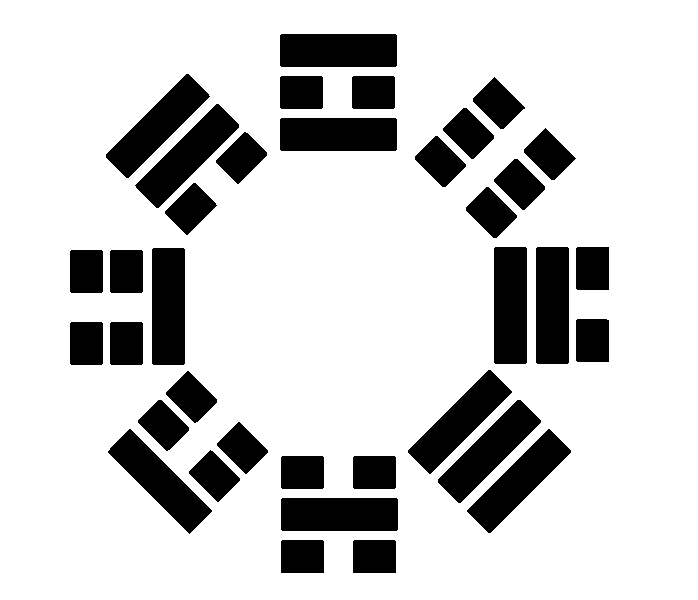 🇨🇳 China and 1 moreBagua八卦
A set of eight trigram symbols from China used in divination, cosmology, and feng shui.Tradition · Seeing and foretelling · Protection Living
🇨🇳 China and 1 moreBagua八卦
A set of eight trigram symbols from China used in divination, cosmology, and feng shui.Tradition · Seeing and foretelling · Protection Living
 🇰🇷 South Korea and 1 moreKorean shamanismKorean shamanism (Korean: Korean shamanism)
A traditional practice of ritual specialists who mediate between the human and spirit worlds.Tradition · Healing · Protection Living
🇨🇳 China and 3 moreQi氣 / 气
A vital force in Chinese philosophy and medicine, believed to flow through all living things.Substance · Healing · Power and authority Living
🇰🇷 South Korea and 1 moreKorean shamanismKorean shamanism (Korean: Korean shamanism)
A traditional practice of ritual specialists who mediate between the human and spirit worlds.Tradition · Healing · Protection Living
🇨🇳 China and 3 moreQi氣 / 气
A vital force in Chinese philosophy and medicine, believed to flow through all living things.Substance · Healing · Power and authority Living
Related elsewhere
All charm 🇺🇸 United States and 5 moreMojo bag
A cloth pouch holding charms for protection, luck, or love in the Hoodoo tradition.Charm · Protection · Healing Living
🇺🇸 United States and 5 moreMojo bag
A cloth pouch holding charms for protection, luck, or love in the Hoodoo tradition.Charm · Protection · Healing Living
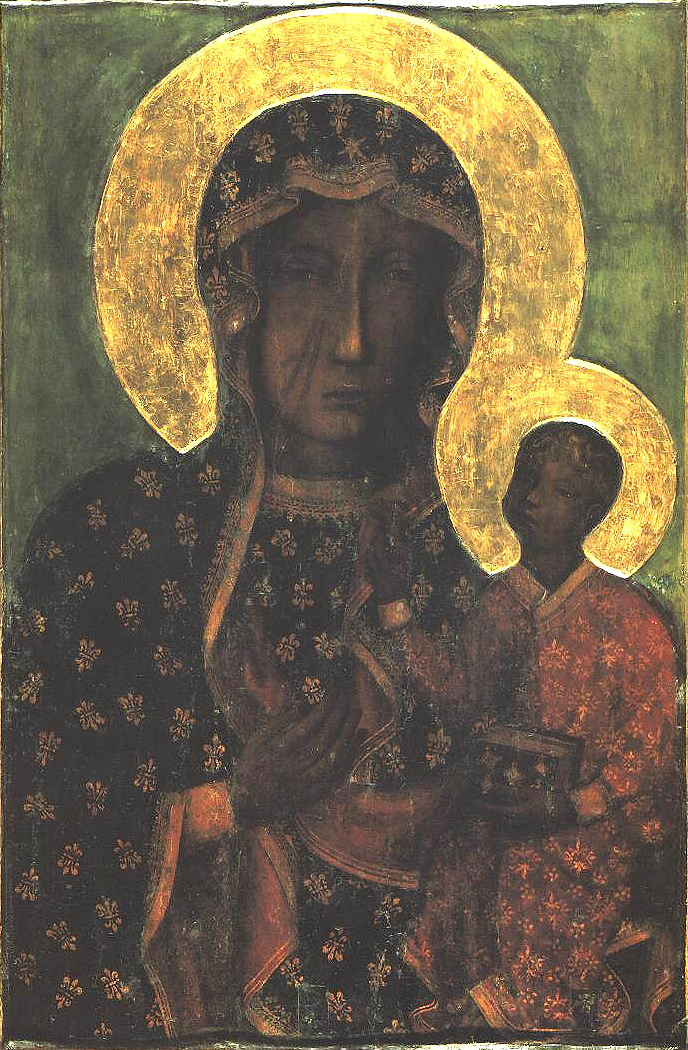 🇭🇹 HaitiErzulieÈzili
A family of spirits in Haitian Vodou representing love, beauty, and protective fury.Being · Protection · Love and attraction Living
🇭🇹 HaitiErzulieÈzili
A family of spirits in Haitian Vodou representing love, beauty, and protective fury.Being · Protection · Love and attraction Living
 🇦🇷 Argentina and 2 moreSan La Muerte
A skeletal folk saint venerated in South America for protection and favorsTradition · Protection · Healing Living
🇦🇷 Argentina and 2 moreSan La Muerte
A skeletal folk saint venerated in South America for protection and favorsTradition · Protection · Healing Living