Qiongqi
In its own language: 窮奇
from Chinese characters meaning "exhaustively strange"
A winged beast from Chinese myth that rewards wickedness and punishes virtue
Qiongqi is a mythical creature from ancient Chinese texts, listed among the Four Perils. It is described as a man-eating beast with wings that actively encourages moral disorder by harming the righteous and feeding the wicked.
- One of the Four Perils in Chinese mythology
- Name means "exhaustively strange"
- Described as a winged tiger or ox with hedgehog fur
- Eats people starting from the head or feet
- Punishes the loyal and feeds the wicked
What it is
Qiongqi is a legendary creature from Chinese mythology, grouped with three other monsters as the Four Perils. The name translates to "exhaustively strange." Ancient texts describe it as a dangerous beast that feeds on humans. It appears in classical histories and geographical records. Scholars view it as a symbol of chaos and moral corruption rather than a physical animal. The creature represents the ultimate violation of social order and loyalty.
Where it comes from
The creature appears in early Chinese historiography as a failed child of the ruler Shaohao. Deemed incapable and deceitful, he caused chaos during the era of the Three Sovereigns and Five Emperors. Emperor Shun banished him to distant lands. Later texts place his residence in Yunmeng within the State of Chu. These stories frame Qiongqi as a historical figure transformed into a monster, embodying the consequences of disloyalty and falsehood.
Qiongqi, drawn and placed
- Living
- Revived
- Fading
- Historical
- Legendary
- Performed
- Lineage
- Four Perils
What it is for
In myth, Qiongqi serves to punish virtue and reward vice. According to later embellishments, the beast understands human speech. It attacks those who are loyal or truthful, sometimes biting off their noses. Conversely, it kills animals to feed those known for wickedness. This behavior inverts normal moral expectations, making the creature a terror to the righteous and a protector of the corrupt.
Peoples and places
Qiongqi is central to Chinese classical literature. It is featured in the Records of the Grand Historian and the Zuo Zhuan. The Classic of Mountains and Seas provides detailed physical descriptions. Modern pop culture, such as video games, adapts these myths. The creature remains a staple of Chinese folklore and literary reference.
At a glance: who, where and when
Peoples
What people believe
The lore presents Qiongqi as a supernatural entity that defies natural law. It is said to possess human-like intelligence and moral judgment, albeit twisted. The creature's actions reinforce cultural values by showing the extreme danger of deceit. Its existence validates the importance of loyalty and truth in ancient Chinese society.
How scholars and sceptics see it
Historians analyze Qiongqi as a metaphor for political instability. The tales of its banishment reflect concerns about internal corruption. Literary critics note the conflicting descriptions in different classics. These variations show how the myth evolved over time to serve different narrative purposes.
Compare and confuse
Qiongqi shares the title of Four Perils with Hundun, Taowu, and Taotie. Each represents a different form of chaos. Unlike benevolent dragons, Qiongqi embodies destructive forces. It is often compared to Western demons but lacks religious doctrine.
Today
The creature appears in modern media, including role-playing games. Developers use classical descriptions to design character models. Qiongqi remains a recognizable symbol of ancient Chinese fantasy.
Questions people ask about Qiongqi
What is Qiongqi?
Qiongqi is a mythical beast from Chinese classics, one of the Four Perils. It is described as a man-eating creature with wings, often resembling a tiger or an ox with spiky fur.
Where does the name come from?
The name Qiongqi comes from Chinese characters meaning "exhaustively strange." It reflects the creature's bizarre and unnatural nature in ancient texts.
What does Qiongqi do?
Myths say Qiongqi eats people and inverts morality. It harms loyal individuals and feeds wicked ones, acting as a punisher of virtue and a supporter of vice.
Where is Qiongqi from?
Qiongqi originates from ancient Chinese literature, including the Records of the Grand Historian and the Classic of Mountains and Seas. It is tied to the era of the Three Sovereigns.
Good reading and sources
The facts on this page come from the Wikipedia article "Qiongqi", written by its contributors and used under the CC BY-SA 4.0 licence, and from its Wikidata record (CC0). EveryJaadu rewrote the text in its own words, with AI assistance, and compares every page with the article to make sure no passage is copied. It may be reused under the same CC BY-SA 4.0 licence with a link back.
It may contain mistakes. Names and customs differ from one community to the next, and some knowledge is closed to outsiders and left out here. This page describes belief and practice. It does not say that any of it works, it is not a how-to, and it is not medical advice. If something is wrong, tell us. Last refreshed 2026-10-06.
More from China
All the entries from China 🇨🇳 China and 3 moreChinese dragon龍
A legendary water deity and imperial symbol in East Asian cultureBeing · Protection · Luck and prosperity Historical
🇨🇳 China and 3 moreChinese dragon龍
A legendary water deity and imperial symbol in East Asian cultureBeing · Protection · Luck and prosperity Historical
 🇨🇳 ChinaLan Caihe藍采和
An ambiguous Taoist immortal known for a flower basket and wandering songsBeing · Wonder and entertainment Legendary
🇨🇳 ChinaLan Caihe藍采和
An ambiguous Taoist immortal known for a flower basket and wandering songsBeing · Wonder and entertainment Legendary
 🇨🇳 China and 2 moreXiezhi獬豸
A one-horned beast from East Asia that separates the guilty from the innocentBeing · Cursing and harm · Protection Legendary
🇨🇳 China and 2 moreXiezhi獬豸
A one-horned beast from East Asia that separates the guilty from the innocentBeing · Cursing and harm · Protection Legendary
 🇨🇳 China and 2 moreEight Immortals八仙
Eight legendary Taoist figures of China, each with a power and a vesselFigure · Protection · Healing Living
🇨🇳 China and 2 moreEight Immortals八仙
Eight legendary Taoist figures of China, each with a power and a vesselFigure · Protection · Healing Living
Related elsewhere
All being 🇷🇸 Serbia and 5 moreVampire
An undead creature from folklore that feeds on the blood or life force of the livingBeing · Cursing and harm · Luck and prosperity Legendary
🇷🇸 Serbia and 5 moreVampire
An undead creature from folklore that feeds on the blood or life force of the livingBeing · Cursing and harm · Luck and prosperity Legendary
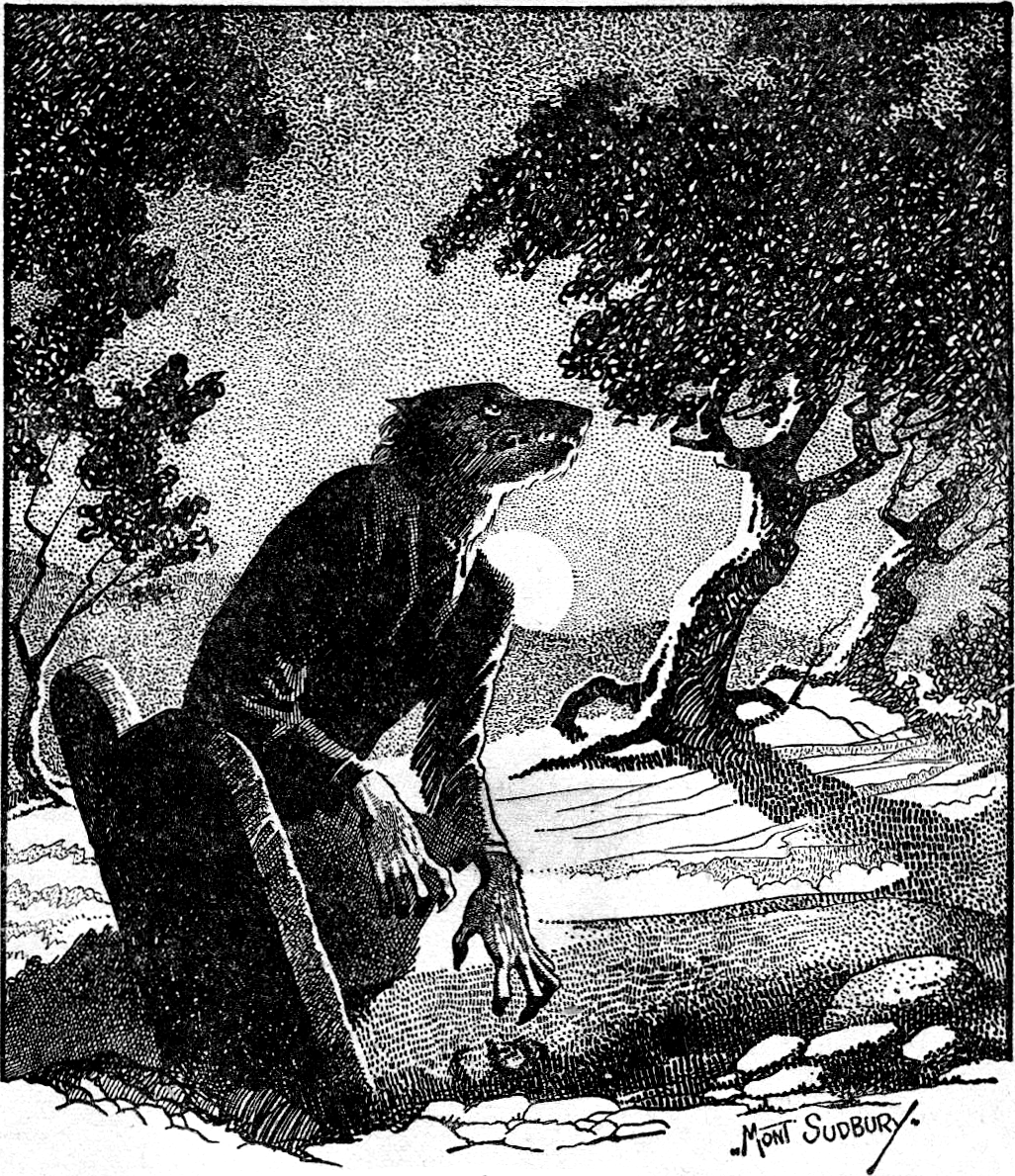 🇫🇷 France and 5 moreWerewolf
A mythical shapeshifter that turns into a wolf, central to European witch-hunts and Gothic horror.Being · Cursing and harm · Wonder and entertainment Legendary
🇫🇷 France and 5 moreWerewolf
A mythical shapeshifter that turns into a wolf, central to European witch-hunts and Gothic horror.Being · Cursing and harm · Wonder and entertainment Legendary
 🇪🇬 Egypt and 1 moreLilithלִילִית
A feminine figure from Mesopotamian and Jewish mythology, often depicted as a night demon or spirit.Being · Cursing and harm Legendary
🇪🇬 Egypt and 1 moreLilithלִילִית
A feminine figure from Mesopotamian and Jewish mythology, often depicted as a night demon or spirit.Being · Cursing and harm Legendary
 🇪🇬 EgyptCurse
A spoken wish for misfortune to befall a person or placeBelief · Cursing and harm · Luck and prosperity Historical
🇪🇬 EgyptCurse
A spoken wish for misfortune to befall a person or placeBelief · Cursing and harm · Luck and prosperity Historical