Japanese numismatic charm
In its own language: 絵銭
from Japanese terms for picture coins, referring to their shape and inscriptions
Coin-shaped charms from Japan used for protection, luck, and blessings.
Japanese numismatic charms are coin-like objects inspired by Chinese cash coins but adapted to local customs. They serve as protective amulets, lucky tokens, or religious souvenirs rather than official currency.
- Kokuji charms were distributed to soldiers in WWII for protection.
- Inari charms depict foxes and jewels, symbolizing wealth.
- Buddhist charms dedicated to Ākāśagarbha were sent to China.
- Minatogawa Shrine issued coin-like souvenirs in the Meiji period.
- Ebisu charms show the god holding a sea bream and fishing pole.
What it is
Japanese numismatic charms are a family of coin-shaped items that resemble official money but serve different purposes. Derived from Chinese numismatic charms, they have evolved distinct categories unique to Japan. The term 'charm' here covers any coin-like object that is not legal tender. While many are considered lucky or magical, some function as mnemonic devices. These objects range from protective amulets to religious souvenirs, reflecting a blend of folk belief and institutional religion.
Where it comes from
These charms originate from the broader East Asian tradition of numismatic charms, which began in China. Korean and Vietnamese variants also exist, but Japanese versions developed specific local characteristics. The practice likely spread through cultural exchange, with Japan adapting the form to suit its own spiritual and social needs. Some charms were created during specific historical periods, such as the Meiji era, to commemorate events or figures.
How it is done
Charms are typically cast or carved into the shape of cash coins. They often feature inscriptions, symbols, or images relevant to their purpose. For example, Kokuji charms bear unique national script characters. Buddhist charms display mantras or names of deities. Inari charms depict foxes and jewels. These items are carried on the person, placed in homes, or offered at shrines. They are not used as currency but as tangible focuses for intention.
Tools and materials
Materials vary but often include metal, wood, or paper. Inscriptions are central, using characters like Kokuji or Buddhist sutras. Imagery includes foxes for Inari, fish for Ebisu, and rice bales for Daikokuten. Some charms feature keys or jewels, symbolizing access to wealth or spiritual treasures. The design mimics official coinage to convey authority and value.
Japanese numismatic charm, drawn and placed
- Living
- Revived
- Fading
- Historical
- Legendary
- Performed
- Lineage
- East Asian numismatic tradition
- Timing
- during war, travel, shrine visits, and daily life
What it is for
People use these charms for protection, luck, and prosperity. Soldiers carried Kokuji charms for safety during war. Travelers keep them for safe journeys. Worshippers carry Inari charms hoping for wealth. Buddhists use charms dedicated to bodhisattvas for spiritual aid. Households may place inscribed papers on roofs for defense against fire. They act as portable talismans connecting the user to divine or ancestral power.
Who does it
Ordinary people use these charms in daily life. Village elders distributed Kokuji charms to soldiers. Shrine shops sell them to visitors. Buddhist monks brought certain charms to China. There is no single priestly class; usage is widespread among households and individuals seeking specific benefits. Performers or artisans create them, but the users define their function.
Peoples and places
The practice is primarily Japanese, though influenced by Chinese and Korean traditions. In China, Japanese Buddhist charms are found, indicating cross-border religious exchange. The charms reflect Japanese Shinto and Buddhist syncretism. Different groups, such as fishermen or farmers, might favor specific deities depicted on the charms. The tradition spans centuries, adapting to modern contexts like tourism.
At a glance: who, where and when
Peoples
Belief worlds
Occasions
What people believe
The charms operate within a worldview where material objects can channel spiritual force. Shinto kami like Inari offer worldly benefits. Buddhist bodhisattvas provide compassion and liberation. The Seven Lucky Gods represent auspicious forces. Inscriptions are believed to hold power. Symbols like keys unlock treasure houses. The efficacy relies on faith and proper ritual use, such as carrying the item or offering it at a shrine.
When it is done
Charms are used during various life events and seasons. Kokuji charms were given before battle or travel. Inari charms are carried during shrine visits. Minatogawa souvenirs were issued during the Meiji period. Daily use is common for protection and luck. Festivals and new years may see increased sales or offerings. The timing depends on the specific charm and its intended purpose.
How scholars and sceptics see it
Scholars study these charms as artifacts of religious and economic history. They analyze the evolution from Chinese models to Japanese forms. Researchers note the shift from purely religious to commemorative uses, such as shrine souvenirs. Linguistic analysis of inscriptions reveals changes in language and script. Anthropologists examine how these objects mediate between the sacred and secular in Japanese society.
Cautions and what is closed
Some charms were used during wartime for protection against bombs, reflecting the desperation of the era. Counterfeit coins exist, but charms are distinct in intent. No significant health risks are associated with handling them. However, commercialization may dilute traditional meanings. Outsiders should respect the religious significance of items like Inari charms. Misuse or disrespect is considered inappropriate by practitioners.
Compare and confuse
Japanese numismatic charms are related to Chinese huāqián and Korean Gukja. They differ in script and iconography, reflecting local deities and beliefs. Unlike Western medals, they often combine multiple religious symbols. They share features with amulets worldwide but are distinct in their coin-like form. The term 'charm' is broad, covering everything from lucky tokens to serious religious objects.
Law and persecution
There are no specific laws restricting the possession or sale of these charms. They are widely available in shops and shrines. During wartime, their use was encouraged for morale. Today, they are legal souvenirs and collectibles. No persecution is associated with their use. They are protected as cultural heritage items in museums and private collections.
Today
These charms remain popular in Japan. Shops at shrines sell them to tourists and locals. Kokuji charms are still used for protection. Inari charms are common in businesses seeking prosperity. Buddhist charms are found in temples and homes. The tradition adapts to modern life, with new designs appearing. Diaspora communities may also use them to maintain cultural connections.
Questions people ask about Japanese numismatic charm
What are Japanese numismatic charms?
They are coin-shaped objects inspired by Chinese cash coins, adapted for Japanese use. They serve as amulets, lucky tokens, or religious souvenirs rather than currency.
Where do these charms come from?
They originate from the East Asian numismatic tradition, primarily China, but evolved distinct Japanese forms incorporating local deities and scripts.
What are Kokuji charms used for?
Kokuji charms bear unique Japanese script characters. They were given to soldiers for protection and are now used by travelers for safety.
Why are foxes on some charms?
Foxes represent Inari Ōkami, the Shinto kami of fertility and wealth. Charms with foxes are carried for prosperity and success.
Are these charms still used today?
Yes, they are sold at shrines and used for protection, luck, and religious devotion. They remain a living part of Japanese folk practice.
Good reading and sources
- Japanese numismatic charm on WikipediaEncyclopedia
- More photos on Wikimedia CommonsPhotos and video
- Wikidata recordOpen data
The facts on this page come from the Wikipedia article "Japanese numismatic charm", written by its contributors and used under the CC BY-SA 4.0 licence, and from its Wikidata record (CC0). EveryJaadu rewrote the text in its own words, with AI assistance, and compares every page with the article to make sure no passage is copied. It may be reused under the same CC BY-SA 4.0 licence with a link back.
It may contain mistakes. Names and customs differ from one community to the next, and some knowledge is closed to outsiders and left out here. This page describes belief and practice. It does not say that any of it works, it is not a how-to, and it is not medical advice. If something is wrong, tell us. Last refreshed 2026-10-06.
More from Japan
All the entries from Japan 🇯🇵 JapanOfudaお札/御札 (ofuda)
Paper and wooden talismans from Japanese Shinto shrines and Buddhist templesCharm · Protection · Cleansing and purification Living
🇯🇵 JapanOfudaお札/御札 (ofuda)
Paper and wooden talismans from Japanese Shinto shrines and Buddhist templesCharm · Protection · Cleansing and purification Living
 🇯🇵 JapanOmamori御守/お守り
Japanese amulets from shrines and temples for luck and protectionCharm · Protection · Luck and prosperity Living
🇯🇵 JapanOmamori御守/お守り
Japanese amulets from shrines and temples for luck and protectionCharm · Protection · Luck and prosperity Living
 🇨🇳 China and 1 moreFulu符籙
Taoist talismans with cryptic symbols used for healing and protectionCharm · Healing · Protection Living
🇨🇳 China and 1 moreFulu符籙
Taoist talismans with cryptic symbols used for healing and protectionCharm · Healing · Protection Living
 🇨🇳 China and 5 moreChinese guardian lions石獅 (shíshī)
Stone lion pairs placed at entrances to ward off harm and welcome fortuneCharm · Protection · Luck and prosperity Living
🇨🇳 China and 5 moreChinese guardian lions石獅 (shíshī)
Stone lion pairs placed at entrances to ward off harm and welcome fortuneCharm · Protection · Luck and prosperity Living
Related elsewhere
All charm 🇫🇷 France and 5 moreYule log
A large wooden log burned in the hearth during winter festivals across Europe and North America.Tradition · Protection · Luck and prosperity Living
🇫🇷 France and 5 moreYule log
A large wooden log burned in the hearth during winter festivals across Europe and North America.Tradition · Protection · Luck and prosperity Living
 🇰🇭 Cambodia and 3 moreSak Yantសាក់យ័ន្ត
A Southeast Asian tattoo tradition using sacred geometry for protection and powerTradition · Protection · Luck and prosperity Living
🇰🇭 Cambodia and 3 moreSak Yantសាក់យ័ន្ត
A Southeast Asian tattoo tradition using sacred geometry for protection and powerTradition · Protection · Luck and prosperity Living
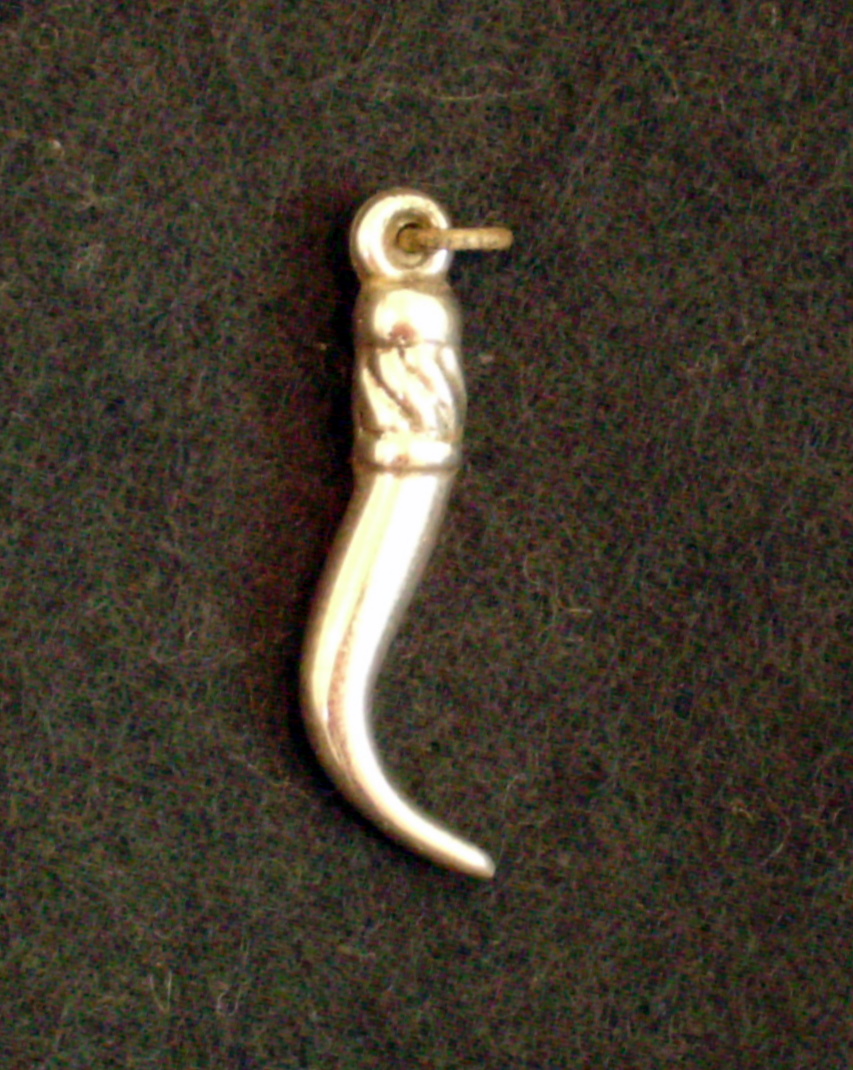 🇮🇹 ItalyCornicello
A twisted horn charm worn in Italy to ward off the evil eye and invite luck.Charm · Protection · Luck and prosperity Living
🇮🇹 ItalyCornicello
A twisted horn charm worn in Italy to ward off the evil eye and invite luck.Charm · Protection · Luck and prosperity Living
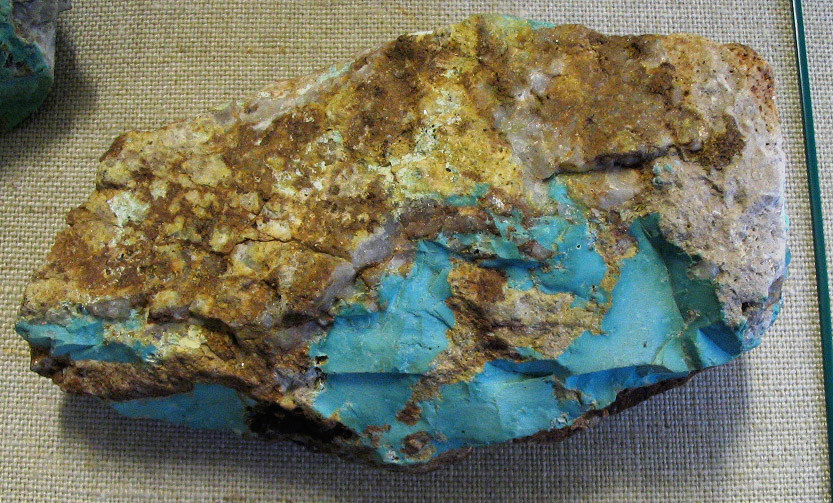 🇮🇷 Iran and 5 moreTurquoise
An opaque blue-green gemstone prized for its color since ancient timesSubstance · Protection · Luck and prosperity Living
🇮🇷 Iran and 5 moreTurquoise
An opaque blue-green gemstone prized for its color since ancient timesSubstance · Protection · Luck and prosperity Living