Tanukitsuki
In its own language: 狸憑き (たぬきつき)
from Japanese tanuki, a raccoon dog, and tsuki, meaning possession
A Japanese folk belief where a tanuki spirit possesses a human, causing illness and strange behavior.
Tanukitsuki is the possession of a person by the spirit of a tanuki, or Japanese raccoon dog. It is a type of psychic phenomenon in ancient Japanese shamanism, found in folklore across Japan but especially in Shikoku and Sado Island.
- Tanuki possession causes gluttony for sekihan and swelling bellies.
- Exorcism is called Tanuki-otoshi, performed by Yamabushi ascetics.
- A 1979 murder occurred when a family beat a man to remove the spirit.
- Tanuki are believed to possess people through shared food offerings.
- Enshrining tanuki as gods is a method to prevent future possession.
What it is
Tanukitsuki refers to the state of being possessed by a tanuki spirit. In ancient Japanese shamanism, this is viewed as a real psychic phenomenon. The tanuki is a creature known as the Japanese raccoon dog. When it enters a person, it causes severe physical and mental changes. The victim often becomes extremely hungry, craving specific foods like red bean rice. The spirit is said to steal nutrition, leaving the body weak while the stomach swells. Victims may also show violent or sexual misconduct, speak nonsense, or crawl on all fours.
Where it comes from
The belief is widespread in Japanese folklore, with strong roots in Shikoku and Sado Island. Legends also appear in Aomori, Iwate, and Okayama prefectures. Possession usually starts from a grudge. Humans might have played pranks on tanuki or destroyed their nests. Another cause involves tanuki possessing food offerings at festivals. They enter people through these shared meals. Some stories say absent-minded people or women buying beautiful kimonos are targeted. Rarely, a lineage holds a tanuki spirit, passed down through families in places like Takamatsu and Mimasaka.
How it is done
Exorcism is called Tanuki-otoshi, or dropping the tanuki. People seek help from Onmyōji or Yamabushi ascetics. Methods vary by region. One way is making a vow with the spirit through chanting. Another is offering rice to the tanuki's home. Ascetics might burn a Goma fire to let a medium accept the demands. Others use smoke from cedar leaves or chili peppers. Drums, blank gunshots, and even electric shocks in the late Shōwa era were used. Tanuki are considered stubborn, making them hard to remove compared to fox spirits.
Tools and materials
The ritual uses items tied to the tanuki's desires. Sekihan, or azuki bean rice, is central because the spirit craves it. Offerings of fish and alcohol are also common. In some exorcisms, green cedar leaves or chili peppers create smoke to drive the spirit out. Musical instruments like drums are used to disturb the entity. Blank gunshots serve a similar purpose. In modern times, medical electricity was sometimes applied. Shrines dedicated to tanuki exist in Shikoku to appease them and prevent possession.
Tanukitsuki, drawn and placed
- Living
- Revived
- Fading
- Historical
- Legendary
- Performed
- Lineage
- Japanese shamanism
- Timing
- after pranks on tanuki or through offerings
What it is for
The belief explains unexplained illnesses and strange behaviors. Families seek exorcism when a member acts violently or eats excessively. The goal is to remove the spirit and restore health. Sometimes, the purpose is preventative. By enshrining tanuki as gods, communities hope they will no longer harm people. In rare cases, a tamed tanuki is used to possess an enemy. This shows the belief is used both for healing and, historically, for inflicting harm on rivals.
Who does it
Yamabushi, or mountain ascetics, are the primary exorcists. They are also called Hōin-sama. Onmyōji, practitioners of esoteric arts, are also sought. These specialists chant sutras and perform rituals. They act as intermediaries between the human and spirit worlds. In some legends, a person who has tamed an old tanuki can control it. However, most practitioners are trained religious figures. They diagnose the possession and negotiate with the spirit to leave the victim.
Peoples and places
The belief is specific to Japan. It is most prominent in Shikoku and Sado Island. Legends are also found in northern regions like Aomori and Iwate. In Okayama, specific family lineages are associated with tanuki spirits. The Asakusa tale shows how urban development affected the belief. Tanuki lost habitats and became aggressive. Different regions have unique names for the condition, such as mujina or tomakko. This variation highlights local interpretations of the same core phenomenon.
At a glance: who, where and when
Who does it
Peoples
Belief worlds
What people believe
Tanukitsuki stems from a worldview where spirits hold grudges. Tanuki are seen as powerful entities that can punish humans. They are not always benevolent; they can be vengeful. The spirit steals life force, leading to emaciation despite a swollen belly. Stories describe the tanuki appearing physically, leaving fur or gifts. Some tales end with the spirit taking the victim away, showing a link to death. Unlike foxes, tanuki are viewed as stupid and stubborn. This makes them difficult to deal with once they have attached themselves.
How scholars and sceptics see it
Historical records like Mikikigusa document these events as strange tales. Modern scholars view these stories as part of folklore. The 1979 murder case shows the danger of literal belief. A prayer healer diagnosed possession, leading to a fatal beating. Critics note the healer did not treat the man. This incident highlights how superstition can lead to violence. Anthropologists study these beliefs to understand past mentalities. They see them as explanations for disease and social conflict before modern medicine.
Cautions and what is closed
Belief in tanukitsuki has led to serious harm. In 1958, a prayer incident caused injury and death. In 1979, a man was beaten to death by his family after a healer claimed he was possessed. The family tried to beat the spirit out. The healer gave an irresponsible diagnosis without treatment. This shows the risk of relying on unqualified spiritual guides. Medical conditions were misinterpreted as supernatural attacks. Such incidents remind us that folk beliefs can have deadly consequences when taken literally.
Questions people ask about Tanukitsuki
What is tanukitsuki?
It is a Japanese belief where a tanuki spirit possesses a human. This causes symptoms like extreme hunger, swelling, and strange behavior. It is rooted in ancient shamanism and folklore.
How does one get possessed?
Possession often follows a grudge. Humans may have harmed tanuki or their homes. It can also happen through sharing food offerings like fish or rice with the spirit.
How is the spirit removed?
Exorcism, called Tanuki-otoshi, is done by Yamabushi ascetics. They use chants, offerings, smoke, or drums to make the spirit leave. Tanuki are stubborn, so removal is difficult.
Is tanukitsuki still practiced today?
It is largely historical. While folklore persists, modern society views it as superstition. Tragic incidents in the 20th century show the dangers of literal belief.
Where is this belief strongest?
It is most common in Shikoku and Sado Island. Legends also exist in Aomori, Iwate, and Okayama. Local shrines in Shikoku honor tanuki to prevent harm.
Good reading and sources
The facts on this page come from the Wikipedia article "Tanukitsuki", written by its contributors and used under the CC BY-SA 4.0 licence, and from its Wikidata record (CC0). EveryJaadu rewrote the text in its own words, with AI assistance, and compares every page with the article to make sure no passage is copied. It may be reused under the same CC BY-SA 4.0 licence with a link back.
It may contain mistakes. Names and customs differ from one community to the next, and some knowledge is closed to outsiders and left out here. This page describes belief and practice. It does not say that any of it works, it is not a how-to, and it is not medical advice. If something is wrong, tell us. Last refreshed 2026-10-06.
More from Japan
All the entries from Japan 🇨🇳 China and 2 moreNaming taboo避諱
A cultural rule against speaking or writing the names of rulers and ancestors in East AsiaBelief · Protection Historical
🇯🇵 JapanKitsunetsuki狐憑き
A Japanese folk belief in which a fox spirit enters and controls a human host.Belief · Cursing and harm · Speaking with spirits and the dead Historical
🇨🇳 China and 3 moreQi氣 / 气
A vital force in Chinese philosophy and medicine, believed to flow through all living things.Substance · Healing · Power and authority Living
🇨🇳 China and 2 moreNaming taboo避諱
A cultural rule against speaking or writing the names of rulers and ancestors in East AsiaBelief · Protection Historical
🇯🇵 JapanKitsunetsuki狐憑き
A Japanese folk belief in which a fox spirit enters and controls a human host.Belief · Cursing and harm · Speaking with spirits and the dead Historical
🇨🇳 China and 3 moreQi氣 / 气
A vital force in Chinese philosophy and medicine, believed to flow through all living things.Substance · Healing · Power and authority Living
 🇯🇵 JapanKitsunebi狐火
Atmospheric ghost lights in Japanese folklore, often linked to foxes and natural phenomena.Belief · Wonder and entertainment · Luck and prosperity Historical
🇯🇵 JapanKitsunebi狐火
Atmospheric ghost lights in Japanese folklore, often linked to foxes and natural phenomena.Belief · Wonder and entertainment · Luck and prosperity Historical
Related elsewhere
All belief 🇷🇸 Serbia and 5 moreVampire
An undead creature from folklore that feeds on the blood or life force of the livingBeing · Cursing and harm · Luck and prosperity Legendary
🇷🇸 Serbia and 5 moreVampire
An undead creature from folklore that feeds on the blood or life force of the livingBeing · Cursing and harm · Luck and prosperity Legendary
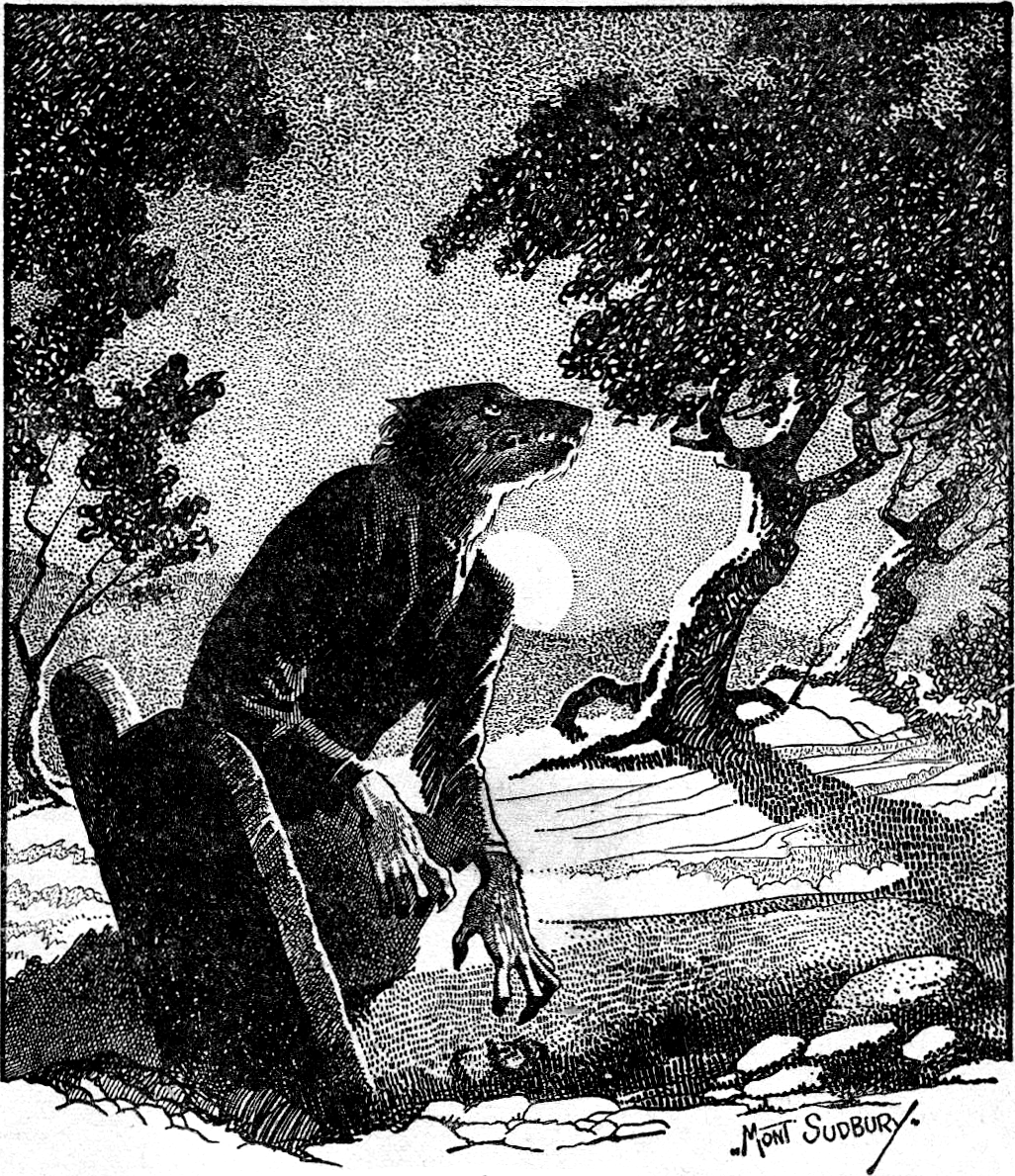 🇫🇷 France and 5 moreWerewolf
A mythical shapeshifter that turns into a wolf, central to European witch-hunts and Gothic horror.Being · Cursing and harm · Wonder and entertainment Legendary
🇫🇷 France and 5 moreWerewolf
A mythical shapeshifter that turns into a wolf, central to European witch-hunts and Gothic horror.Being · Cursing and harm · Wonder and entertainment Legendary
 🇪🇬 Egypt and 1 moreLilithלִילִית
A feminine figure from Mesopotamian and Jewish mythology, often depicted as a night demon or spirit.Being · Cursing and harm Legendary
🇪🇬 Egypt and 1 moreLilithלִילִית
A feminine figure from Mesopotamian and Jewish mythology, often depicted as a night demon or spirit.Being · Cursing and harm Legendary
 🇪🇬 EgyptCurse
A spoken wish for misfortune to befall a person or placeBelief · Cursing and harm · Luck and prosperity Historical
🇪🇬 EgyptCurse
A spoken wish for misfortune to befall a person or placeBelief · Cursing and harm · Luck and prosperity Historical