Moon rabbit
In its own language: 月兔 (yuètù)
from Chinese yuè, meaning moon, and tù, meaning rabbit
A mythical figure seen in lunar markings, pounding elixirs or rice cakes across Asia and the Americas.
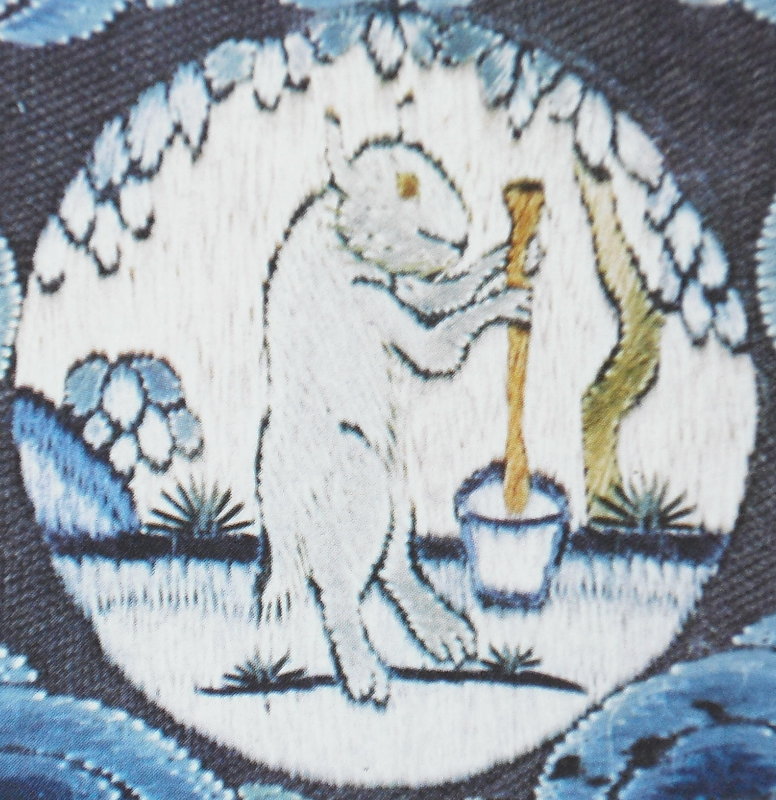
The Moon rabbit is a creature from East Asian and Indigenous American folklore, identified by the dark shapes on the Moon's surface. In China, Japan, Korea, and Vietnam, it pounds ingredients like medicine or mochi, while Amerindian legends tell of self-sacrifice or cosmic origin.
- Named after the Jade Rabbit, China's lunar rover Yutu landed in 2013.
- The rabbit pounds elixirs or mochi depending on the regional tradition.
- Buddhist Jataka tales describe the rabbit sacrificing itself to feed a beggar.
- Aztec legends say a rabbit was thrown at the Moon to dim its light.
- The Cree legend explains why cranes have long legs and red heads.
What it is
The Moon rabbit, also called the Jade rabbit, is a mythical figure found in the folklore of East Asia and the Americas. People see its shape in the dark patches on the near side of the Moon. In East Asian stories, the creature uses a mortar and pestle to pound substances. The contents vary by region: Chinese tales say it makes an elixir of life or medicine, while Japanese and Korean versions describe it preparing mochi or rice cakes. Vietnamese folklore combines these elements, showing the rabbit with the Moon goddess making immortality potions. Indigenous American cultures also feature lunar rabbits, often linked to creation myths or acts of charity.
Where it comes from
The legend began in China during the Warring States period. Early texts like the Chu Ci mention a hare on the Moon pounding herbs for immortals. Because rabbits were not yet in China at that time, the original image was likely a hare. Later Han dynasty poets used terms like Jade Hare to refer to the Moon itself. The story spread through Buddhist Jataka tales, where a rabbit sacrifices itself to feed a beggar who turns out to be a god. This act of virtue led the god to place the rabbit's image on the Moon. The tale traveled along trade routes, reaching India, Southeast Asia, and eventually the Americas through independent cultural developments.
How it is done
The rabbit is depicted standing upright, holding a pestle over a mortar. It pounds continuously, day and night. In Chinese narratives, it prepares the elixir of life for the Moon goddess Chang'e. In other regions, it grinds rice into paste for traditional cakes. The action is symbolic of labor, sacrifice, and the preparation of sacred items. No specific rituals are performed by people to mimic this action; rather, the pounding represents the celestial maintenance of health and sustenance.
Tools and materials
The primary tool is a mortar and pestle, often shown as stone or jade. The ingredients include herbs, medicinal roots, or glutinous rice. In some accounts, the rabbit pounds mooncakes. The mortar represents the vessel of transformation, turning raw materials into life-giving or celebratory substances. The pestle signifies the effort required to achieve immortality or communal joy.
Moon rabbit, drawn and placed
- Living
- Revived
- Fading
- Historical
- Legendary
- Performed
- Lineage
- East Asian mythology
- Timing
- full moon
What it is for
The rabbit serves as a companion to lunar deities and a provider of essential goods. It creates the elixir of life, offering hope for longevity. In festival contexts, it symbolizes the preparation of food for celebrations like the Mid-Autumn Festival. For Indigenous peoples, the rabbit illustrates moral virtues such as generosity and selflessness. Its presence on the Moon reminds communities of their shared values and the cyclical nature of time.
Who does it
Scholars and storytellers preserve the lore. The figures themselves are mythic beings, not human practitioners. However, artists and writers adapt the character for modern media, including anime, comics, and space missions. The Chinese lunar rover Yutu was named after the Jade Rabbit, linking ancient myth to modern exploration.
Peoples and places
The legend is widespread across East Asia. In China, it is tied to Chang'e and the Mid-Autumn Festival. Japan celebrates Tsukimi, viewing the rabbit making mochi. Korea observes Chuseok with similar themes. Vietnam includes the rabbit in Tết Trung Thu stories alongside Hằng Nga. Indigenous groups like the Maya, Aztec, and Cree have distinct versions. The Maya associate the rabbit with the Moon Goddess. The Aztec story involves Quetzalcoatl elevating a sacrificial rabbit. The Cree legend explains the crane's long legs through a rabbit's journey to the Moon.
At a glance: who, where and when
Who does it
Occasions
What people believe
The belief rests on lunar pareidolia, the tendency to see patterns in random data. Ancient observers interpreted shadowy lunar features as animals. The moral core of the story varies: East Asian versions emphasize service and alchemy, while Amerindian tales focus on altruism and cosmic balance. The rabbit is often seen as a Bodhisattva or a divine messenger, embodying compassion and endurance.
When it is done
The rabbit appears most prominently during full moons and harvest festivals. The Mid-Autumn Festival in China, Tết Trung Thu in Vietnam, Tsukimi in Japan, and Chuseok in Korea all celebrate the bright Moon and the rabbit's presence. These events occur in autumn, when the Moon is fullest and brightest. Families gather to eat mooncakes and admire the lunar disk, acknowledging the rabbit's role in their cultural heritage.
How scholars and sceptics see it
Anthropologists view the Moon rabbit as a example of how different cultures interpret the same natural phenomenon. Historians trace the motif from early Chinese poetry to Buddhist sutras and then to global pop culture. Psychologists note the universal appeal of animal personification and the comfort found in celestial companions. Skeptics attribute the imagery to optical illusion and cognitive bias, but acknowledge its enduring artistic and narrative value.
Cautions and what is closed
No physical dangers are associated with the myth. However, the story of self-sacrifice carries a somber tone in some versions. In modern times, the name has been used for commercial products and entertainment, which some may find trivializing. There are no legal restrictions or persecution linked to the legend.
Compare and confuse
The Moon rabbit is sometimes confused with the Man in the Moon, another common lunar interpretation. In Western folklore, the Moon often holds a cheese wheel or a face, whereas East Asian traditions see an animal. The Aztec version shares themes with other creation myths involving deities transforming into celestial bodies. The Buddhist Jataka tale parallels other stories of animal charity, such as the monkey or otter helping travelers.
Days linked to Moon rabbit
Questions people ask about Moon rabbit
What is the Moon rabbit?
It is a mythical creature seen in the dark markings on the Moon. Found in East Asian and Indigenous American folklore, it is often shown pounding ingredients in a mortar and pestle.
Where does the legend come from?
It originated in ancient China, appearing in texts like the Chu Ci. The story spread through Buddhist teachings and reached Japan, Korea, Vietnam, and the Americas through cultural exchange and independent development.
What is the rabbit doing on the Moon?
It is pounding substances. In China, it makes an elixir of life. In Japan and Korea, it prepares mochi. In Vietnam, it helps make immortality potions. Amerindian versions focus on sacrifice or cosmic origin.
Why is there a rabbit on the Moon?
Ancient people saw the lunar shadows as a rabbit shape. In Buddhist tales, a god placed the rabbit's image on the Moon to honor its virtue. In Aztec myths, a rabbit was thrown at the Moon to reduce its brightness.
Is the Moon rabbit related to any festivals?
Yes. It is central to the Mid-Autumn Festival in China, Tết Trung Thu in Vietnam, Tsukimi in Japan, and Chuseok in Korea. These autumn celebrations honor the full Moon and the rabbit's symbolism.
Good reading and sources
- China to Send 'Jade Rabbit' Rover to the MoonThe New York Times, Article
- Oldest Brit winner David Bowie enters independence debateBBC, Article
- Moon rabbit on WikipediaEncyclopedia
- More photos on Wikimedia CommonsPhotos and video
- Wikidata recordOpen data
The facts on this page come from the Wikipedia article "Moon rabbit", written by its contributors and used under the CC BY-SA 4.0 licence, and from its Wikidata record (CC0). EveryJaadu rewrote the text in its own words, with AI assistance, and compares every page with the article to make sure no passage is copied. It may be reused under the same CC BY-SA 4.0 licence with a link back.
It may contain mistakes. Names and customs differ from one community to the next, and some knowledge is closed to outsiders and left out here. This page describes belief and practice. It does not say that any of it works, it is not a how-to, and it is not medical advice. If something is wrong, tell us. Last refreshed 2026-10-06.
More from China
All the entries from China 🇨🇳 China and 3 moreChinese dragon龍
A legendary water deity and imperial symbol in East Asian cultureBeing · Protection · Luck and prosperity Historical
🇨🇳 China and 3 moreChinese dragon龍
A legendary water deity and imperial symbol in East Asian cultureBeing · Protection · Luck and prosperity Historical
 🇨🇳 ChinaLan Caihe藍采和
An ambiguous Taoist immortal known for a flower basket and wandering songsBeing · Wonder and entertainment Legendary
🇨🇳 ChinaLan Caihe藍采和
An ambiguous Taoist immortal known for a flower basket and wandering songsBeing · Wonder and entertainment Legendary
 🇨🇳 China and 2 moreXiezhi獬豸
A one-horned beast from East Asia that separates the guilty from the innocentBeing · Cursing and harm · Protection Legendary
🇨🇳 China and 2 moreXiezhi獬豸
A one-horned beast from East Asia that separates the guilty from the innocentBeing · Cursing and harm · Protection Legendary
 🇨🇳 China and 2 moreEight Immortals八仙
Eight legendary Taoist figures of China, each with a power and a vesselFigure · Protection · Healing Living
🇨🇳 China and 2 moreEight Immortals八仙
Eight legendary Taoist figures of China, each with a power and a vesselFigure · Protection · Healing Living
Related elsewhere
All being 🇬🇧 United Kingdom and 2 moreKing ArthurBrenin Arthur
A legendary British king and folk hero of medieval literature and Welsh mythologyFigure · Power and authority · Wonder and entertainment Legendary
🇬🇧 United Kingdom and 2 moreKing ArthurBrenin Arthur
A legendary British king and folk hero of medieval literature and Welsh mythologyFigure · Power and authority · Wonder and entertainment Legendary
 🇪🇬 Egypt and 1 moreSphinx
A mythical hybrid with a human head and lion body, serving as guardian or riddler in Egyptian and Greek traditions.Being · Protection · Wonder and entertainment Legendary
🇪🇬 Egypt and 1 moreSphinx
A mythical hybrid with a human head and lion body, serving as guardian or riddler in Egyptian and Greek traditions.Being · Protection · Wonder and entertainment Legendary
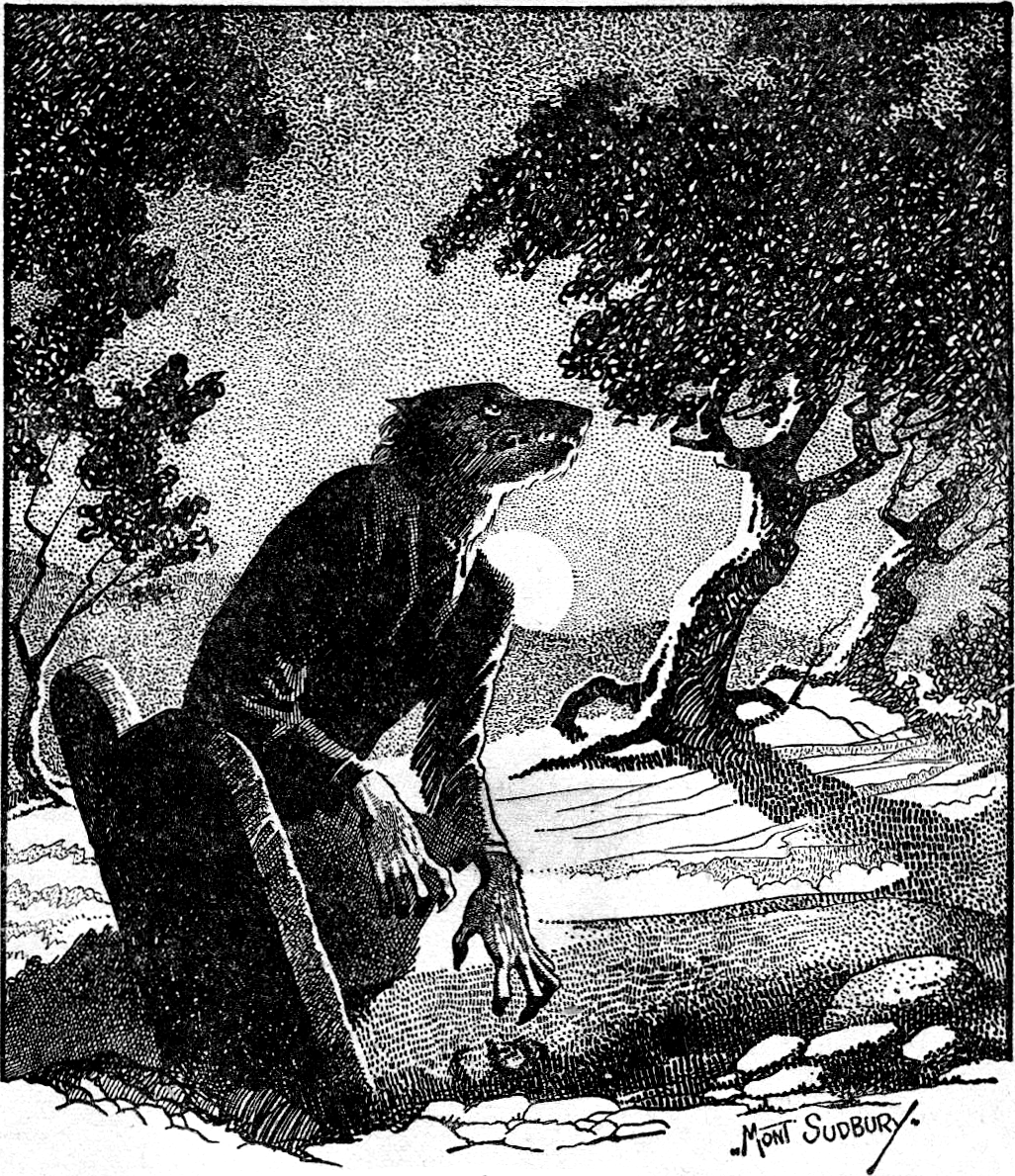 🇫🇷 France and 5 moreWerewolf
A mythical shapeshifter that turns into a wolf, central to European witch-hunts and Gothic horror.Being · Cursing and harm · Wonder and entertainment Legendary
🇫🇷 France and 5 moreWerewolf
A mythical shapeshifter that turns into a wolf, central to European witch-hunts and Gothic horror.Being · Cursing and harm · Wonder and entertainment Legendary
 🇪🇸 Spain and 5 moreSt John's Eve
A Christian vigil marked by bonfires and plant gathering on the summer solstice eveRite · Protection · Speaking with spirits and the dead Living
🇪🇸 Spain and 5 moreSt John's Eve
A Christian vigil marked by bonfires and plant gathering on the summer solstice eveRite · Protection · Speaking with spirits and the dead Living