
Uchide no kozuchi
In its own language: 打ち出の小槌
from Japanese uchide, meaning striking-out or shaking out, and kozuchi, a small hammer
A legendary Japanese magic hammer that taps out desired items from thin air
The uchide no kozuchi is a magical wooden hammer from Japanese folklore capable of producing any object wished for. It is most famously associated with the deity Daikoku-ten and appears in classic tales where heroes defeat ogres to claim its wealth-giving power.
- Daikoku-ten holds the hammer in statues and netsukes
- Issun-bōshi defeats an ogre to steal the mallet
- Hōbutsushū warns items vanish at the sound of bells
- Tale of Heike mentions the hammer before 1240
- Catalogued as motif D 1470.1.46 in folklore studies
What it is
The uchide no kozuchi is a legendary magic hammer in Japanese tradition. Its name translates literally to 'Tap-Appear Mallet.' The item is believed to produce any object or person when struck or shaken. It serves as a symbol of infinite wealth and prosperity. The hammer is a standard attribute of Daikoku-ten, one of the Seven Lucky Gods. Statues and figurines of this deity almost always depict him holding the mallet aloft.
Where it comes from
The concept of ogres possessing a wish-granting hammer predates medieval literature. An anecdote in The Tale of Heike, dated around 1240, describes a figure mistaken for an oni carrying the glowing hammer. This story may reflect events before 1118. Earlier texts like Hōbutsushū (1179) describe the mallet as a treasure that vanishes at the toll of a bell, serving as a Buddhist lesson on impermanence. The motif appears in the Stith Thompson index as D 1470.1.46.
How it is done
The hammer functions by being tapped or shaken against a surface. In early Buddhist tales, users were advised to perform this action in open fields because the created items would disappear if heard by others or at the sound of temple bells. Later folk tales simplify the method: striking the ground produces gold, servants, or food instantly. No specific ritual words are required in the legends.
Tools and materials
The primary tool is a small wooden hammer. In some interpretations, it is linked to other magical items like the kakure mino (invisible raincoat) and kakurekasa (invisible hat). These items often appear together in stories involving ogres. The hammer is sometimes compared to Aladdin's lamp or the Norse Mjölnir due to its generative power.
Uchide no kozuchi, drawn and placed
- Living
- Revived
- Fading
- Historical
- Legendary
- Performed
- Lineage
- Japanese folklore and Buddhist setsuwa tales
What it is for
The mallet is used to acquire wealth, status, and companionship. In the tale of Issun-bōshi, the hero uses it to gain riches and become a court favorite. Modern versions add that it can transform the user into a full-sized adult. It represents the desire for sudden fortune and the removal of social barriers based on appearance or poverty.
Who does it
No living practitioners use this hammer, as it is a fictional artifact. Scholars of folkloristics study its classification within international motif indexes. The hammer is culturally maintained through art, architecture, and literature rather than active ritual practice. It is primarily associated with the priestly or divine figure of Daikoku-ten.
Peoples and places
The uchide no kozuchi is central to Japanese storytelling. It appears in otogi-zōshi collections from the Muromachi period. It features prominently in the legends of Issun-bōshi and Momotarō. In Momotarō, the hero captures the hammer from ogres on Onigashima alongside other magical treasures. The lore connects to earlier beliefs about oni possessing valuable artifacts.
At a glance: who, where and when
Peoples
Belief worlds

What people believe
The hammer operates on a logic of material manifestation. Early Buddhist versions warned that such wealth was illusory and temporary, vanishing under spiritual scrutiny. Folk tales treat it as a real object of power stolen from demons. The belief system links ogres not just to violence, but to the hoarding of magical resources that humans can seize through bravery.
When it is done
The hammer has no fixed calendar date for use. It appears in narratives tied to life events, such as marriage or social ascent. In religious contexts, it is displayed year-round on altars dedicated to Daikoku-ten, particularly during New Year celebrations when prayers for prosperity are common.
Questions people ask about Uchide no kozuchi
What is the uchide no kozuchi?
It is a legendary Japanese magic hammer that produces any wished-for item when struck. It is a symbol of good fortune and wealth, commonly held by the deity Daikoku-ten in religious art and popular culture.
Where does the legend come from?
The legend appears in early Japanese texts like The Tale of Heike and Hōbutsushū. It evolved from Buddhist sermons about the emptiness of wealth into folk tales where heroes steal the hammer from ogres to gain power.
How is the hammer used in stories?
Characters shake or tap the hammer to create gold, servants, or food. In the tale of Issun-bōshi, it grants riches and transforms the hero into an adult. Users were once told to strike it in open fields to avoid the items disappearing.
Good reading and sources
- Uchide no kozuchi on WikipediaEncyclopedia
- More photos on Wikimedia CommonsPhotos and video
- Wikidata recordOpen data
The facts on this page come from the Wikipedia article "Uchide no kozuchi", written by its contributors and used under the CC BY-SA 4.0 licence, and from its Wikidata record (CC0). EveryJaadu rewrote the text in its own words, with AI assistance, and compares every page with the article to make sure no passage is copied. It may be reused under the same CC BY-SA 4.0 licence with a link back.
It may contain mistakes. Names and customs differ from one community to the next, and some knowledge is closed to outsiders and left out here. This page describes belief and practice. It does not say that any of it works, it is not a how-to, and it is not medical advice. If something is wrong, tell us. Last refreshed 2026-10-06.
More from Japan
All the entries from Japan 🇯🇵 Japan and 2 moreTamamo-no-Mae玉藻前
A nine-tailed fox spirit from Japanese legend who possessed emperors and concubines across Asia.Figure · Cursing and harm · Power and authority Legendary
🇯🇵 Japan and 2 moreTamamo-no-Mae玉藻前
A nine-tailed fox spirit from Japanese legend who possessed emperors and concubines across Asia.Figure · Cursing and harm · Power and authority Legendary
 🇨🇳 China and 2 moreJiang Ziya姜子牙
A historical strategist and war god who helped establish the Zhou dynastyFigure · Power and authority · Cursing and harm Historical
🇨🇳 China and 2 moreJiang Ziya姜子牙
A historical strategist and war god who helped establish the Zhou dynastyFigure · Power and authority · Cursing and harm Historical
 🇯🇵 JapanEn no Gyōja役小角
A legendary Japanese ascetic and founder of Shugendō mountain practiceFigure · Power and authority · Protection Historical
🇯🇵 JapanKamo no Yasunori賀茂 保憲
A Heian-era onmyōji and teacher of Abe no Seimei in Japanese esoteric artsFigure · Seeing and foretelling · Cursing and harm Historical
🇯🇵 JapanEn no Gyōja役小角
A legendary Japanese ascetic and founder of Shugendō mountain practiceFigure · Power and authority · Protection Historical
🇯🇵 JapanKamo no Yasunori賀茂 保憲
A Heian-era onmyōji and teacher of Abe no Seimei in Japanese esoteric artsFigure · Seeing and foretelling · Cursing and harm Historical
Related elsewhere
All figure 🇮🇳 India and 5 moreAstrology
A divinatory practice that reads human fate through the positions of celestial bodies.Belief · Seeing and foretelling · Luck and prosperity Living
🇮🇳 India and 5 moreAstrology
A divinatory practice that reads human fate through the positions of celestial bodies.Belief · Seeing and foretelling · Luck and prosperity Living
 🇫🇷 FranceHoly GrailSaint Graal
A cup or stone from Arthurian tales that grants healing and eternal lifeFigure · Healing · Luck and prosperity Legendary
🇫🇷 FranceHoly GrailSaint Graal
A cup or stone from Arthurian tales that grants healing and eternal lifeFigure · Healing · Luck and prosperity Legendary
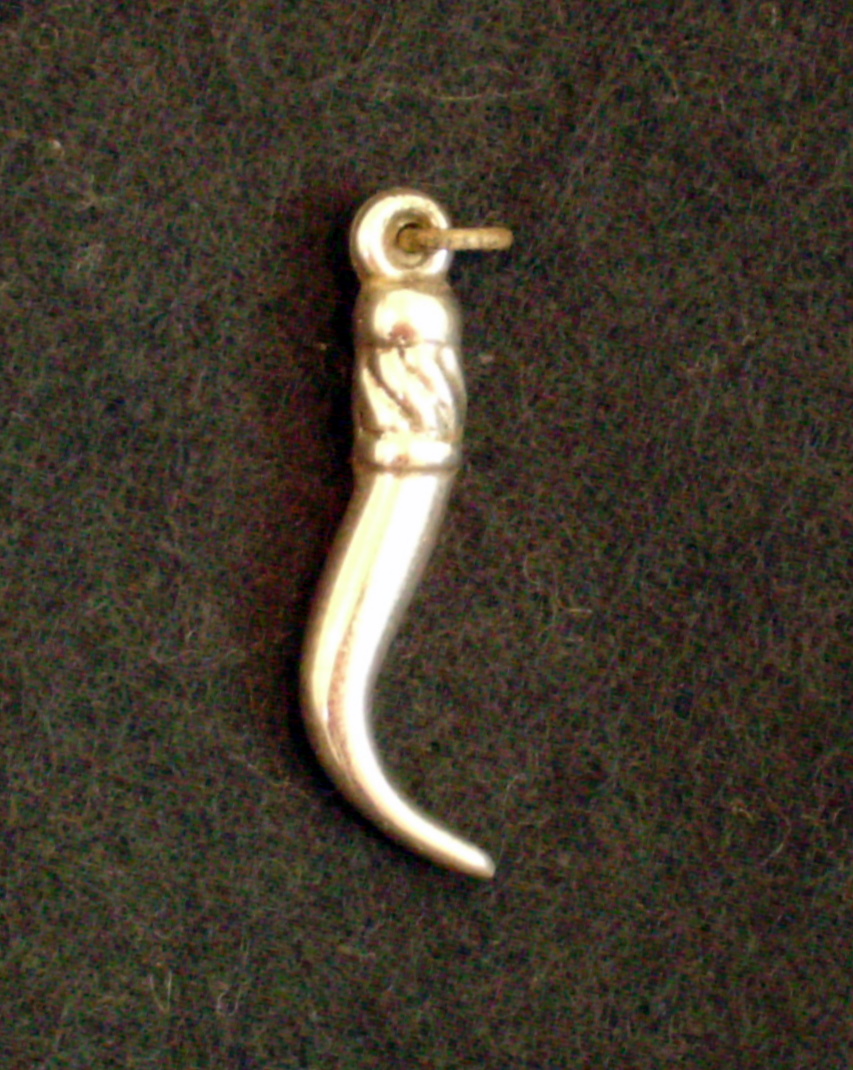 🇮🇹 ItalyCornicello
A twisted horn charm worn in Italy to ward off the evil eye and invite luck.Charm · Protection · Luck and prosperity Living
🇮🇹 ItalyCornicello
A twisted horn charm worn in Italy to ward off the evil eye and invite luck.Charm · Protection · Luck and prosperity Living
 🇮🇳 India and 1 moreGarba
A Gujarati circle dance performed around a central symbol during NavaratriIllusion · Power and authority · Luck and prosperity Living
🇮🇳 India and 1 moreGarba
A Gujarati circle dance performed around a central symbol during NavaratriIllusion · Power and authority · Luck and prosperity Living