
Shikome
In its own language: 黄泉醜女 (Yomotsu-shikome)
From Yomotsu-shikome, meaning 'Ugly Woman of the Underworld'
A hag from the Japanese underworld who pursued Izanagi after he shamed Izanami.
In Japanese mythology, Shikome is a hag sent by the dead goddess Izanami to chase her husband Izanagi. He escapes her pursuit in the Underworld by throwing objects that transform into food, delaying her advance until he blocks the entrance with a boulder.
- Shikome means 'Ugly Woman of the Underworld'
- Sent by Izanami to pursue Izanagi
- Items transform into grapes and bamboo shoots
- Peaches cause the pursuers to retreat
- Appears in Kojiki and Nihon Shoki
What it is
The Shikome is a figure from Japanese mythology described as a hag or demon-woman. She appears in the oldest chronicles of Japan as an agent of death and decay. Her primary role is to pursue her former husband, Izanagi, after he violates a taboo by viewing her in her rotting state within the realm of the dead. The name translates directly to 'Ugly Woman of the Underworld'. Some texts suggest she may represent a collective group of eight hags rather than a single individual. She serves as an obstacle between the living world and the spirit realm.
Where it comes from
The character originates from ancient Japanese mythological texts, specifically the Kojiki and the Nihon Shoki. In the Kojiki, she is named Yomotsu-shikome and acts alone. The Nihon Shoki offers a variant reading where she is called Yomotsu-hisame and may be one of eight female oni. These accounts differ in detail but share the core narrative of her pursuit of Izanagi following his escape from Yomi-no-kuni, the land of the dead. The variation suggests different regional or textual traditions regarding the nature of these underworld spirits.
How it is done
Izanagi attempts to delay the Shikome during his flight from the Underworld. He casts down his black headdress, which transforms into grapes that she devours. He then breaks his comb, scattering teeth that become bamboo shoots, which she pulls out to eat. These transformations slow her progress. Eventually, Izanami herself joins the pursuit. Izanagi throws three peaches, which cause the pursuers to retreat. He finally seals the entrance to the underworld with a large boulder to prevent further entry.
Tools and materials
The narrative features several items used as obstacles. A black headdress becomes grapes. A comb known as Yutsu-tsuma-gushi turns into bamboo shoots. Three peaches are thrown to repel the entities. Izanagi also wields a sword called Totsuka-no-Tsurugi. In some versions of the Nihon Shoki, urine is cast upon a tree to create a river barrier. These items serve as temporary delays rather than weapons of destruction.
Shikome, drawn and placed
- Living
- Revived
- Fading
- Historical
- Legendary
- Performed
- Lineage
- Japanese mythology
What it is for
The Shikome functions as a guardian or enforcer of the boundary between life and death. Her pursuit is triggered by Izanagi's breach of ritual protocol regarding the dead. She represents the inevitability of decay and the consequences of disturbing the natural order of the underworld. Her actions ensure that those who enter the realm of the dead do not easily return to the world of the living without consequence.
Who does it
Scholars analyze the Shikome through the lens of comparative mythology and religious studies. Commentators note connections between the peach motif in this story and broader beliefs in the supernatural warding powers of peaches in Japanese tradition. The figure is often compared to other mythological characters like Momotarō, who also defeats oni using similar symbolic elements. Researchers study the variations between the Kojiki and Nihon Shoki to understand the development of Japanese mythological narratives.
Peoples and places
The Shikome is specific to Japanese mythology and culture. She appears in the foundational texts of Japan, the Kojiki and the Nihon Shoki. The narrative reflects indigenous Japanese beliefs about the underworld, death, and the separation of realms. The figure is distinct from other global underworld entities but shares thematic similarities with spirits that guard transitions between life and death.
At a glance: who, where and when
Peoples
What people believe
The story illustrates beliefs about the purity required when dealing with death. Izanagi’s shame and subsequent flight highlight the taboo against witnessing decay. The transformation of personal items into food reflects a magical worldview where objects hold transformative power. The use of peaches as repellents ties into enduring folk beliefs about their protective qualities against evil spirits and demons in Japanese culture.
How scholars and sceptics see it
Academic analysis focuses on the structural similarities between the Shikome narrative and other pursuit myths. Researchers point to the Aarne-Thompson Tale Type 313, which involves an obstacle flight. The connection to the Momotarō legend is frequently cited to demonstrate recurring motifs in Japanese folklore. Scholars also examine the role of thunder deities mentioned in some versions of the pursuit, linking them to broader cosmological themes in early Japanese religion.
Compare and confuse
The Shikome is related to other underworld figures such as Eurynomos and Lampad from Greco-Roman mythology. She shares traits with Baba Yaga, another formidable female figure associated with the boundary between worlds. The motif of fleeing from a pursuing hag is common in global folklore. The term 'oni' links her to a broader class of demons in Japanese tradition, distinguishing her from human spirits or ancestral ghosts.
Questions people ask about Shikome
Who is the Shikome?
The Shikome is a hag from Japanese mythology. She is sent by the dead goddess Izanami to chase her husband Izanagi after he views her decaying form in the underworld.
What does her name mean?
Her name Yomotsu-shikome translates to 'Ugly Woman of the Underworld'. Another recorded name is Yomotsu-hisame.
How does Izanagi escape her?
Izanagi throws objects that transform into food. His headdress becomes grapes and his comb becomes bamboo shoots. He eventually uses peaches to repel her and her army.
Where does this story come from?
The story appears in ancient Japanese chronicles. It is found in the Kojiki and the Nihon Shoki, which offer slightly different details about the pursuit.
Good reading and sources
- Shikome on WikipediaEncyclopedia
- More photos on Wikimedia CommonsPhotos and video
- Wikidata recordOpen data
The facts on this page come from the Wikipedia article "Shikome", written by its contributors and used under the CC BY-SA 4.0 licence, and from its Wikidata record (CC0). EveryJaadu rewrote the text in its own words, with AI assistance, and compares every page with the article to make sure no passage is copied. It may be reused under the same CC BY-SA 4.0 licence with a link back.
It may contain mistakes. Names and customs differ from one community to the next, and some knowledge is closed to outsiders and left out here. This page describes belief and practice. It does not say that any of it works, it is not a how-to, and it is not medical advice. If something is wrong, tell us. Last refreshed 2026-10-06.
More from Japan
All the entries from Japan 🇨🇳 China and 2 moreJiang Ziya姜子牙
A historical strategist and war god who helped establish the Zhou dynastyFigure · Power and authority · Cursing and harm Historical
🇨🇳 China and 2 moreJiang Ziya姜子牙
A historical strategist and war god who helped establish the Zhou dynastyFigure · Power and authority · Cursing and harm Historical
 🇯🇵 Japan and 2 moreTamamo-no-Mae玉藻前
A nine-tailed fox spirit from Japanese legend who possessed emperors and concubines across Asia.Figure · Cursing and harm · Power and authority Legendary
🇯🇵 Japan and 2 moreTamamo-no-Mae玉藻前
A nine-tailed fox spirit from Japanese legend who possessed emperors and concubines across Asia.Figure · Cursing and harm · Power and authority Legendary
 🇯🇵 JapanEn no Gyōja役小角
A legendary Japanese ascetic and founder of Shugendō mountain practiceFigure · Power and authority · Protection Historical
🇯🇵 JapanKamo no Yasunori賀茂 保憲
A Heian-era onmyōji and teacher of Abe no Seimei in Japanese esoteric artsFigure · Seeing and foretelling · Cursing and harm Historical
🇯🇵 JapanEn no Gyōja役小角
A legendary Japanese ascetic and founder of Shugendō mountain practiceFigure · Power and authority · Protection Historical
🇯🇵 JapanKamo no Yasunori賀茂 保憲
A Heian-era onmyōji and teacher of Abe no Seimei in Japanese esoteric artsFigure · Seeing and foretelling · Cursing and harm Historical
Related elsewhere
All figure 🇷🇸 Serbia and 5 moreVampire
An undead creature from folklore that feeds on the blood or life force of the livingBeing · Cursing and harm · Luck and prosperity Legendary
🇷🇸 Serbia and 5 moreVampire
An undead creature from folklore that feeds on the blood or life force of the livingBeing · Cursing and harm · Luck and prosperity Legendary
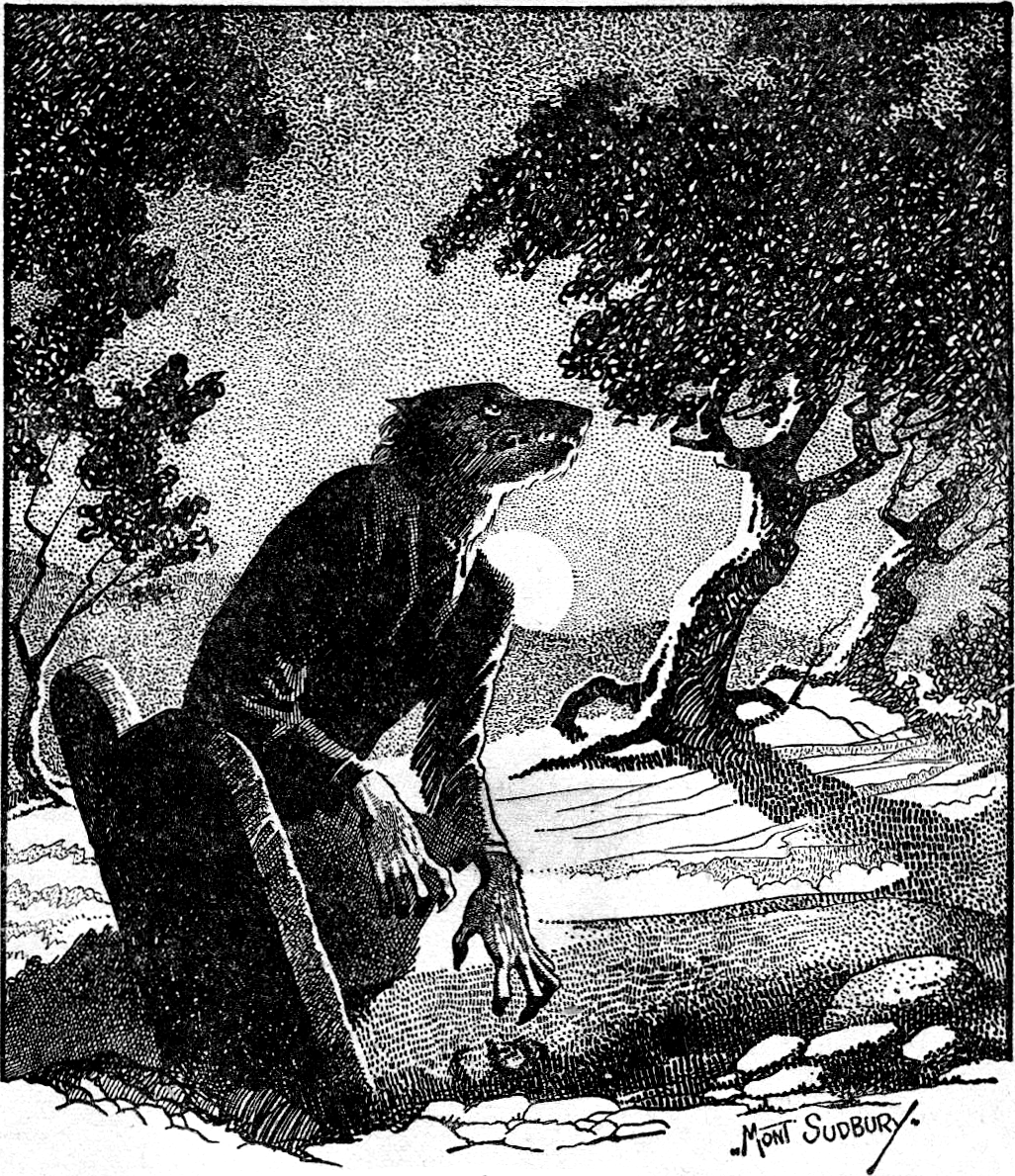 🇫🇷 France and 5 moreWerewolf
A mythical shapeshifter that turns into a wolf, central to European witch-hunts and Gothic horror.Being · Cursing and harm · Wonder and entertainment Legendary
🇫🇷 France and 5 moreWerewolf
A mythical shapeshifter that turns into a wolf, central to European witch-hunts and Gothic horror.Being · Cursing and harm · Wonder and entertainment Legendary
 🇪🇬 Egypt and 1 moreLilithלִילִית
A feminine figure from Mesopotamian and Jewish mythology, often depicted as a night demon or spirit.Being · Cursing and harm Legendary
🇪🇬 Egypt and 1 moreLilithלִילִית
A feminine figure from Mesopotamian and Jewish mythology, often depicted as a night demon or spirit.Being · Cursing and harm Legendary
 🇪🇬 EgyptCurse
A spoken wish for misfortune to befall a person or placeBelief · Cursing and harm · Luck and prosperity Historical
🇪🇬 EgyptCurse
A spoken wish for misfortune to befall a person or placeBelief · Cursing and harm · Luck and prosperity Historical