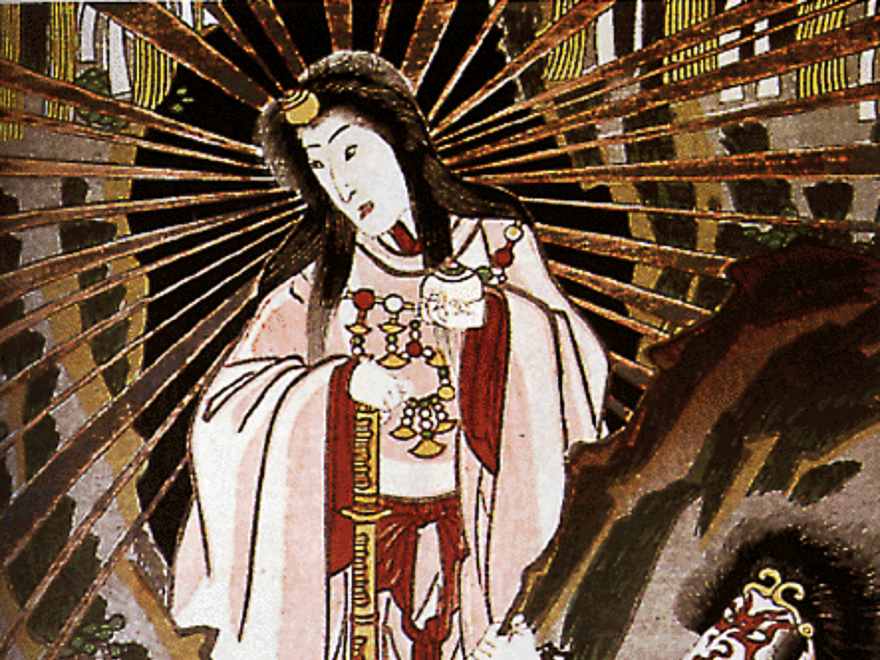
Akuma
In its own language: 悪魔(あくま)
An evil spirit in Japanese folklore, later used for Satan in Christianity
The akuma is an evil spirit found in Japanese folklore and Buddhist texts. It was later adopted as the standard translation for Satan in Japanese Christianity.
- Akuma means evil spirit in Japanese folklore
- Term used for Satan in Japanese Christianity
- Alternative name is ma
- Depicted with fiery head and flaming eyes
- Associated with possession and natural disasters
What it is
The akuma is a malevolent entity within Japanese folklore. English sources often label it a devil or demon. The term also serves as the name for Satan in Japanese Christian contexts. An alternative name for this spirit is ma. It represents a force of evil rather than a specific deity.
Where it comes from
Early references to the word appear in Buddhist writings. The term gained prominence in literature during the Heian period, which lasted from 794 to 1185 AD. After Christianity arrived in Japan, the word became the standard translation for Satan. This shift linked the folk concept to the Abrahamic figure.
Akuma, drawn and placed
- Living
- Revived
- Fading
- Historical
- Legendary
- Performed
- Lineage
- Japanese folklore
What it is for
The akuma is associated with causing harm and misfortune. Seeing one is believed to bring bad luck. The spirit is said to possess individuals and trigger natural disasters. Historically, people have linked mental illness to the presence of these entities.
Peoples and places
The concept belongs to Japanese culture. It appears in historical texts and literary works from the Heian era. The term is now used in religious translations within Japan. No specific ethnic group outside Japan is mentioned in relation to this belief.
At a glance: who, where and when
What people believe
Folklore depicts the akuma with a fiery head and flaming eyes. It carries a sword as part of its appearance. The spirit is viewed as a harbinger of disaster. Its presence is feared for its ability to cause physical and mental distress through possession.
Questions people ask about Akuma
What is an akuma?
It is an evil spirit in Japanese folklore. English sources sometimes call it a devil or demon. The term is also used for Satan in Japanese Christianity.
Where does the word come from?
Early uses appear in Buddhist texts. The term became common in literature during the Heian period (794–1185 AD). Later, it was adopted to translate Satan.
How is it described?
It is depicted with a fiery head and flaming eyes. It carries a sword. It is seen as a source of misfortune and disaster.
Good reading and sources
The facts on this page come from the Wikipedia article "Akuma (folklore)", written by its contributors and used under the CC BY-SA 4.0 licence, and from its Wikidata record (CC0). EveryJaadu rewrote the text in its own words, with AI assistance, and compares every page with the article to make sure no passage is copied. It may be reused under the same CC BY-SA 4.0 licence with a link back.
It may contain mistakes. Names and customs differ from one community to the next, and some knowledge is closed to outsiders and left out here. This page describes belief and practice. It does not say that any of it works, it is not a how-to, and it is not medical advice. If something is wrong, tell us. Last refreshed 2026-10-06.
More from Japan
All the entries from Japan 🇨🇳 China and 3 moreChinese dragon龍
A legendary water deity and imperial symbol in East Asian cultureBeing · Protection · Luck and prosperity Historical
🇨🇳 China and 3 moreChinese dragon龍
A legendary water deity and imperial symbol in East Asian cultureBeing · Protection · Luck and prosperity Historical
 🇯🇵 JapanOni鬼(おに)
A horned demon of Japanese folklore known for strength and evil deedsBeing · Cursing and harm · Luck and prosperity Legendary
🇯🇵 JapanOni鬼(おに)
A horned demon of Japanese folklore known for strength and evil deedsBeing · Cursing and harm · Luck and prosperity Legendary
 🇯🇵 JapanBaku獏
A Japanese spirit said to eat bad dreams and protect sleepersBeing · Protection Living
🇯🇵 JapanKuda-gitsune管狐 (kuda-gitsune)
A small spirit kept in a tube or sleeve to aid fortune-telling and cursing in Japanese folklore.Being · Seeing and foretelling · Cursing and harm Legendary
🇯🇵 JapanBaku獏
A Japanese spirit said to eat bad dreams and protect sleepersBeing · Protection Living
🇯🇵 JapanKuda-gitsune管狐 (kuda-gitsune)
A small spirit kept in a tube or sleeve to aid fortune-telling and cursing in Japanese folklore.Being · Seeing and foretelling · Cursing and harm Legendary
Related elsewhere
All being 🇷🇸 Serbia and 5 moreVampire
An undead creature from folklore that feeds on the blood or life force of the livingBeing · Cursing and harm · Luck and prosperity Legendary
🇷🇸 Serbia and 5 moreVampire
An undead creature from folklore that feeds on the blood or life force of the livingBeing · Cursing and harm · Luck and prosperity Legendary
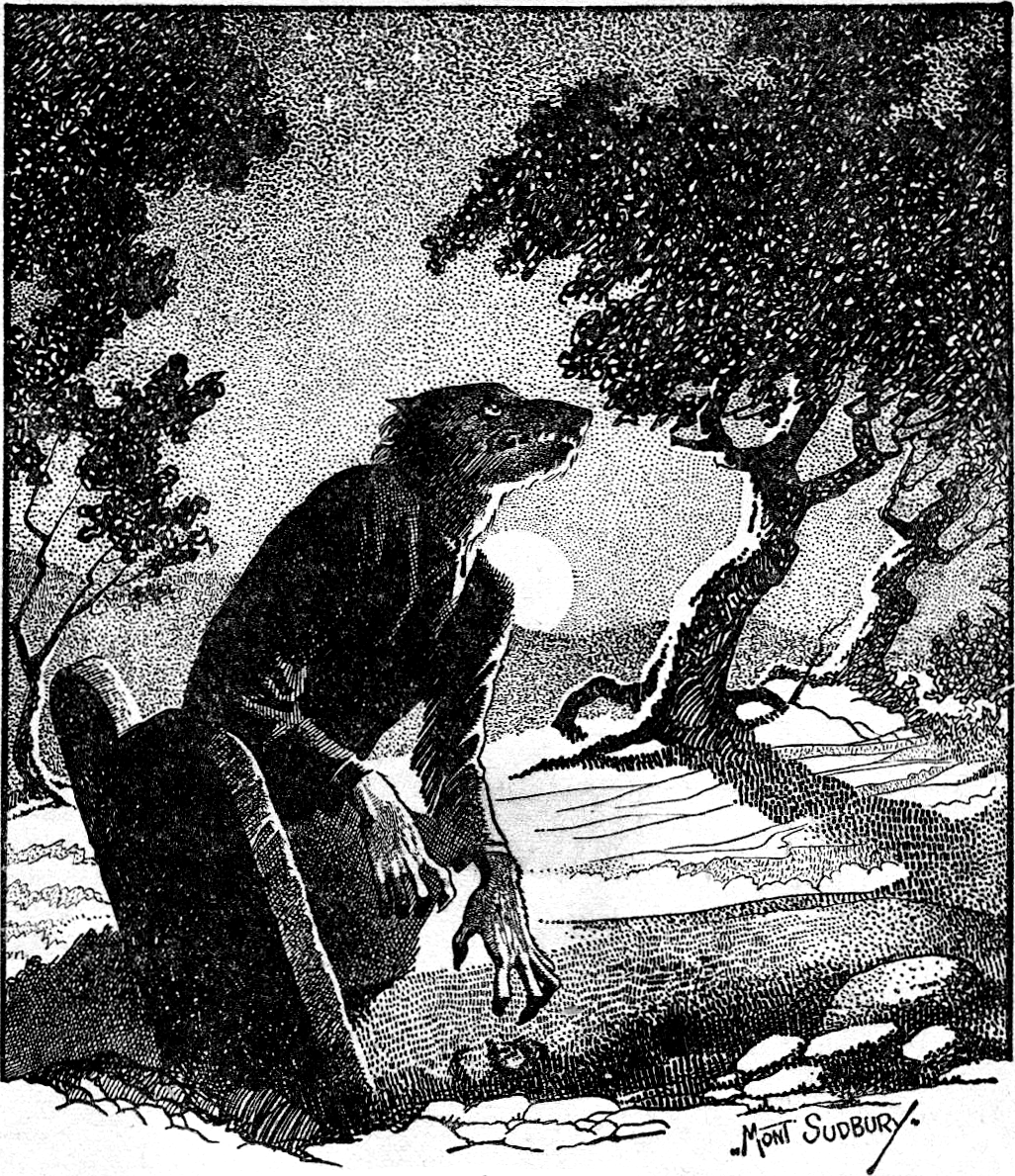 🇫🇷 France and 5 moreWerewolf
A mythical shapeshifter that turns into a wolf, central to European witch-hunts and Gothic horror.Being · Cursing and harm · Wonder and entertainment Legendary
🇫🇷 France and 5 moreWerewolf
A mythical shapeshifter that turns into a wolf, central to European witch-hunts and Gothic horror.Being · Cursing and harm · Wonder and entertainment Legendary
 🇪🇬 Egypt and 1 moreLilithלִילִית
A feminine figure from Mesopotamian and Jewish mythology, often depicted as a night demon or spirit.Being · Cursing and harm Legendary
🇪🇬 Egypt and 1 moreLilithלִילִית
A feminine figure from Mesopotamian and Jewish mythology, often depicted as a night demon or spirit.Being · Cursing and harm Legendary
 🇪🇬 EgyptCurse
A spoken wish for misfortune to befall a person or placeBelief · Cursing and harm · Luck and prosperity Historical
🇪🇬 EgyptCurse
A spoken wish for misfortune to befall a person or placeBelief · Cursing and harm · Luck and prosperity Historical