
Shamanism in the Qing dynasty
from saman, a Manchu word of Tungusic origin
State-managed rituals of the Manchu rulers and their shamans
A system of Tungusic spirit work adopted by the Manchu elite to legitimize rule over China. Shamans acted as intermediaries for clan ancestors and sky deities through trance and sacrifice.
- Shrines called tangse served as centers for Jurchen and Manchu rituals.
- Emperors conducted state sacrifices at the Beijing tangse until 1912.
- Shamans wore feathered caps and carried bells to signal spirit presence.
- The Kunning Palace hosted daily rites performed exclusively by women.
- Russian anthropologist Shirokogoroff studied surviving practices in the 1910s.
What it is
Shamanism served as the dominant spiritual framework for the Jurchen people and their descendants, the Manchu. It functioned as a bridge between the human community and the spirit world. Practitioners sought guidance from protective spirits and ancestors. The rituals involved both domestic sacrifices and trance-induced possession. This belief system provided the spiritual foundation for early Manchu political unity and state formation.
Where it comes from
The practice originated among the Tungusic peoples of northeast Asia. Early Jurchens conducted ceremonies at shrines called tangse during the Jin dynasty. These structures evolved from portable god boxes used by mobile hunters. As tribes settled into villages, these shrines became permanent fixtures. The tradition emphasized the authority of clan heads supported by shamanic assent.
How it is done
Ceremonies took place at designated shrines or within palace quarters. Shamans entered trances to allow spirits to possess them. They performed sacrifices to heaven and clan ancestors. Rituals included burning oaths on yellow paper and offering food in large cauldrons. The emperor personally led major state rites at the beginning of the new year.
Tools and materials
Shamans wore aprons and feathered caps symbolizing flight to the spirit world. They carried drums, knives, and wooden sticks with bells. A spirit pole marked the contact point between the community and the divine. Yellow paper was used for written oaths burned during ceremonies.
Shamanism in the Qing dynasty, drawn and placed
- Living
- Revived
- Fading
- Historical
- Legendary
- Performed
- Lineage
- Tungusic religion of northeast Asia
- Timing
- at new year, before campaigns, and for healing
What it is for
Rituals aimed to secure good harvests, successful hunts, and victory in battle. Shamans also sought quick healing for the sick and protection for the clan. State ceremonies legitimized the ruler's authority and appealed to heaven as an arbiter of justice.
Who does it
Shamans were often women chosen from imperial households or high officials. Some underwent a shamanic illness indicating spirit selection. Hereditary shamans handled domestic rituals. Professional shamans managed state ceremonies under strict imperial regulation.
Peoples and places
The tradition was central to Manchu identity and distinguished them from Han Chinese. Mongols and Han were forbidden from attending core rituals. The Qing used these practices to maintain legitimacy among neighboring Tungusic groups like the Evenks and Daur.
At a glance: who, where and when
Who does it
Belief worlds


What people believe
Believers held that multiple heavens existed, later consolidated under a single sky god named Abka Enduri. Spirits inhabited natural elements and ancestral lines. The spirit pole connected the physical village to the spiritual realm. Possession by animal spirits allowed shamans to perform exorcisms.
When it is done
Major sacrifices occurred on the first day of the new year. Leaders prayed before military campaigns against rival tribes. Personal rituals addressed crises like illness or hunting success. The Qianlong Emperor regulated these timings to preserve tradition.
Questions people ask about Shamanism in the Qing dynasty
What is shamanism in the Qing context?
It is a Tungusic spiritual tradition practiced by the Manchu rulers. Shamans mediated between humans and spirits through trance and sacrifice to ensure state stability and personal well-being.
Where did these rituals take place?
Ceremonies occurred at public shrines called tangse and inside the Forbidden City. The Kunning Palace housed daily rites performed by female shamans for the imperial family.
Who performed the rituals?
Shamans, often women selected from noble families, led the ceremonies. They used drums and bells to enter trances. The emperor himself participated in major annual sacrifices.
Why was it important to the Qing dynasty?
It legitimized Manchu rule over diverse ethnic groups. State rituals reinforced the emperor's connection to heaven and ancestral spirits, distinguishing Manchu identity from Han Chinese customs.
Good reading and sources
The facts on this page come from the Wikipedia article "Shamanism during the Qing dynasty", written by its contributors and used under the CC BY-SA 4.0 licence, and from its Wikidata record (CC0). EveryJaadu rewrote the text in its own words, with AI assistance, and compares every page with the article to make sure no passage is copied. It may be reused under the same CC BY-SA 4.0 licence with a link back.
It may contain mistakes. Names and customs differ from one community to the next, and some knowledge is closed to outsiders and left out here. This page describes belief and practice. It does not say that any of it works, it is not a how-to, and it is not medical advice. If something is wrong, tell us. Last refreshed 2026-10-06.
More from China
All the entries from China 🇨🇳 China and 5 moreGhost FestivalZhongyuan Festival; Yulanpen Festival
A festival to feed wandering spirits and guide them home during the seventh lunar month.Tradition · Speaking with spirits and the dead · Protection Living
🇨🇳 China and 5 moreGhost FestivalZhongyuan Festival; Yulanpen Festival
A festival to feed wandering spirits and guide them home during the seventh lunar month.Tradition · Speaking with spirits and the dead · Protection Living
 🇲🇳 Mongolia and 1 moreTsagaan SarЦагаан сар
A Mongol lunisolar new year marked by white clothes and dairy feastsTradition · Luck and prosperity · Speaking with spirits and the dead Living
🇲🇳 Mongolia and 1 moreTsagaan SarЦагаан сар
A Mongol lunisolar new year marked by white clothes and dairy feastsTradition · Luck and prosperity · Speaking with spirits and the dead Living
 🇨🇳 ChinaChinese alchemy煉丹術
A Taoist pursuit of longevity through elixirs and internal cultivationTradition · Healing · Speaking with spirits and the dead Historical
🇨🇳 ChinaChinese alchemy煉丹術
A Taoist pursuit of longevity through elixirs and internal cultivationTradition · Healing · Speaking with spirits and the dead Historical
 🇨🇳 China and 1 moreAncestor veneration in China中國傳統宗法性宗教
Rites for dead kin who are thought to watch over the familyTradition · Protection · Speaking with spirits and the dead Living
🇨🇳 China and 1 moreAncestor veneration in China中國傳統宗法性宗教
Rites for dead kin who are thought to watch over the familyTradition · Protection · Speaking with spirits and the dead Living
Related elsewhere
All tradition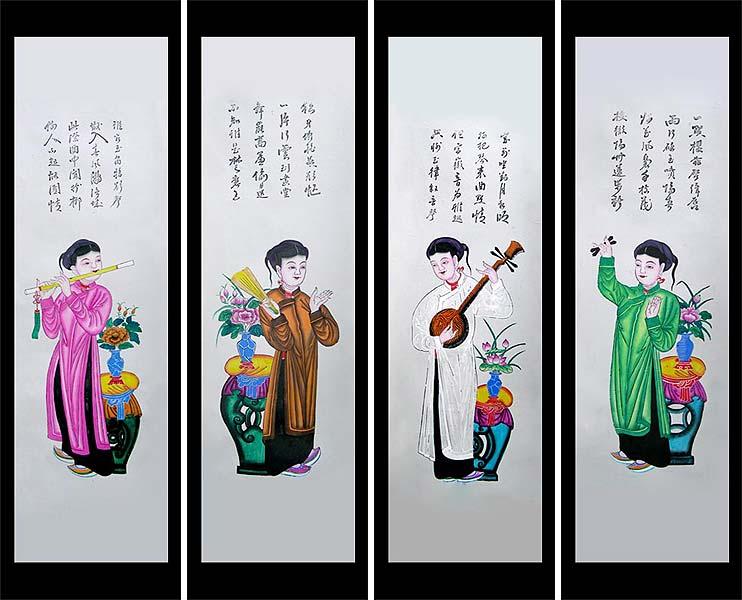 🇻🇳 Vietnam and 1 moreVietnamese folk religiontín ngưỡng dân gian Việt Nam
A collection of local spirit worship and ancestral veneration in VietnamTradition · Protection · Healing Living
🇻🇳 Vietnam and 1 moreVietnamese folk religiontín ngưỡng dân gian Việt Nam
A collection of local spirit worship and ancestral veneration in VietnamTradition · Protection · Healing Living
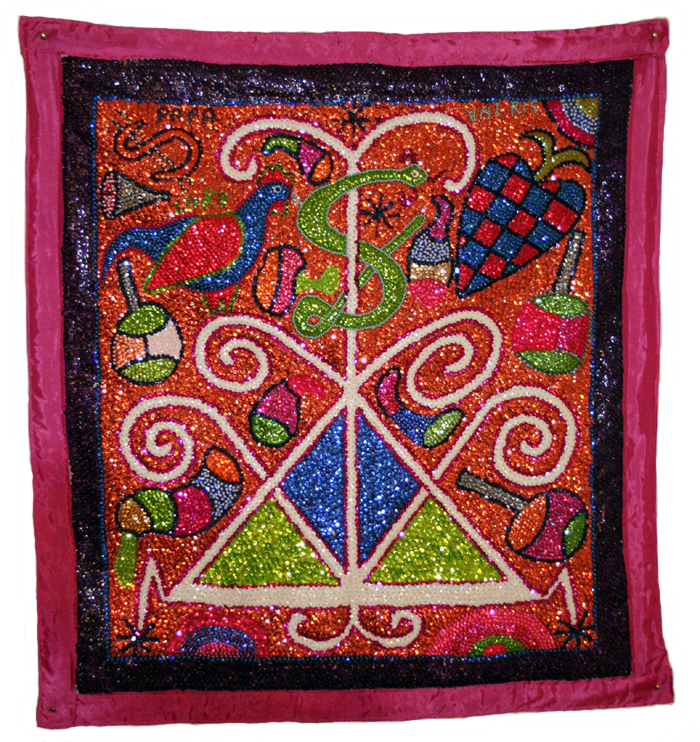 🇭🇹 Haiti and 2 moreHaitian VodouVodou
An Afro-Haitian religion blending West African traditions with Catholicism and FreemasonryTradition · Protection · Healing Living
🇭🇹 Haiti and 2 moreHaitian VodouVodou
An Afro-Haitian religion blending West African traditions with Catholicism and FreemasonryTradition · Protection · Healing Living
 🇮🇶 Iraq and 5 moreGrimoire
A textbook containing instructions for spells, rituals, and the creation of magical objects.Text · Protection · Healing Historical
🇮🇶 Iraq and 5 moreGrimoire
A textbook containing instructions for spells, rituals, and the creation of magical objects.Text · Protection · Healing Historical
 🇮🇳 India and 5 moreSnake worship
Veneration of serpents as divine or ancestral beings across global culturesTradition · Protection · Healing Living
🇮🇳 India and 5 moreSnake worship
Veneration of serpents as divine or ancestral beings across global culturesTradition · Protection · Healing Living