Raijū
In its own language: 雷獣
from Japanese rai (thunder) and jū (beast)
A Japanese lightning creature that sleeps in navels and falls from storms
The raijū is a legendary yōkai of Japan associated with thunder and lightning. It is said to be the companion of the Shinto god Raijin and appears during storms. Legends describe it as a ball of light or a mammal that crashes to earth.
- It is the companion of the Shinto god Raijin.
- Legends say it sleeps in human navels during storms.
- Villagers used bamboo and sacred ropes to guide it away.
- It was often depicted as a ball of lightning.
- Western Japan tales describe it as crab-like or a seahorse.
What it is
The raijū is a mythical creature in Japanese folklore linked to lightning and thunder. It serves as the companion to Raijin, the Shinto deity of storms. The beast is often described as a ball of lightning or a small mammal wrapped in electrical energy. Its cry mimics the sound of thunder, and it is believed to appear whenever storms break across the sky. While generally calm, the creature becomes agitated during bad weather, leaping through trees and fields.
Where it comes from
Scholars suggest the legend may stem from Chinese texts like the Bencao Gangmu and the Shan Hai Jing, which describe a creature named Kui whose bark sounds like thunder. In Japan, the myth likely arose from attempts to explain unexplained phenomena like ball lightning or dead animals found after storms. During the Edo period, the sky was an unknown realm, leading people to imagine creatures living above the clouds that fell during disasters.
How it is done
The raijū is not performed but observed in lore. Villagers practiced Kaminari-gari, or thunder hunting, when the beast damaged crops. To protect rice paddies struck by lightning, people would erect green bamboo and tie shimenawa ropes around the site. This ritual was believed to help the creature ascend back to the heavens without causing further harm to the land or the people nearby.
Tools and materials
The creature is composed of lightning and fire. Ritual tools used against it include green bamboo and shimenawa, which are sacred ropes made of straw. In some stories, humans used maize or sweetcorn to cure madness caused by being near a strike or to feed the captured beast. The creature itself is described as having sharp claws and webbed feet in various accounts.
Raijū, drawn and placed
- Living
- Revived
- Fading
- Historical
- Legendary
- Performed
- Lineage
- Japanese yōkai mythology
- Timing
- during thunderstorms
What it is for
The raijū is feared for its potential to cause harm. It is said to sleep in human navels during storms, prompting Raijin to shoot lightning arrows to wake it, which injures the host. People slept on their stomachs to avoid this fate. The beast also damages crops and can inflict injuries or madness on those who come too close to its fallen form.
Who does it
The creature is studied by scholars and recorded in Edo period essays like Kasshi Yawa and Ehon Hyaku Monogatari. Historical figures such as the painter Tani Bunchō and the scholar Arai Hakuseki documented sightings and behaviors. Farmers and villagers were the primary witnesses, reporting captures and interactions with the beast in regions like Kantō and Geishū.
Peoples and places
The legend is central to Japanese folklore, particularly in East Japan. Variations exist across regions; Eastern tales depict it as a mammal like a wolf or tanuki, while Western stories describe crab-like or seahorse forms. The myth has roots in indigenous beliefs merged with Chinese concepts, appearing in shrines and local histories throughout Japan's history.
At a glance: who, where and when
Peoples
Belief worlds
What people believe
The raijū embodies the transcendental and dangerous nature of the sky, contrasting with the life-sustaining ocean. It is part of the Shinto worldview where natural forces have spiritual agents. The creature’s behavior reflects a belief in a hidden world above the clouds, populated by beings that interact with humans during extreme weather events.
When it is done
The raijū is active during thunderstorms and bad weather. It is most frequently reported in historical records during the Edo period, though sightings continued into the Meiji and early Shōwa eras. Specific dates are recorded for falls, such as July 1801 in Aizu and May 1791 in Inshū.
How scholars and sceptics see it
Modern researchers view the raijū as a cultural explanation for natural phenomena like ball lightning or animal carcasses found after storms. Historians note that the creature’s fame declined after modernization reduced reliance on folk explanations. Scholars analyze Edo period texts to understand how pre-industrial societies interpreted unpredictable weather and its effects.
Cautions and what is closed
The creature is associated with physical danger. Lightning strikes can cause paralysis or madness, and the raijū’s miasma was thought to be poisonous. Sleeping outdoors was considered risky due to the belief that the beast would hide in human navels. These warnings served as practical advice to stay indoors during severe storms.
Compare and confuse
The raijū is sometimes confused with the Nue, another yōkai defeated by Minamoto no Yorimasa. It shares traits with the Chinese Kui, a thunder-making beast. Unlike the kappa, which is water-based, the raijū is air-based. The term Rairyū refers to a dragon-like variant found in Western Japan.
Questions people ask about Raijū
What is a raijū?
A raijū is a Japanese yōkai associated with lightning and thunder. It is the companion of the god Raijin and is said to appear as a ball of light or a small mammal during storms.
Where does the name come from?
The name comes from the Japanese words rai, meaning thunder, and jū, meaning beast. It translates directly to thunder animal or thunder beast.
Why do people fear it?
People fear it because it is believed to sleep in human navels during storms. When the god Raijin shoots lightning to wake it, the person hosting the creature is harmed.
How is it different from other monsters?
Unlike water spirits, it lives in the sky and falls during storms. In Western Japan, it is described as crab-like or a seahorse, differing from the mammalian forms in the East.
Good reading and sources
- Raijū on WikipediaEncyclopedia
- More photos on Wikimedia CommonsPhotos and video
- Wikidata recordOpen data
The facts on this page come from the Wikipedia article "Raijū", written by its contributors and used under the CC BY-SA 4.0 licence, and from its Wikidata record (CC0). EveryJaadu rewrote the text in its own words, with AI assistance, and compares every page with the article to make sure no passage is copied. It may be reused under the same CC BY-SA 4.0 licence with a link back.
It may contain mistakes. Names and customs differ from one community to the next, and some knowledge is closed to outsiders and left out here. This page describes belief and practice. It does not say that any of it works, it is not a how-to, and it is not medical advice. If something is wrong, tell us. Last refreshed 2026-10-06.
More from Japan
All the entries from Japan 🇨🇳 China and 3 moreChinese dragon龍
A legendary water deity and imperial symbol in East Asian cultureBeing · Protection · Luck and prosperity Historical
🇨🇳 China and 3 moreChinese dragon龍
A legendary water deity and imperial symbol in East Asian cultureBeing · Protection · Luck and prosperity Historical
 🇯🇵 JapanOni鬼(おに)
A horned demon of Japanese folklore known for strength and evil deedsBeing · Cursing and harm · Luck and prosperity Legendary
🇯🇵 JapanOni鬼(おに)
A horned demon of Japanese folklore known for strength and evil deedsBeing · Cursing and harm · Luck and prosperity Legendary
 🇯🇵 JapanBaku獏
A Japanese spirit said to eat bad dreams and protect sleepersBeing · Protection Living
🇯🇵 JapanKuda-gitsune管狐 (kuda-gitsune)
A small spirit kept in a tube or sleeve to aid fortune-telling and cursing in Japanese folklore.Being · Seeing and foretelling · Cursing and harm Legendary
🇯🇵 JapanBaku獏
A Japanese spirit said to eat bad dreams and protect sleepersBeing · Protection Living
🇯🇵 JapanKuda-gitsune管狐 (kuda-gitsune)
A small spirit kept in a tube or sleeve to aid fortune-telling and cursing in Japanese folklore.Being · Seeing and foretelling · Cursing and harm Legendary
Related elsewhere
All being 🇷🇸 Serbia and 5 moreVampire
An undead creature from folklore that feeds on the blood or life force of the livingBeing · Cursing and harm · Luck and prosperity Legendary
🇷🇸 Serbia and 5 moreVampire
An undead creature from folklore that feeds on the blood or life force of the livingBeing · Cursing and harm · Luck and prosperity Legendary
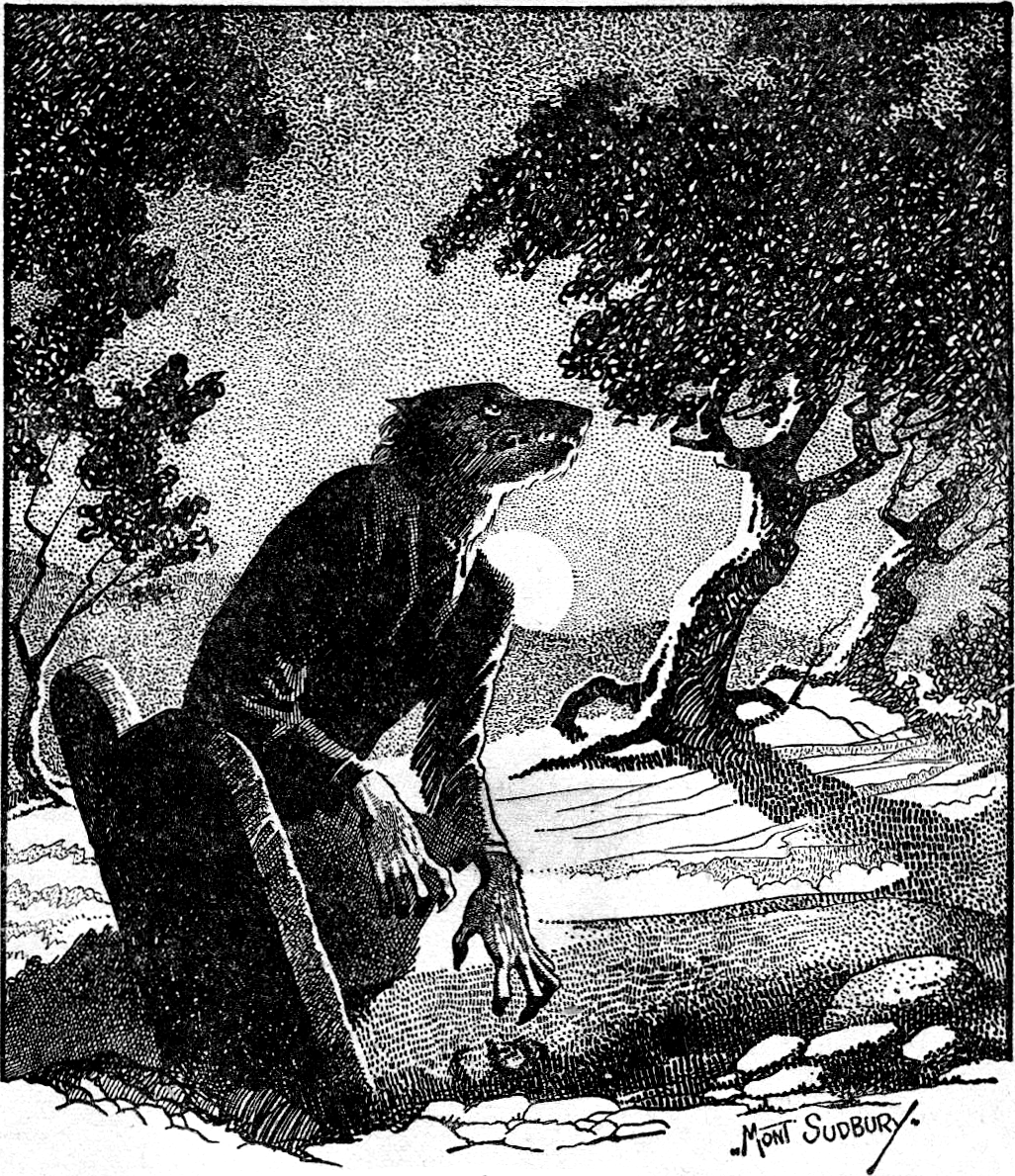 🇫🇷 France and 5 moreWerewolf
A mythical shapeshifter that turns into a wolf, central to European witch-hunts and Gothic horror.Being · Cursing and harm · Wonder and entertainment Legendary
🇫🇷 France and 5 moreWerewolf
A mythical shapeshifter that turns into a wolf, central to European witch-hunts and Gothic horror.Being · Cursing and harm · Wonder and entertainment Legendary
 🇪🇬 Egypt and 1 moreLilithלִילִית
A feminine figure from Mesopotamian and Jewish mythology, often depicted as a night demon or spirit.Being · Cursing and harm Legendary
🇪🇬 Egypt and 1 moreLilithלִילִית
A feminine figure from Mesopotamian and Jewish mythology, often depicted as a night demon or spirit.Being · Cursing and harm Legendary
 🇪🇬 EgyptCurse
A spoken wish for misfortune to befall a person or placeBelief · Cursing and harm · Luck and prosperity Historical
🇪🇬 EgyptCurse
A spoken wish for misfortune to befall a person or placeBelief · Cursing and harm · Luck and prosperity Historical