
Horse coin
In its own language: 馬錢 (mǎ qián)
from Mandarin maqian, meaning horse coin
A Chinese numismatic charm depicting horses, used as game pieces or gambling tokens
Horse coins are round Chinese charms featuring images of famous historical and mythological horses. Originating in the Tang or Song dynasty, they were likely used for board games or gambling rather than as currency.
- Round charms with a central hole, typically three centimetres wide
- Made mainly of copper, bronze, horn, or ivory
- Likely used for board games or gambling in ancient China
- Song dynasty examples are considered the highest quality
- Ferghana horse coins feature the 'sweating blood' breed
What it is
Horse coins are a specific type of Chinese numismatic charm, not circulating currency. They typically measure three centimetres in diameter with a central hole. The designs feature horses in various poses, such as sleeping, neighing, or galloping. Scholars believe these objects served as tokens for board games or gambling counters. While literary figures from past dynasties wrote about them, their exact function remains a subject of speculation among researchers today.
Where it comes from
These charms originated during the Song dynasty, though some evidence suggests an earlier start in the Tang dynasty. The finest examples come from the Song period, crafted with superior metal and detail. Later dynasties produced inferior versions. Ferghana horse coins, representing the prized 'sweating blood' breed, also date to the Song era. Yuan dynasty specimens featuring Mongolian horse armour are extremely rare and poorly understood.
How it is done
The coins are categorized into three design types based on how the imagery and inscriptions are arranged. One type shows the horse on one side and text on the other. Another places both image and text on a single side with a blank reverse. The rarest type features identical designs on both faces. In Java, artisans sometimes engraved horse coin designs onto existing cash coins like Kan'ei Tsūhō.
Tools and materials
Artisans primarily used copper and bronze to cast these charms. Rare specimens were fashioned from animal horns or ivory. The holes punched in the center often obscured details like saddles, which modern researchers note could have provided valuable insights into ancient equestrian culture if left unobstructed.
Horse coin, drawn and placed
- Living
- Revived
- Fading
- Historical
- Legendary
- Performed
- Lineage
- Chinese numismatic charms
What it is for
They were likely used as game board pieces or gambling counters. Some depict famous historical horses, such as those associated with General Yue Yi of Yan. Others feature mythological creatures like Long Ju, the dragon colt described in the Rites of Zhou. Commemorative versions celebrate specific events or legendary animals.
Who does it
Modern research is conducted by scholars and historians. Researchers Jian Ning and Wang Liyan published studies in 2002 analyzing the physical characteristics of the coins. Auction houses handle rare specimens, such as the sale of a unique Song dynasty Ferghana coin in 2017.
Peoples and places
The practice is rooted in Chinese culture, with references to famous horses in Chinese history and mythology. Mongol influences appear in Yuan dynasty coins depicting horses in typical Mongolian armour. The tradition spread to regions like Java, where local craftsmen adapted the designs onto different coin bases.
At a glance: who, where and when
Who does it

What people believe
The charms reflect a cultural appreciation for equine beauty and strength. They honor specific breeds like the Ferghana horse, known for sweating blood. Mythological elements include the dragon colt, a creature of immense height. The designs serve as tangible links to legendary figures and animals celebrated in classical texts.
How scholars and sceptics see it
Researchers categorize the coins by design and material quality. Studies focus on distinguishing Song dynasty craftsmanship from later imitations. Experts analyze the relationship between the coin holes and visible saddle details. Academic papers discuss their potential use in late imperial Chinese board games.
Compare and confuse
Horse coins differ from standard currency despite their shape. They share similarities with other numismatic charms but are distinct in their thematic focus on horses. Javanese adaptations show how the design was repurposed on circulating cash coins.
Today
Rare specimens appear at auction houses. Collectors value Song dynasty examples for their high quality. Modern newspapers and academic journals continue to publish findings on the variety and usage of these historical artifacts.
Questions people ask about Horse coin
What are horse coins?
Horse coins are Chinese numismatic charms featuring images of horses. They originated in the Tang or Song dynasty and were likely used as tokens for board games or gambling rather than as money.
How do you pronounce the name?
In Mandarin, they are called maqian or dama qian. The Ferghana variety is known as hàn xiě bǎo mǎ qián, referring to the 'sweating blood' horse breed.
What materials were they made from?
Most horse coins were cast from copper or bronze. Rare examples exist made from animal horns or ivory, showcasing the diverse materials used by ancient craftsmen.
Are there different types of designs?
Yes, there are three main types. Some show the horse on one side and text on the other. Others place both on one side. The rarest type has identical designs on both faces.
Good reading and sources
- Horse coin on WikipediaEncyclopedia
- More photos on Wikimedia CommonsPhotos and video
- Wikidata recordOpen data
The facts on this page come from the Wikipedia article "Horse coin", written by its contributors and used under the CC BY-SA 4.0 licence, and from its Wikidata record (CC0). EveryJaadu rewrote the text in its own words, with AI assistance, and compares every page with the article to make sure no passage is copied. It may be reused under the same CC BY-SA 4.0 licence with a link back.
It may contain mistakes. Names and customs differ from one community to the next, and some knowledge is closed to outsiders and left out here. This page describes belief and practice. It does not say that any of it works, it is not a how-to, and it is not medical advice. If something is wrong, tell us. Last refreshed 2026-10-06.
More from China
All the entries from China 🇨🇳 China and 5 moreJoss paper金紙
Paper burned as money and goods for ancestors, gods and the deadCharm · Speaking with spirits and the dead · Luck and prosperity Living
🇨🇳 China and 5 moreJoss paper金紙
Paper burned as money and goods for ancestors, gods and the deadCharm · Speaking with spirits and the dead · Luck and prosperity Living
 🇨🇳 China and 5 moreChinese guardian lions石獅 (shíshī)
Stone lion pairs placed at entrances to ward off harm and welcome fortuneCharm · Protection · Luck and prosperity Living
🇨🇳 China and 5 moreChinese guardian lions石獅 (shíshī)
Stone lion pairs placed at entrances to ward off harm and welcome fortuneCharm · Protection · Luck and prosperity Living
 🇨🇳 China and 1 moreFulu符籙
Taoist talismans with cryptic symbols used for healing and protectionCharm · Healing · Protection Living
🇨🇳 China and 1 moreFulu符籙
Taoist talismans with cryptic symbols used for healing and protectionCharm · Healing · Protection Living
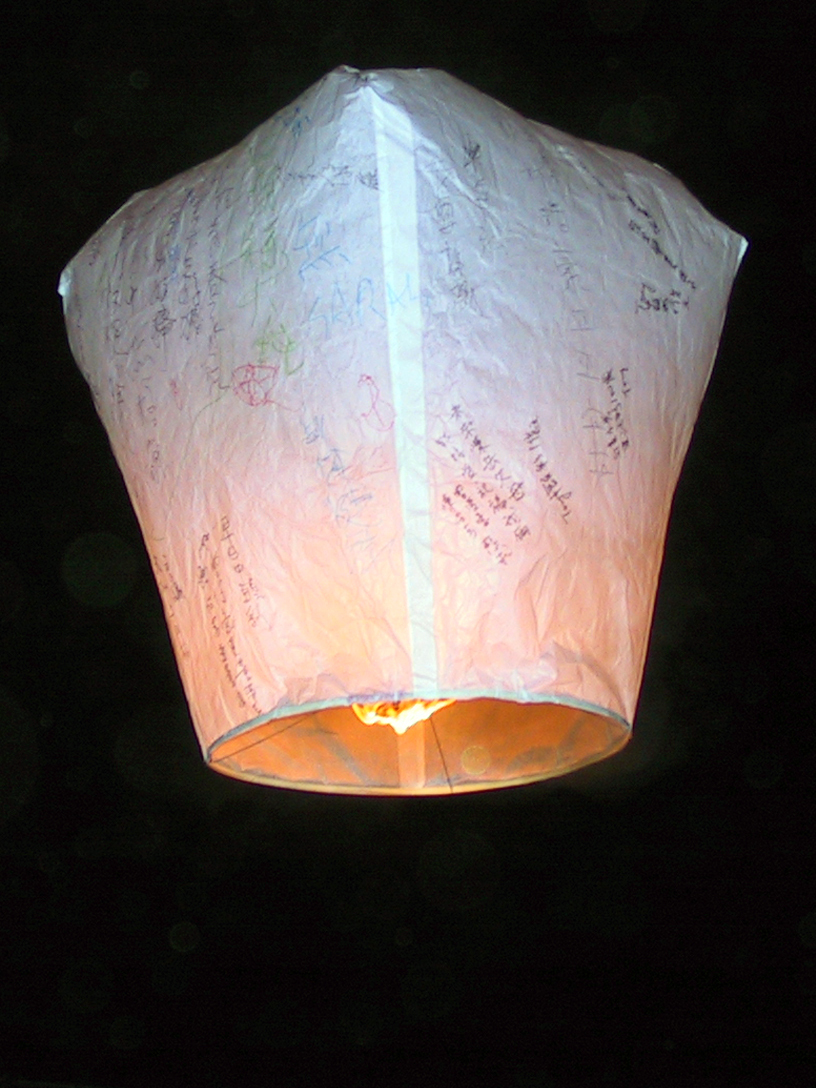 🇨🇳 China and 5 moreSky lantern天燈
A paper hot air balloon lifted by flame to carry wishes and blessingsRite · Luck and prosperity · Protection Living
🇨🇳 China and 5 moreSky lantern天燈
A paper hot air balloon lifted by flame to carry wishes and blessingsRite · Luck and prosperity · Protection Living
Related elsewhere
All charm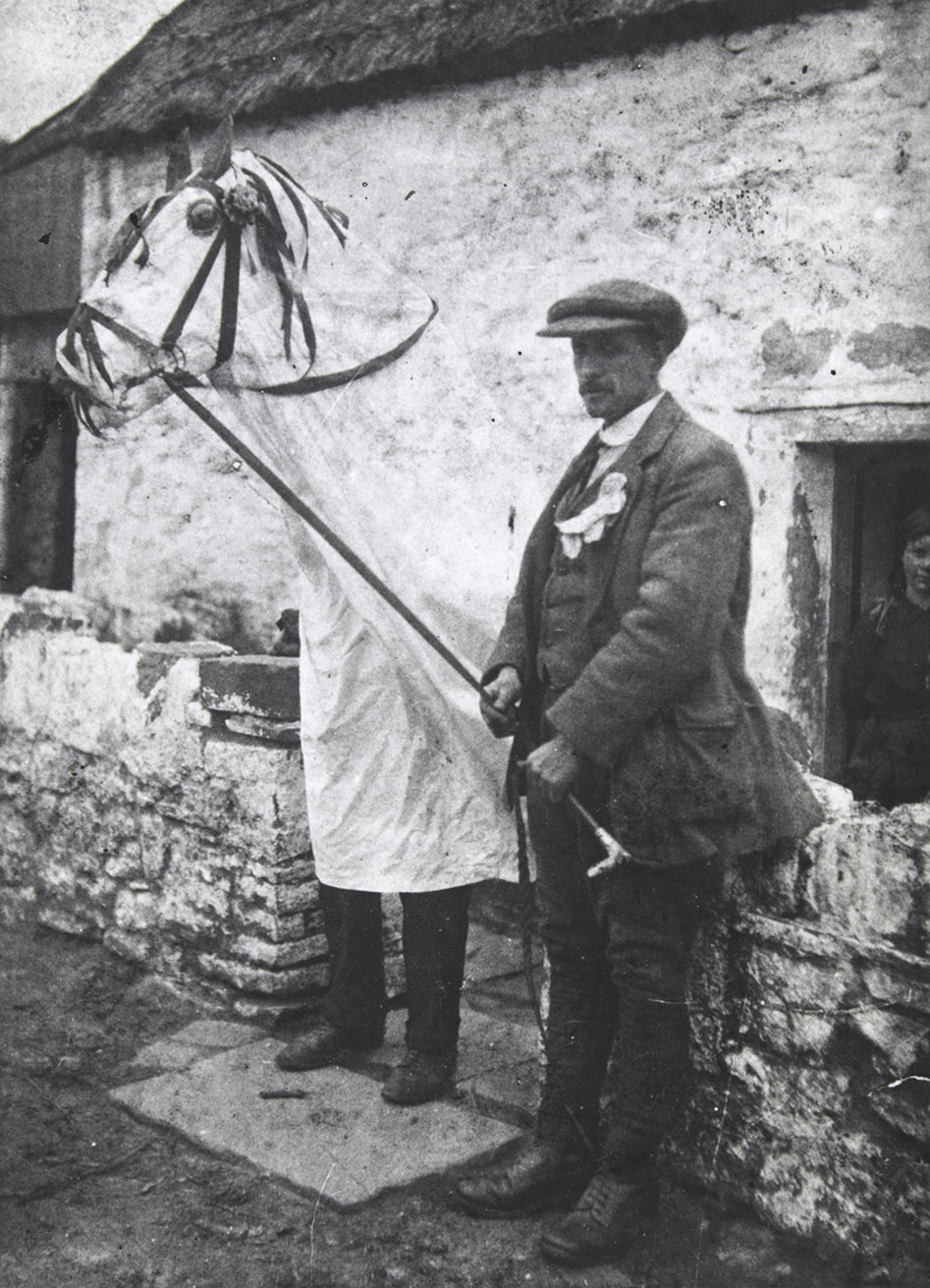 🇬🇧 United KingdomMari LwydY Fari Lwyd
A Welsh winter custom featuring a horse skull carried through villages for song and hospitality.Rite · Luck and prosperity · Wonder and entertainment Revived
🇬🇧 United KingdomMari LwydY Fari Lwyd
A Welsh winter custom featuring a horse skull carried through villages for song and hospitality.Rite · Luck and prosperity · Wonder and entertainment Revived
 🇮🇪 Ireland and 5 moreCairn
A human-made stack of stones used as a marker, memorial, or religious symbol across many cultures.Tradition · Protection · Speaking with spirits and the dead Living
🇮🇪 Ireland and 5 moreCairn
A human-made stack of stones used as a marker, memorial, or religious symbol across many cultures.Tradition · Protection · Speaking with spirits and the dead Living
 🇷🇺 Russia and 3 moreFirebird
A glowing bird of Slavic folklore that brings both fortune and peril to those who seek itFigure · Wonder and entertainment · Luck and prosperity Legendary
🇷🇺 Russia and 3 moreFirebird
A glowing bird of Slavic folklore that brings both fortune and peril to those who seek itFigure · Wonder and entertainment · Luck and prosperity Legendary
 🇩🇪 Germany and 5 moreStraw bearStrohbär
A carnival figure wrapped in straw that visits homes for gifts and marks the turning of seasons.Tradition · Luck and prosperity · Cursing and harm Living
🇩🇪 Germany and 5 moreStraw bearStrohbär
A carnival figure wrapped in straw that visits homes for gifts and marks the turning of seasons.Tradition · Luck and prosperity · Cursing and harm Living