Gwisin
In its own language: 귀신
from Korean gui, spirit, and sin, god or deity
A Korean ghost of a human who died, lingering to finish unfinished business.
In Korean folklore, gwisin are spirits or ghosts of people who have passed away. They remain on earth when they hold strong ties to the living, such as a desire for revenge or care for family, before moving to the underworld.
- Gwisin are spirits of dead humans in Korean folklore.
- They linger to complete tasks like revenge or caring for family.
- Strainers hung above doors are used to ward them off.
- Cheonyeo-gwisin are unmarried women in white funeral robes.
- Mul-gwisin are drowning spirits blamed for pulling people into water.
What it is
Gwisin are spirits in Korean folklore that belong to humans after death. They are often grouped with other supernatural beings like yogoe or mamul. Unlike dokkaebi, which are distinct creatures, gwisin are specifically former people. They are believed to wander the world until their earthly duties are done.
Where it comes from
The concept comes from traditional Korean beliefs about the afterlife. When a person dies with unresolved issues, their spirit does not immediately leave. These ties can be love for family or a need for vengeance. The spirit stays on earth to complete these tasks before entering the underworld.
How it is done
Legends describe various forms of gwisin based on how they died. Cheonyeo-gwisin are unmarried women in white funeral robes. Chonggak-gwisin are unmarried men. Mul-gwisin are those who drowned. Won-han gwisin died unjustly. Yuk-gwisin were murdered. Ja-sa gwisin took their own lives. Each type has specific traits and stories attached to it.
Tools and materials
To protect homes from gwisin, people hang strainers above doors. Another method involves burning a strand of hair and scattering the ashes around the courtyard. These actions are meant to ward off the spirits and prevent them from causing harm or lingering near the living.
Gwisin, drawn and placed
- Living
- Revived
- Fading
- Historical
- Legendary
- Performed
- Lineage
- Korean shamanism
- Timing
- after death
What it is for
Gwisin are often associated with revenge or unfinished business. Some legends tell of spirits seeking justice for their families or punishing those who wronged them. Others may linger out of loneliness or jealousy, sometimes dragging people into water. They represent the power of unresolved emotions after death.
Who does it
Scholars study gwisin as part of Korean folklore and shamanism. Writers and filmmakers also explore these spirits in modern media. Horror movies like Whispering Corridors popularized the image of school ghosts. These stories help teach moral lessons or simply entertain audiences with tales of the supernatural.
Peoples and places
Gwisin are central to Korean cultural narratives. Different types reflect social anxieties about marriage, violence, and suicide. The cheonyeo-gwisin highlights pressures on women, while the mul-gwisin reflects fears of water. These variations show how communities interpret death and the afterlife through specific character archetypes.
At a glance: who, where and when
Peoples
What people believe
Korean tradition holds that spirits are bound by their final emotions. Unresolved anger or love keeps them tethered to the physical world. This belief underscores the importance of proper burial rites and resolving conflicts before death. It reflects a worldview where the boundary between life and death is permeable.
When it is done
There are no specific festivals tied to gwisin. They appear whenever someone dies with unfinished business. Their presence is linked to individual deaths rather than seasonal cycles. Stories about them are told year-round, especially to children as cautionary tales or to scare others.
How scholars and sceptics see it
Researchers view gwisin as reflections of social values and fears. Anthropologists note how these spirits enforce moral behavior. Historians trace their origins to ancient shamanic practices. Modern scholars analyze how gwisin stories evolve in literature and film, showing changing attitudes toward death and justice in Korean society.
Cautions and what is closed
Some gwisin are believed to cause harm. Mul-gwisin may drag people into water. Spirits seeking revenge can bring misfortune to those who wronged them. Communities use protective rituals to keep these entities at bay. Ignoring these warnings was traditionally seen as inviting danger into the home.
Compare and confuse
Gwisin are similar to ghosts in other cultures but have unique Korean characteristics. They differ from dokkaebi, which are not human spirits. They share traits with Japanese yurei and Chinese jiangshi but follow distinct Korean narrative rules. The focus on specific death types makes them a detailed category of supernatural beings.
Questions people ask about Gwisin
What is a gwisin?
A gwisin is a ghost or spirit in Korean folklore belonging to a human who has died. They are believed to remain on earth if they have unfinished business, such as seeking revenge or caring for loved ones, before moving to the underworld.
How do you protect against gwisin?
Traditionally, people hang a strainer above their house entrance to prevent gwisin from entering. Another method involves burning a strand of hair and scattering the ashes around the courtyard to ward off these spirits.
What are the different types of gwisin?
Types include cheonyeo-gwisin (unmarried women), chonggak-gwisin (unmarried men), mul-gwisin (drowned spirits), won-han gwisin (those who died unjustly), yuk-gwisin (murder victims), and ja-sa gwisin (suicides).
Are gwisin the same as dokkaebi?
No. Gwisin are spirits of deceased humans. Dokkaebi are a different type of supernatural being in Korean folklore, often depicted as goblins or ogres, and are not considered former people.
Good reading and sources
The facts on this page come from the Wikipedia article "Gwisin", written by its contributors and used under the CC BY-SA 4.0 licence, and from its Wikidata record (CC0). EveryJaadu rewrote the text in its own words, with AI assistance, and compares every page with the article to make sure no passage is copied. It may be reused under the same CC BY-SA 4.0 licence with a link back.
It may contain mistakes. Names and customs differ from one community to the next, and some knowledge is closed to outsiders and left out here. This page describes belief and practice. It does not say that any of it works, it is not a how-to, and it is not medical advice. If something is wrong, tell us. Last refreshed 2026-10-06.
More from South Korea
All the entries from South Korea 🇨🇳 China and 3 moreQilin麒麟
A legendary chimerical creature from Chinese mythology that signals the arrival or death of a sage.Being · Power and authority Legendary
🇨🇳 China and 3 moreQilin麒麟
A legendary chimerical creature from Chinese mythology that signals the arrival or death of a sage.Being · Power and authority Legendary
 🇰🇷 South KoreaJeoseung Saja저승사자
A Korean psychopomp who escorts the dead to the afterlife.Being · Speaking with spirits and the dead Living
🇰🇷 South KoreaJeoseung Saja저승사자
A Korean psychopomp who escorts the dead to the afterlife.Being · Speaking with spirits and the dead Living
 🇨🇳 China and 2 moreXiezhi獬豸
A one-horned beast from East Asia that separates the guilty from the innocentBeing · Cursing and harm · Protection Legendary
🇨🇳 China and 2 moreXiezhi獬豸
A one-horned beast from East Asia that separates the guilty from the innocentBeing · Cursing and harm · Protection Legendary
 🇨🇳 China and 3 moreFenghuang鳳凰 (fènghuáng)
A mythological bird symbolizing virtue and imperial harmony in East Asian cultureBeing · Power and authority · Love and attraction Legendary
🇨🇳 China and 3 moreFenghuang鳳凰 (fènghuáng)
A mythological bird symbolizing virtue and imperial harmony in East Asian cultureBeing · Power and authority · Love and attraction Legendary
Related elsewhere
All being 🇫🇷 FranceLady of the LakeDame du Lac
A water spirit who raises knights and captures wizards in Arthurian talesFigure · Protection · Cursing and harm Legendary
🇫🇷 FranceLady of the LakeDame du Lac
A water spirit who raises knights and captures wizards in Arthurian talesFigure · Protection · Cursing and harm Legendary
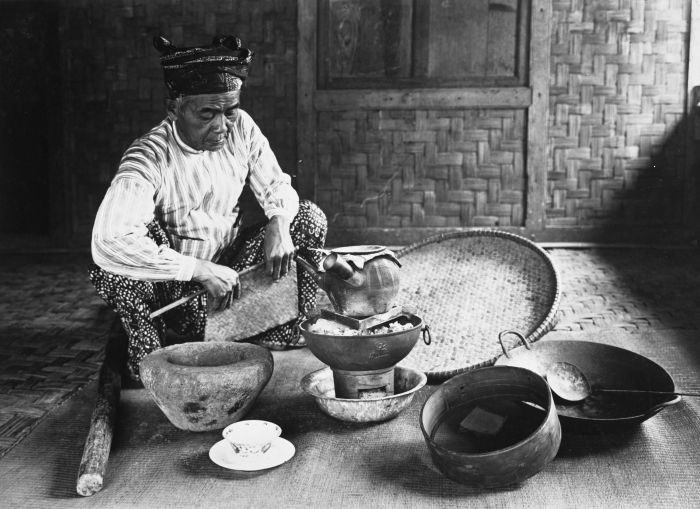 🇮🇩 Indonesia and 2 moreDukun
A traditional healer and spirit medium in Indonesian folk practiceTradition · Healing · Seeing and foretelling Living
🇬🇧 United KingdomGlaistig
A Scottish shape-shifting spirit linked to cattle, deer, and haunted castles.Being · Protection · Cursing and harm Legendary
🇮🇩 Indonesia and 2 moreDukun
A traditional healer and spirit medium in Indonesian folk practiceTradition · Healing · Seeing and foretelling Living
🇬🇧 United KingdomGlaistig
A Scottish shape-shifting spirit linked to cattle, deer, and haunted castles.Being · Protection · Cursing and harm Legendary
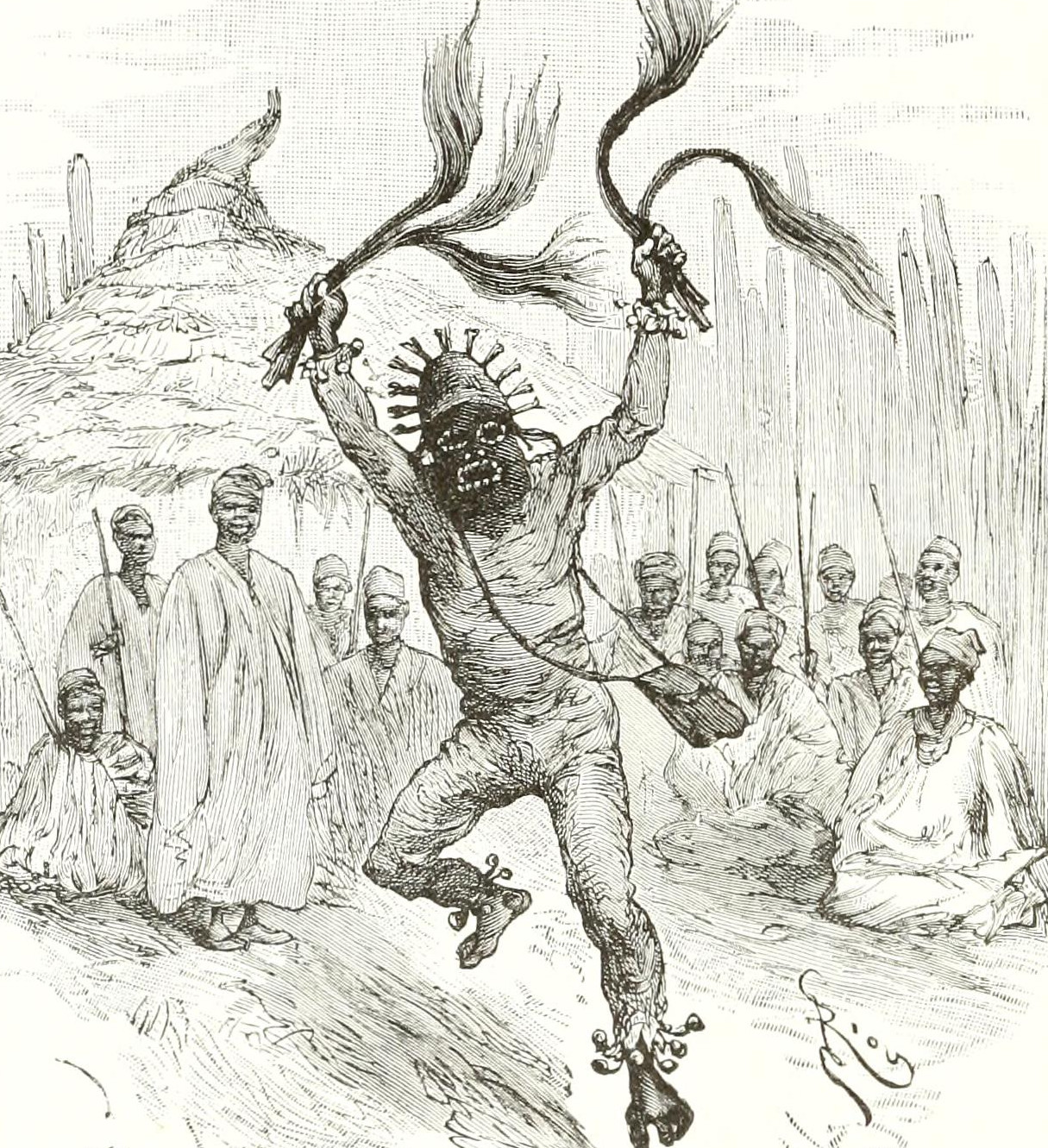 🇺🇸 United States and 2 moreLouisiana Voodoo
An African diasporic religion practiced in Louisiana from the 18th to early 20th centuriesTradition · Healing · Protection Historical
🇺🇸 United States and 2 moreLouisiana Voodoo
An African diasporic religion practiced in Louisiana from the 18th to early 20th centuriesTradition · Healing · Protection Historical