Magic in East Asia
Taoist talismans, the I Ching and feng shui, onmyodo and the omamori, and the mudang of Korea. 195 entries on EveryJaadu so far.
Places of magic
Beijing 3Kyoto 3Mount Tai 3Asakusa 2Mount Ōmine 2Mukden 2Nagano Prefecture 2Sendai 2Shikoku 2Shimane Prefecture 2Akita 1Amoy 1Anyang 1Aomori prefecture 1Asagaya 1Beijing Dongyue Temple 1Beijing tangse 1Bodai-ji 1Chittagong 1Chu kingdom 1Donggang 1Donglong Temple 1Dōtonbori River 1Dragon Springs 1Edo 1Eight Immortals Palace 1Eternal Joy Temple 1Fengdu 1Forbidden City 1Fudarakusan-ji 1
Rites of the region
Writing and burning a fu talismanJoss paper and the Hungry Ghost offeringKau cim and jiaobeiThe I Ching and the yarrow stalksFeng shui placementSetsubun bean-throwingHarai, the Shinto rite of purificationOmamori and ofuda renewalOmikuji fortune slipsGut, the Korean shaman rite
Countries
PurposeProtectionHealingSeeing and foretellingLuck and prosperityLove and attractionCursing and harmCleansing and purificationSpeaking with spirits and the deadChange and initiationBinding and oathsPower and authorityWonder and entertainment
WhoShamansFolk healersPriests and ritual specialistsWitches, sorcerers and cunning folkDiviners and readersMediums and the possessedCeremonial magicians and alchemistsHouseholds and ordinary peopleStage magiciansScholars and sceptics
BeliefHindu and TantricBuddhistJainMuslim and SufiJewishChristianSikhZoroastrianShinto and TaoistIndigenous and shamanicAfrican and Afro-diasporicPagan and NeopaganEsoteric and occultFolk and village customSecular and stageOther traditions
 🇨🇳 China and 3 moreChinese dragon龍
A legendary water deity and imperial symbol in East Asian cultureBeing · Protection · Luck and prosperity Historical
🇨🇳 China and 3 moreChinese dragon龍
A legendary water deity and imperial symbol in East Asian cultureBeing · Protection · Luck and prosperity Historical
 🇯🇵 Japan and 2 moreTamamo-no-Mae玉藻前
A nine-tailed fox spirit from Japanese legend who possessed emperors and concubines across Asia.Figure · Cursing and harm · Power and authority Legendary
🇯🇵 Japan and 2 moreTamamo-no-Mae玉藻前
A nine-tailed fox spirit from Japanese legend who possessed emperors and concubines across Asia.Figure · Cursing and harm · Power and authority Legendary
 🇨🇳 China and 2 moreXiezhi獬豸
A one-horned beast from East Asia that separates the guilty from the innocentBeing · Cursing and harm · Protection Legendary
🇨🇳 ChinaZhang Jue張角
A Taoist leader who used healing magic to spark a major rebellion in ancient China.Figure · Healing · Power and authority Historical
🇨🇳 China and 1 moreChing Ling Foo金陵福 (Jīn Língfú)
A Chinese stage magician who toured the United States and Europe in the late nineteenth centuryIllusion · Wonder and entertainment Historical
🇨🇳 China and 2 moreXiezhi獬豸
A one-horned beast from East Asia that separates the guilty from the innocentBeing · Cursing and harm · Protection Legendary
🇨🇳 ChinaZhang Jue張角
A Taoist leader who used healing magic to spark a major rebellion in ancient China.Figure · Healing · Power and authority Historical
🇨🇳 China and 1 moreChing Ling Foo金陵福 (Jīn Língfú)
A Chinese stage magician who toured the United States and Europe in the late nineteenth centuryIllusion · Wonder and entertainment Historical
 🇯🇵 JapanEn no Gyōja役小角
A legendary Japanese ascetic and founder of Shugendō mountain practiceFigure · Power and authority · Protection Historical
🇨🇳 ChinaChen Tuan陳摶
A Chinese Taoist sage known for internal arts and sleep cultivation methodsFigure · Healing · Power and authority Historical
🇯🇵 JapanEn no Gyōja役小角
A legendary Japanese ascetic and founder of Shugendō mountain practiceFigure · Power and authority · Protection Historical
🇨🇳 ChinaChen Tuan陳摶
A Chinese Taoist sage known for internal arts and sleep cultivation methodsFigure · Healing · Power and authority Historical
 🇯🇵 JapanHyakki Yagyō百鬼夜行
A Japanese folklore concept of a night parade of supernatural creaturesBelief · Cursing and harm Legendary
🇯🇵 JapanHyakki Yagyō百鬼夜行
A Japanese folklore concept of a night parade of supernatural creaturesBelief · Cursing and harm Legendary
 🇯🇵 JapanHyakumonogatari Kaidankai百物語怪談会
An Edo period Japanese parlour game where ghost stories extinguish candles one by oneRite · Cursing and harm · Wonder and entertainment Historical
🇯🇵 JapanHyakumonogatari Kaidankai百物語怪談会
An Edo period Japanese parlour game where ghost stories extinguish candles one by oneRite · Cursing and harm · Wonder and entertainment Historical
 🇯🇵 Japan and 1 moreMisogi禊
A Shinto rite of full-body purification using cold waterRite · Cleansing and purification · Speaking with spirits and the dead Living
🇯🇵 Japan and 1 moreMisogi禊
A Shinto rite of full-body purification using cold waterRite · Cleansing and purification · Speaking with spirits and the dead Living
 🇨🇳 China and 5 moreTetraphobia
The avoidance of the number four due to its similarity to the word for death in East Asian languagesBelief · Luck and prosperity Living
🇨🇳 China and 5 moreTetraphobia
The avoidance of the number four due to its similarity to the word for death in East Asian languagesBelief · Luck and prosperity Living
 🇰🇷 South Korea and 1 moreKorean shamanismKorean shamanism (Korean: Korean shamanism)
A traditional practice of ritual specialists who mediate between the human and spirit worlds.Tradition · Healing · Protection Living
🇰🇷 South Korea and 1 moreKorean shamanismKorean shamanism (Korean: Korean shamanism)
A traditional practice of ritual specialists who mediate between the human and spirit worlds.Tradition · Healing · Protection Living
 🇯🇵 JapanOfudaお札/御札 (ofuda)
Paper and wooden talismans from Japanese Shinto shrines and Buddhist templesCharm · Protection · Cleansing and purification Living
🇯🇵 JapanOfudaお札/御札 (ofuda)
Paper and wooden talismans from Japanese Shinto shrines and Buddhist templesCharm · Protection · Cleansing and purification Living
 🇯🇵 JapanShinto shrine神社 (jinja)
A structure housing kami deities within the Shinto tradition of JapanTradition · Protection · Speaking with spirits and the dead Living
🇯🇵 JapanShinto shrine神社 (jinja)
A structure housing kami deities within the Shinto tradition of JapanTradition · Protection · Speaking with spirits and the dead Living
 🇨🇳 China and 2 moreJiang Ziya姜子牙
A historical strategist and war god who helped establish the Zhou dynastyFigure · Power and authority · Cursing and harm Historical
🇨🇳 China and 2 moreJiang Ziya姜子牙
A historical strategist and war god who helped establish the Zhou dynastyFigure · Power and authority · Cursing and harm Historical
 🇯🇵 JapanInugami犬神
A Japanese spirit of dog possession and folk sorceryBelief · Cursing and harm · Power and authority Historical
🇯🇵 JapanInugami犬神
A Japanese spirit of dog possession and folk sorceryBelief · Cursing and harm · Power and authority Historical
 🇨🇳 ChinaNeidan内丹
A Taoist practice using the body as a cauldron to refine inner energies for longevity and immortalityTradition · Healing · Power and authority Living
🇨🇳 ChinaNeidan内丹
A Taoist practice using the body as a cauldron to refine inner energies for longevity and immortalityTradition · Healing · Power and authority Living
 🇨🇳 ChinaWaidan外丹
An early Chinese alchemical practice focused on compounding mineral elixirs for immortalityTradition Historical
🇨🇳 ChinaWaidan外丹
An early Chinese alchemical practice focused on compounding mineral elixirs for immortalityTradition Historical
 🇰🇷 South Korea and 3 moreKorean shamanism무속
A Korean folk religion centered on ritual specialists who mediate between humans and spiritsTradition · Protection · Healing Living
🇫🇷 France and 3 moreBardo Thodolབར་དོ་ཐོས་གྲོལ (bar do thos grol)
A Tibetan Buddhist guide for navigating the intermediate state between death and rebirth.Text Living
🇰🇷 South Korea and 3 moreKorean shamanism무속
A Korean folk religion centered on ritual specialists who mediate between humans and spiritsTradition · Protection · Healing Living
🇫🇷 France and 3 moreBardo Thodolབར་དོ་ཐོས་གྲོལ (bar do thos grol)
A Tibetan Buddhist guide for navigating the intermediate state between death and rebirth.Text Living
 🇨🇳 ChinaLan Caihe藍采和
An ambiguous Taoist immortal known for a flower basket and wandering songsBeing · Wonder and entertainment Legendary
🇨🇳 ChinaLan Caihe藍采和
An ambiguous Taoist immortal known for a flower basket and wandering songsBeing · Wonder and entertainment Legendary
 🇨🇳 China and 5 moreKau chim求籤
A divination practice using numbered bamboo sticks to seek answers from deitiesOracle · Seeing and foretelling · Power and authority Living
🇨🇳 China and 5 moreKau chim求籤
A divination practice using numbered bamboo sticks to seek answers from deitiesOracle · Seeing and foretelling · Power and authority Living
 🇯🇵 JapanOni鬼(おに)
A horned demon of Japanese folklore known for strength and evil deedsBeing · Cursing and harm · Luck and prosperity Legendary
🇯🇵 JapanOni鬼(おに)
A horned demon of Japanese folklore known for strength and evil deedsBeing · Cursing and harm · Luck and prosperity Legendary
 🇨🇳 China and 3 moreTang-ki童乩 (tóngjī); 乩童 (jītóng)
A Chinese folk-religion medium whose body a deity is held to take overTradition · Speaking with spirits and the dead · Seeing and foretelling Living
🇨🇳 China and 3 moreTang-ki童乩 (tóngjī); 乩童 (jītóng)
A Chinese folk-religion medium whose body a deity is held to take overTradition · Speaking with spirits and the dead · Seeing and foretelling Living
 🇯🇵 JapanGazu Hyakki Yagyō画図百鬼夜行
A 1776 Japanese woodblock book of yōkai illustrations by Toriyama SekienText · Wonder and entertainment Historical
🇯🇵 JapanGazu Hyakki Yagyō画図百鬼夜行
A 1776 Japanese woodblock book of yōkai illustrations by Toriyama SekienText · Wonder and entertainment Historical
 🇨🇳 ChinaZhang Guolao张果老
A Taoist immortal known for his white donkey and fish drum, said to be a bat spirit.Figure · Protection · Luck and prosperity Legendary
🇨🇳 China and 4 moreKitchen God灶君
The Chinese hearth deity who reports domestic conduct to the Jade EmperorBeing · Protection · Luck and prosperity Living
🇨🇳 ChinaZhang Guolao张果老
A Taoist immortal known for his white donkey and fish drum, said to be a bat spirit.Figure · Protection · Luck and prosperity Legendary
🇨🇳 China and 4 moreKitchen God灶君
The Chinese hearth deity who reports domestic conduct to the Jade EmperorBeing · Protection · Luck and prosperity Living
 🇨🇳 China and 1 moreMoon blocks筊杯
Two crescent blocks thrown to a deity for a yes or noOracle · Seeing and foretelling Living
🇨🇳 China and 1 moreMoon blocks筊杯
Two crescent blocks thrown to a deity for a yes or noOracle · Seeing and foretelling Living
 🇲🇳 Mongolia and 1 moreTsagaan SarЦагаан сар
A Mongol lunisolar new year marked by white clothes and dairy feastsTradition · Luck and prosperity · Speaking with spirits and the dead Living
🇯🇵 JapanKitsunetsuki狐憑き
A Japanese folk belief in which a fox spirit enters and controls a human host.Belief · Cursing and harm · Speaking with spirits and the dead Historical
🇲🇳 Mongolia and 1 moreTsagaan SarЦагаан сар
A Mongol lunisolar new year marked by white clothes and dairy feastsTradition · Luck and prosperity · Speaking with spirits and the dead Living
🇯🇵 JapanKitsunetsuki狐憑き
A Japanese folk belief in which a fox spirit enters and controls a human host.Belief · Cursing and harm · Speaking with spirits and the dead Historical
 🇨🇳 ChinaCao Guojiu曹國舅
A Taoist immortal who abandoned his court career to help the poor and learn magic.Figure · Power and authority Legendary
🇯🇵 JapanJorōgumo絡新婦 (kanji), じょろうぐも (hiragana)
A shapeshifting spider yōkai of Japanese folklore that lures victims with human guise.Being · Cursing and harm Legendary
🇨🇳 ChinaCao Guojiu曹國舅
A Taoist immortal who abandoned his court career to help the poor and learn magic.Figure · Power and authority Legendary
🇯🇵 JapanJorōgumo絡新婦 (kanji), じょろうぐも (hiragana)
A shapeshifting spider yōkai of Japanese folklore that lures victims with human guise.Being · Cursing and harm Legendary
 🇨🇳 China and 5 moreGuanyin觀音 (Guānyīn)
The Bodhisattva of compassion, worshipped across East Asia as a listener to human sufferingBeing · Protection · Healing Living
🇯🇵 JapanKuda-gitsune管狐 (kuda-gitsune)
A small spirit kept in a tube or sleeve to aid fortune-telling and cursing in Japanese folklore.Being · Seeing and foretelling · Cursing and harm Legendary
🇯🇵 JapanIttan-momen一反木綿
A flying cloth yōkai from Japanese folklore that warns children to stay indoors at nightBeing · Cursing and harm Legendary
🇨🇳 China and 5 moreGuanyin觀音 (Guānyīn)
The Bodhisattva of compassion, worshipped across East Asia as a listener to human sufferingBeing · Protection · Healing Living
🇯🇵 JapanKuda-gitsune管狐 (kuda-gitsune)
A small spirit kept in a tube or sleeve to aid fortune-telling and cursing in Japanese folklore.Being · Seeing and foretelling · Cursing and harm Legendary
🇯🇵 JapanIttan-momen一反木綿
A flying cloth yōkai from Japanese folklore that warns children to stay indoors at nightBeing · Cursing and harm Legendary
 🇯🇵 JapanBaku獏
A Japanese spirit said to eat bad dreams and protect sleepersBeing · Protection Living
🇨🇳 China and 3 moreQi氣 / 气
A vital force in Chinese philosophy and medicine, believed to flow through all living things.Substance · Healing · Power and authority Living
🇯🇵 JapanBaku獏
A Japanese spirit said to eat bad dreams and protect sleepersBeing · Protection Living
🇨🇳 China and 3 moreQi氣 / 气
A vital force in Chinese philosophy and medicine, believed to flow through all living things.Substance · Healing · Power and authority Living
 🇯🇵 JapanOnmyōdō陰陽道
A Japanese system of divination and calendar science rooted in yin-yang philosophyTradition · Seeing and foretelling · Protection Revived
🇯🇵 JapanOnmyōdō陰陽道
A Japanese system of divination and calendar science rooted in yin-yang philosophyTradition · Seeing and foretelling · Protection Revived
 🇨🇳 ChinaChinese alchemy煉丹術
A Taoist pursuit of longevity through elixirs and internal cultivationTradition · Healing · Speaking with spirits and the dead Historical
🇨🇳 ChinaChinese alchemy煉丹術
A Taoist pursuit of longevity through elixirs and internal cultivationTradition · Healing · Speaking with spirits and the dead Historical
 🇨🇳 China and 2 moreEight Immortals八仙
Eight legendary Taoist figures of China, each with a power and a vesselFigure · Protection · Healing Living
🇨🇳 China and 2 moreEight Immortals八仙
Eight legendary Taoist figures of China, each with a power and a vesselFigure · Protection · Healing Living
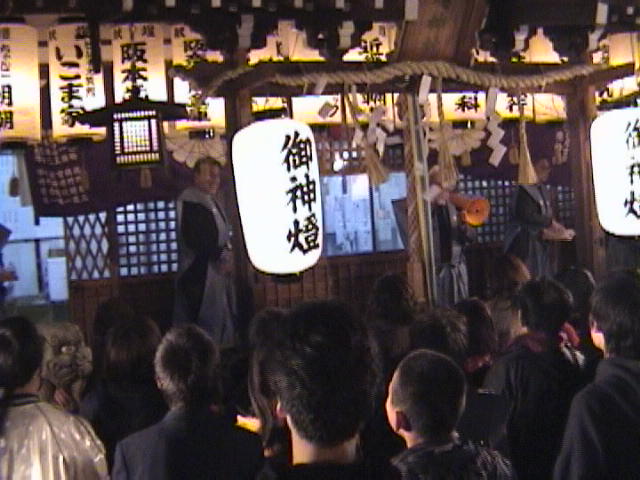 🇯🇵 JapanSetsubun節分
A Japanese seasonal rite to drive away bad luck and welcome spring with roasted beansRite · Protection · Luck and prosperity Living
🇯🇵 JapanSetsubun節分
A Japanese seasonal rite to drive away bad luck and welcome spring with roasted beansRite · Protection · Luck and prosperity Living
 🇯🇵 JapanOmikujiおみくじ
Paper fortunes drawn at Japanese shrines and temples to reveal luck and life adviceOracle · Seeing and foretelling · Luck and prosperity Living
🇯🇵 JapanOmikujiおみくじ
Paper fortunes drawn at Japanese shrines and temples to reveal luck and life adviceOracle · Seeing and foretelling · Luck and prosperity Living
 🇨🇳 China and 1 moreFulu符籙
Taoist talismans with cryptic symbols used for healing and protectionCharm · Healing · Protection Living
🇨🇳 ChinaGu蛊
A venom-based poison and black magic practice from south ChinaSubstance · Cursing and harm · Luck and prosperity Historical
🇨🇳 China and 1 moreFulu符籙
Taoist talismans with cryptic symbols used for healing and protectionCharm · Healing · Protection Living
🇨🇳 ChinaGu蛊
A venom-based poison and black magic practice from south ChinaSubstance · Cursing and harm · Luck and prosperity Historical
 🇨🇳 China and 5 moreGhost FestivalZhongyuan Festival; Yulanpen Festival
A festival to feed wandering spirits and guide them home during the seventh lunar month.Tradition · Speaking with spirits and the dead · Protection Living
🇨🇳 China and 5 moreGhost FestivalZhongyuan Festival; Yulanpen Festival
A festival to feed wandering spirits and guide them home during the seventh lunar month.Tradition · Speaking with spirits and the dead · Protection Living
 🇨🇳 China and 5 moreJoss paper金紙
Paper burned as money and goods for ancestors, gods and the deadCharm · Speaking with spirits and the dead · Luck and prosperity Living
🇨🇳 China and 5 moreJoss paper金紙
Paper burned as money and goods for ancestors, gods and the deadCharm · Speaking with spirits and the dead · Luck and prosperity Living
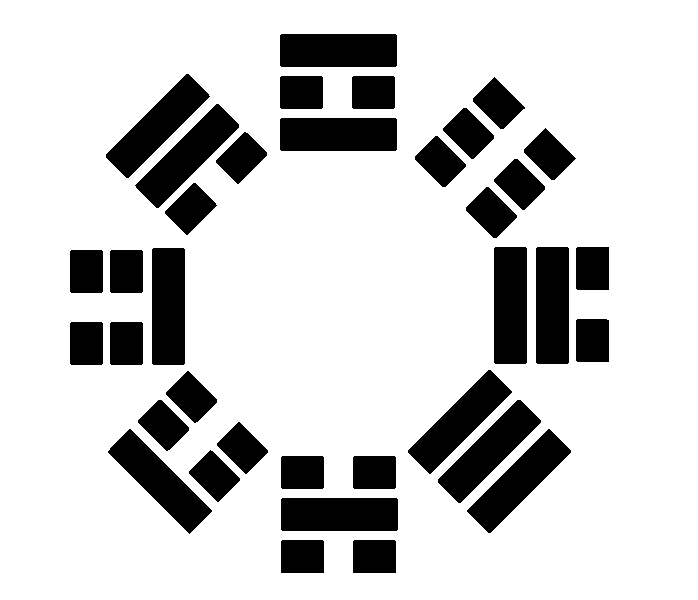 🇨🇳 China and 1 moreBagua八卦
A set of eight trigram symbols from China used in divination, cosmology, and feng shui.Tradition · Seeing and foretelling · Protection Living
🇨🇳 China and 1 moreBagua八卦
A set of eight trigram symbols from China used in divination, cosmology, and feng shui.Tradition · Seeing and foretelling · Protection Living
 🇨🇳 China and 1 moreLuoshu Square洛書
An ancient Chinese three-by-three magic square linked to geomancy and numerologyTradition · Power and authority · Wonder and entertainment Historical
🇨🇳 China and 1 moreLuoshu Square洛書
An ancient Chinese three-by-three magic square linked to geomancy and numerologyTradition · Power and authority · Wonder and entertainment Historical
Photo credits on this page
The small pictures above come from Wikimedia Commons under free licences. Some are cropped to fit.
- Guanyin: JL Cogburn, CC BY-SA 2.0, source
- Tang-ki: Bunkichi Chang, CC BY 2.0, source
- Eight Immortals: Fanghong, CC BY-SA 3.0, source
- Lan Caihe: Internet Archive Book Images, No restrictions, source
- Luoshu Square: An unknown Tibetan artist, Public domain, source
- Gazu Hyakki Yagyō: Toriyama Sekien, Public domain, source
- Tsagaan Sar: User:Chinneeb, CC BY-SA 3.0, source
- Chinese dragon: Unknown author, CC0, source
- Baku: Momotarou2012, CC BY-SA 3.0, source
- Onmyōdō: Unknown author, Public domain, source
- Chinese alchemy: 尹真人, Public domain, source
- Omikuji: C121749n, Public domain, source
- Fulu: Youle26, CC BY-SA 4.0, source
- Ghost Festival: Chong Fat, CC BY-SA 3.0, source
- Joss paper: Vmenkov, CC BY-SA 3.0, source
- Bagua: TarcísioTS at Portuguese Wikipedia, Public domain, source
- Zhang Guolao: Hong Zicheng, Public domain, source
- Moon blocks: Hsiung/d6478coke, CC BY 2.0, source
- Kau chim: No machine-readable author provided. 9old9 assumed (based on copyright, Public domain, source
- Oni: Katsushika Hokusai 葛飾北斎 (1760-1849), Public domain, source
- Setsubun: Unknown author, CC BY-SA 3.0, source
- Misogi: Ds13 at English Wikipedia, CC BY-SA 3.0, source
- Shinto shrine: No machine-readable author provided. Fg2 assumed (based on copyright c, Public domain, source
- Ofuda: 教派研究 (Sectarian research), CC BY-SA 3.0, source
- Korean shamanism: Hyewon Shin Yun-bok (申潤福: 1758-early 19th century) (혜원 신윤복 (申潤福: 1758-, Public domain, source
- Korean shamanism: Steve46814, CC BY-SA 4.0, source
- Inugami: Sawaki Suushi (佐脇嵩之, Japanese, *1707, †1772), Public domain, source
- Tetraphobia: Halowand, CC BY-SA 3.0, source
- Xiezhi: Carty239 at English Wikipedia, Public domain, source
- Neidan: A16898, CC BY-SA 4.0, source
- Waidan: 尹真人, Public domain, source
- Hyakumonogatari Kaidankai: Katsushika Hokusai, Public domain, source
- Hyakki Yagyō: Unknown author, Public domain, source
- En no Gyōja: Wmpearl, CC0, source
- Tamamo-no-Mae: ウィキ太郎 Wiki Taro, Public domain, source
- Jiang Ziya: Wang Qi, Public domain, source
- Cao Guojiu: Zhang Lu, Public domain, source