Dongti
In its own language: 동티
Divine punishment in Korean mythology, often manifesting as sudden illness or death.
Dongti is a concept from Korean shamanism describing divine retribution for disrespecting spirits. It is believed to be caused by deities such as village patrons or household gods when their sacred objects are damaged or rituals are ignored.
- Dongti means divine punishment in Korean shamanism.
- Caused by deities like Seonangshin or Gwishin.
- Manifests as sudden illness or death.
- Prevented by rituals like Gut or Dongtogyeong.
- Linked to disrespecting sacred objects or spirits.
What it is
Dongti refers to divine punishment within Korean mythology and shamanic belief systems. The term describes a curse or retribution inflicted by spiritual entities upon humans who show disrespect or commit blasphemy against them. This phenomenon is often linked to Shinbeol, which translates literally as the Punishment of the Gods. It represents a worldview where natural misfortunes, particularly severe illnesses or sudden deaths, are interpreted as direct consequences of offending the spirit world rather than random events.
Where it comes from
The concept originates from traditional Korean shamanism, where various deities govern specific aspects of nature and domestic life. Myths describe instances where individuals suffered Dongti after violating taboos associated with these spirits. For example, using sacred Jangseung totem poles as fuel was believed to provoke the rage of the Jangseung spirits, leading to fatal diseases. Similarly, toppling village altars known as Seonangdang or disturbing holy trees called Shinmok could trigger immediate sickness attributed to the wrath of village patrons like the Seonangshin.
How it is done
If the cause is a powerful deity, large ritual ceremonies called Gut are held to appease the offended spirit. These rites aim to restore harmony and seek forgiveness. In cases involving evil spirits or Gwishin, a blind shaman may recite the Dongtogyeong, a specific spell intended to drive away or neutralize the malevolent entity. The process involves diagnosing the spiritual cause through divination before applying the appropriate ritual remedy.
Tools and materials
Rituals involve offerings and prayers directed at specific deities. Key figures include the Sanshin, mountain spirits, and Teojushin, the earth deity, who are honored during activities like grave-making to prevent disturbance. Household deities known as Gashin protect domestic spaces; their physical embodiments, such as the Seongju Hangari, must not be shattered. Sacred animals like toads or weasels, associated with the goddess Eobshin, are also protected. Respectful behavior around pit toilets, linked to the goddess Cheukshin, is crucial to avoid her long hair causing incurable sickness.
Dongti, drawn and placed
- Living
- Revived
- Fading
- Historical
- Legendary
- Performed
- Lineage
- Korean shamanism
What it is for
Dongti serves as a moral and behavioral regulator within the community, enforcing respect for the environment and spiritual hierarchy. It discourages actions that might offend village patrons, household gods, or ancestral spirits. The belief reinforces the importance of performing proper rituals before significant events like logging or burial. It provides an explanatory framework for unexplained tragedies, attributing them to spiritual imbalance caused by human transgression rather than chance.
Who does it
Shamans play a central role in identifying and resolving Dongti. They diagnose the condition by determining whether the affliction stems from a vengeful deity or an evil spirit. Blind shamans are specifically noted for reciting spells like the Dongtogyeong against Gwishin. The practitioner acts as an intermediary between the afflicted individual and the spirit world, conducting rituals to appease angry gods or banish harmful entities. Their authority relies on traditional knowledge and perceived connection to the divine.
Peoples and places
The belief is primarily associated with Korean culture and its traditional shamanic practices. Different regions may have varying names for the spirits involved, such as Seonangshin for village protection or Cheukshin for sanitation areas. The concept reflects a widespread cultural understanding of reciprocity with the unseen world. While rooted in ancient folklore, elements of this belief system persist in modern Korean society, influencing attitudes toward nature, ancestors, and spiritual well-being.
At a glance: who, where and when
What people believe
The underlying worldview posits that the spirit world is active and responsive to human actions. Deities like the Seonangshin and Gashin maintain order and health but demand respect. Disrespect, such as damaging sacred objects or ignoring rituals, disrupts this balance and invites punishment. The belief also incorporates the idea that evil spirits, or Gwishin, can exploit moments of spiritual weakness to cause harm. Health is seen as dependent on maintaining harmonious relationships with these invisible forces.
How scholars and sceptics see it
Scholars and psychologists often interpret Dongti through the lens of the nocebo effect, where negative expectations lead to actual physical symptoms or deterioration. Historical analysis suggests that many diseases described as Dongti were likely common illnesses exacerbated by psychological stress or fear. Anthropologists view the rituals as mechanisms for coping with uncertainty and trauma, providing a sense of control over unpredictable events. The attribution of disease to spiritual causes reflects a pre-scientific understanding of pathology.
Cautions and what is closed
The belief in Dongti has historically led to fear and anxiety regarding everyday activities. Misinterpretation of normal illness as divine punishment could result in delayed medical treatment. Rituals aimed at appeasing deities sometimes failed to cure patients, leading to tragic outcomes. The emphasis on avoiding spiritual offense could restrict certain behaviors or occupations. Modern perspectives recognize these beliefs as cultural constructs rather than literal supernatural forces, reducing stigma associated with mental or physical health issues.
Questions people ask about Dongti
What is Dongti?
Dongti is a Korean shamanic concept referring to divine punishment inflicted by spirits or gods on humans who commit blasphemy or disrespect sacred entities.
How is Dongti prevented?
It is prevented by performing rituals like Gut to appease deities, reciting spells like Dongtogyeong against evil spirits, and respecting taboos associated with sacred objects and locations.
Who causes Dongti?
Dongti is caused by various spirits including village patrons like Seonangshin, household gods like Gashin, and evil spirits known as Gwishin when their boundaries are violated.
Good reading and sources
The facts on this page come from the Wikipedia article "Dongti", written by its contributors and used under the CC BY-SA 4.0 licence, and from its Wikidata record (CC0). EveryJaadu rewrote the text in its own words, with AI assistance, and compares every page with the article to make sure no passage is copied. It may be reused under the same CC BY-SA 4.0 licence with a link back.
It may contain mistakes. Names and customs differ from one community to the next, and some knowledge is closed to outsiders and left out here. This page describes belief and practice. It does not say that any of it works, it is not a how-to, and it is not medical advice. If something is wrong, tell us. Last refreshed 2026-10-06.
More from South Korea
All the entries from South Korea 🇨🇳 China and 5 moreTetraphobia
The avoidance of the number four due to its similarity to the word for death in East Asian languagesBelief · Luck and prosperity Living
🇨🇳 China and 5 moreTetraphobia
The avoidance of the number four due to its similarity to the word for death in East Asian languagesBelief · Luck and prosperity Living
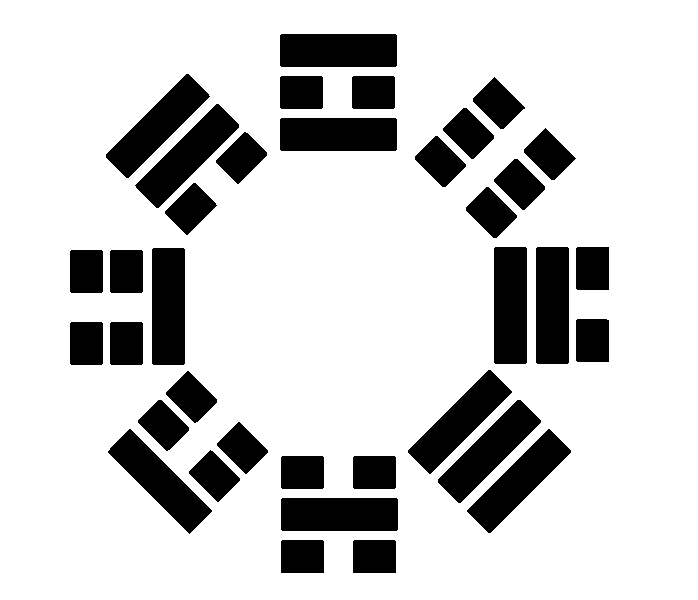 🇨🇳 China and 1 moreBagua八卦
A set of eight trigram symbols from China used in divination, cosmology, and feng shui.Tradition · Seeing and foretelling · Protection Living
🇨🇳 China and 3 moreQi氣 / 气
A vital force in Chinese philosophy and medicine, believed to flow through all living things.Substance · Healing · Power and authority Living
🇨🇳 China and 1 moreBagua八卦
A set of eight trigram symbols from China used in divination, cosmology, and feng shui.Tradition · Seeing and foretelling · Protection Living
🇨🇳 China and 3 moreQi氣 / 气
A vital force in Chinese philosophy and medicine, believed to flow through all living things.Substance · Healing · Power and authority Living
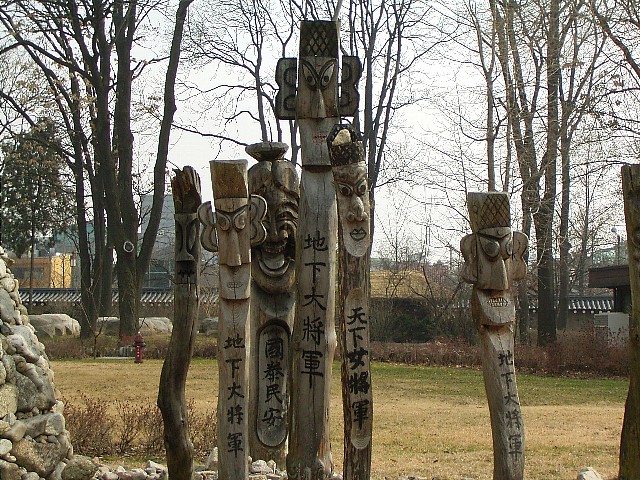 🇰🇷 South Korea and 1 moreJangseung장승
Wooden or stone poles that guard Korean villages and temples from evil spiritsTradition · Protection · Speaking with spirits and the dead Living
🇰🇷 South Korea and 1 moreJangseung장승
Wooden or stone poles that guard Korean villages and temples from evil spiritsTradition · Protection · Speaking with spirits and the dead Living
Related elsewhere
All belief 🇷🇸 Serbia and 5 moreVampire
An undead creature from folklore that feeds on the blood or life force of the livingBeing · Cursing and harm · Luck and prosperity Legendary
🇷🇸 Serbia and 5 moreVampire
An undead creature from folklore that feeds on the blood or life force of the livingBeing · Cursing and harm · Luck and prosperity Legendary
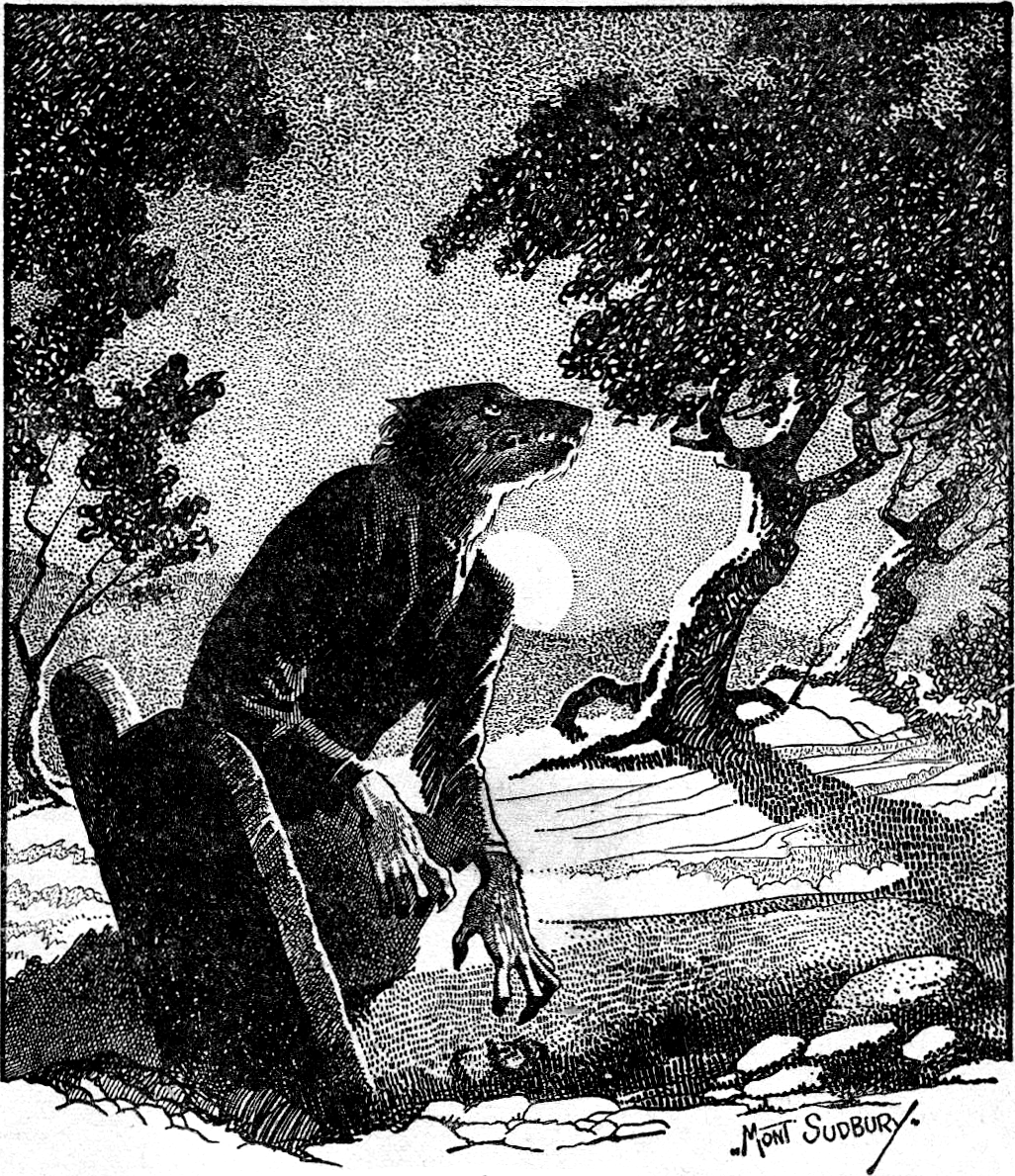 🇫🇷 France and 5 moreWerewolf
A mythical shapeshifter that turns into a wolf, central to European witch-hunts and Gothic horror.Being · Cursing and harm · Wonder and entertainment Legendary
🇫🇷 France and 5 moreWerewolf
A mythical shapeshifter that turns into a wolf, central to European witch-hunts and Gothic horror.Being · Cursing and harm · Wonder and entertainment Legendary
 🇪🇬 Egypt and 1 moreLilithלִילִית
A feminine figure from Mesopotamian and Jewish mythology, often depicted as a night demon or spirit.Being · Cursing and harm Legendary
🇪🇬 Egypt and 1 moreLilithלִילִית
A feminine figure from Mesopotamian and Jewish mythology, often depicted as a night demon or spirit.Being · Cursing and harm Legendary
 🇪🇬 EgyptCurse
A spoken wish for misfortune to befall a person or placeBelief · Cursing and harm · Luck and prosperity Historical
🇪🇬 EgyptCurse
A spoken wish for misfortune to befall a person or placeBelief · Cursing and harm · Luck and prosperity Historical