
Jiji ru lüling
In its own language: 急急如律令
from Chinese characters meaning 'promptly, in accordance with statutes'
A Taoist incantation demanding immediate action from spirits
This phrase is a standard ending for Taoist spells and charms. It commands invoked entities to obey orders without delay. The words originated in Han dynasty legal documents before becoming part of religious ritual.
- Originated in Han dynasty official documents
- Commands spirits to obey without delay
- Used in Taoist charms and rituals
- Adopted by Japanese Onmyōdō and Shugendō
- Appears in tomb texts from 92 CE
What it is
The phrase serves as a closing command in Taoist magic. It tells spirits to follow instructions immediately. The words appear in both spoken chants and written talismans. Practitioners use it to assert authority over supernatural beings. The expression implies that refusal will result in punishment. It functions as a magical seal of approval. The phrase grants the practitioner power equal to heaven and earth. This authority ensures that demons cannot hide from the spell.
Where it comes from
The words began as a bureaucratic formula in Han dynasty official papers. Scribes added them to documents to demand swift execution of orders. After Emperor Wu adopted Confucianism, the phrase faded from state records. Folk magic priests then adopted the ending for their charms. Early tomb texts used similar language to ward off evil. The expression appeared on ordinance jars and burial contracts. Zhang Daoling later integrated the term into Taoist practice. Scholars debate whether the original usage was purely administrative or had magical roots.
How it is done
Ritual masters recite the phrase at the conclusion of ceremonies. They often insert deity names between the first and last parts. Common additions include characters for summoning or decreeing. The full chant might address specific gods by name. Written charms bear the inscription to validate the spell. The text acts as a final command to the spirit world. Bureaucratic language structures the interaction with entities. The practitioner invokes higher powers to back the order.
Tools and materials
The primary tool is the spoken word itself. Talismans and paper charms carry the written characters. Tomb inscriptions serve as early examples of the text. Stone slabs and jars preserve the phrase in archaeological finds. Variants exist in Buddhist and Japanese esoteric traditions. Kanji adaptations appear in Shugendō and Onmyōdō rituals. The characters convey urgency and legal force through their shape.
Jiji ru lüling, drawn and placed
- Living
- Revived
- Fading
- Historical
- Legendary
- Performed
- Lineage
- Taoism
- Timing
- at the end of rituals
What it is for
Users employ the phrase to drive away harmful spirits. It commands malevolent forces to leave the area quickly. The spell protects households and individuals from danger. It also serves to punish disobedient entities. Practitioners believe the words guarantee the success of a cure. The command ensures that spiritual assistance arrives without lag. It transforms a request into an enforceable decree. The phrase acts as a synecdoche for the entire ritual process.
Who does it
Taoist priests and ritual masters perform the incantation. They must demonstrate control over spirits to use the phrase effectively. Training involves learning theological systems and bureaucratic metaphors. The priest acts as an intermediary with heavenly authority. Scholars note the role requires understanding of ancient legal terms. The practitioner acquires immense power through this sanctioned authority.
Peoples and places
The tradition originates in China during the Han dynasty. Taoist communities maintain the phrase in their liturgical texts. The concept spread to Japan via religious transmission. Japanese Onmyōdō practitioners adapted the characters for their own rites. Shugendō ascetics also incorporated the formula into their practices. Modern media frequently depicts the phrase in historical dramas. Literary works like Bai Juyi's poetry reference the idiom.
At a glance: who, where and when
Who does it
Peoples

What people believe
Taoist theology views the universe as a celestial bureaucracy. Spirits are officials who must obey higher ranks. The phrase mimics imperial edicts to compel compliance. Refusal to follow the order invites divine punishment. The practitioner channels authority commensurate with heaven and earth. Demons are believed to have no refuge against such commands. The system relies on hierarchical obedience within the spirit world. Legalistic language reinforces the seriousness of the magical act.
When it is done
It appears whenever a ritual requires immediate spiritual action. The timing depends on the needs of the ceremony. Burial texts suggest use during funerary processes. Daily charms might employ the phrase for protection. The urgency lies in the moment of invocation rather than a calendar date.
How scholars and sceptics see it
Sinologists analyze the phrase's evolution from law to magic. Arthur Waley noted uncertainty about the origin of 'lüling'. Some researchers view it as a spirit's name rather than a legal term. Others see it as a direct borrowing from administrative jargon. Academic controversy exists regarding its earliest Taoist appearances. One instance in Han slips differs from later standardized forms. Historians trace its movement from tombs to temple rituals.
Cautions and what is closed
The phrase is described as a belief system component. No medical advice or dangerous instructions are associated with it. The text is treated as a cultural and religious artifact. Scholars study its linguistic and historical significance. There is no indication of physical risk in its recitation.
Compare and confuse
The phrase resembles other Han dynasty bureaucratic formulas. 'Ru zhaoshu' is another document-ending phrase. Esoteric Buddhism uses a variant meaning 'quickly let the spell be effective'. Japanese Onmyōdō shares the adapted characters. The concept parallels Western exorcism commands but uses legal terminology. 'Abracadabra' is listed as a related magical word in some contexts.
Questions people ask about Jiji ru lüling
What does the phrase mean?
It translates to 'promptly, in accordance with statutes and ordinances.' It commands spirits to execute orders immediately without hesitation.
Where did this incantation come from?
It started as a legal formula in Han dynasty China. Taoist priests later adapted it for magical rituals and tomb inscriptions.
Who uses this spell today?
Taoist priests use it in traditional rituals. It also appears in Japanese esoteric Buddhism and popular culture.
Is it a curse or a protection?
It is used to ward off evil spirits and ensure rituals succeed. It commands harmful entities to leave and obey.
Good reading and sources
- Jiji ru lüling on WikipediaEncyclopedia
- More photos on Wikimedia CommonsPhotos and video
- Wikidata recordOpen data
The facts on this page come from the Wikipedia article "Jiji ru lüling", written by its contributors and used under the CC BY-SA 4.0 licence, and from its Wikidata record (CC0). EveryJaadu rewrote the text in its own words, with AI assistance, and compares every page with the article to make sure no passage is copied. It may be reused under the same CC BY-SA 4.0 licence with a link back.
It may contain mistakes. Names and customs differ from one community to the next, and some knowledge is closed to outsiders and left out here. This page describes belief and practice. It does not say that any of it works, it is not a how-to, and it is not medical advice. If something is wrong, tell us. Last refreshed 2026-10-06.
More from China
All the entries from China 🇨🇳 China and 1 moreGe Hong葛洪
A Jin dynasty scholar and alchemist who wrote key texts on Taoist immortality and early medicine.Text · Healing · Power and authority Historical
🇨🇳 China and 1 moreGe Hong葛洪
A Jin dynasty scholar and alchemist who wrote key texts on Taoist immortality and early medicine.Text · Healing · Power and authority Historical
 🇨🇳 China and 2 moreJiang Ziya姜子牙
A historical strategist and war god who helped establish the Zhou dynastyFigure · Power and authority · Cursing and harm Historical
🇨🇳 China and 2 moreJiang Ziya姜子牙
A historical strategist and war god who helped establish the Zhou dynastyFigure · Power and authority · Cursing and harm Historical
 🇯🇵 Japan and 1 moreKūkai空海
Founder of Shingon Buddhism who brought Vajrayana esoteric practices from China to Japan.Text · Power and authority · Protection Historical
🇯🇵 Japan and 1 moreKūkai空海
Founder of Shingon Buddhism who brought Vajrayana esoteric practices from China to Japan.Text · Power and authority · Protection Historical
 🇨🇳 ChinaOracle bone甲骨
Divination using heated ox bones and turtle shells in ancient ChinaRite · Seeing and foretelling · Power and authority Historical
🇨🇳 ChinaOracle bone甲骨
Divination using heated ox bones and turtle shells in ancient ChinaRite · Seeing and foretelling · Power and authority Historical
Related elsewhere
All text 🇮🇩 IndonesiaNyi Roro KidulRatu Laut Selatan
The spirit queen of Java's southern coast and guardian of the Indian OceanBeing · Protection · Cursing and harm Living
🇮🇩 IndonesiaNyi Roro KidulRatu Laut Selatan
The spirit queen of Java's southern coast and guardian of the Indian OceanBeing · Protection · Cursing and harm Living
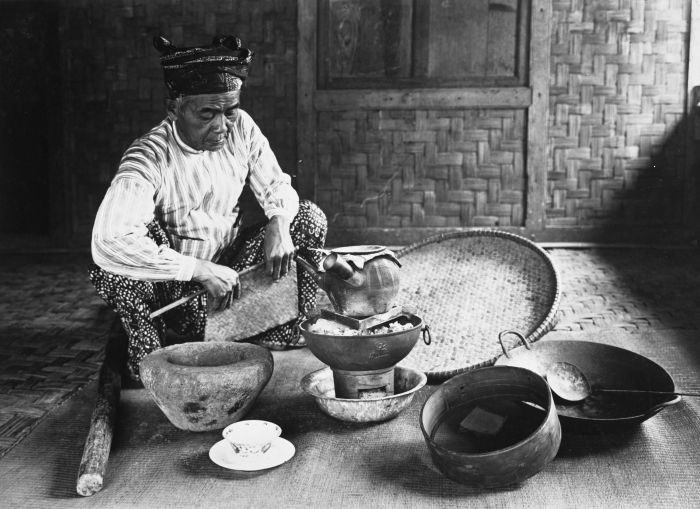 🇮🇩 Indonesia and 2 moreDukun
A traditional healer and spirit medium in Indonesian folk practiceTradition · Healing · Seeing and foretelling Living
🇮🇩 Indonesia and 2 moreDukun
A traditional healer and spirit medium in Indonesian folk practiceTradition · Healing · Seeing and foretelling Living
 🇫🇷 FranceLady of the LakeDame du Lac
A water spirit who raises knights and captures wizards in Arthurian talesFigure · Protection · Cursing and harm Legendary
🇫🇷 FranceLady of the LakeDame du Lac
A water spirit who raises knights and captures wizards in Arthurian talesFigure · Protection · Cursing and harm Legendary