
Nuo folk religion
In its own language: 傩 (Nuó)
from nuó, meaning exorcism
A Chinese exorcistic tradition using wooden masks and ancestor worship to drive away malevolent forces
Nuo is a variant of Chinese folk religion practiced across central and southern China, with deep ties to the Tujia people. It centres on Lord Nuo and Lady Nuo, mythical ancestors whose beheading gave rise to rituals designed to nourish gods and exorcise evil spirits.
- Lord Nuo and Lady Nuo are beheaded ancestors worshipped as divine figures
- Wooden masks represent gods, reflecting the myth of beheading
- Priests blow into an ox horn to summon the Jade Deity
- Tradition revitalized since the 1980s with government endorsement
- Influenced Japanese tsuina and Korean royal exorcistic rituals
What it is
Nuo folk religion is a system of exorcistic practice found in central and southern China. It operates as a distinct branch of Chinese folk religion, featuring its own temples, priestly orders, and deities. The tradition is closely linked to the Tujia ethnic group but also engages with Han Chinese religious elements. Its core purpose is to strengthen divine power to expel harmful entities. Rituals involve dance, song, sacrifice, and theatre, all aimed at maintaining cosmic balance and protecting communities from malevolent influences through structured ceremonial acts.
Where it comes from
The tradition traces its roots to the concept of nuó, which originally denoted exorcism. Mythology identifies the first humans, Lord Nuo and Lady Nuo, as unjustly beheaded ancestors who became responsive divine figures. Their sacrifice established the basis for Nuo practices. The religion incorporates Taoist theology, particularly the Three Pure Ones and the Jade Deity, introduced by Han Chinese migrants into Tujia areas. Historical precursors include the fangxiangshi, ritual specialists who led exorcistic processions. The system has evolved significantly, undergoing revitalization since the 1980s and gaining official endorsement in modern China.
How it is done
Ceremonies are conducted in dedicated temples or private altars. Priests perform dances, sing songs, offer sacrifices, and enact theatre to nourish the gods. The ancestral couple, represented by wooden statues, stands at the front of the shrine, while lesser deities are placed behind them. Priests invoke higher deities, such as the Jade Deity, by blowing into an ox horn to command lesser spirits. Rituals follow specific hierarchies, honoring order founders like Yan Sanlang and Liu Wulang. The practices aim to amplify divine strength to effectively drive away evil beings through structured performance and invocation.
Tools and materials
Wooden masks and heads serve as the primary iconographic representation of deities, reflecting the myth of beheaded ancestors. Carved wooden statues of Lord Nuo and Lady Nuo are erected in temples. Priests use an ox horn as a ritual instrument to summon the Jade Deity. Altars are dedicated to specific priestly orders and their founders. Red attire is worn by exorcists in related Korean traditions. These materials facilitate communication with the spiritual realm and embody the presence of gods during ceremonies.
Nuo folk religion, drawn and placed
- Living
- Revived
- Fading
- Historical
- Legendary
- Performed
- Lineage
- Chinese folk religion
- Timing
- during ceremonies and funerals
What it is for
The main goal is to exorcise malevolent beings by strengthening the power of gods. Practitioners believe that nourishing deities through ritual ensures their ability to protect communities. The tradition also seeks to maintain cosmic harmony through yin and yang principles. Ancestor worship plays a central role, connecting the living with divine predecessors. Families and communities engage in these rites to seek protection, health, and stability, relying on the intervention of gods and spirits to resolve crises and prevent harm.
Who does it
Nuo priests, known as wu, function as shamans within the tradition. They belong to specific orders with designated founders and altars. Historical roles were filled by fangxiangshi, who led exorcistic processions. Priests undergo training to perform complex rituals involving dance, song, and invocation. They communicate with deities using specialized instruments like the ox horn. The priesthood maintains a hierarchical structure, invoking ancestors and higher gods to authorize their actions. Gender and status within the order are defined by lineage and ritual competence.
Peoples and places
The tradition is primarily associated with the Tujia people in central and southern China. Han Chinese migrants introduced Taoist elements, blending them with indigenous practices. In Japan, the fangxiangshi influenced Shinto rituals, leading to customs like tsuina and setsubun. Korean royal courts adopted similar exorcistic traditions, selecting young men to wear red attire and perform whips. These cross-cultural exchanges highlight the spread of Nuo-related practices across East Asia, adapting to local contexts while retaining core exorcistic functions.
At a glance: who, where and when
Who does it
Peoples
Occasions
What people believe
Nuo cosmology relies on yin and yang theory, viewing the universe as a complementary duality of potentiality and actuality. Humans actively participate in this order, interacting with divinity through worship. The Heavenly Immortal, Tiānxiān, initiated dialogue between spiritual and material realms. Ancestor worship is central, reflecting patriarchal structures in Tujia society. Deities are organized hierarchically, from the ancestral couple to nature gods like the Door God and Wealth God. The Enthroned Deity represents current authority, linking political power to spiritual order.
When it is done
Rituals occur during funerals, daily ceremonies, and seasonal events like setsubun in Japan. Korean traditions selected exorcists in December for court performances. Nuo ceremonies mark life transitions and community needs, aligning with agricultural and social cycles. The timing of rituals depends on priestly orders and local customs. Festivals and holy days provide opportunities for public performances, reinforcing communal identity and divine connection through structured temporal observances.
How scholars and sceptics see it
Researchers analyze Nuo as a dynamic folk religion shaped by state endorsement and ethnic identity. Studies examine its adaptation to modern Chinese politics and its role in preserving Tujia culture. Anthropologists note the integration of Taoist theology with indigenous practices. Historians trace the evolution of fangxiangshi into contemporary priestly orders. Scholars also investigate the transmission of Nuo practices to Japan and Korea, highlighting cross-cultural religious exchange and the preservation of exorcistic traditions in East Asian societies.
Cautions and what is closed
The tradition involves closed knowledge within priestly orders, restricting access to certain rituals. Outsiders may not participate in sacred ceremonies without initiation. Historical persecution of folk religions has impacted practice, though recent revitalization efforts have restored visibility. Commercialization risks diluting authentic traditions, raising concerns about cultural appropriation. Legal frameworks in China regulate religious activities, requiring official endorsement for public performances. Practitioners navigate these constraints while maintaining ritual integrity and community relevance.
Compare and confuse
Nuo shares features with Chinese shamanism and Taoist ritual mastery, yet maintains distinct iconography and mythology. It differs from general Chinese folk religion through its focus on exorcism and wooden mask symbolism. In Japan, it relates to gigaku masked characters and Shinto exorcistic rites. Korean Jinja traditions echo Nuo’s structural hierarchy and red attire. Comparisons reveal how exorcistic practices adapt across cultures while preserving core functions of protection and cosmic balance through shared symbolic elements.
Days linked to Nuo folk religion
Questions people ask about Nuo folk religion
What is Nuo folk religion?
It is a variant of Chinese folk religion practiced in central and southern China, centered on exorcism and ancestor worship. It uses wooden masks and rituals to nourish gods and protect communities from evil spirits.
Who are the main deities in Nuo?
Lord Nuo and Lady Nuo are the highest deities, representing humanity’s first ancestors. Below them are Taoist figures like the Three Pure Ones and the Jade Deity, who commands lesser gods.
How are Nuo rituals performed?
Priests conduct ceremonies involving dance, song, sacrifice, and theatre in temples or altars. They invoke deities using an ox horn and honor order founders to strengthen divine power for exorcism.
Where did Nuo originate?
It originated in China as an exorcistic movement linked to the Tujia people. Myths trace its roots to the beheaded ancestors Lord Nuo and Lady Nuo, with Taoist influences added later by Han migrants.
Good reading and sources
The facts on this page come from the Wikipedia article "Nuo folk religion", written by its contributors and used under the CC BY-SA 4.0 licence, and from its Wikidata record (CC0). EveryJaadu rewrote the text in its own words, with AI assistance, and compares every page with the article to make sure no passage is copied. It may be reused under the same CC BY-SA 4.0 licence with a link back.
It may contain mistakes. Names and customs differ from one community to the next, and some knowledge is closed to outsiders and left out here. This page describes belief and practice. It does not say that any of it works, it is not a how-to, and it is not medical advice. If something is wrong, tell us. Last refreshed 2026-10-06.
More from China
All the entries from China 🇨🇳 China and 5 moreGhost FestivalZhongyuan Festival; Yulanpen Festival
A festival to feed wandering spirits and guide them home during the seventh lunar month.Tradition · Speaking with spirits and the dead · Protection Living
🇨🇳 China and 5 moreGhost FestivalZhongyuan Festival; Yulanpen Festival
A festival to feed wandering spirits and guide them home during the seventh lunar month.Tradition · Speaking with spirits and the dead · Protection Living
 🇲🇳 Mongolia and 1 moreTsagaan SarЦагаан сар
A Mongol lunisolar new year marked by white clothes and dairy feastsTradition · Luck and prosperity · Speaking with spirits and the dead Living
🇲🇳 Mongolia and 1 moreTsagaan SarЦагаан сар
A Mongol lunisolar new year marked by white clothes and dairy feastsTradition · Luck and prosperity · Speaking with spirits and the dead Living
 🇨🇳 ChinaChinese alchemy煉丹術
A Taoist pursuit of longevity through elixirs and internal cultivationTradition · Healing · Speaking with spirits and the dead Historical
🇨🇳 ChinaChinese alchemy煉丹術
A Taoist pursuit of longevity through elixirs and internal cultivationTradition · Healing · Speaking with spirits and the dead Historical
 🇨🇳 China and 1 moreAncestor veneration in China中國傳統宗法性宗教
Rites for dead kin who are thought to watch over the familyTradition · Protection · Speaking with spirits and the dead Living
🇨🇳 China and 1 moreAncestor veneration in China中國傳統宗法性宗教
Rites for dead kin who are thought to watch over the familyTradition · Protection · Speaking with spirits and the dead Living
Related elsewhere
All tradition 🇪🇸 Spain and 5 moreSt John's Eve
A Christian vigil marked by bonfires and plant gathering on the summer solstice eveRite · Protection · Speaking with spirits and the dead Living
🇪🇸 Spain and 5 moreSt John's Eve
A Christian vigil marked by bonfires and plant gathering on the summer solstice eveRite · Protection · Speaking with spirits and the dead Living
 🇸🇳 Senegal and 1 moreSerer religionA ƭat Roog
The traditional faith of the Serer people, centred on the supreme deity Roog and ancestral veneration.Tradition · Protection · Speaking with spirits and the dead Living
🇸🇳 Senegal and 1 moreSerer religionA ƭat Roog
The traditional faith of the Serer people, centred on the supreme deity Roog and ancestral veneration.Tradition · Protection · Speaking with spirits and the dead Living
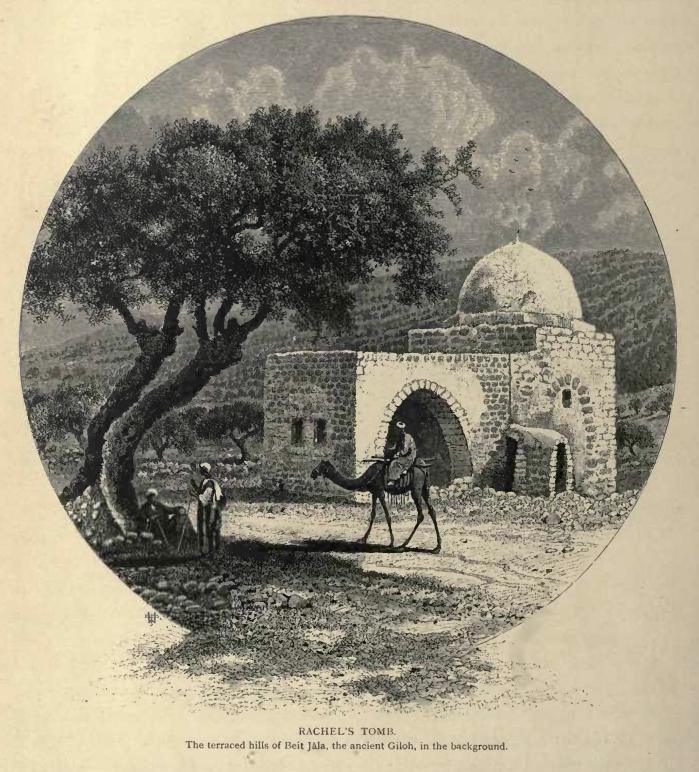 🇵🇸 Palestine and 1 moreRachel's TombQever Raḥel; Qabr Rāḥīl
A shared holy site near Bethlehem revered by Jews, Christians, and MuslimsTradition · Speaking with spirits and the dead · Protection Living
🇵🇸 Palestine and 1 moreRachel's TombQever Raḥel; Qabr Rāḥīl
A shared holy site near Bethlehem revered by Jews, Christians, and MuslimsTradition · Speaking with spirits and the dead · Protection Living
 🇰🇪 Kenya and 1 moreMaasai religion
The spiritual beliefs of the semi-nomadic Maasai people of East AfricaTradition · Protection · Healing Living
🇰🇪 Kenya and 1 moreMaasai religion
The spiritual beliefs of the semi-nomadic Maasai people of East AfricaTradition · Protection · Healing Living