
Marriage coin charm
In its own language: 夫婦和合花錢
from Chinese huā qián, meaning 'spending coins' or decorative currency
Coin-shaped amulets from East Asia that celebrate marriage, fertility, and conjugal harmony
These numismatic charms originate in China and spread to Japan, Korea, and Vietnam. They feature symbols like dragons, fish, or erotic scenes to wish couples a happy union and many children.
- Dragon and phoenix motifs symbolize marital union
- Fish represent abundance and happy harmony
- Inscriptions invoke longevity and wealth
- Used as wedding gifts and household protectors
- Spread from China to Korea, Japan, and Vietnam
What it is
Marriage coin charms are small metal discs made to look like ancient cash coins but intended as protective amulets rather than currency. Originating in China, they appear across East Asia with local variations. People use them to bless marriages with harmony, prosperity, and offspring. The objects often carry images of animals, plants, or text that symbolize unity. Unlike regular money, these items hold symbolic weight in folk tradition. They serve as tangible wishes for a couple's future. Collectors and scholars study them for their artistic and cultural value. The charms bridge the gap between everyday commerce and spiritual belief.
Where it comes from
The practice began in China during imperial times. Artisans cast bronze or brass discs using molds. Some designs imitated official cash coins, while others were unique shapes. The tradition spread to neighboring regions through trade and cultural exchange. In Vietnam, local artisans adapted Chinese motifs to fit indigenous beliefs. Korean and Japanese versions also emerged, reflecting regional aesthetics. The exact date of origin is unclear, but examples exist from various dynastic periods. The craft declined with the end of the cash coin system but survives in antique markets today.
How it is done
Artisans poured molten metal into carved molds featuring specific designs. The resulting discs were cleaned and polished. Families would place them in wedding trunks or hang them in homes. Couples might keep them as keepsakes. The objects were not used for buying goods. Instead, they functioned as lucky tokens. Some charms were given as gifts to newlyweds. Others were kept by households to ward off misfortune. The act of giving or displaying the charm was part of the ritual.
Tools and materials
Bronze and brass were the primary materials. Molds carved from wood or stone shaped the metal. Inscriptions were added using seal script or standard characters. Common motifs included dragons, phoenixes, fish, and lotus flowers. Texts often invoked longevity, wealth, or happiness. Some charms featured explicit scenes to educate or entertain. The square hole in the center mimicked traditional cash coins. Colors were natural metallic tones, sometimes patinated over time.
Marriage coin charm, drawn and placed
- Living
- Revived
- Fading
- Historical
- Legendary
- Performed
- Lineage
- East Asian numismatic charms
- Timing
- at weddings and for household protection
What it is for
Couples sought these charms to ensure a fruitful marriage. Parents wished for their children to have many sons. Households wanted protection from illness or bad luck. The symbols represented hopes for continuity and stability. Fish stood for abundance and joy. Dragons and phoenixes balanced male and female energies. Erotic scenes reminded couples of their duties. The charms acted as visual prayers. They reinforced social values about family and duty. People believed holding or displaying them attracted good fortune.
Who does it
Metalworkers and mint officials created the charms. Families and elders selected them for weddings. No special religious training was required to use them. They were common among ordinary people. Scholars and collectors now preserve them. Women often managed the household charms. Men might commission them for status. The objects crossed class lines, appearing in both rich and poor homes. Their creation was a skilled craft passed down through generations.
Peoples and places
Chinese culture produced the earliest and most varied examples. Vietnamese charms often emphasized Daoist yin-yang balance. Korean versions featured distinct animal pairings. Japanese examples were rarer but followed similar themes. Each region adapted the core concept to local customs. Chinese charms frequently referenced Confucian ideals. Vietnamese ones leaned toward folk religion. Korean pieces highlighted zodiac symbolism. Despite differences, all shared the goal of marital blessing. The spread shows deep cultural connectivity in East Asia.
At a glance: who, where and when
Who does it
Belief worlds
Occasions
What people believe
The charms rely on sympathetic magic principles. Images attract the qualities they depict. A dragon brings power; a lotus brings purity. Inscriptions speak wishes into existence. The square hole represents heaven and earth connecting. Metal holds spiritual energy. Folk belief holds that these objects absorb negative forces. They protect the home from evil spirits. The erotic scenes were seen as vital for procreation. Harmony between husband and wife was thought to bring cosmic balance. The charms were active participants in daily life.
When it is done
They were primarily used at weddings. Families presented them during betrothal ceremonies. Some were kept year-round for protection. Spring festivals sometimes featured them. Birth celebrations might include smaller versions. The charms marked life transitions. They were not tied to specific lunar dates. Instead, they accompanied key family events. Their presence signaled a new chapter. Over time, they became heirlooms passed down through generations.
How scholars and sceptics see it
Historians view them as artifacts of material culture. Anthropologists study their role in social rituals. Numismatists classify them alongside currency. Scholars note the blend of art and belief. Some debate the meaning of erotic scenes. Are they educational or purely symbolic? Researchers trace design changes across dynasties. The spread to Vietnam and Korea shows cultural diffusion. Modern collectors value them for rarity. Academic work focuses on preservation and cataloging.
Cautions and what is closed
Many charms are now rare antiques. Forgeries exist in the market. Buyers should verify authenticity. Some designs may be considered offensive today. The erotic scenes reflect historical norms, not modern standards. Colonial powers often dismissed such items as vulgar. This led to loss of context. Today, they are respected as cultural heritage. Proper handling prevents damage. Storage away from moisture preserves the metal.
Compare and confuse
Roman spintriae are similar erotic coins. Both served as amulets or souvenirs. Chinese charms are more focused on marriage. Roman ones often depicted sexual acts explicitly. Vietnamese charms share features with Chinese ones. Korean charms show unique local styles. All reflect the link between sex and survival. The term 'coin charm' applies broadly. Specific names vary by region and motif.
Questions people ask about Marriage coin charm
What are marriage coin charms?
They are bronze or brass amulets shaped like ancient coins, originating in China. They feature symbols like dragons, fish, or text to bless marriages with harmony and fertility.
Where do they come from?
They originated in China during imperial times. The tradition spread to Vietnam, Korea, and Japan, where local artisans adapted the designs to fit regional beliefs.
Why do they have erotic scenes?
Some charms depict sexual positions to remind couples of their duty to produce heirs. They served as mnemonic aids or educational tools within the context of marriage obligations.
What do the fish symbols mean?
Fish represent abundance and prolific reproduction. A pair of fish signifies conjugal bliss and a joyful, harmonious union between husband and wife.
Good reading and sources
- Marriage coin charm on WikipediaEncyclopedia
- More photos on Wikimedia CommonsPhotos and video
- Wikidata recordOpen data
The facts on this page come from the Wikipedia article "Marriage coin charm", written by its contributors and used under the CC BY-SA 4.0 licence, and from its Wikidata record (CC0). EveryJaadu rewrote the text in its own words, with AI assistance, and compares every page with the article to make sure no passage is copied. It may be reused under the same CC BY-SA 4.0 licence with a link back.
It may contain mistakes. Names and customs differ from one community to the next, and some knowledge is closed to outsiders and left out here. This page describes belief and practice. It does not say that any of it works, it is not a how-to, and it is not medical advice. If something is wrong, tell us. Last refreshed 2026-10-06.
More from China
All the entries from China 🇨🇳 China and 5 moreJoss paper金紙
Paper burned as money and goods for ancestors, gods and the deadCharm · Speaking with spirits and the dead · Luck and prosperity Living
🇨🇳 China and 5 moreJoss paper金紙
Paper burned as money and goods for ancestors, gods and the deadCharm · Speaking with spirits and the dead · Luck and prosperity Living
 🇨🇳 China and 5 moreChinese guardian lions石獅 (shíshī)
Stone lion pairs placed at entrances to ward off harm and welcome fortuneCharm · Protection · Luck and prosperity Living
🇨🇳 China and 5 moreChinese guardian lions石獅 (shíshī)
Stone lion pairs placed at entrances to ward off harm and welcome fortuneCharm · Protection · Luck and prosperity Living
 🇨🇳 China and 1 moreFulu符籙
Taoist talismans with cryptic symbols used for healing and protectionCharm · Healing · Protection Living
🇨🇳 China and 1 moreFulu符籙
Taoist talismans with cryptic symbols used for healing and protectionCharm · Healing · Protection Living
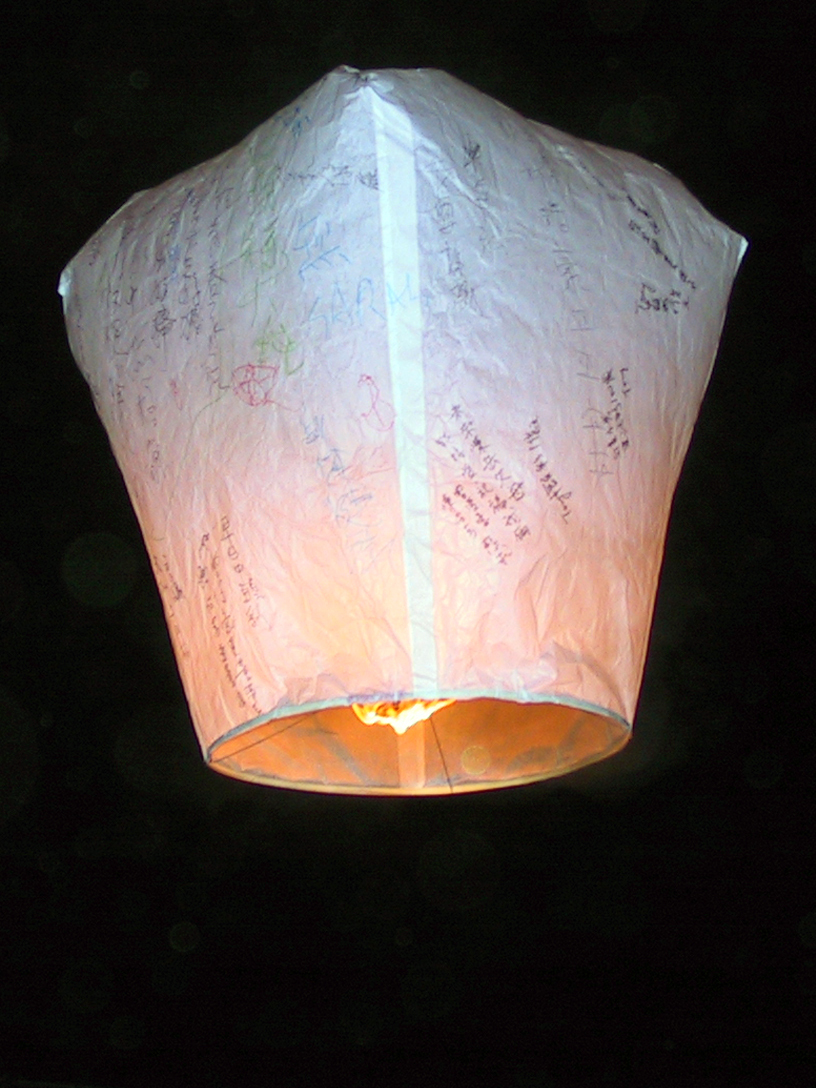 🇨🇳 China and 5 moreSky lantern天燈
A paper hot air balloon lifted by flame to carry wishes and blessingsRite · Luck and prosperity · Protection Living
🇨🇳 China and 5 moreSky lantern天燈
A paper hot air balloon lifted by flame to carry wishes and blessingsRite · Luck and prosperity · Protection Living
Related elsewhere
All charm 🇺🇸 United States and 5 moreMojo bag
A cloth pouch holding charms for protection, luck, or love in the Hoodoo tradition.Charm · Protection · Healing Living
🇺🇸 United States and 5 moreMojo bag
A cloth pouch holding charms for protection, luck, or love in the Hoodoo tradition.Charm · Protection · Healing Living
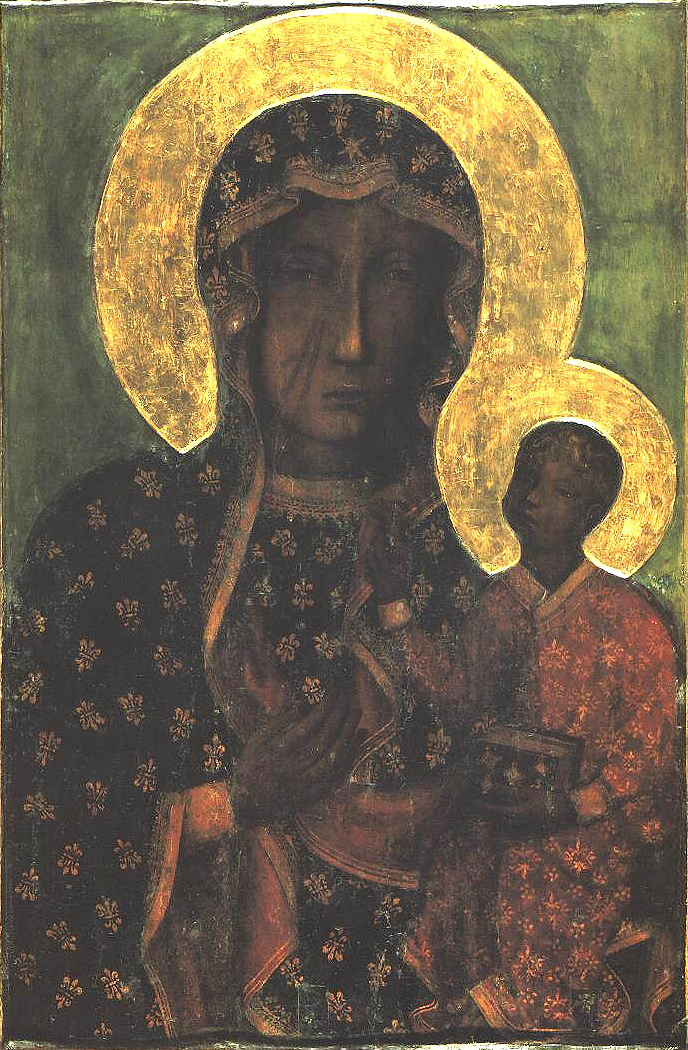 🇭🇹 HaitiErzulieÈzili
A family of spirits in Haitian Vodou representing love, beauty, and protective fury.Being · Protection · Love and attraction Living
🇭🇹 HaitiErzulieÈzili
A family of spirits in Haitian Vodou representing love, beauty, and protective fury.Being · Protection · Love and attraction Living
 🇦🇷 Argentina and 2 moreSan La Muerte
A skeletal folk saint venerated in South America for protection and favorsTradition · Protection · Healing Living
🇦🇷 Argentina and 2 moreSan La Muerte
A skeletal folk saint venerated in South America for protection and favorsTradition · Protection · Healing Living