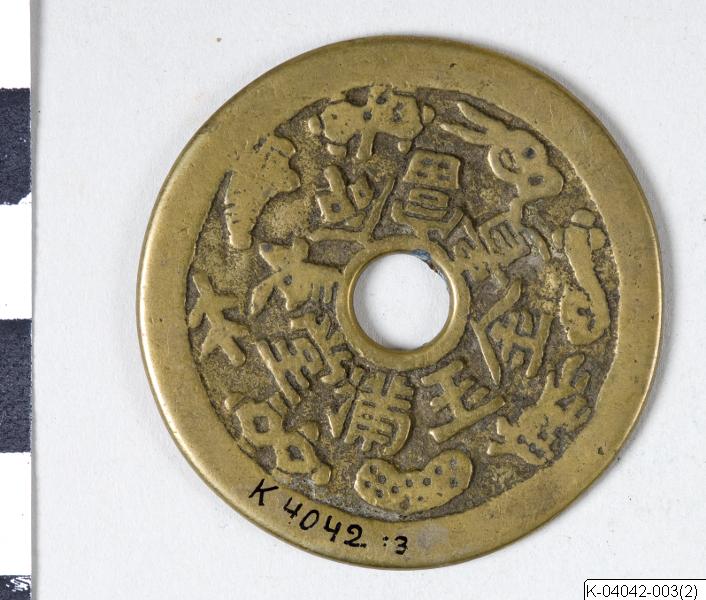
![Found in Ordos , in Inner Mongolia by Frans August Larson in 19th Century [ 1 ] .](https://upload.wikimedia.org/wikipedia/commons/5/5f/91643_SMVK_OM_objekt_118326_%282%29.jpg)
Taoist coin charm
In its own language: 道教品壓生錢
Chinese and Vietnamese numismatic charms used for protection and feng shui
Taoist coin charms are Chinese and Vietnamese numismatic objects that incorporate Taoist religious elements. They serve as protective amulets, feng shui tools, or mnemonic devices rather than official currency.
- Coin-swords use Kangxi era cash coins for longevity
- Lei Ting charms invoke the God of Thunder
- Fu script remains secret within Taoist sects
- Zhong Kui's sword scares away demons
- Eight Treasures show auspicious ancient objects
What it is
Taoist coin charms form a family of Chinese and Vietnamese numismatic objects. These items resemble official cash coins but were never intended as legal tender. They appear in various shapes and sizes, featuring inscriptions in standard Hanzi characters or secret Taoist magic writing. While many function as protective amulets, some serve as mnemonic coins. The term 'charm' covers these diverse numismatic forms, which often blend Taoist symbolism with Buddhist or Confucian imagery.
Where it comes from
Ancient Chinese culture attributed magical influence to Hanzi characters. The Huainanzi describes spirits fearing the command of these characters. Early Han dynasty talismans were worn as pendants requesting protection from deified figures. Imperial decrees held absolute authority, inspiring talismans to mimic official orders. This belief expanded to include numismatic charms worn for protection against bogies and evil spirits during the Han dynasty.
How it is done
These charms are displayed or worn to ward off negative influences. Coin-swords, made of cash coins strung on red cords, hang above beds, on walls, or in bridal curtains. They frighten demons by resembling the sword of the immortal Zhong Kui. Lei Ting curse charms contain spells invoking Leigong, the God of Thunder, to expel malevolent spirits through commands written in Taoist script.
Tools and materials
Materials include Qing dynasty cash coins, particularly Kangxi Tongbao and Qianlong Tongbao. Iron rods form the base of coin-swords. Red, yellow, or gold strings bind the coins. Inscriptions use standard Chinese characters or Fulu magic script. Symbols feature the Bagua, yin-yang, constellations, and figures like Liu Haichan or Laozi.
Taoist coin charm, drawn and placed
- Living
- Revived
- Fading
- Historical
- Legendary
- Performed
- Lineage
- Taoist religion
- Timing
- at birth, weddings, daily
What it is for
Practitioners use these charms for protection against evil spirits, fever, and malicious influences. Coin-swords protect homes and newlyweds. Lei Ting charms request thunder gods to kill bogies. Eight Treasures charms display auspicious symbols like the ruyi sceptre or flaming pearl. Some act as mnemonic devices rather than magical tools.
Who does it
Households hang coin-swords for domestic protection. Taoist priests create and consecrate charms using secret Fulu scripts passed to students. Collectors identify specific types like Lei Ting curse charms. Scholars study their historical and numismatic significance. The practice involves ordinary people integrating these objects into daily life and rituals.
Peoples and places
The tradition is primarily Chinese and Vietnamese. Similar numismatic charms exist for Buddhist and Confucian practices in these regions. Chinese collectors specifically name Lei Ting curse charms. Vietnamese traditions also incorporate these Taoist-inspired numismatic objects. The practice reflects shared cultural beliefs about spiritual protection across East Asia.
At a glance: who, where and when
Peoples
Belief worlds
Occasions



What people believe
Spirits control fortune and misfortune. Characters possess magical power to command spirits. Decrees hold authoritative force over the spiritual world. Leigong punishes evil on behalf of Heaven. Coins carry dynastic authority, making emperor reign titles powerful. Feng shui principles dictate that coin-swords frighten demons through symbolic resemblance to immortal weapons.
When it is done
Coin-swords hang in bridal bed-curtains around the time of marriage confinement. They remain in homes for daily protection. Specific charms invoke thunder gods for immediate spiritual cleansing. The practice aligns with life events like weddings and general household safety needs throughout the year.
Questions people ask about Taoist coin charm
What are Taoist coin charms?
They are Chinese and Vietnamese numismatic objects resembling cash coins. They incorporate Taoist religious elements for protection, feng shui, or mnemonic purposes. They are not official currency but serve as amulets or ritual tools.
How do coin-swords work?
Coin-swords consist of cash coins strung on red cords. They hang in homes or bridal curtains. They resemble the sword of immortal Zhong Kui, frightening evil spirits and demons away from the residents.
Why are Kangxi coins preferred?
Kangxi Tongbao coins represent longevity due to the 60-year reign cycle. The name means good health and prosperity. Feng shui practitioners consider them most effective for warding off evil influences.
What is the Lei Ting curse charm?
It is a talismanic coin requesting Leigong, the God of Thunder, to expel evil spirits. Inscriptions claim imperial authority or orders from Laozi. They use Taoist magic script to command spirits to be destroyed.
Good reading and sources
- Taoist coin charm on WikipediaEncyclopedia
- More photos on Wikimedia CommonsPhotos and video
- Wikidata recordOpen data
The facts on this page come from the Wikipedia article "Taoist coin charm", written by its contributors and used under the CC BY-SA 4.0 licence, and from its Wikidata record (CC0). EveryJaadu rewrote the text in its own words, with AI assistance, and compares every page with the article to make sure no passage is copied. It may be reused under the same CC BY-SA 4.0 licence with a link back.
It may contain mistakes. Names and customs differ from one community to the next, and some knowledge is closed to outsiders and left out here. This page describes belief and practice. It does not say that any of it works, it is not a how-to, and it is not medical advice. If something is wrong, tell us. Last refreshed 2026-10-06.
More from China
All the entries from China 🇨🇳 China and 5 moreJoss paper金紙
Paper burned as money and goods for ancestors, gods and the deadCharm · Speaking with spirits and the dead · Luck and prosperity Living
🇨🇳 China and 5 moreJoss paper金紙
Paper burned as money and goods for ancestors, gods and the deadCharm · Speaking with spirits and the dead · Luck and prosperity Living
 🇨🇳 China and 5 moreChinese guardian lions石獅 (shíshī)
Stone lion pairs placed at entrances to ward off harm and welcome fortuneCharm · Protection · Luck and prosperity Living
🇨🇳 China and 5 moreChinese guardian lions石獅 (shíshī)
Stone lion pairs placed at entrances to ward off harm and welcome fortuneCharm · Protection · Luck and prosperity Living
 🇨🇳 China and 1 moreFulu符籙
Taoist talismans with cryptic symbols used for healing and protectionCharm · Healing · Protection Living
🇨🇳 China and 1 moreFulu符籙
Taoist talismans with cryptic symbols used for healing and protectionCharm · Healing · Protection Living
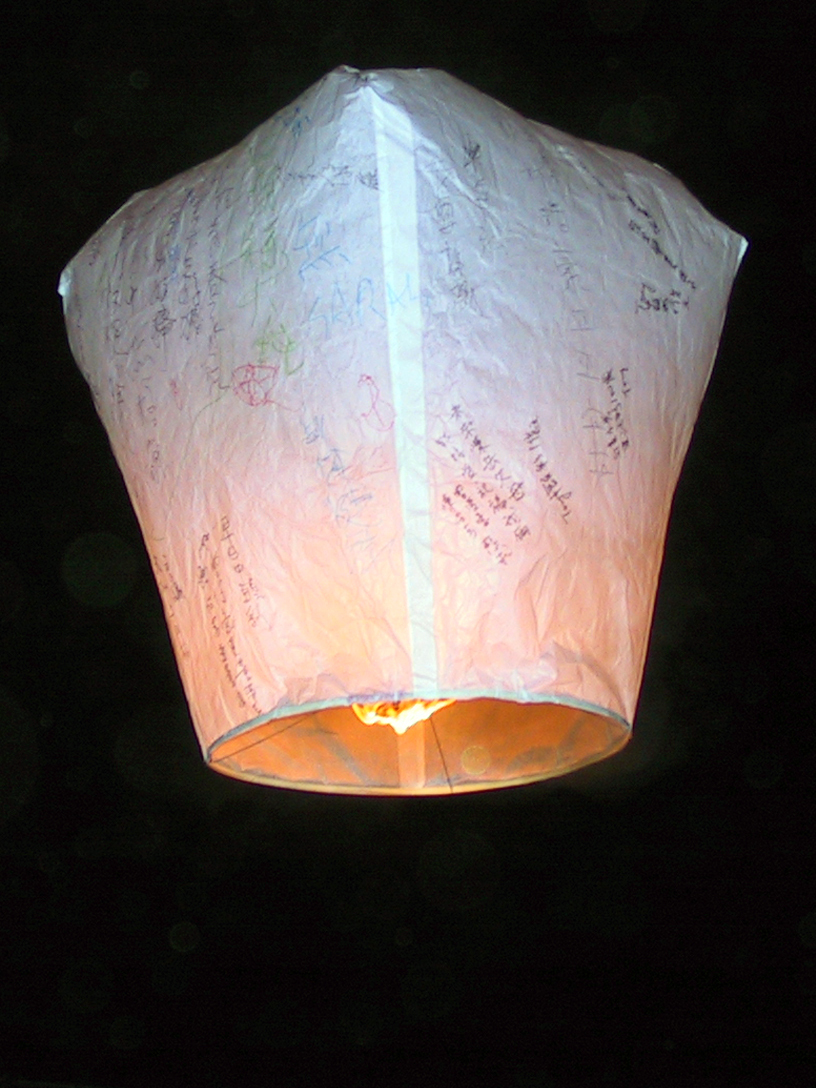 🇨🇳 China and 5 moreSky lantern天燈
A paper hot air balloon lifted by flame to carry wishes and blessingsRite · Luck and prosperity · Protection Living
🇨🇳 China and 5 moreSky lantern天燈
A paper hot air balloon lifted by flame to carry wishes and blessingsRite · Luck and prosperity · Protection Living
Related elsewhere
All charm 🇮🇳 India and 1 moreNavagrahaनवग्रह
A group of nine celestial deities in Hinduism that govern fate and astrologyTradition · Protection · Luck and prosperity Living
🇧🇷 Brazil and 1 moreQuimbanda
An Afro-Brazilian religion focused on male and female street spirits for worldly mattersTradition · Protection · Luck and prosperity Living
🇮🇳 India and 1 moreNavagrahaनवग्रह
A group of nine celestial deities in Hinduism that govern fate and astrologyTradition · Protection · Luck and prosperity Living
🇧🇷 Brazil and 1 moreQuimbanda
An Afro-Brazilian religion focused on male and female street spirits for worldly mattersTradition · Protection · Luck and prosperity Living
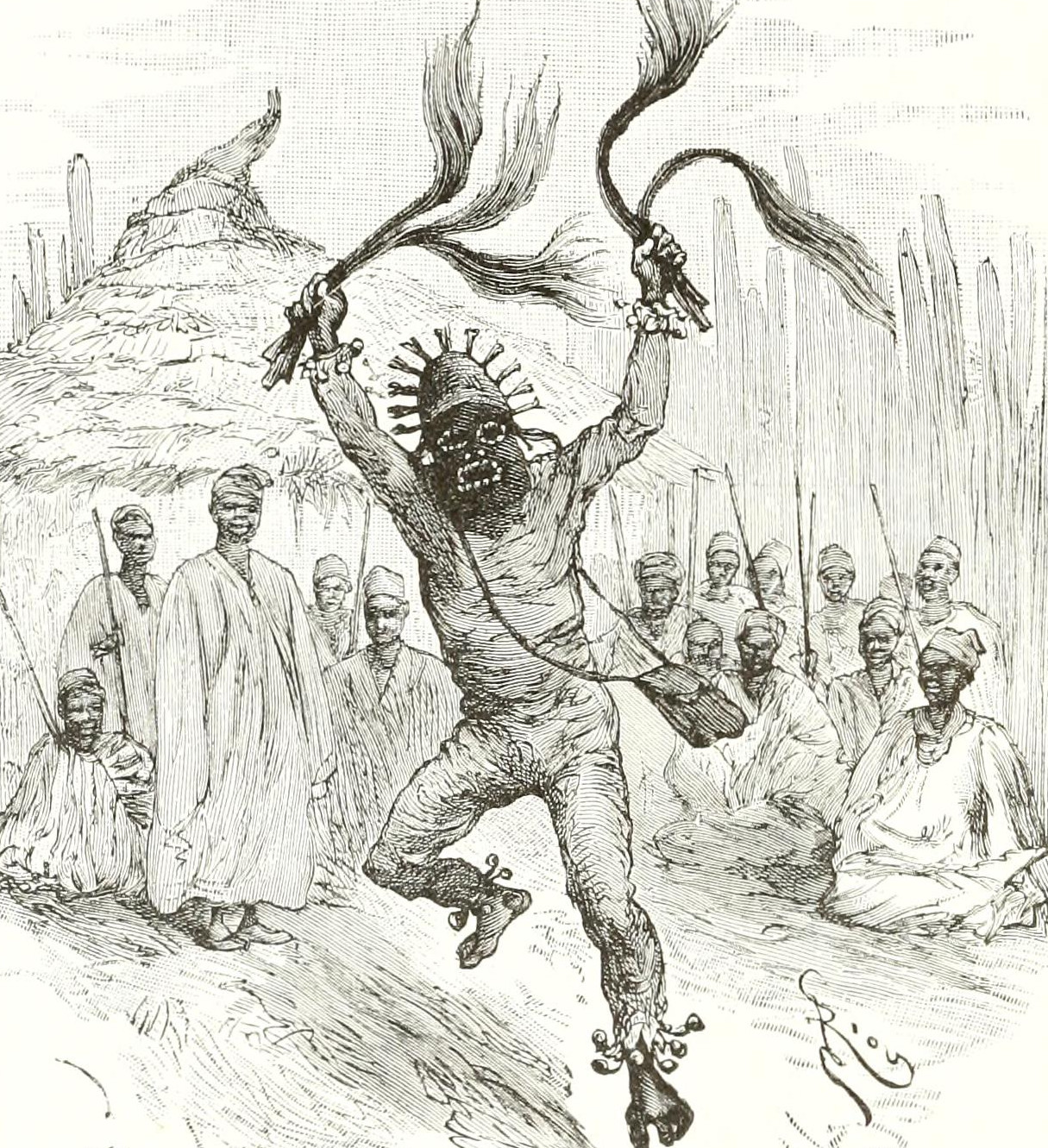 🇺🇸 United States and 2 moreLouisiana Voodoo
An African diasporic religion practiced in Louisiana from the 18th to early 20th centuriesTradition · Healing · Protection Historical
🇵🇪 Peru and 1 moreSupay
An Andean spirit of the underworld who balances life and death forcesBeing · Cursing and harm · Protection Historical
🇺🇸 United States and 2 moreLouisiana Voodoo
An African diasporic religion practiced in Louisiana from the 18th to early 20th centuriesTradition · Healing · Protection Historical
🇵🇪 Peru and 1 moreSupay
An Andean spirit of the underworld who balances life and death forcesBeing · Cursing and harm · Protection Historical