
Lock charms
In its own language: 家锁 / 锁片 (jiā suǒ / suǒ piàn)
from the Chinese term for family lock or lock piece
A Chinese metal pendant shaped like a lock to protect children from harm and death.
Lock charms are Chinese numismatic pendants shaped like ancient security locks. They are worn by young boys to ward off evil spirits and ensure longevity and good fortune.
- Shaped like ancient Chinese security locks
- Used to protect young boys from death
- Popularized by silver imports in the Ming dynasty
- Tied by Buddhist or Taoist priests
- Features inscriptions for longevity and wealth
What it is
Lock charms are flat metal pendants shaped like traditional Chinese security locks. They belong to a broader category of numismatic charms used in China for spiritual purposes. These objects are designed to symbolize safety and continuity. They are believed to shield the wearer from misfortune, evil spirits, and physical harm. The primary intent is to keep the wearer safe and bring them good luck. They often feature inscriptions wishing for wealth, honor, and long life. Some designs also reference success in imperial examinations, reflecting historical social values.
Where it comes from
These charms originated during the Ming dynasty in China. They did not gain widespread popularity until the nineteenth century. Their rise in use was linked to increased silver availability. Imports from Japan and Spanish America via the Manila galleons made silver more accessible. This supply allowed silversmiths to produce these items for a larger market. Before this period, silver was a rare metal in China. The tradition evolved alongside other protective amulets given to children.
How it is done
Parents would commission these charms from local silversmiths. The items were available in various shapes and sizes. For wealthy families, charms were crafted from jade, nephrite, silver, or gold. Poorer families typically purchased silver or brass versions. A Buddhist or Taoist priest would often tie the charm onto a young son using their own hands. This ritual act was intended to secure the child's protection. The charms were hung as pendants on the child or placed in the home.
Tools and materials
The charms are made from metals such as silver, gold, brass, and copper. Wealthier families used precious materials like jade and nephrite. The surface features Chinese characters and symbolic imagery. Common symbols include the Taijitu, Bagua, and depictions of Taoist deities. Plants like plum blossoms, peonies, and lotus flowers appear frequently. Inscriptions often read phrases meaning longevity, wealth, and honor. Some charms display the sun, moon, and stars to signify constant protection.
Lock charms, drawn and placed
- Living
- Revived
- Fading
- Historical
- Legendary
- Performed
- Lineage
- Chinese numismatic charms
- Timing
- at birth
What it is for
The main purpose is to protect young boys from death and evil spirits. The lock shape represents locking the child to the earth or to life itself. Parents seek blessings for longevity, good fortune, and high social rank. The Hundred Family lock variant involves contributions from many households. Families donated cash coins to fund an inexpensive charm for a newborn. This collective effort expressed a shared interest in the child's security and well-being.
Who does it
Ordinary households are the primary practitioners of this custom. Parents arrange for the purchase and consecration of the charms. Silversmiths craft the physical objects based on demand. Religious figures, such as Buddhist or Taoist priests, perform the tying ritual. The practice reflects familial care rather than professional magic. Social status influenced the materials used, with wealthier families opting for finer metals and stones.
Peoples and places
This tradition is rooted in Chinese culture. It spread to neighboring regions through trade and cultural exchange. Silver imports from Japan contributed to its material availability. The Hundred Family lock practice highlights community involvement in child-rearing rituals. Different social classes adapted the practice based on their economic means. The symbolism remains consistent across these variations, focusing on protection and prosperity.
At a glance: who, where and when
Who does it
Peoples
Belief worlds
Occasions
What people believe
The charms operate within a framework of folk religion and Taoist beliefs. They are thought to ward off ghosts and demons. Symbols like swords wrapped in ribbons are used to scare away negative forces. Deities such as the God of Longevity and the Kitchen god are invoked for aid. The inclusion of celestial bodies like the sun and moon suggests continuous divine watchfulness. The practice assumes that spiritual forces can influence physical safety and destiny.
Questions people ask about Lock charms
What is a lock charm?
It is a Chinese metal pendant shaped like a traditional lock. It is worn by children to protect them from evil spirits and harm while bringing good luck and longevity.
Why are they called lock charms?
The name comes from their resemblance to actual security locks. The shape symbolizes locking the wearer to life or the earth, preventing death and ensuring safety.
Who wears lock charms?
They are traditionally worn by young boys. Parents have them tied by religious priests to ensure the child's protection and future prosperity.
Good reading and sources
- Lock charm on WikipediaEncyclopedia
- More photos on Wikimedia CommonsPhotos and video
- Wikidata recordOpen data
The facts on this page come from the Wikipedia article "Lock charm", written by its contributors and used under the CC BY-SA 4.0 licence, and from its Wikidata record (CC0). EveryJaadu rewrote the text in its own words, with AI assistance, and compares every page with the article to make sure no passage is copied. It may be reused under the same CC BY-SA 4.0 licence with a link back.
It may contain mistakes. Names and customs differ from one community to the next, and some knowledge is closed to outsiders and left out here. This page describes belief and practice. It does not say that any of it works, it is not a how-to, and it is not medical advice. If something is wrong, tell us. Last refreshed 2026-10-06.
More from China
All the entries from China 🇨🇳 China and 5 moreJoss paper金紙
Paper burned as money and goods for ancestors, gods and the deadCharm · Speaking with spirits and the dead · Luck and prosperity Living
🇨🇳 China and 5 moreJoss paper金紙
Paper burned as money and goods for ancestors, gods and the deadCharm · Speaking with spirits and the dead · Luck and prosperity Living
 🇨🇳 China and 5 moreChinese guardian lions石獅 (shíshī)
Stone lion pairs placed at entrances to ward off harm and welcome fortuneCharm · Protection · Luck and prosperity Living
🇨🇳 China and 5 moreChinese guardian lions石獅 (shíshī)
Stone lion pairs placed at entrances to ward off harm and welcome fortuneCharm · Protection · Luck and prosperity Living
 🇨🇳 China and 1 moreFulu符籙
Taoist talismans with cryptic symbols used for healing and protectionCharm · Healing · Protection Living
🇨🇳 China and 1 moreFulu符籙
Taoist talismans with cryptic symbols used for healing and protectionCharm · Healing · Protection Living
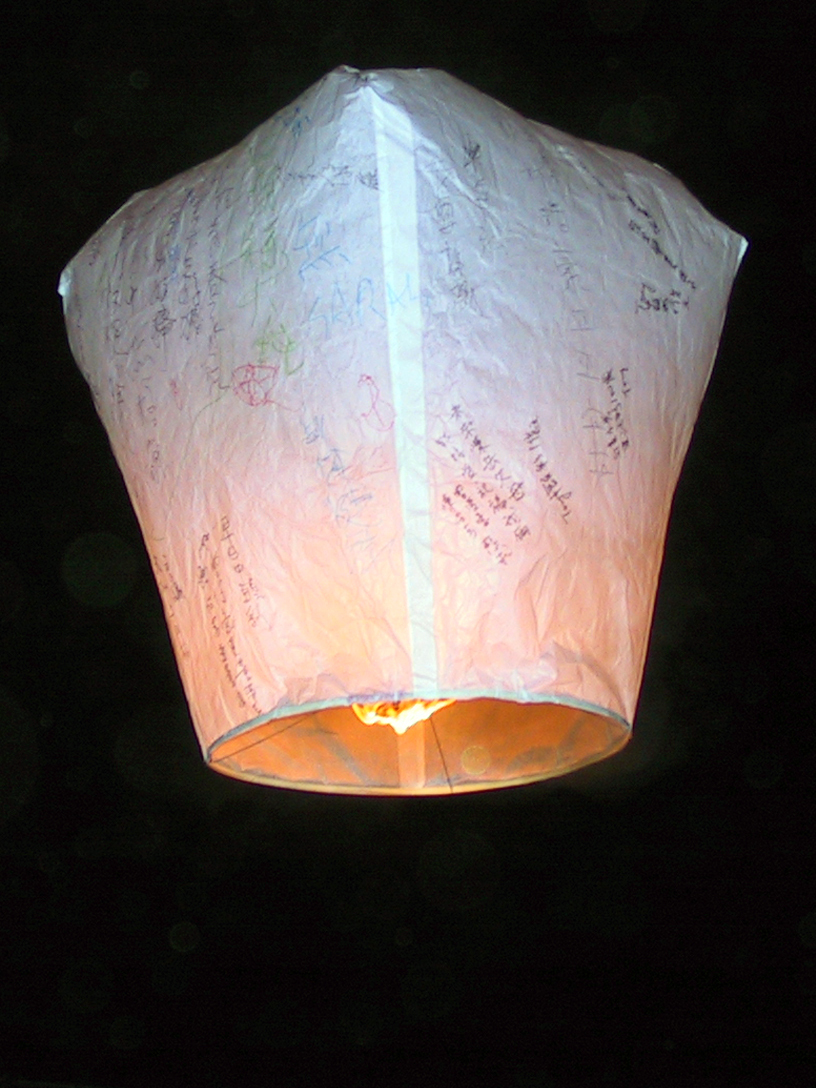 🇨🇳 China and 5 moreSky lantern天燈
A paper hot air balloon lifted by flame to carry wishes and blessingsRite · Luck and prosperity · Protection Living
🇨🇳 China and 5 moreSky lantern天燈
A paper hot air balloon lifted by flame to carry wishes and blessingsRite · Luck and prosperity · Protection Living
Related elsewhere
All charm 🇧🇪 Belgium and 2 moreHorseshoe
A metal shoe for a horse's hoof and a talisman of good fortuneCharm · Protection · Luck and prosperity Living
🇧🇪 Belgium and 2 moreHorseshoe
A metal shoe for a horse's hoof and a talisman of good fortuneCharm · Protection · Luck and prosperity Living
 🇪🇬 Egypt and 3 moreAmulet
A portable object worn or carried to ward off harm and invite fortuneCharm · Protection · Luck and prosperity Living
🇳🇿 New ZealandKarakia
Māori recitations used for spiritual guidance, protection, and formal greetingsTradition · Protection · Speaking with spirits and the dead Living
🇪🇬 Egypt and 3 moreAmulet
A portable object worn or carried to ward off harm and invite fortuneCharm · Protection · Luck and prosperity Living
🇳🇿 New ZealandKarakia
Māori recitations used for spiritual guidance, protection, and formal greetingsTradition · Protection · Speaking with spirits and the dead Living
 🇮🇳 India and 5 moreKolamகோலம்
A daily geometric floor drawing made with rice flour at the home entrance in South IndiaTradition · Protection · Luck and prosperity Living
🇮🇳 India and 5 moreKolamகோலம்
A daily geometric floor drawing made with rice flour at the home entrance in South IndiaTradition · Protection · Luck and prosperity Living