Chimimōryō
In its own language: 魑魅魍魎
from Chinese characters meaning mountain and swamp spirits
A Chinese term for mountain and river spirits that spread to Japan and Vietnam
Chimimōryō refers to a class of demons and ghosts from ancient Chinese legends. The concept describes spirits born from natural elements like mountains, rivers, trees, and rocks. It later appeared in Japanese folklore and Vietnamese literature as a general term for monsters.
- Originated in China roughly 2,500 years ago
- Refers to monsters of mountains and rivers
- Appears in the ancient text Zuo Zhuan
- Associated with oni in Japanese folklore
- Used in Vietnamese classical literature
What it is
The term Chimimōryō denotes a group of supernatural entities rooted in ancient Chinese mythology. These beings are described as monsters inhabiting mountains and rivers. They represent various types of demons and ghosts that were believed to cause harm or confusion. The concept evolved over centuries, spreading beyond its Chinese origins to influence neighboring cultures in East Asia.
Where it comes from
The phrase originated in China approximately two thousand five hundred years ago. It appears in ancient historical records such as the Zuo Zhuan. Early texts linked the term to spirits that troubled people in wild places like swamps and forests. The original meaning covered all kinds of demonic creatures, reflecting early fears of the untamed natural world.
Chimimōryō, drawn and placed
- Living
- Revived
- Fading
- Historical
- Legendary
- Performed
- Lineage
- East Asian demonology
What it is for
These spirits are associated with causing trouble for humans. Chimei is said to be charming and deceptive, while Wangliang is described as fooling people. In some accounts, they are linked to death or the consumption of the dead. The entities serve as personifications of dangers found in remote natural environments.
Peoples and places
In Japan, the term became part of local folklore and was associated with oni and mountain gods. Japanese dictionaries from the Heian period classified them as a type of oni called sudama. Later encyclopedias viewed them as water gods or mountain deities. Vietnamese literature also adopted the term, using it as a broad label for demons and monsters in classical texts.
At a glance: who, where and when
Peoples
Belief worlds
What people believe
The worldview behind these spirits involves nature itself possessing life energy. Chimei is thought to emerge from the atmosphere of forests and stones. Wangliang arises from the vitality of water, trees, and rocks. Some descriptions suggest they take human-like forms but retain animal features, such as red skin or beast heads, blending the human and natural worlds.
Compare and confuse
The concept overlaps with other East Asian categories of supernatural beings. In Japan, chimimōryō relates to yōkai and mononoke. The term is also connected to yaoguai in Chinese tradition. While distinct, these groups share themes of spirits arising from objects or places in nature.
Questions people ask about Chimimōryō
What does Chimimōryō mean?
It is a Chinese term referring to monsters of the mountains and rivers. It originally described all kinds of demons and ghosts found in ancient legends.
Where did the term come from?
The term originated in China about 2,500 years ago. It first appeared in ancient chronicles like the Zuo Zhuan regarding spirits in swamps and forests.
How is it used in Japan?
In Japan, it is linked to oni and mountain gods. Historical dictionaries classified them as a type of spirit called sudama or water deities.
Good reading and sources
The facts on this page come from the Wikipedia article "Chimimōryō", written by its contributors and used under the CC BY-SA 4.0 licence, and from its Wikidata record (CC0). EveryJaadu rewrote the text in its own words, with AI assistance, and compares every page with the article to make sure no passage is copied. It may be reused under the same CC BY-SA 4.0 licence with a link back.
It may contain mistakes. Names and customs differ from one community to the next, and some knowledge is closed to outsiders and left out here. This page describes belief and practice. It does not say that any of it works, it is not a how-to, and it is not medical advice. If something is wrong, tell us. Last refreshed 2026-10-06.
More from Japan
All the entries from Japan 🇨🇳 China and 3 moreChinese dragon龍
A legendary water deity and imperial symbol in East Asian cultureBeing · Protection · Luck and prosperity Historical
🇨🇳 China and 3 moreChinese dragon龍
A legendary water deity and imperial symbol in East Asian cultureBeing · Protection · Luck and prosperity Historical
 🇯🇵 JapanOni鬼(おに)
A horned demon of Japanese folklore known for strength and evil deedsBeing · Cursing and harm · Luck and prosperity Legendary
🇯🇵 JapanOni鬼(おに)
A horned demon of Japanese folklore known for strength and evil deedsBeing · Cursing and harm · Luck and prosperity Legendary
 🇯🇵 JapanBaku獏
A Japanese spirit said to eat bad dreams and protect sleepersBeing · Protection Living
🇯🇵 JapanKuda-gitsune管狐 (kuda-gitsune)
A small spirit kept in a tube or sleeve to aid fortune-telling and cursing in Japanese folklore.Being · Seeing and foretelling · Cursing and harm Legendary
🇯🇵 JapanBaku獏
A Japanese spirit said to eat bad dreams and protect sleepersBeing · Protection Living
🇯🇵 JapanKuda-gitsune管狐 (kuda-gitsune)
A small spirit kept in a tube or sleeve to aid fortune-telling and cursing in Japanese folklore.Being · Seeing and foretelling · Cursing and harm Legendary
Related elsewhere
All being 🇷🇸 Serbia and 5 moreVampire
An undead creature from folklore that feeds on the blood or life force of the livingBeing · Cursing and harm · Luck and prosperity Legendary
🇷🇸 Serbia and 5 moreVampire
An undead creature from folklore that feeds on the blood or life force of the livingBeing · Cursing and harm · Luck and prosperity Legendary
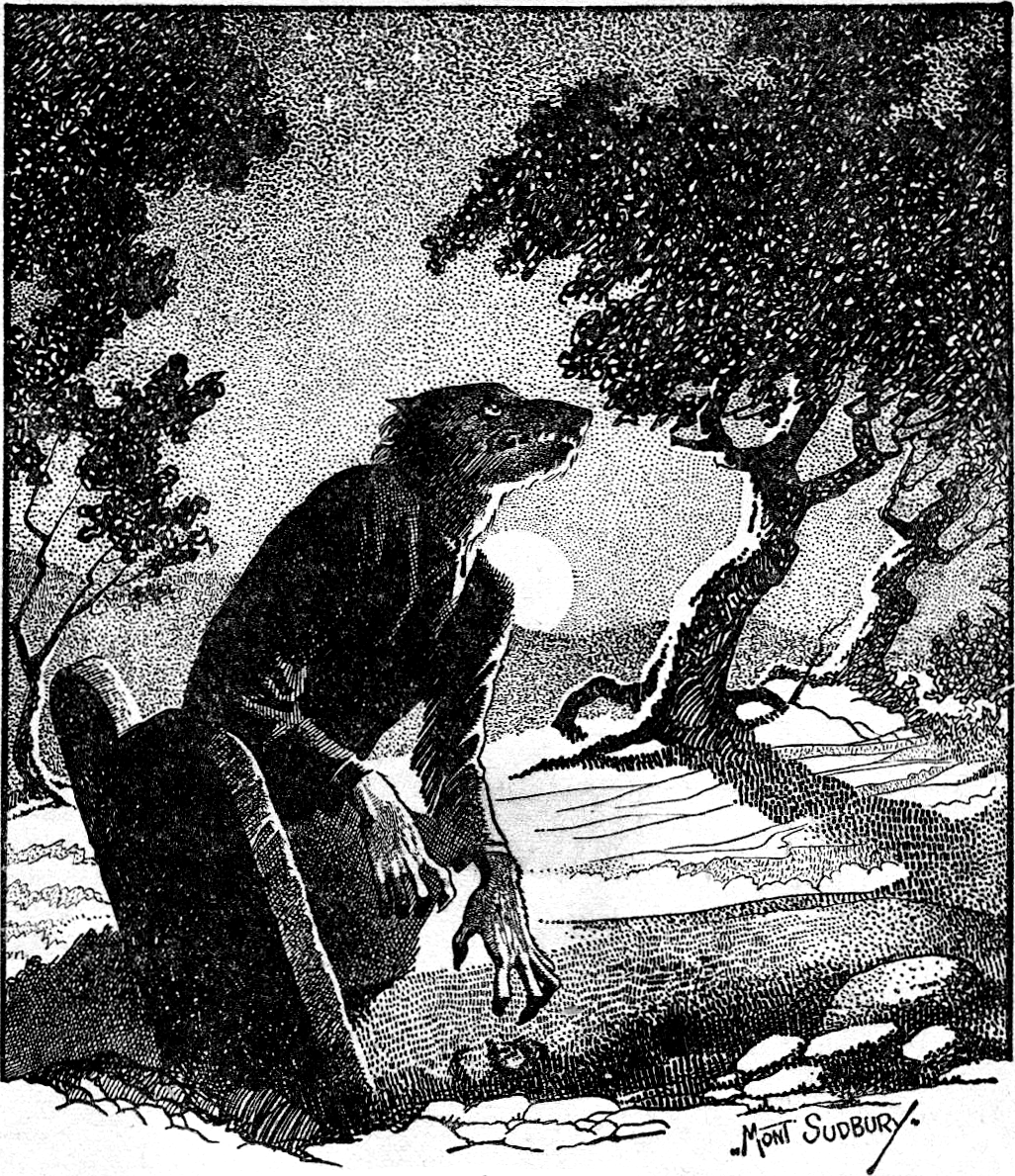 🇫🇷 France and 5 moreWerewolf
A mythical shapeshifter that turns into a wolf, central to European witch-hunts and Gothic horror.Being · Cursing and harm · Wonder and entertainment Legendary
🇫🇷 France and 5 moreWerewolf
A mythical shapeshifter that turns into a wolf, central to European witch-hunts and Gothic horror.Being · Cursing and harm · Wonder and entertainment Legendary
 🇪🇬 Egypt and 1 moreLilithלִילִית
A feminine figure from Mesopotamian and Jewish mythology, often depicted as a night demon or spirit.Being · Cursing and harm Legendary
🇪🇬 Egypt and 1 moreLilithלִילִית
A feminine figure from Mesopotamian and Jewish mythology, often depicted as a night demon or spirit.Being · Cursing and harm Legendary
 🇪🇬 EgyptCurse
A spoken wish for misfortune to befall a person or placeBelief · Cursing and harm · Luck and prosperity Historical
🇪🇬 EgyptCurse
A spoken wish for misfortune to befall a person or placeBelief · Cursing and harm · Luck and prosperity Historical