Ukehi
In its own language: 誓
from Early Middle Japanese ukefi, meaning 'divination by oath'
A Japanese divination ritual using oaths and sortition to seek the will of the kami
Ukehi is a form of cleromancy practiced in Japan to communicate with kami through oaths and random selection. Practitioners believe the spirits influence the outcome to reveal their will or predict events.
- Ukehi means 'divination by oath' in Japanese
- Uses bamboo slips shaken in a container
- Believed to allow kami to influence outcomes
- Documented in the Nihon Shoki
- Used to predict events and manipulate nature
What it is
Ukehi is a traditional Japanese divination ritual rooted in Shinto belief. It functions as a method of cleromancy, where practitioners use sortition, random selection, to determine the will of the kami. The core concept involves making an oath or vow while asking a question. The outcome of the random process is interpreted as a direct message from the spirit world. If the result aligns with the petitioner's hope, it signals approval. If nothing occurs or the result is unfavorable, it indicates the kami do not support the action. This practice bridges the gap between human inquiry and divine response through tangible, randomized physical acts.
Where it comes from
The term derives from the Early Middle Japanese word ukefi, which evolved into the modern pronunciation ukei. It carries the literal meaning of 'divination by oath.' Historical records, such as the Nihon Shoki, document early forms of the practice. One notable instance involves Emperor Jinmu submerging jars of sweet rice syrup into a river to observe if fish would become intoxicated, signaling divine approval. Another mythological account describes the deities Amaterasu and Susanoo-no-Mikoto performing ukehi to bring forth new deities. These origins tie the ritual deeply to ancient Japanese mythology and imperial history.
How it is done
Petitioners typically inscribe possible choices on bamboo slips. These slips are placed in a container and shaken. The slip that falls out dictates the course of action. Alternatively, practitioners might wait for a natural omen, such as weather changes or dream visions, to confirm the answer. The process requires a solemn oath. In some variations, like ukehigari, hunting elements were involved. The ritual demands patience and interpretation of subtle signs. A lack of response is itself an answer, indicating disfavor. The procedure is described as potentially dangerous, akin to unstable footing, due to the high stakes of divine judgment.
Tools and materials
Bamboo slips serve as the primary medium for recording options. Containers hold these slips during the shaking process. In specific historical variants, jars of ame (rice syrup) and river water were used. The environment plays a role, with rivers and natural settings often chosen for the ritual. The tools are simple, relying on natural materials rather than complex machinery. The focus remains on the randomness of the fall or the appearance of the omen.
Ukehi, drawn and placed
- Living
- Revived
- Fading
- Historical
- Legendary
- Performed
- Lineage
- Shinto
- Timing
- when seeking divine guidance or predicting outcomes
What it is for
Practitioners use ukehi to gain information, establish the will of the kami, or predict future events. Historically, it was also believed to have power over living beings, weather, and even enemies. Nineteenth-century practitioner Hayashi Ōen listed six functions: seeking messages, determining will, predicting outcomes, animating or debiliting beings, manipulating weather, and killing enemies. While modern interpretations focus on foresight, the historical scope included potent magical effects. Petitioners sought clarity in uncertain times or authorization for significant actions.
Who does it
The ritual was performed by individuals seeking divine guidance. In the late nineteenth century, Hayashi Ōen and his pupil Otaguro Tomoo conducted ukehi rituals. Otaguro claimed divine authorization from these rites to initiate the Shinpūren rebellion. This highlights the potential political and social impact of the practice. Practitioners acted as intermediaries, interpreting the random outcomes as spiritual directives. The role required trust in the kami's influence over physical objects and natural phenomena.
Peoples and places
Ukehi is identified with Japanese culture and Shinto tradition. It appears in foundational texts like the Nihon Shoki. The practice reflects the Shinto worldview where kami are accessible through ritual. Different periods saw variations, from imperial myths to Edo-period cleromancy. The ritual connects the community to its ancestral beliefs and the natural world. It remains a part of the historical record of Japanese spiritual practices.
At a glance: who, where and when
What people believe
The underlying belief is that kami can influence random events to communicate their will. Sortition is not seen as mere chance but as guided by spiritual forces. The oath strengthens the connection, binding the petitioner to the truth of the outcome. Dreams are also considered valid channels for divine communication within this framework. The system assumes a responsive universe where human questions receive tangible answers.
When it is done
It is performed when needed, often during crises or moments requiring decision-making. The timing is driven by necessity rather than seasonal cycles. Petitioners engage in the ritual when they seek clarity or divine intervention for specific problems.
How scholars and sceptics see it
Hayashi Ōen, a nineteenth-century figure, documented the functions of ukehi. His work provides insight into how the ritual was understood in later periods. Modern scholars view ukehi as a form of cleromancy. The practice is studied in the context of Shinto history and Japanese folklore. Literary works, such as Yukio Mishima's Runaway Horses, reference the ritual, highlighting its cultural resonance.
Cautions and what is closed
The ritual was historically associated with harmful intents, including killing enemies or manipulating weather. Such uses reflect fears of sorcery and the perceived power of the rite. In modern contexts, ukehi is viewed as a historical or literary subject. There are no known contemporary widespread practices. The danger lies in the historical misuse of such beliefs for violence or coercion.
Compare and confuse
Ukehi is similar to flipism, which relies on random outcomes for decisions. Both use chance to simulate divine or external guidance. However, ukehi is embedded in Shinto theology and involves oaths. Other forms of divination may use different tools, such as bones or stars. The emphasis on oath-taking distinguishes it from purely mechanical chance methods.
Law and persecution
It is treated as a historical religious practice. In modern Japan, it holds no official legal standing but is recognized as part of cultural heritage. There are no reported laws banning or protecting the practice specifically.
Today
Ukehi survives primarily in historical texts and literature. It is referenced in academic studies of Shinto and Japanese history. Some practitioners may study it as part of traditional knowledge. The ritual does not appear to be widely practiced in contemporary daily life. Its legacy persists through literary depictions and scholarly interest.
Questions people ask about Ukehi
What is ukehi?
Ukehi is a Japanese divination ritual involving oaths and sortition. Practitioners ask kami questions and interpret random outcomes, such as falling bamboo slips, as divine answers.
Where did ukehi originate?
It originates in Japan, rooted in Shinto tradition. Early forms appear in the Nihon Shoki, linking it to imperial mythology and ancient spiritual practices.
How is the ritual performed?
Options are written on bamboo slips, shaken in a container, and the falling slip determines the action. Petitioners may also await omens or dreams as responses.
What is the purpose of ukehi?
It is used to foresee events, establish the will of kami, or gain information. Historically, it was also believed to influence weather, health, and enemies.
Good reading and sources
The facts on this page come from the Wikipedia article "Ukehi", written by its contributors and used under the CC BY-SA 4.0 licence, and from its Wikidata record (CC0). EveryJaadu rewrote the text in its own words, with AI assistance, and compares every page with the article to make sure no passage is copied. It may be reused under the same CC BY-SA 4.0 licence with a link back.
It may contain mistakes. Names and customs differ from one community to the next, and some knowledge is closed to outsiders and left out here. This page describes belief and practice. It does not say that any of it works, it is not a how-to, and it is not medical advice. If something is wrong, tell us. Last refreshed 2026-10-06.
More from Japan
All the entries from Japan 🇯🇵 Japan and 1 moreMisogi禊
A Shinto rite of full-body purification using cold waterRite · Cleansing and purification · Speaking with spirits and the dead Living
🇯🇵 JapanKitsunetsuki狐憑き
A Japanese folk belief in which a fox spirit enters and controls a human host.Belief · Cursing and harm · Speaking with spirits and the dead Historical
🇯🇵 Japan and 1 moreMisogi禊
A Shinto rite of full-body purification using cold waterRite · Cleansing and purification · Speaking with spirits and the dead Living
🇯🇵 JapanKitsunetsuki狐憑き
A Japanese folk belief in which a fox spirit enters and controls a human host.Belief · Cursing and harm · Speaking with spirits and the dead Historical
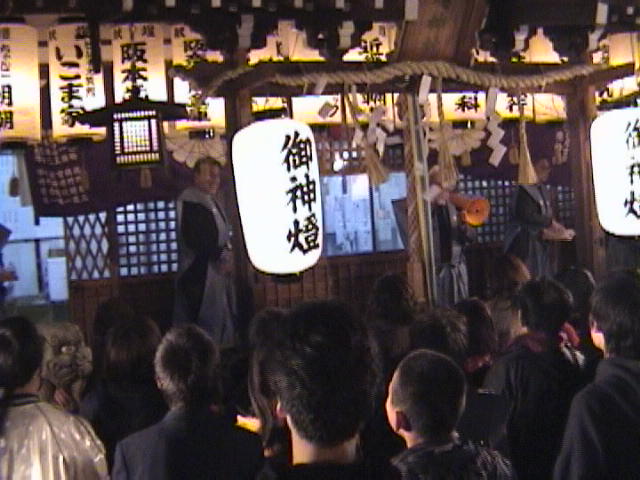 🇯🇵 JapanSetsubun節分
A Japanese seasonal rite to drive away bad luck and welcome spring with roasted beansRite · Protection · Luck and prosperity Living
🇯🇵 JapanSetsubun節分
A Japanese seasonal rite to drive away bad luck and welcome spring with roasted beansRite · Protection · Luck and prosperity Living
 🇯🇵 JapanHyakumonogatari Kaidankai百物語怪談会
An Edo period Japanese parlour game where ghost stories extinguish candles one by oneRite · Cursing and harm · Wonder and entertainment Historical
🇯🇵 JapanHyakumonogatari Kaidankai百物語怪談会
An Edo period Japanese parlour game where ghost stories extinguish candles one by oneRite · Cursing and harm · Wonder and entertainment Historical
Related elsewhere
All rite 🇮🇸 Iceland and 2 moreSeiðr
A Norse magic of fate and spirit, practiced by seers and sorcerers in the Viking Age.Tradition · Seeing and foretelling · Cursing and harm Revived
🇮🇸 Iceland and 2 moreSeiðr
A Norse magic of fate and spirit, practiced by seers and sorcerers in the Viking Age.Tradition · Seeing and foretelling · Cursing and harm Revived
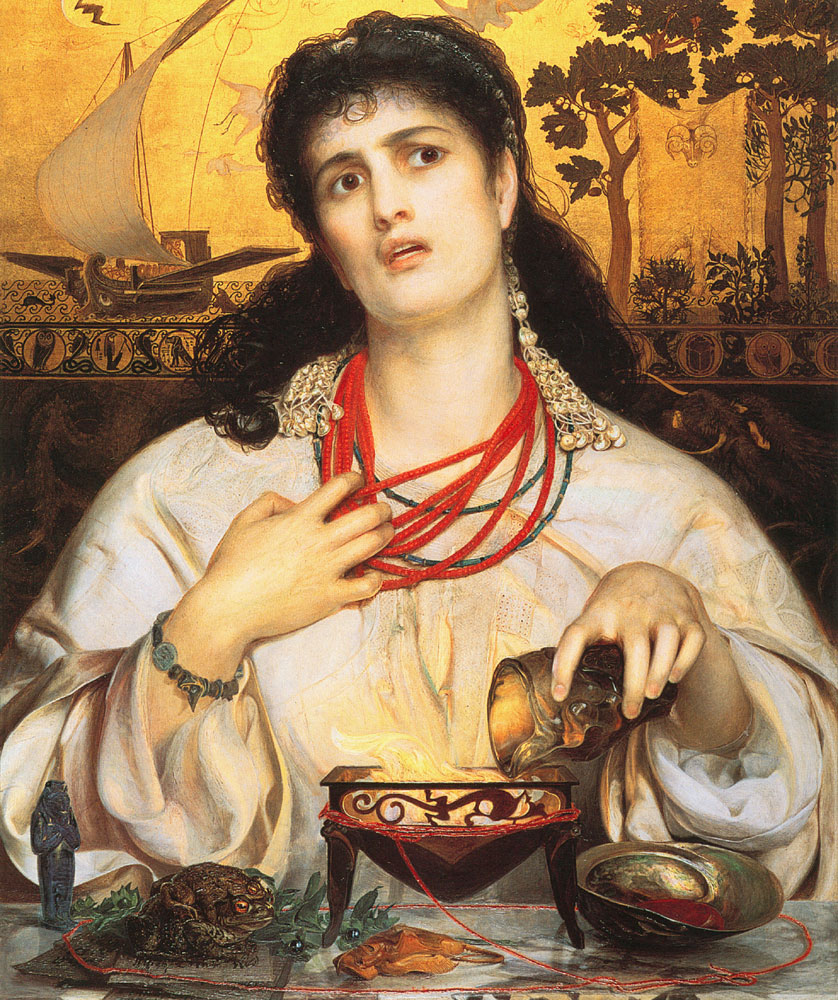 🇬🇷 GreeceMedeaΜήδεια
A sorceress and princess of Colchis who aids Jason and uses magic for revenge.Figure · Cursing and harm · Healing Legendary
🇬🇷 GreeceMedeaΜήδεια
A sorceress and princess of Colchis who aids Jason and uses magic for revenge.Figure · Cursing and harm · Healing Legendary
 🇬🇷 Greece and 2 moreMagic in the Greco-Roman world
Private supernatural practices in ancient Greece and Rome, distinct from public state religion.Tradition · Protection · Cursing and harm Historical
🇬🇷 Greece and 2 moreMagic in the Greco-Roman world
Private supernatural practices in ancient Greece and Rome, distinct from public state religion.Tradition · Protection · Cursing and harm Historical