Folk and village custom: magic in this belief world
Rural and household beliefs that belong to no single organised religion.
Folk and village custom is the large body of belief and practice that belongs to no organised religion: the charm against the evil eye, the cure for warts, the fairy hawthorn, the household spirit, the lucky day. It is passed within families and communities and exists in every society. This page looks at how it is kept, who keeps it, and why it is both valued and dismissed. It is also called popular religion, vernacular religion or lived religion by scholars.
Keepers and settings
Keepers are often older women, farmers, midwives, shepherds and craftsmen. Settings are the house, field, well, crossroads and church porch. European cunning folk offered help for fees and kept charms and books. In many Asian and African villages the specialist is a healer, a diviner or a spirit medium working beside religion. The same grandmother may light a candle at church, tie a thread on a child and say a charm for a burn, and see no conflict between them.
Names and labels
The same thing carries many names: the evil eye is the nazar, mal de ojo and ayin hara. Folklorists collected such customs from the nineteenth century, sometimes as relics of a vanished past and sometimes as living culture. The label folk also marks class, since the term often implies rural, poor or uneducated, a bias that modern scholars try to avoid. Where the village has a wise woman or a bone-setter, the community knows what to ask of her and what she will refuse to do.
Religion, state and reform
Churches, mosques and temples have absorbed, tolerated and condemned folk practice in turn. States have banned it as backward: Chinese campaigns against superstition in the twentieth century closed local temples and shrines, and Soviet policy targeted village healers. At times governments have turned to it as national heritage, as in revived festivals across Europe and Asia. Historians and folklorists note that it often keeps old customs alive within newer religions, such as lighting fires at midsummer within Christian saints' days.
Change and commerce
Urban life and migration thin out folk knowledge, while heritage projects and the internet gather it. Customs reappear as products, such as protective charms in shops and festival tourism. Some folk practice carries harm: village accusation of witchcraft, treatments that delay medical care, and fees charged to relieve fear. Illness needs real medical care. In places with active heritage movements, folk custom has become a source of pride, and young people record songs and cures from grandparents before they are lost.
Folk and village custom on EveryJaadu
The entries written up so far, best known first.
 🇨🇳 ChinaPeaches of Immortality仙桃
Legendary Chinese fruits said to grant eternal life to deities and mortalsSubstance · Luck and prosperity · Change and initiation Legendary
🇷🇺 Russia and 1 moreLikhoradkaЛихорадка
A fever spirit in Slavic myth who brings illness and sicknessBeing · Cursing and harm Legendary
🇨🇳 ChinaPeaches of Immortality仙桃
Legendary Chinese fruits said to grant eternal life to deities and mortalsSubstance · Luck and prosperity · Change and initiation Legendary
🇷🇺 Russia and 1 moreLikhoradkaЛихорадка
A fever spirit in Slavic myth who brings illness and sicknessBeing · Cursing and harm Legendary
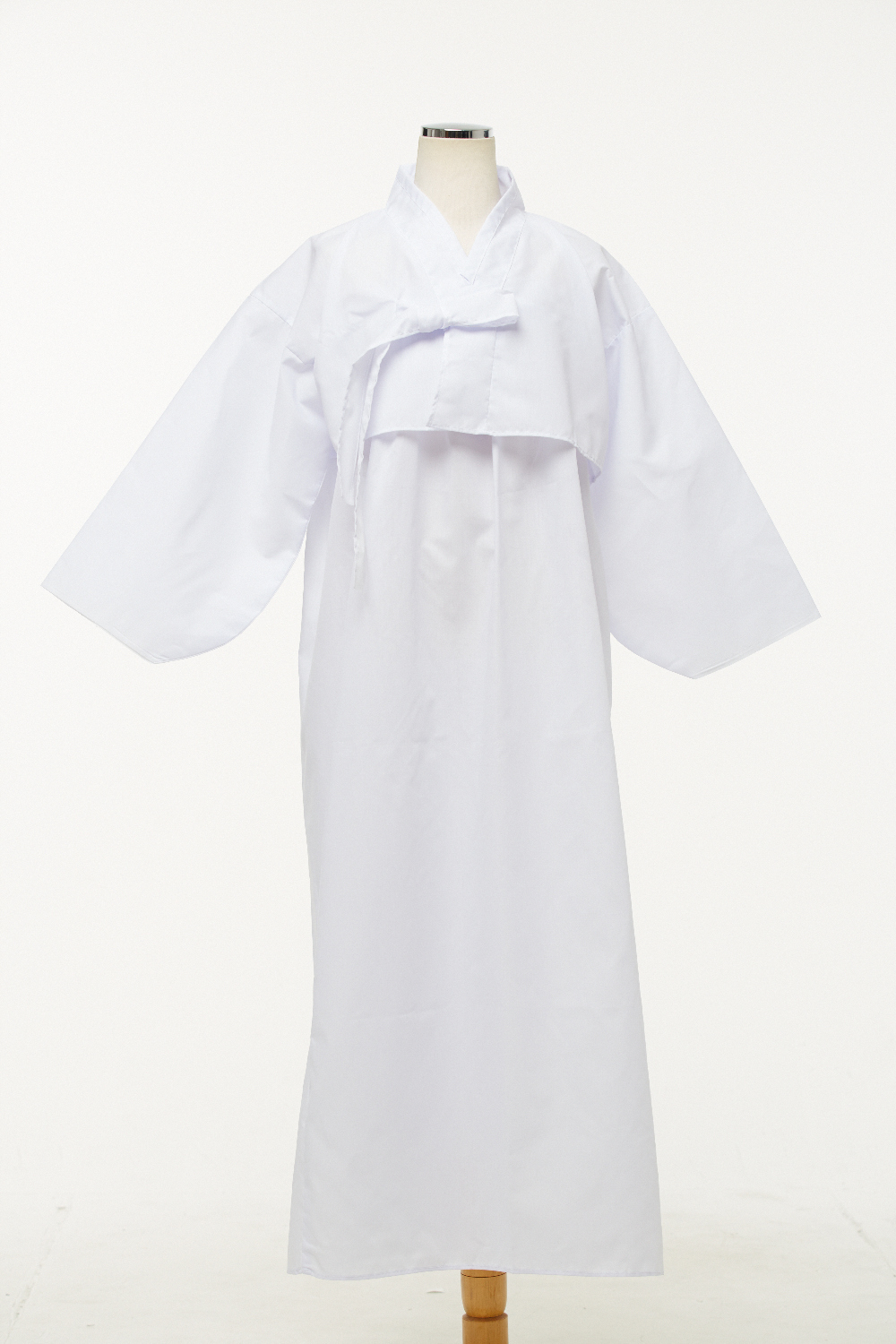 🇰🇷 South KoreaKorean virgin ghost처녀귀신 (cheonyeo-gwisin)
A spirit of an unmarried woman who died with resentment in Korean folklore.Being · Cursing and harm · Binding and oaths Historical
🇰🇷 South KoreaKorean virgin ghost처녀귀신 (cheonyeo-gwisin)
A spirit of an unmarried woman who died with resentment in Korean folklore.Being · Cursing and harm · Binding and oaths Historical
 🇫🇷 France and 1 moreDusios
A Gaulish spirit type later classified as an incubus demon by early Christian writersBeing · Cursing and harm · Power and authority Historical
🇨🇳 China and 4 moreHuoshu火鼠
A legendary fire-resistant rat from Chinese folklore said to yield self-cleaning cloth.Being · Wonder and entertainment Legendary
🇫🇷 France and 1 moreDusios
A Gaulish spirit type later classified as an incubus demon by early Christian writersBeing · Cursing and harm · Power and authority Historical
🇨🇳 China and 4 moreHuoshu火鼠
A legendary fire-resistant rat from Chinese folklore said to yield self-cleaning cloth.Being · Wonder and entertainment Legendary
 🇨🇳 ChinaBenzhuism本主教
The indigenous patron worship of the Bai people in Yunnan, ChinaTradition · Protection · Healing Living
🇨🇳 ChinaBenzhuism本主教
The indigenous patron worship of the Bai people in Yunnan, ChinaTradition · Protection · Healing Living
 🇫🇷 FranceYan-gant-y-tan
A Breton demon who carries five candles and is said to bring bad luck.Being · Cursing and harm · Wonder and entertainment Historical
🇫🇷 FranceYan-gant-y-tan
A Breton demon who carries five candles and is said to bring bad luck.Being · Cursing and harm · Wonder and entertainment Historical
 🇮🇹 ItalyScrofa semilanuta
A legendary sow seen in a dream that became the ancient emblem of Milan.Figure · Wonder and entertainment · Seeing and foretelling Historical
🇬🇧 United KingdomTrow
Nocturnal spirits of the Orkney and Shetland islands, known for mischief and musical abduction.Being · Cursing and harm · Wonder and entertainment Historical
🇮🇹 ItalyScrofa semilanuta
A legendary sow seen in a dream that became the ancient emblem of Milan.Figure · Wonder and entertainment · Seeing and foretelling Historical
🇬🇧 United KingdomTrow
Nocturnal spirits of the Orkney and Shetland islands, known for mischief and musical abduction.Being · Cursing and harm · Wonder and entertainment Historical
 🇺🇸 United States and 5 moreSpiritualist church
A worship service led by a medium to communicate with the deceasedTradition · Speaking with spirits and the dead · Healing Living
🇺🇸 United States and 5 moreSpiritualist church
A worship service led by a medium to communicate with the deceasedTradition · Speaking with spirits and the dead · Healing Living
 🇨🇳 ChinaNine-headed bird九頭鳥
A mythical creature from ancient China that became a symbol of deceit.Being · Cursing and harm Legendary
🇨🇳 ChinaNine-headed bird九頭鳥
A mythical creature from ancient China that became a symbol of deceit.Being · Cursing and harm Legendary
 🇩🇪 Germany and 4 moreNight ravennattravn
A nocturnal creature of European folklore, feared as a child-stealer or seen as a ghost in bird form.Being · Cursing and harm Historical
🇩🇪 Germany and 4 moreNight ravennattravn
A nocturnal creature of European folklore, feared as a child-stealer or seen as a ghost in bird form.Being · Cursing and harm Historical
 🇰🇪 Kenya and 5 moreLegio Maria
A Kenyan church blending Catholic rites with beliefs in a Black Christ and visionary apparitionsTradition · Protection · Healing Living
🇮🇹 ItalyMonacielloMunaciello
A Neapolitan sprite linked to the city's underground waterways and hidden wealth.Figure · Luck and prosperity · Cursing and harm Legendary
🇸🇪 SwedenAskafroa
A Scandinavian tree spirit believed to guard the ash and demand appeasement.Being · Cursing and harm · Protection Legendary
🇮🇹 ItalySquasc
A small, tawny creature from Eastern Lombardy folklore that frightens children and plays jokes on young girlsBeing · Cursing and harm · Wonder and entertainment Legendary
🇰🇷 South Korea and 1 moreDokkaebi도깨비
A one-legged supernatural being from Korean folklore, often linked to household objects and magical items.Being · Wonder and entertainment · Luck and prosperity Legendary
🇹🇼 TaiwanMo-sin-a魔神仔
A short, furry forest demon from Taiwanese folklore said to lure travelers into the mountains.Being · Cursing and harm Legendary
🇰🇪 Kenya and 5 moreLegio Maria
A Kenyan church blending Catholic rites with beliefs in a Black Christ and visionary apparitionsTradition · Protection · Healing Living
🇮🇹 ItalyMonacielloMunaciello
A Neapolitan sprite linked to the city's underground waterways and hidden wealth.Figure · Luck and prosperity · Cursing and harm Legendary
🇸🇪 SwedenAskafroa
A Scandinavian tree spirit believed to guard the ash and demand appeasement.Being · Cursing and harm · Protection Legendary
🇮🇹 ItalySquasc
A small, tawny creature from Eastern Lombardy folklore that frightens children and plays jokes on young girlsBeing · Cursing and harm · Wonder and entertainment Legendary
🇰🇷 South Korea and 1 moreDokkaebi도깨비
A one-legged supernatural being from Korean folklore, often linked to household objects and magical items.Being · Wonder and entertainment · Luck and prosperity Legendary
🇹🇼 TaiwanMo-sin-a魔神仔
A short, furry forest demon from Taiwanese folklore said to lure travelers into the mountains.Being · Cursing and harm Legendary
 🇫🇷 FranceMargot the fairy
Earthly fairies of Brittany known for dancing, building monuments, and testing human guests.Being · Luck and prosperity · Cursing and harm Historical
🇯🇵 JapanKinoko木の子
A mountain spirit in Japan that looks like a small child and plays tricks on workers.Being Legendary
🇫🇷 FranceMargot the fairy
Earthly fairies of Brittany known for dancing, building monuments, and testing human guests.Being · Luck and prosperity · Cursing and harm Historical
🇯🇵 JapanKinoko木の子
A mountain spirit in Japan that looks like a small child and plays tricks on workers.Being Legendary
 🇯🇵 JapanSakabashira逆柱
A reversed wooden pillar in Japanese folk belief, said to cause misfortune or ward off disasterBelief · Protection · Cursing and harm Historical
🇨🇳 ChinaPanhu盤瓠
A dragon-dog origin myth of the Yao and She peoples in ChinaFigure · Speaking with spirits and the dead Legendary
🇯🇵 JapanSakabashira逆柱
A reversed wooden pillar in Japanese folk belief, said to cause misfortune or ward off disasterBelief · Protection · Cursing and harm Historical
🇨🇳 ChinaPanhu盤瓠
A dragon-dog origin myth of the Yao and She peoples in ChinaFigure · Speaking with spirits and the dead Legendary
 🇲🇲 MyanmarMythical creatures in Burmese folklore
A collection of spirits, beasts and hybrids from Myanmar's stories and playsBeing · Wonder and entertainment Living
🇵🇹 Portugal and 1 moreCabra cabriola
A fire-breathing goat bogeyman used to frighten children in Portuguese and Brazilian folkloreBeing · Cursing and harm Living
🇳🇴 NorwayDeildegast
A Norwegian ghost bound to boundary stones it moved in lifeBeing · Cursing and harm Historical
🇲🇲 MyanmarMythical creatures in Burmese folklore
A collection of spirits, beasts and hybrids from Myanmar's stories and playsBeing · Wonder and entertainment Living
🇵🇹 Portugal and 1 moreCabra cabriola
A fire-breathing goat bogeyman used to frighten children in Portuguese and Brazilian folkloreBeing · Cursing and harm Living
🇳🇴 NorwayDeildegast
A Norwegian ghost bound to boundary stones it moved in lifeBeing · Cursing and harm Historical
 🇭🇺 Hungary and 1 moreSárkány
A winged reptilian beast from Hungarian folklore, linked to weather and literary heroes.Being · Cursing and harm · Wonder and entertainment Historical
🇵🇭 PhilippinesTiyanak
A vampiric creature in Philippine mythology that mimics a baby to lure travelers.Being · Cursing and harm · Luck and prosperity Living
🇷🇺 Russia and 1 moreNew IsraelНовый Израиль
A Russian sectarian movement that established a farming commune in UruguayTradition Living
🇲🇾 MalaysiaSang Sapurba
A legendary ancestor figure in Malay and Minangkabau royal genealogiesFigure · Power and authority Legendary
🇭🇺 Hungary and 1 moreSárkány
A winged reptilian beast from Hungarian folklore, linked to weather and literary heroes.Being · Cursing and harm · Wonder and entertainment Historical
🇵🇭 PhilippinesTiyanak
A vampiric creature in Philippine mythology that mimics a baby to lure travelers.Being · Cursing and harm · Luck and prosperity Living
🇷🇺 Russia and 1 moreNew IsraelНовый Израиль
A Russian sectarian movement that established a farming commune in UruguayTradition Living
🇲🇾 MalaysiaSang Sapurba
A legendary ancestor figure in Malay and Minangkabau royal genealogiesFigure · Power and authority Legendary
 🇷🇺 Russia and 2 moreSupernatural beings in Slavic religion
Mythic entities of nature, death, and fate in Slavic folklore and belief.Being · Protection · Cursing and harm Legendary
🇨🇳 China and 1 moreKakuen玃猿 (Jué yuán)
A legendary ape-like creature from Chinese and Japanese folklore known for abducting humans.Being · Cursing and harm Legendary
🇬🇧 United KingdomShoes on a table
A superstition that placing footwear on a table invites bad luck or disrespectBelief · Luck and prosperity Living
🇬🇧 United KingdomCeffyl Dŵr
A Welsh water spirit that takes the form of a horse to test or harm travellers.Being · Cursing and harm · Luck and prosperity Legendary
🇮🇹 ItalyIn bocca al lupo
An Italian idiom wishing good luck by invoking danger, with a response asking for the wolf's death.Belief · Luck and prosperity Living
🇦🇱 AlbaniaXhindi
Invisible spirits in Albanian mythology that appear at night and may help or harm.Being · Cursing and harm · Power and authority Legendary
🇷🇺 Russia and 2 moreSupernatural beings in Slavic religion
Mythic entities of nature, death, and fate in Slavic folklore and belief.Being · Protection · Cursing and harm Legendary
🇨🇳 China and 1 moreKakuen玃猿 (Jué yuán)
A legendary ape-like creature from Chinese and Japanese folklore known for abducting humans.Being · Cursing and harm Legendary
🇬🇧 United KingdomShoes on a table
A superstition that placing footwear on a table invites bad luck or disrespectBelief · Luck and prosperity Living
🇬🇧 United KingdomCeffyl Dŵr
A Welsh water spirit that takes the form of a horse to test or harm travellers.Being · Cursing and harm · Luck and prosperity Legendary
🇮🇹 ItalyIn bocca al lupo
An Italian idiom wishing good luck by invoking danger, with a response asking for the wolf's death.Belief · Luck and prosperity Living
🇦🇱 AlbaniaXhindi
Invisible spirits in Albanian mythology that appear at night and may help or harm.Being · Cursing and harm · Power and authority Legendary
 🇮🇹 ItalyŚuri𐌑𐌖𐌛 (Etruscan)
An ancient Etruscan deity of volcanic fire, the underworld, and healingBeing · Protection · Healing Historical
🇯🇵 JapanTōkyūjutsu淘宮術
A Japanese fortune-telling system based on birth date and facial featuresOracle · Seeing and foretelling · Luck and prosperity Living
🇺🇬 UgandaKilling of disabled children in Uganda
The ritual murder of disabled children in parts of Uganda for body parts and perceived benefitsRite · Cursing and harm · Power and authority Historical
🇻🇳 VietnamChầu vănHát chầu văn
A Vietnamese trance singing art used in deity mediumship ritualsIllusion · Speaking with spirits and the dead Living
🇮🇹 ItalyŚuri𐌑𐌖𐌛 (Etruscan)
An ancient Etruscan deity of volcanic fire, the underworld, and healingBeing · Protection · Healing Historical
🇯🇵 JapanTōkyūjutsu淘宮術
A Japanese fortune-telling system based on birth date and facial featuresOracle · Seeing and foretelling · Luck and prosperity Living
🇺🇬 UgandaKilling of disabled children in Uganda
The ritual murder of disabled children in parts of Uganda for body parts and perceived benefitsRite · Cursing and harm · Power and authority Historical
🇻🇳 VietnamChầu vănHát chầu văn
A Vietnamese trance singing art used in deity mediumship ritualsIllusion · Speaking with spirits and the dead Living
 🇳🇴 NorwayBergen rune charm
A four-sided wooden stick with runic verses for love and protection from medieval Norway.Charm · Love and attraction · Protection Historical
🇳🇴 NorwayBergen rune charm
A four-sided wooden stick with runic verses for love and protection from medieval Norway.Charm · Love and attraction · Protection Historical
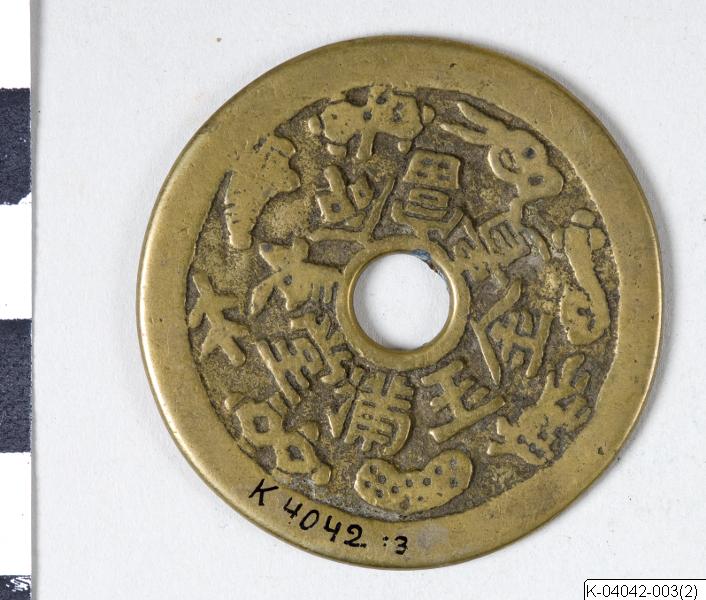 🇨🇳 ChinaEight Treasures八寶 (Bābǎo)
A set of eight symbols in Chinese art and amulets representing good fortune.Charm · Luck and prosperity · Protection Living
🇨🇳 ChinaEight Treasures八寶 (Bābǎo)
A set of eight symbols in Chinese art and amulets representing good fortune.Charm · Luck and prosperity · Protection Living
 🇮🇳 IndiaKadangot Makkam
A North Malabar goddess who became a deity after being killed by her brothers.Being · Protection · Love and attraction Living
🇮🇳 IndiaAsanbibiআসানবিবি
A Bengali folk goddess worshipped with six sisters in southern Bengal.Being · Protection Living
🇬🇧 United KingdomJoan the Wad
A Cornish pixie queen linked to fire and fortuneFigure · Luck and prosperity · Protection Legendary
🇯🇵 JapanHōko這子
A Japanese soft doll used as a protective talisman for mothers and childrenCharm · Protection Historical
🇮🇳 IndiaKadangot Makkam
A North Malabar goddess who became a deity after being killed by her brothers.Being · Protection · Love and attraction Living
🇮🇳 IndiaAsanbibiআসানবিবি
A Bengali folk goddess worshipped with six sisters in southern Bengal.Being · Protection Living
🇬🇧 United KingdomJoan the Wad
A Cornish pixie queen linked to fire and fortuneFigure · Luck and prosperity · Protection Legendary
🇯🇵 JapanHōko這子
A Japanese soft doll used as a protective talisman for mothers and childrenCharm · Protection Historical
 🇹🇼 TaiwanYin miao陰廟
Temples for wandering spirits in Taiwanese folk religionTradition · Protection · Speaking with spirits and the dead Living
🇹🇼 TaiwanYin miao陰廟
Temples for wandering spirits in Taiwanese folk religionTradition · Protection · Speaking with spirits and the dead Living
 🇬🇧 United KingdomFairy FlagA' Bhratach Shìth
A tattered silk heirloom of Clan MacLeod, said to hold fairy magic and ancient power.Charm · Protection · Luck and prosperity Historical
🇬🇧 United KingdomFairy FlagA' Bhratach Shìth
A tattered silk heirloom of Clan MacLeod, said to hold fairy magic and ancient power.Charm · Protection · Luck and prosperity Historical
Photo credits on this page
The small pictures above come from Wikimedia Commons under free licences. Some are cropped to fit.
- Supernatural beings in Slavic religion: Bartolomeo Giuliano, CC BY-SA 3.0, source
- Korean virgin ghost: 국립국어원, CC BY-SA 2.0 kr, source
- Kadangot Makkam: Shagil Kannur, CC BY-SA 4.0, source
- Śuri: Marie-Lan Nguyen, Public domain, source
- Changeling: Henry Fuseli, Public domain, source
- Scrofa semilanuta: M.casanova, CC BY-SA 4.0, source
- Yan-gant-y-tan: Louis Le Breton, Public domain, source
- Peaches of Immortality: Anonymous ( China ) Unknown author, Public domain, source
- Night raven: Kim Diaz Holm (den unge herr Holm), CC BY 4.0, source
- Dusios: Eric Hunt, CC BY-SA 2.5, source
- Benzhuism: G41rn8, CC BY-SA 4.0, source
- Nine-headed bird: Unknown author, Public domain, source
- Mythical creatures in Burmese folklore: Unknown author, CC BY 4.0, source
- Sárkány: Albrecht Dürer, Public domain, source
- Legio Maria: Comondi, CC BY-SA 4.0, source
- Bergen rune charm: Bengt A. Lundberg, CC BY 2.5, source
- Eight Treasures: Etnografiska Museet, CC BY 2.5, source
- Yin miao: Outlookxp, CC BY-SA 4.0, source
- Fairy Flag: Otter, CC BY-SA 3.0, source
- Spiritualist church: Jim.henderson, CC0, source
- Sakabashira: Unknown author, Public domain, source