
Margot the fairy
likely a distortion of Morgana, the Arthurian fairy
Earthly fairies of Brittany known for dancing, building monuments, and testing human guests.
Margot the fairy is a generic term for earthly fairies in the traditions of Brittany and the Mayenne region of France. These powerful beings are believed to descend from Morgana and Mother Earth, possessing abilities like invisibility and metamorphosis while acting as godmothers or child-stealers.
- Named after a distortion of Morgana, the Arthurian fairy
- Known for building monuments like the choir of Notre-Dame de Lamballe
- Act as godmothers who name children and bestow gifts or curses
- Habitat includes megaliths, caves, and rocky mounds in Central Brittany
- Believed to kidnap children and replace them with changelings
What it is
Margot the fairy serves as a collective name for specific earthly fairies within the folklore of Brittany and the Mayenne department in France. These creatures are most prominent in Central Brittany, particularly across the Côtes-d'Armor region. They are considered powerful entities, often linked to the mythical figure Morgana and ancient aspects of the Mother Earth. Unlike other fairy types, they are terrestrial beings who inhabit natural formations such as rocks, mounds, and caves. Their reputation varies widely; they are described as excellent dancers who can be generous hosts or cruel testers of human character. They possess magical abilities including invisibility and transformation, and they are credited with constructing local monuments and hiding vast treasures underground.
Where it comes from
The exact origins of these fairies remain unclear, though scholars suggest a connection to the Arthurian fairy Morgana. The name likely evolved from a distortion of Morgana, reflecting a shared linguistic root related to grandmotherhood or nature. In Lower Brittany, they were originally referred to as Morgana. Some researchers link them to the Morrigane, a Celtic goddess associated with destiny and birds. The transition from Morgana to Margot may represent a secularization of the myth within Breton oral tradition. This lineage places them within a broader framework of European fairy lore, yet their specific characteristics distinguish them as a unique regional variant focused on earthly rather than otherworldly realms.
How it is done
These fairies interact with humans through direct encounters that test human behavior. They often appear in households, sometimes descending through chimneys to perform chores without asking for payment. If offered food, they may return daily to steal it. They act as godmothers at births, naming children and bestowing gifts or curses based on whether they were invited. They also test curiosity by offering gold or objects, punishing greed or indiscretion with bewitchment or physical harm. In some tales, they require human assistance during childbirth or hide their treasures under stones, leading people to search for them near sacred sites like the Margot cave.
Tools and materials
The fairies utilize various objects that reflect both their domestic and magical natures. They are frequently associated with cattle and oxen, which they bring out of their underground dwellings. Their homes are often identified as megaliths or large rocks, which serve as tables, spindles, armchairs, or cradles. Specific items include distaffs and chests made of stone, such as the dolmen in Lamballe. They also handle gold coins, enchanted food, and everyday household goods. These tools symbolize their dual role as providers of wealth and guardians of domestic order, blurring the line between divine intervention and mundane life.
Margot the fairy, drawn and placed
- Living
- Revived
- Fading
- Historical
- Legendary
- Performed
- Lineage
- Brittany folklore
- Timing
- at birth and during household chores
What it is for
People historically engaged with these fairies to seek protection for children, find hidden treasure, or gain favor through ritual offerings. Until the end of the nineteenth century, communities would sacrifice animals at sites like the Margot cave to appease them. Parents sought their blessing for newborns, hoping for good fortune or fearing the replacement of their infants with changelings. The fairies were also consulted indirectly through omens; finding gold or encountering strange animals was seen as a sign of their presence. Their purpose in human life was to enforce moral codes regarding hospitality, discretion, and respect for nature, rewarding kindness and punishing arrogance.
Who does it
No specific priestly class manages these fairies; instead, ordinary households and rural communities interact with them directly. Midwives and mothers were particularly vulnerable to their influence, especially during childbirth. Folklore collectors like Paul Sébillot documented these beliefs, preserving the voices of those who lived near fairy habitats. The fairies themselves operate within a society that mirrors human structures, including marriage and monastic life, suggesting an assimilation into Christian frameworks over time. Gender roles among the fairies are predominantly female, with tales rarely mentioning male counterparts, emphasizing their role as maternal figures or independent women.
Peoples and places
The belief in Margot the fairy is deeply rooted in Breton culture, specifically in the departments of Côtes-d'Armor and Mayenne. It is strongest in Central Brittany, around towns like Collinée, Moncontour, and Lamballe. Similar fairy types exist in neighboring regions, such as the swell fairies of coastal Brittany or the Laminak of the Basque country, but the Margots are distinct in their terrestrial focus and name. The stories spread through oral tradition, collected by folklorists in the late nineteenth and early twentieth centuries. While the belief has faded, the names of places and monuments retain the association, keeping the memory alive in local geography and tourism.
At a glance: who, where and when
Who does it
Peoples
Belief worlds
Occasions


What people believe
The worldview behind these fairies combines pre-Christian nature worship with later Christian influences. They are seen as remnants of an older earth goddess, retaining power over land and livestock. Their ability to turn invisible and transform reflects a belief in a hidden reality layered over the visible world. The integration of Christian elements, such as praying in churches or being aided by the Virgin Mary, shows an attempt to reconcile pagan spirits with dominant religious norms. This duality allows them to be both feared as dangerous tricksters and respected as benevolent protectors, embodying the complex relationship between humans and the natural environment.
When it is done
Interactions with Margot the fairy occur throughout the year but are highlighted during key life events and seasonal cycles. Birth is a critical moment, where their presence determines the child's fate. They are also active during agricultural tasks, guarding herds and influencing harvest outcomes. Nighttime dances on moors and ridges connect them to lunar cycles and wild landscapes.
How scholars and sceptics see it
Anthropologists and folklorists view Margot the fairy as a case study in the evolution of myth and the impact of colonization on local beliefs. Scholars note the deliberate Christianization of fairy tales, where pagan spirits are reshaped to fit moralistic narratives. The comparison with other European fairy types highlights shared Indo-European motifs, such as the changeling and the gift-giving spirit. Researchers emphasize the role of oral tradition in preserving these stories, noting how collectors like Sébillot filtered them through a literary lens. The fading of belief is attributed to modernization and the decline of rural life, leaving behind only geographical markers and historical records.
Cautions and what is closed
Encounters with Margot the fairy carry risks of physical harm and psychological distress. Indiscreet individuals who spy on the fairies or refuse hospitality may suffer blindness, loss of limbs, or bewitchment. The threat of child abduction and replacement with changelings caused significant anxiety among parents, leading to protective rituals and superstitions. Treasure hunting near fairy sites could result in injury or madness, as seekers were warned against greed. These dangers served as social controls, discouraging trespassing on private lands and enforcing community norms of respect and caution in the face of the unknown.
Compare and confuse
Margot the fairy is often compared to the swell fairies of coastal Brittany due to shared traits like invisibility and love of dance. However, Françoise Morvan distinguishes them by their terrestrial habitat versus the otherworldly realm of swell fairies. They also resemble the Lorraine land fairies and the Basque Laminak, who share similar roles as helpers and tricksters. In Arthurian legend, they are linked to Morgana, highlighting a pan-Celtic connection to powerful female figures. This comparison helps situate Breton folklore within a broader European context, showing how local variations adapt universal mythological themes.
Law and persecution
There are no specific laws governing interactions with Margot the fairy, as she belongs to the realm of folklore rather than legal statute. However, historical practices involving animal sacrifice at sacred sites may have conflicted with colonial or state religious authorities. Today, the belief is protected as part of cultural heritage, with sites like the Margot cave recognized for their historical significance. There is no persecution associated with these beliefs in modern times, but the decline of rural communities has reduced active practice. The fairies are now primarily subjects of academic study and tourist interest rather than living spiritual entities.
Today
In contemporary Brittany, Margot the fairy exists mainly in literature, tourism, and local identity. The names of rocks, caves, and churches keep the memory alive, attracting visitors interested in Celtic mythology. Folk festivals occasionally feature performances or storytelling sessions that revive these tales. Scholars continue to analyze the myths for insights into Breton history and psychology. While few people believe in the literal existence of these fairies, the stories remain a vital part of the region's cultural narrative, celebrated for their creativity and connection to the landscape.
Questions people ask about Margot the fairy
What is Margot the fairy?
Margot the fairy is a generic term for earthly fairies in Brittany and Mayenne, France. They are powerful beings linked to Morgana and Mother Earth, known for dancing, transforming, and interacting with humans as godmothers or tricksters.
Where are Margot the fairies found?
They are primarily found in Central Brittany, especially in the Côtes-d'Armor department. Specific locations include the Margot cave, Mount Croquelien, and various megalithic sites across the region.
What do Margot the fairies do?
They test humans by offering gold or gifts, punish greed, and act as godmothers at births. They also build monuments, hide treasures, and sometimes kidnap children to replace them with changelings.
How did the name originate?
The name likely comes from a distortion of Morgana, the famous Arthurian fairy. It reflects a connection to grandmotherhood or nature, evolving from earlier references to Morgana in Lower Brittany.
Are Margot the fairies still worshipped?
Active worship declined by the end of the nineteenth century. Today, they are remembered through folklore, place names, and cultural heritage, with occasional revivals in storytelling and tourism.
Good reading and sources
- Margot the fairy on WikipediaEncyclopedia
- More photos on Wikimedia CommonsPhotos and video
- Wikidata recordOpen data
The facts on this page come from the Wikipedia article "Margot the fairy", written by its contributors and used under the CC BY-SA 4.0 licence, and from its Wikidata record (CC0). EveryJaadu rewrote the text in its own words, with AI assistance, and compares every page with the article to make sure no passage is copied. It may be reused under the same CC BY-SA 4.0 licence with a link back.
It may contain mistakes. Names and customs differ from one community to the next, and some knowledge is closed to outsiders and left out here. This page describes belief and practice. It does not say that any of it works, it is not a how-to, and it is not medical advice. If something is wrong, tell us. Last refreshed 2026-10-06.
More from France
All the entries from France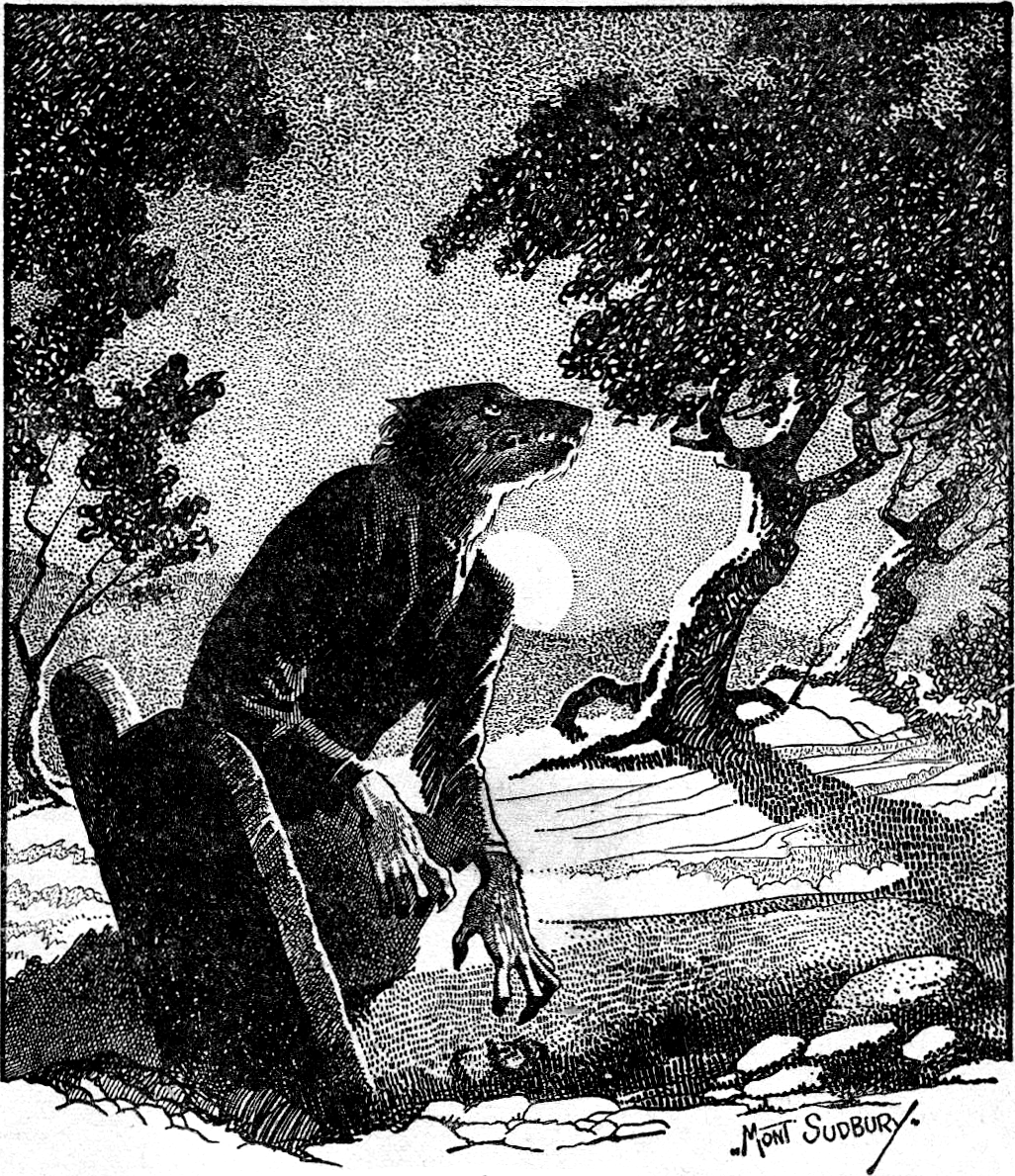 🇫🇷 France and 5 moreWerewolf
A mythical shapeshifter that turns into a wolf, central to European witch-hunts and Gothic horror.Being · Cursing and harm · Wonder and entertainment Legendary
🇫🇷 France and 5 moreWerewolf
A mythical shapeshifter that turns into a wolf, central to European witch-hunts and Gothic horror.Being · Cursing and harm · Wonder and entertainment Legendary
 🇫🇷 France and 1 moreCernunnos
An antlered Celtic deity depicted with torcs and serpents, known from Roman-era Gaul.Being · Power and authority · Luck and prosperity Historical
🇫🇷 France and 1 moreCernunnos
An antlered Celtic deity depicted with torcs and serpents, known from Roman-era Gaul.Being · Power and authority · Luck and prosperity Historical
 🇫🇷 France and 5 moreRevenant
An animated corpse or spirit that returns from the grave to haunt the livingBeing · Cursing and harm Legendary
🇫🇷 France and 5 moreRevenant
An animated corpse or spirit that returns from the grave to haunt the livingBeing · Cursing and harm Legendary
 🇬🇷 Greece and 3 moreHippocampusἱππόκαμπος
A mythological hybrid of a horse and fish from ancient Mediterranean culturesBeing · Wonder and entertainment Legendary
🇬🇷 Greece and 3 moreHippocampusἱππόκαμπος
A mythological hybrid of a horse and fish from ancient Mediterranean culturesBeing · Wonder and entertainment Legendary
Related elsewhere
All being 🇪🇬 EgyptCurse
A spoken wish for misfortune to befall a person or placeBelief · Cursing and harm · Luck and prosperity Historical
🇺🇸 United StatesPukwudgie
A short forest spirit from Algonquian lore, known for mischief and danger.Being · Cursing and harm · Luck and prosperity Legendary
🇪🇬 EgyptCurse
A spoken wish for misfortune to befall a person or placeBelief · Cursing and harm · Luck and prosperity Historical
🇺🇸 United StatesPukwudgie
A short forest spirit from Algonquian lore, known for mischief and danger.Being · Cursing and harm · Luck and prosperity Legendary
 🇮🇳 India and 5 moreHoliहोली
A Hindu spring festival marked by coloured powders and bonfires to celebrate love and virtue.Tradition · Love and attraction · Cursing and harm Living
🇮🇳 India and 5 moreHoliहोली
A Hindu spring festival marked by coloured powders and bonfires to celebrate love and virtue.Tradition · Love and attraction · Cursing and harm Living
 🇺🇸 United States and 2 moreLouisiana Voodoo
An African diasporic religion practiced in Louisiana from the 18th to early 20th centuriesTradition · Healing · Protection Historical
🇺🇸 United States and 2 moreLouisiana Voodoo
An African diasporic religion practiced in Louisiana from the 18th to early 20th centuriesTradition · Healing · Protection Historical