Kōshin
In its own language: 庚申信仰
from the Chinese sexagenary cycle, referring to the Kōshin days
A Japanese folk belief involving vigils to prevent internal spirits from reporting human deeds to heaven
Kōshin is a Japanese folk belief with Taoist roots that holds three entities live within the body and report human actions to a heavenly deity. Practitioners stay awake during specific nights to stop these reports, aiming to avoid illness or shortened life.
- Kōshin is a Japanese folk belief with Taoist origins
- Three Corpses (Sanshi) live inside the body and report deeds
- Practitioners stay awake every sixty days to prevent reporting
- Stone monuments called Kōshin-tō are common in rural areas
- Shōmen-Kongō is a key deity invoked to harm the Sanshi
What it is
Kōshin is a traditional Japanese belief system rooted in Taoism, later shaped by Shinto and Buddhist practices. It centers on the idea that three spiritual entities, known as Sanshi or Three Corpses, reside inside every person. These entities are believed to monitor human behavior and report misdeeds to Tentei, the Heavenly God. This practice is considered a form of folk religion where individuals seek protection from divine punishment through specific rituals.
Where it comes from
The exact arrival of Kōshin in Japan is unknown, but it was established among imperial nobles by the ninth century. A Japanese monk named Ennin noted similar customs in Tang China in 838. During the Muromachi period, Buddhist monks promoted the belief to the general public. The practice grew significantly during the Edo period, leading to widespread popular devotion across the country.
How it is done
The core ritual involves staying awake all night during Kōshin-Machi, a vigil held every sixty days. Believers remain awake to prevent the Sanshi from leaving their bodies to report to Tentei. By keeping watch, practitioners hope to stop the entities from revealing their sins. This act of vigilance is the primary method used to maintain spiritual hygiene and avoid negative consequences.
Tools and materials
Devotion often involves physical markers such as Kōshin-tō, which are stone pillars or monuments erected throughout Japan. Many of these structures remain along roadsides or have been moved to temples and private homes. Worship also utilizes hanging scrolls, religious icons, and stone carvings depicting deities like Shōmen-Kongō, who is invoked to harm the Sanshi directly.
Kōshin, drawn and placed
- Living
- Revived
- Fading
- Historical
- Legendary
- Performed
- Lineage
- Taoist origins influenced by Shinto and Buddhism
- Timing
- every sixty days on Kōshin nights
What it is for
The belief aims to protect individuals from illness, shortened lifespans, or death caused by heavenly retribution. People perform the vigil to ensure they do not incur the wrath of Tentei for their bad deeds. It serves as a moral framework where adherents strive to live virtuously while using the ritual to mitigate any spiritual debt accumulated during the previous cycle.
Who does it
The practice is primarily conducted by household members and common people rather than specialized clergy. While Buddhist monks helped spread the belief historically, modern adherence is largely domestic. The tradition does not require formal initiation, allowing anyone to participate in the vigils and maintain the associated shrines or monuments in their community.
Peoples and places
Kōshin is deeply embedded in Japanese culture, having spread from the imperial court to the broader population. It remains active today, though less prevalent than in past centuries. The belief survived official suppression in the late nineteenth century and continues to be observed by those who value the protective aspects of the tradition against internal spiritual threats.
At a glance: who, where and when
Who does it
Peoples
Belief worlds
Occasions
What people believe
The worldview posits that the human body houses three distinct entities that act as spies for the heavens. Tentei punishes those whose deeds are reported negatively. The cult also venerates Shōmen-Kongō, a fearsome deity with many arms, who is believed to inflict illness upon the Sanshi themselves, thereby preventing them from completing their mission to report to the Heavenly God.
When it is done
Rituals occur on Kōshin days, which appear every sixty days according to the Chinese sexagenary cycle. The main event is the Kōshin-Machi night vigil. Historically, these nights became occasions for community festivities and cultic activities, especially among commoners during the Edo period, transforming a personal vigil into a broader social observance.
Questions people ask about Kōshin
What is Kōshin?
Kōshin is a Japanese folk belief with Taoist origins that involves three entities living inside the body. These entities report human deeds to a heavenly god, and practitioners perform rituals to stop this reporting.
Where does the belief come from?
The belief originated in Taoism and arrived in Japan by the ninth century. It was influenced by Shinto and Buddhist practices, spreading from the imperial court to the general public over centuries.
Why do people stay awake during Kōshin?
Believers stay awake during the sixty-day Kōshin night to prevent the Three Corpses from leaving their bodies. If the entities leave, they report the person's deeds to Tentei, potentially causing illness or death.
Good reading and sources
- Kōshin on WikipediaEncyclopedia
- More photos on Wikimedia CommonsPhotos and video
- Wikidata recordOpen data
The facts on this page come from the Wikipedia article "Kōshin", written by its contributors and used under the CC BY-SA 4.0 licence, and from its Wikidata record (CC0). EveryJaadu rewrote the text in its own words, with AI assistance, and compares every page with the article to make sure no passage is copied. It may be reused under the same CC BY-SA 4.0 licence with a link back.
It may contain mistakes. Names and customs differ from one community to the next, and some knowledge is closed to outsiders and left out here. This page describes belief and practice. It does not say that any of it works, it is not a how-to, and it is not medical advice. If something is wrong, tell us. Last refreshed 2026-10-06.
More from Japan
All the entries from Japan 🇯🇵 Japan and 1 moreMisogi禊
A Shinto rite of full-body purification using cold waterRite · Cleansing and purification · Speaking with spirits and the dead Living
🇯🇵 Japan and 1 moreMisogi禊
A Shinto rite of full-body purification using cold waterRite · Cleansing and purification · Speaking with spirits and the dead Living
 🇯🇵 JapanSetsubun節分
A Japanese seasonal rite to drive away bad luck and welcome spring with roasted beansRite · Protection · Luck and prosperity Living
🇨🇳 China and 3 moreQi氣 / 气
A vital force in Chinese philosophy and medicine, believed to flow through all living things.Substance · Healing · Power and authority Living
🇯🇵 JapanSetsubun節分
A Japanese seasonal rite to drive away bad luck and welcome spring with roasted beansRite · Protection · Luck and prosperity Living
🇨🇳 China and 3 moreQi氣 / 气
A vital force in Chinese philosophy and medicine, believed to flow through all living things.Substance · Healing · Power and authority Living
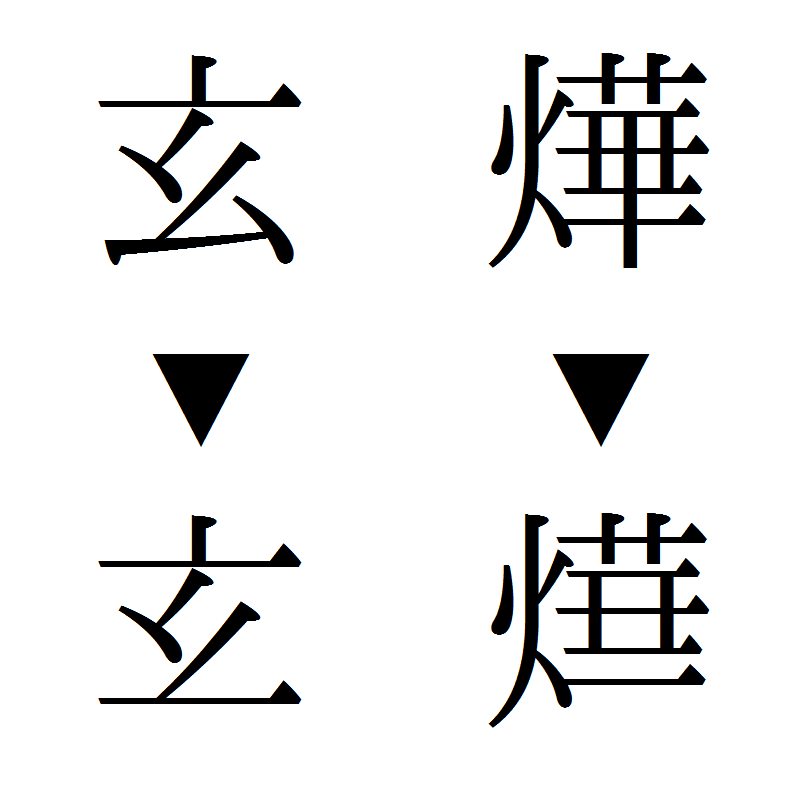 🇨🇳 China and 2 moreNaming taboo避諱
A cultural rule against speaking or writing the names of rulers and ancestors in East AsiaBelief · Protection Historical
🇨🇳 China and 2 moreNaming taboo避諱
A cultural rule against speaking or writing the names of rulers and ancestors in East AsiaBelief · Protection Historical
Related elsewhere
All belief 🇰🇪 Kenya and 1 moreMaasai religion
The spiritual beliefs of the semi-nomadic Maasai people of East AfricaTradition · Protection · Healing Living
🇰🇪 Kenya and 1 moreMaasai religion
The spiritual beliefs of the semi-nomadic Maasai people of East AfricaTradition · Protection · Healing Living
 🇸🇳 Senegal and 1 moreSerer religionA ƭat Roog
The traditional faith of the Serer people, centred on the supreme deity Roog and ancestral veneration.Tradition · Protection · Speaking with spirits and the dead Living
🇸🇳 Senegal and 1 moreSerer religionA ƭat Roog
The traditional faith of the Serer people, centred on the supreme deity Roog and ancestral veneration.Tradition · Protection · Speaking with spirits and the dead Living
 🇺🇸 United StatesFolk healer
An unlicensed community member who provides healing care using local plants and traditional knowledge.Tradition · Healing · Protection Historical
🇺🇸 United StatesFolk healer
An unlicensed community member who provides healing care using local plants and traditional knowledge.Tradition · Healing · Protection Historical
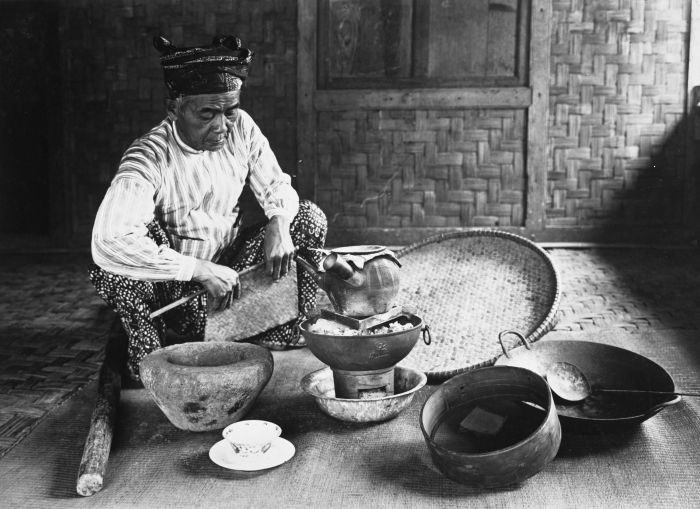 🇮🇩 Indonesia and 2 moreDukun
A traditional healer and spirit medium in Indonesian folk practiceTradition · Healing · Seeing and foretelling Living
🇮🇩 Indonesia and 2 moreDukun
A traditional healer and spirit medium in Indonesian folk practiceTradition · Healing · Seeing and foretelling Living