Folk and village custom: magic in this belief world
Rural and household beliefs that belong to no single organised religion.
Folk and village custom is the large body of belief and practice that belongs to no organised religion: the charm against the evil eye, the cure for warts, the fairy hawthorn, the household spirit, the lucky day. It is passed within families and communities and exists in every society. This page looks at how it is kept, who keeps it, and why it is both valued and dismissed. It is also called popular religion, vernacular religion or lived religion by scholars.
Keepers and settings
Keepers are often older women, farmers, midwives, shepherds and craftsmen. Settings are the house, field, well, crossroads and church porch. European cunning folk offered help for fees and kept charms and books. In many Asian and African villages the specialist is a healer, a diviner or a spirit medium working beside religion. The same grandmother may light a candle at church, tie a thread on a child and say a charm for a burn, and see no conflict between them.
Names and labels
The same thing carries many names: the evil eye is the nazar, mal de ojo and ayin hara. Folklorists collected such customs from the nineteenth century, sometimes as relics of a vanished past and sometimes as living culture. The label folk also marks class, since the term often implies rural, poor or uneducated, a bias that modern scholars try to avoid. Where the village has a wise woman or a bone-setter, the community knows what to ask of her and what she will refuse to do.
Religion, state and reform
Churches, mosques and temples have absorbed, tolerated and condemned folk practice in turn. States have banned it as backward: Chinese campaigns against superstition in the twentieth century closed local temples and shrines, and Soviet policy targeted village healers. At times governments have turned to it as national heritage, as in revived festivals across Europe and Asia. Historians and folklorists note that it often keeps old customs alive within newer religions, such as lighting fires at midsummer within Christian saints' days.
Change and commerce
Urban life and migration thin out folk knowledge, while heritage projects and the internet gather it. Customs reappear as products, such as protective charms in shops and festival tourism. Some folk practice carries harm: village accusation of witchcraft, treatments that delay medical care, and fees charged to relieve fear. Illness needs real medical care. In places with active heritage movements, folk custom has become a source of pride, and young people record songs and cures from grandparents before they are lost.
Folk and village custom on EveryJaadu
The entries written up so far, best known first.
 🇷🇸 Serbia and 5 moreVampire
An undead being from European folklore that feeds on the life force of the living.Being · Cursing and harm Legendary
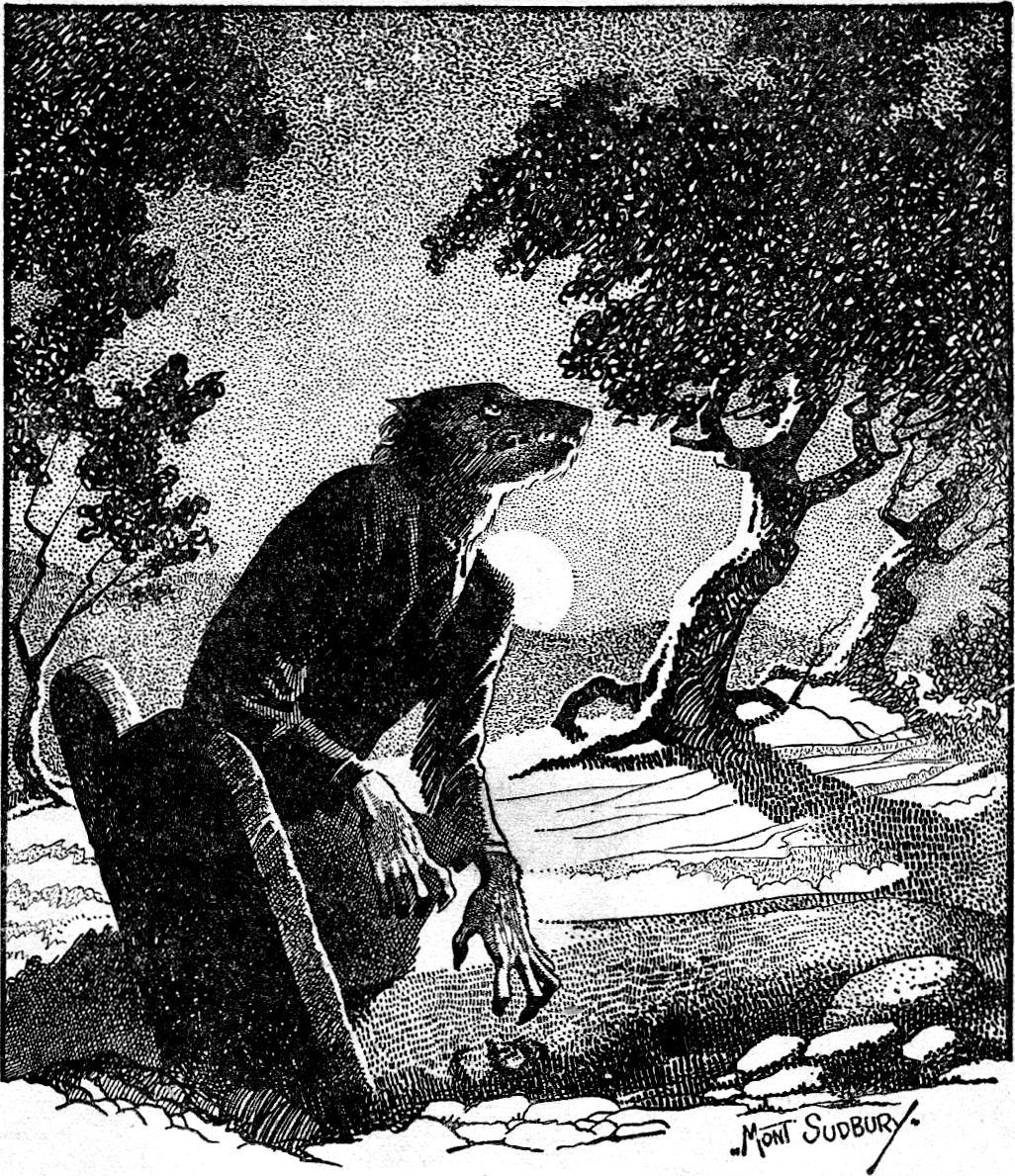 🇨🇭 Switzerland and 5 moreWerewolf
A figure in folklore who transforms into a wolf or hybrid beastFigure · Cursing and harm Legendary
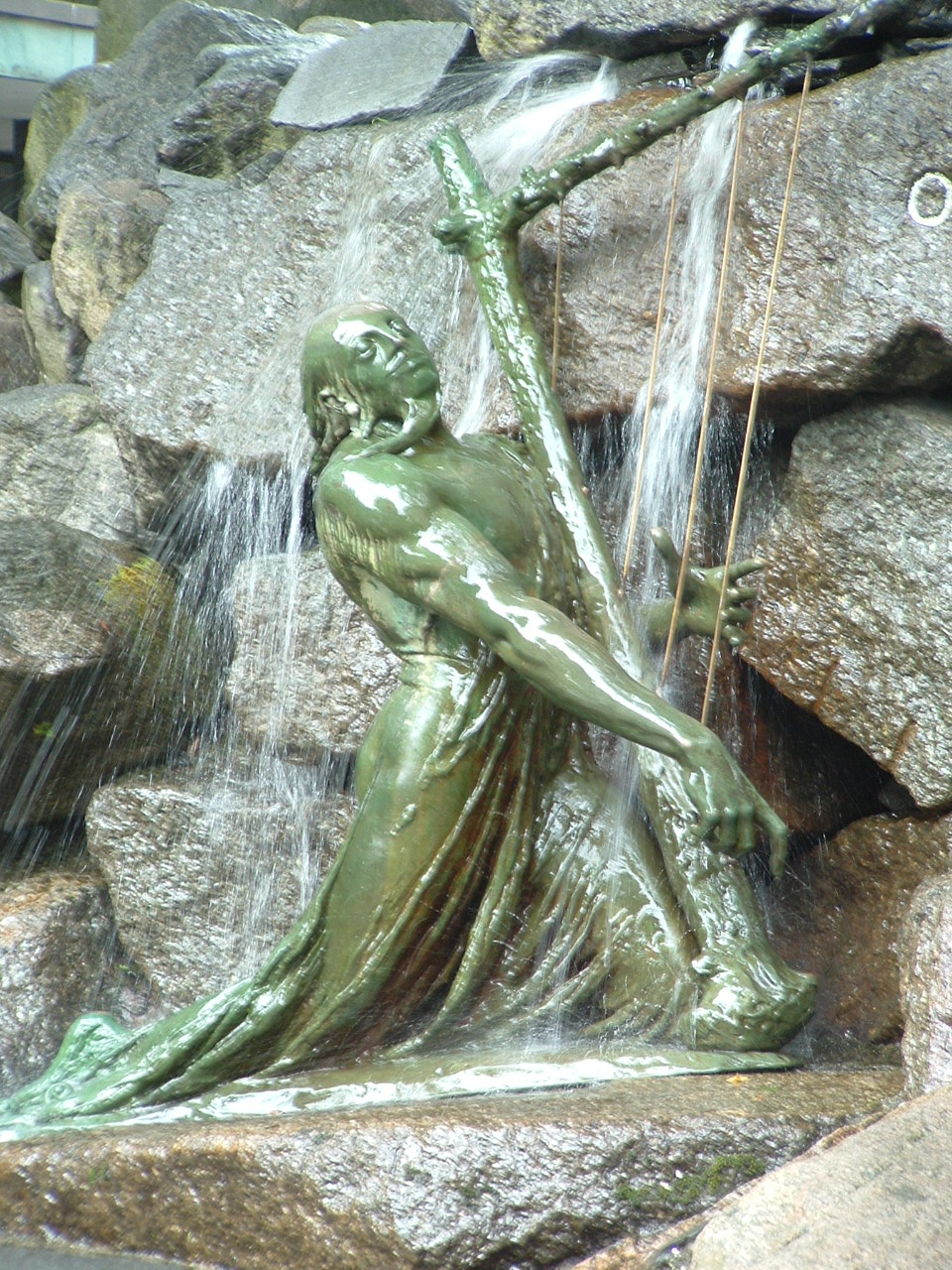 🇳🇴 Norway and 1 moreFossegrim
A Scandinavian water spirit known for teaching fiddle music in exchange for offeringsBeing · Power and authority Legendary
 🇬🇧 United Kingdom and 1 moreBlue men of the Minchna fir ghorma
Mythical blue-skinned spirits of the Scottish strait who challenge sailors to poetry contestsBeing · Cursing and harm · Wonder and entertainment Legendary
 🇮🇩 IndonesiaRangdaᬭᬗ᭄ᬤ
A Balinese demon queen who leads witches in an eternal battle against good.Being · Cursing and harm · Wonder and entertainment Legendary
🇬🇧 United Kingdom and 1 moreFuath
A class of malevolent water spirits in Scottish and Irish folkloreBeing · Cursing and harm Legendary
 🇫🇷 France and 5 moreRevenant
An animated corpse or spirit that returns from the grave to haunt the livingBeing · Cursing and harm Legendary
🇩🇪 Germany and 1 moreNachzehrer
A German revenant believed to consume the living from beyond the graveBeing · Cursing and harm Legendary
 🇮🇪 Ireland and 3 moreChangeling
A substitute left by supernatural beings in place of a stolen human child or adultBeing · Cursing and harm · Luck and prosperity Legendary
 🇮🇸 IcelandNábrók
A pair of pants made from human skin, said to generate endless wealth in Icelandic folklore.Charm · Luck and prosperity Legendary
 🇯🇵 Japan and 1 moreRokurokubiろくろ首
A Japanese spirit with a stretching neck or a flying headBeing · Cursing and harm · Speaking with spirits and the dead Legendary
 🇮🇪 IrelandPúca
A shape-shifting spirit of Celtic folklore that brings fortune or mischiefBeing · Luck and prosperity · Cursing and harm Legendary
 🇫🇷 FranceLady of the LakeDame du Lac
A water spirit who raises knights and captures wizards in Arthurian talesFigure · Protection · Cursing and harm Legendary
 🇷🇺 Russia and 4 moreBaba Yaga
A complex Slavic witch figure who lives in a moving hut and flies in a mortar.Figure · Cursing and harm · Protection Legendary
🇲🇾 Malaysia and 1 moreOrang Minyak
A slippery ghost from Malay folklore that abducts women and is covered in black grease.Being · Cursing and harm Legendary
 🇯🇵 JapanHyakki Yagyō百鬼夜行
A Japanese folklore concept of a night parade of supernatural creaturesBelief · Cursing and harm · Wonder and entertainment Legendary
 🇧🇷 Brazil and 5 moreWhite Lady
A female ghost in white clothing linked to tragedy and omens across many culturesFigure · Cursing and harm · Seeing and foretelling Legendary
🇯🇵 JapanKuda-gitsune管狐 (kuda-gitsune)
A small spirit kept in a tube or sleeve, used by Japanese folk practitioners for divination and cursing.Being · Seeing and foretelling · Cursing and harm Legendary
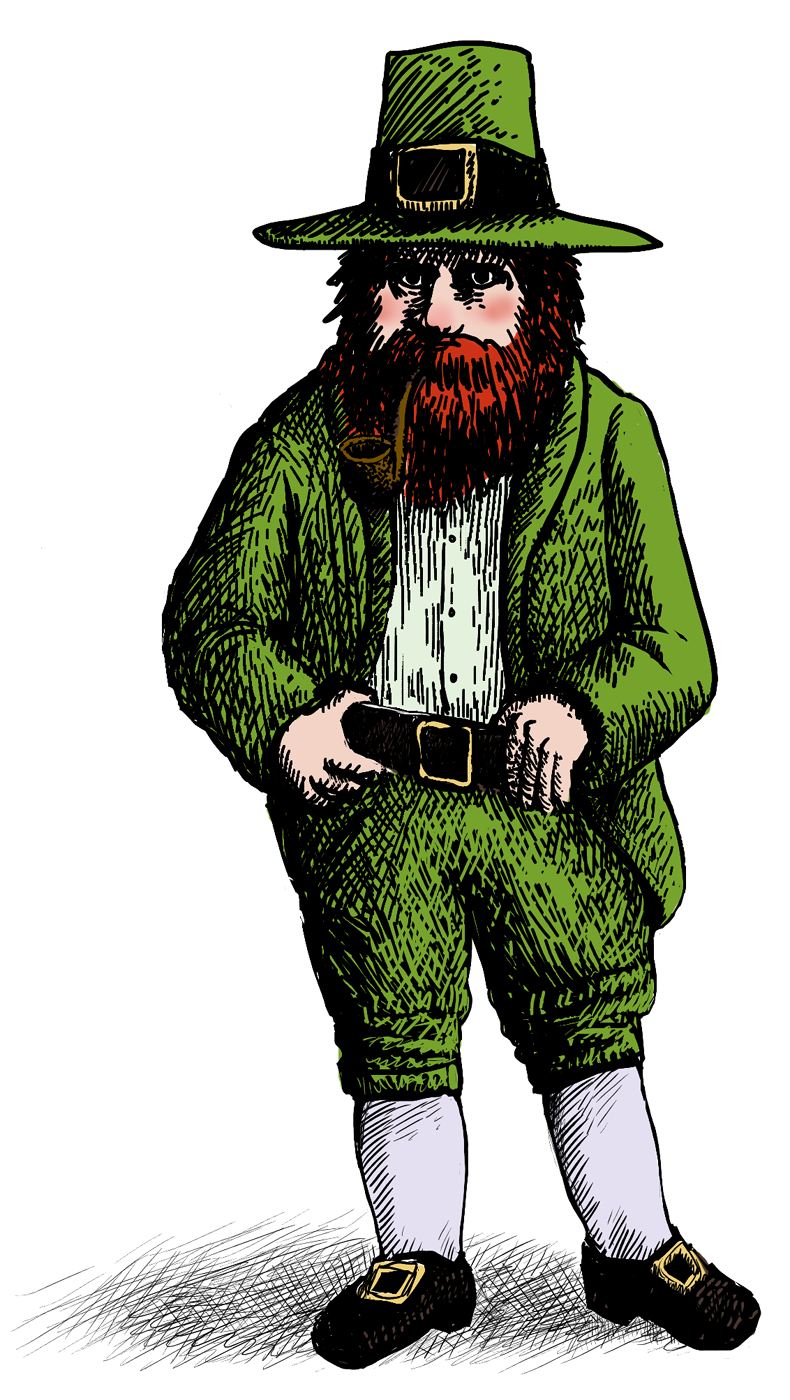 🇮🇪 Ireland and 1 moreLeprechaunlucharachán / leipreachán / luchorpán
A solitary Irish fairy known for mischief and shoe-makingBeing · Wonder and entertainment Legendary
🇷🇸 Serbia and 1 moreDrekavacДрекавац
A South Slavic night creature born from unbaptised souls or sinnersBeing · Cursing and harm Legendary
 🇷🇺 Russia and 1 moreLikhoЛихо
A Slavic spirit of bad luck and misfortune, often depicted as a one-eyed creature.Being · Cursing and harm Legendary
 🇩🇪 GermanyAlp
A Germanic spirit that presses on sleepers and drinks milkBeing · Cursing and harm Legendary
 🇨🇳 China and 1 moreJiangshi殭屍
A Chinese corpse said to rise and hop, feared for its strengthBeing · Cursing and harm Legendary
 🇷🇺 Russia and 3 moreVodyanoyводяной
A water spirit of Slavic folklore that dwells in rivers and lakesBeing · Cursing and harm · Luck and prosperity Legendary
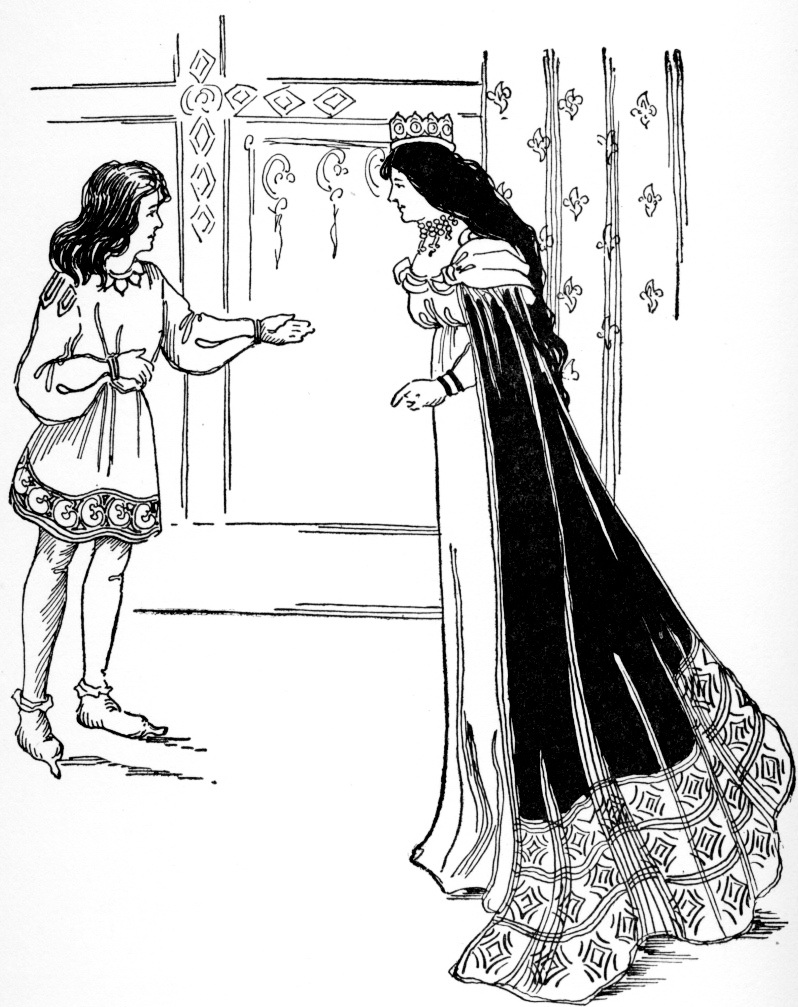 🇬🇧 United Kingdom and 3 moreMorgause
A legendary queen of Orkney and sister to King Arthur in British mythFigure · Power and authority Legendary
 🇨🇳 China and 1 moreYue Lao月下老人
The Chinese deity of marriage who binds destined couples with red cordsBeing · Love and attraction · Binding and oaths Legendary
 🇨🇳 China and 2 moreXiezhi獬豸
A one-horned beast of Chinese legend that butts the guiltyBeing · Protection · Power and authority Legendary
🇨🇴 Colombia and 1 moreTunda
A shapeshifting entity from the Pacific coast of Colombia and Ecuador that lures people into the forest.Figure · Cursing and harm Legendary
 🇯🇵 JapanTengu天狗
Japanese mountain spirits that evolved from ominous birds into protective forest guardians.Being · Cursing and harm · Protection Legendary
🇬🇧 United Kingdom and 1 moreBugbear
A medieval English creature used to frighten children into obedienceFigure · Cursing and harm Legendary
 🇸🇪 Sweden and 2 moreFreyja
Norse goddess of love, war, and seiðr magic who rides a chariot pulled by catsBeing · Love and attraction · Seeing and foretelling Legendary
 🇬🇷 Greece and 3 moreHellhound
A mythological canine that guards the underworld or serves demonic forces across global folkloreBeing · Protection · Cursing and harm Legendary
 🇷🇺 Russia and 3 moreLeshyлеший
A forest spirit from Slavic folklore who guards the woods and misleads travelers.Being · Protection · Cursing and harm Legendary
 🇬🇧 United KingdomBrowniebrùnaidh
A nocturnal household spirit from Scottish folklore that performs chores in exchange for offerings.Being · Protection · Luck and prosperity Legendary
🇯🇵 JapanIttan-momen一反木綿
A flying cloth yōkai from Japanese folklore that warns children to stay indoors at nightBeing · Cursing and harm Legendary
 🇷🇺 Russia and 3 moreFirebird
A glowing bird of Slavic folklore that brings both fortune and peril to those who seek itFigure · Wonder and entertainment · Luck and prosperity Legendary
 🇲🇽 Mexico and 5 moreLa Llorona
A vengeful ghost in Hispanic American folklore who mourns drowned children near water.Being · Cursing and harm · Seeing and foretelling Legendary
🇬🇧 United KingdomBlack dog
A spectral hound from English folklore that signals death or guards the living.Being · Cursing and harm · Protection Legendary
 🇯🇵 JapanKappa河童
A river-dwelling yōkai known for its head dish and love of cucumbersBeing · Cursing and harm · Wonder and entertainment Legendary
🇬🇧 United KingdomBarghest
A mythical black dog from Northern England that foretells death and haunts the countryside.Being · Seeing and foretelling · Cursing and harm Legendary
🇷🇴 Romania and 1 moreMoroi
A Romanian phantom that drains the living, linked to strigoi and unbaptised infants.Figure · Cursing and harm Legendary
 🇯🇵 JapanNurarihyon滑瓢 or ぬらりひょん
A slippery Japanese monster that slips away and haunts homes in folklore and pop culture.Being · Wonder and entertainment Legendary
🇬🇧 United KingdomCŵn Annwn
Spectral hounds of the Welsh otherworld that hunt souls and signal deathBeing · Cursing and harm · Speaking with spirits and the dead Legendary
 🇺🇸 United States and 5 moreNight hag
A supernatural being believed to sit on sleepers and cause paralysisBeing · Cursing and harm Legendary
🇬🇧 United KingdomGlaistig
A Scottish shape-shifting spirit linked to cattle, deer, and haunted castles.Being · Protection · Cursing and harm Legendary
 🇬🇧 United Kingdom and 1 moreEach-uisge
A fierce water spirit of the Scottish Highlands and Irish shores that takes the form of a horse.Being · Cursing and harm Legendary
🇬🇷 GreeceBaba Yaga (sample)Баба-яга
A witch of Slavic tales who lives in a hut on legs.Figure · Change and initiation Legendary
 🇬🇧 United KingdomPuck
A mischievous domestic sprite of English folklore known for practical jokes and household choresBeing · Cursing and harm · Luck and prosperity Legendary
Photo credits on this page
The small pictures above come from Wikimedia Commons under free licences. Some are cropped to fit.
- Seiðr: John Bauer, Public domain, source
- La Llorona: Melvin Callejas, Public domain, source
- Vampire folklore: Dick Thomas Johnson, CC BY 2.0, source
- Tengu: Katsushika Hokusai, Public domain, source
- Morgause: H. S. Campbell, Public domain, source
- Yue Lao: 仔仔好帥, CC BY-SA 4.0, source
- Each-uisge: John Allan, CC BY-SA 2.0, source
- Brownie: Unknown author, CC BY-SA 2.5, source
- Leshy: Γραφέας, CC BY-SA 4.0, source
- Nurarihyon: Brigham Young University, CC BY-SA 4.0, source
- Kappa: Unknown author, CC0, source
- Night hag: Henry Fuseli, Public domain, source
- Likho: Mhapon, CC BY-SA 4.0, source
- Alp: Henry Fuseli, Public domain, source
- Evocation: engraved by Ames of Bristol (according to Fincham, Artists and engrave, Public domain, source
- Margot the fairy: Henry Fuseli, Public domain, source
- Vodyanoy: Ivan Bilibin, Public domain, source
- Werewolf: Mont Sudbury, Public domain, source
- Blue men of the Minch: Lord P in the Commons 17:16, 17 June 2007 (UTC), CC BY-SA 3.0, source
- Baba Yaga: Ivan Bilibin, Public domain, source
- Hellhound: Louis Le Breton, Public domain, source
- Lady of the Lake: Internet Archive Book Images, No restrictions, source
- Púca: Wirt Sikes, Public domain, source
- Rokurokubi: Unknown author, CC BY 4.0, source
- Hyakki Yagyō: Unknown author, Public domain, source
- Firebird: Philippe Giabbanelli, CC BY 3.0, source
- Rangda: Boy Lawson, CC BY-SA 3.0, source
- Leprechaun: Unknown author, FAL, source
- Xiezhi: Carty239 at English Wikipedia, Public domain, source
- Revenant: Unknown author, Public domain, source
- Puck: Joseph Noel Paton, Public domain, source
- Vampire: Edvard Munch, Public domain, source
- Nábrók: Bernard McManus, CC BY 2.0, source
- Fossegrim: Bjørn som tegner, CC BY-SA 3.0, source