Folk and village custom: magic in this belief world
Rural and household beliefs that belong to no single organised religion.
Folk and village custom is the large body of belief and practice that belongs to no organised religion: the charm against the evil eye, the cure for warts, the fairy hawthorn, the household spirit, the lucky day. It is passed within families and communities and exists in every society. This page looks at how it is kept, who keeps it, and why it is both valued and dismissed. It is also called popular religion, vernacular religion or lived religion by scholars.
Keepers and settings
Keepers are often older women, farmers, midwives, shepherds and craftsmen. Settings are the house, field, well, crossroads and church porch. European cunning folk offered help for fees and kept charms and books. In many Asian and African villages the specialist is a healer, a diviner or a spirit medium working beside religion. The same grandmother may light a candle at church, tie a thread on a child and say a charm for a burn, and see no conflict between them.
Names and labels
The same thing carries many names: the evil eye is the nazar, mal de ojo and ayin hara. Folklorists collected such customs from the nineteenth century, sometimes as relics of a vanished past and sometimes as living culture. The label folk also marks class, since the term often implies rural, poor or uneducated, a bias that modern scholars try to avoid. Where the village has a wise woman or a bone-setter, the community knows what to ask of her and what she will refuse to do.
Religion, state and reform
Churches, mosques and temples have absorbed, tolerated and condemned folk practice in turn. States have banned it as backward: Chinese campaigns against superstition in the twentieth century closed local temples and shrines, and Soviet policy targeted village healers. At times governments have turned to it as national heritage, as in revived festivals across Europe and Asia. Historians and folklorists note that it often keeps old customs alive within newer religions, such as lighting fires at midsummer within Christian saints' days.
Change and commerce
Urban life and migration thin out folk knowledge, while heritage projects and the internet gather it. Customs reappear as products, such as protective charms in shops and festival tourism. Some folk practice carries harm: village accusation of witchcraft, treatments that delay medical care, and fees charged to relieve fear. Illness needs real medical care. In places with active heritage movements, folk custom has become a source of pride, and young people record songs and cures from grandparents before they are lost.
Folk and village custom on EveryJaadu
The entries written up so far, best known first.
 🇧🇪 Belgium and 2 moreHorseshoe
A metal shoe for a horse's hoof and a talisman of good fortuneCharm · Protection · Luck and prosperity Living
🇧🇪 Belgium and 2 moreHorseshoe
A metal shoe for a horse's hoof and a talisman of good fortuneCharm · Protection · Luck and prosperity Living
 🇪🇬 Egypt and 3 moreAmulet
A portable object worn or carried to ward off harm and invite fortuneCharm · Protection · Luck and prosperity Living
🇪🇬 Egypt and 3 moreAmulet
A portable object worn or carried to ward off harm and invite fortuneCharm · Protection · Luck and prosperity Living
 🇷🇺 Russia and 2 moreCaul
A birth membrane kept as a talisman for luck and protection from drowningCharm · Protection · Luck and prosperity Historical
🇷🇺 Russia and 2 moreCaul
A birth membrane kept as a talisman for luck and protection from drowningCharm · Protection · Luck and prosperity Historical
 🇨🇳 China and 5 moreJoss paper金紙
Paper burned as money and goods for ancestors, gods and the deadCharm · Speaking with spirits and the dead · Luck and prosperity Living
🇨🇳 China and 5 moreJoss paper金紙
Paper burned as money and goods for ancestors, gods and the deadCharm · Speaking with spirits and the dead · Luck and prosperity Living
 🇬🇧 United Kingdom and 4 moreCorn dolly
A woven straw figure made from the last sheaf of a European harvest to house the crop spirit.Tradition · Protection · Speaking with spirits and the dead Revived
🇬🇧 United Kingdom and 4 moreCorn dolly
A woven straw figure made from the last sheaf of a European harvest to house the crop spirit.Tradition · Protection · Speaking with spirits and the dead Revived
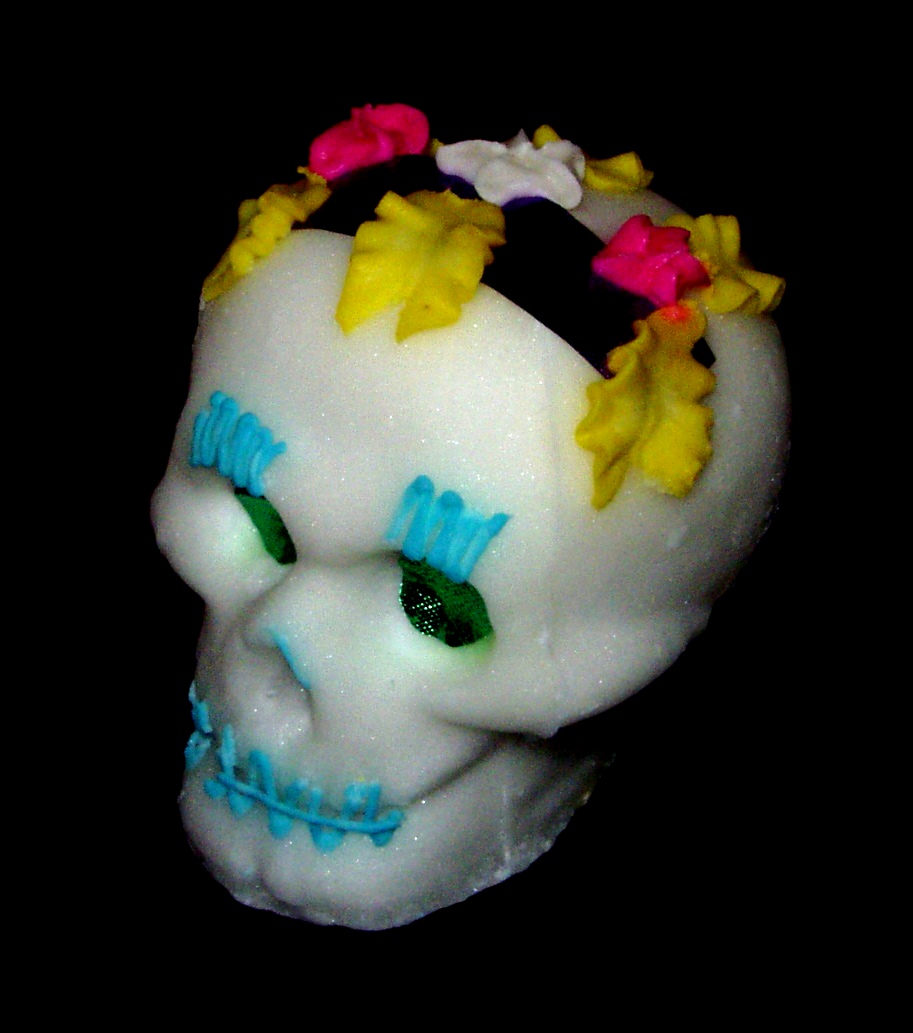 🇲🇽 MexicoCalavera
A sugar or clay skull used in Mexican Day of the Dead celebrations.Charm · Speaking with spirits and the dead · Luck and prosperity Living
🇲🇽 MexicoCalavera
A sugar or clay skull used in Mexican Day of the Dead celebrations.Charm · Speaking with spirits and the dead · Luck and prosperity Living
 🇮🇳 India and 1 moreHeliotrope
A green and red mineral stone used as an amulet for health, invisibility, and courage.Charm · Protection · Healing Historical
🇮🇳 India and 1 moreHeliotrope
A green and red mineral stone used as an amulet for health, invisibility, and courage.Charm · Protection · Healing Historical
 🇮🇳 India and 1 moreNazar battuनज़र बट्टू / نظر بٹو
A charm or deliberate flaw used in South Asia to ward off the evil eye.Charm · Protection Living
🇮🇳 India and 1 moreNazar battuनज़र बट्टू / نظر بٹو
A charm or deliberate flaw used in South Asia to ward off the evil eye.Charm · Protection Living
 🇬🇧 United Kingdom and 2 moreWitch bottle
A container filled with personal items and sharp objects to trap harmful magicCharm · Protection · Cursing and harm Historical
🇬🇧 United Kingdom and 2 moreWitch bottle
A container filled with personal items and sharp objects to trap harmful magicCharm · Protection · Cursing and harm Historical
 🇮🇪 IrelandBlarney StoneCloch na Blarnan
A limestone block in an Irish castle kissed for the gift of eloquenceCharm · Power and authority Living
🇮🇪 IrelandBlarney StoneCloch na Blarnan
A limestone block in an Irish castle kissed for the gift of eloquenceCharm · Power and authority Living
 🇮🇸 IcelandIcelandic magical stavesgaldrastafir
Sigils from Icelandic grimoires believed to hold magical powerCharm · Power and authority Historical
🇮🇸 IcelandIcelandic magical stavesgaldrastafir
Sigils from Icelandic grimoires believed to hold magical powerCharm · Power and authority Historical
 🇮🇳 IndiaUnicorn horn
A legendary object believed to neutralize poison and cure disease, traded as narwhal teeth for centuries.Charm · Healing · Protection Historical
🇮🇳 IndiaUnicorn horn
A legendary object believed to neutralize poison and cure disease, traded as narwhal teeth for centuries.Charm · Healing · Protection Historical
 🇬🇧 United Kingdom and 2 moreAdder stone
A naturally perforated stone used as a protective talisman in European folkloreCharm · Protection · Luck and prosperity Historical
🇬🇧 United Kingdom and 2 moreAdder stone
A naturally perforated stone used as a protective talisman in European folkloreCharm · Protection · Luck and prosperity Historical
 🇸🇳 Senegal and 5 morePentagramπεντάγραμμον
A five-pointed star figure used across history for protection, ritual, and cosmologyCharm · Protection · Binding and oaths Living
🇸🇳 Senegal and 5 morePentagramπεντάγραμμον
A five-pointed star figure used across history for protection, ritual, and cosmologyCharm · Protection · Binding and oaths Living
 🇪🇬 Egypt and 5 moreTalisman
An object believed to channel specific forces for protection, healing, or influence.Charm · Protection · Healing Historical
🇪🇬 Egypt and 5 moreTalisman
An object believed to channel specific forces for protection, healing, or influence.Charm · Protection · Healing Historical
 🇬🇧 United KingdomWitch ball
A glass sphere hung in windows to trap spirits and ward off evilCharm · Protection Historical
🇬🇧 United KingdomWitch ball
A glass sphere hung in windows to trap spirits and ward off evilCharm · Protection Historical
 🇯🇵 Japan and 3 moreManeki-neko招き猫
A Japanese figurine of a beckoning cat believed to bring luck and prosperityCharm · Luck and prosperity · Protection Living
🇯🇵 Japan and 3 moreManeki-neko招き猫
A Japanese figurine of a beckoning cat believed to bring luck and prosperityCharm · Luck and prosperity · Protection Living
 🇮🇹 Italy and 5 moreFig sign
A hand gesture used to ward off the evil eye or as an insult in many culturesBelief · Protection · Cursing and harm Living
🇮🇹 Italy and 5 moreFig sign
A hand gesture used to ward off the evil eye or as an insult in many culturesBelief · Protection · Cursing and harm Living
 🇮🇪 Ireland and 2 moreJack-o'-lantern
A hollowed vegetable carved with a face and lit from within, worn as a Halloween symbolCharm · Protection · Wonder and entertainment Living
🇮🇪 Ireland and 2 moreJack-o'-lantern
A hollowed vegetable carved with a face and lit from within, worn as a Halloween symbolCharm · Protection · Wonder and entertainment Living
 🇮🇪 Ireland and 1 moreBrigid's crossCros Bhríde
A woven straw charm hung for protection, named after Ireland's patron saintCharm · Protection · Luck and prosperity Living
🇮🇪 Ireland and 1 moreBrigid's crossCros Bhríde
A woven straw charm hung for protection, named after Ireland's patron saintCharm · Protection · Luck and prosperity Living
 🇲🇳 Mongolia and 2 moreWind Horseརླུང་རྟ་
An East and Central Asian symbol of the soul, luck, and vital energyBeing · Luck and prosperity · Protection Living
🇲🇳 Mongolia and 2 moreWind Horseརླུང་རྟ་
An East and Central Asian symbol of the soul, luck, and vital energyBeing · Luck and prosperity · Protection Living
 🇨🇳 China and 5 moreChinese guardian lions石獅 (shíshī)
Stone lion pairs placed at entrances to ward off harm and welcome fortuneCharm · Protection · Luck and prosperity Living
🇨🇳 China and 5 moreChinese guardian lions石獅 (shíshī)
Stone lion pairs placed at entrances to ward off harm and welcome fortuneCharm · Protection · Luck and prosperity Living
 🇮🇶 Iraq and 1 morePazuzu𒀭𒅆𒊒𒍪𒍪 (pà.zu.zu)
A Mesopotamian wind demon and protective amulet against child-harming spiritsBeing · Protection · Cursing and harm Historical
🇮🇶 Iraq and 1 morePazuzu𒀭𒅆𒊒𒍪𒍪 (pà.zu.zu)
A Mesopotamian wind demon and protective amulet against child-harming spiritsBeing · Protection · Cursing and harm Historical
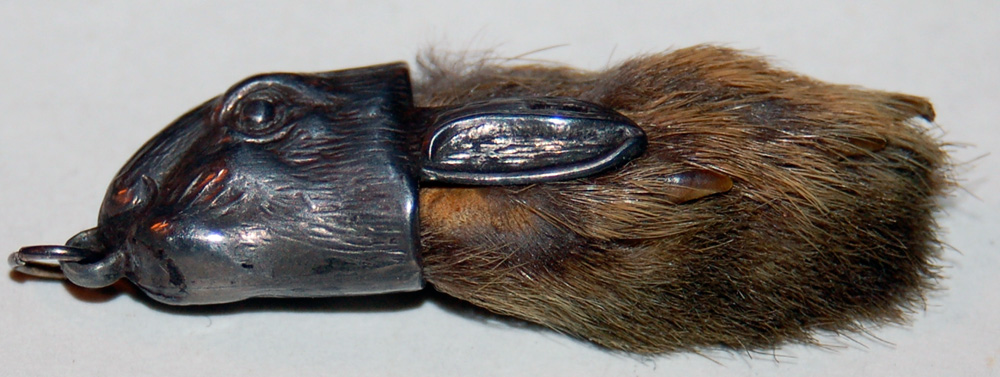 🇺🇸 United States and 2 moreRabbit's foot
A charm carried for luck, often linked to graveyards and strict folk rulesCharm · Luck and prosperity Historical
🇺🇸 United States and 2 moreRabbit's foot
A charm carried for luck, often linked to graveyards and strict folk rulesCharm · Luck and prosperity Historical
 🇳🇿 New Zealand and 5 moreFace tattoo
Marks inked on the face for spiritual protection, identity, rank, and rite of passageTradition · Protection · Power and authority Living
🇳🇿 New Zealand and 5 moreFace tattoo
Marks inked on the face for spiritual protection, identity, rank, and rite of passageTradition · Protection · Power and authority Living
 🇸🇪 Sweden and 3 moreSilver bullet
A folk weapon for monsters and a metaphor for simple solutionsCharm · Cursing and harm Historical
🇸🇪 Sweden and 3 moreSilver bullet
A folk weapon for monsters and a metaphor for simple solutionsCharm · Cursing and harm Historical
 🇹🇭 Thailand and 7 moreSpirit house
A small roofed shrine that shelters a place's protective spiritCharm · Protection Living
🇹🇭 Thailand and 7 moreSpirit house
A small roofed shrine that shelters a place's protective spiritCharm · Protection Living
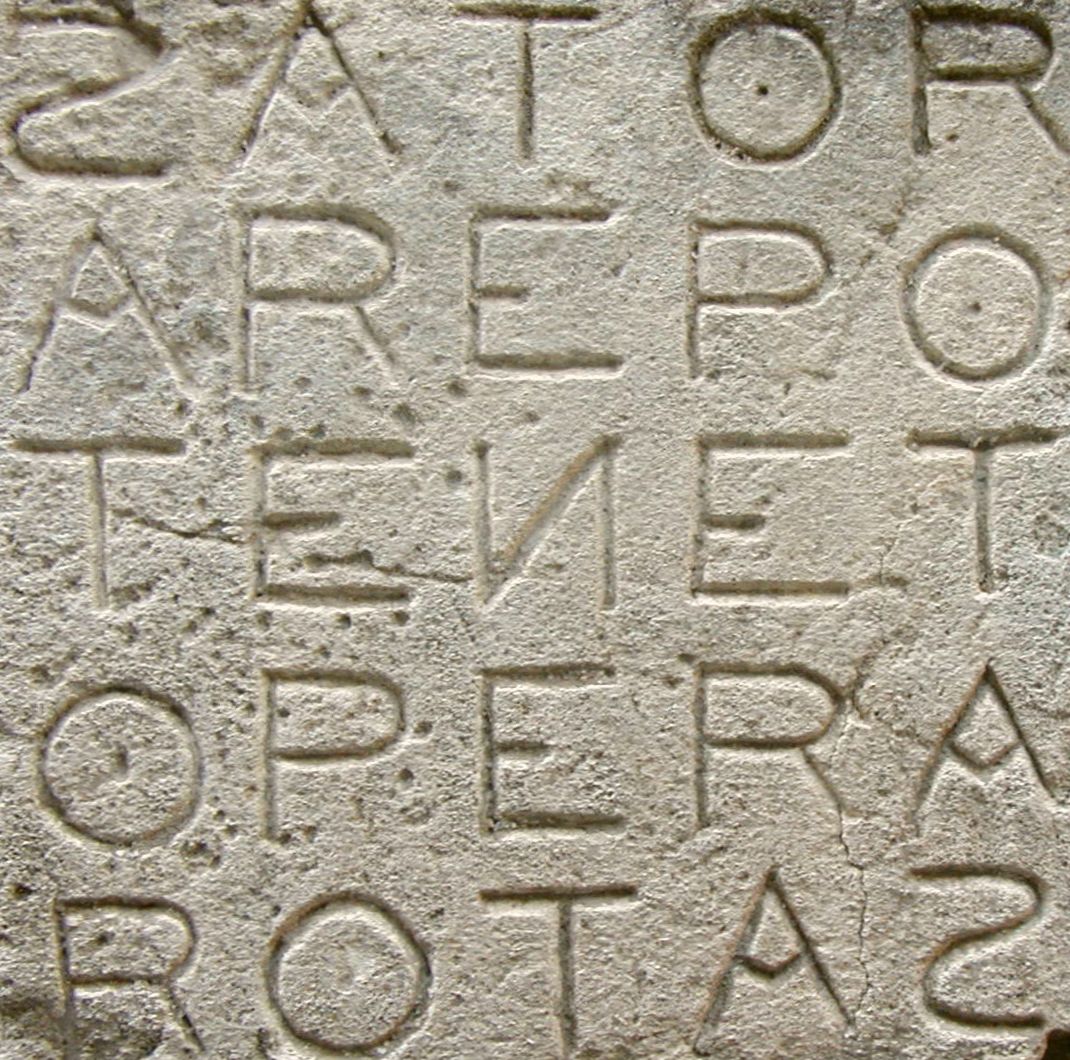 🇮🇹 Italy and 5 moreSator Square
A five-word Latin palindrome found in Roman ruins and medieval churchesCharm · Protection · Healing Historical
🇮🇹 Italy and 5 moreSator Square
A five-word Latin palindrome found in Roman ruins and medieval churchesCharm · Protection · Healing Historical
 🇺🇸 United StatesHex sign
Pennsylvania Dutch barn symbols that range from folk art to talismansCharm · Protection · Wonder and entertainment Living
🇺🇸 United StatesHex sign
Pennsylvania Dutch barn symbols that range from folk art to talismansCharm · Protection · Wonder and entertainment Living
 🇮🇸 IcelandNábrók
A pair of pants made from human skin, said to generate endless wealth in Icelandic folklore.Charm · Luck and prosperity Legendary
🇮🇸 IcelandNábrók
A pair of pants made from human skin, said to generate endless wealth in Icelandic folklore.Charm · Luck and prosperity Legendary
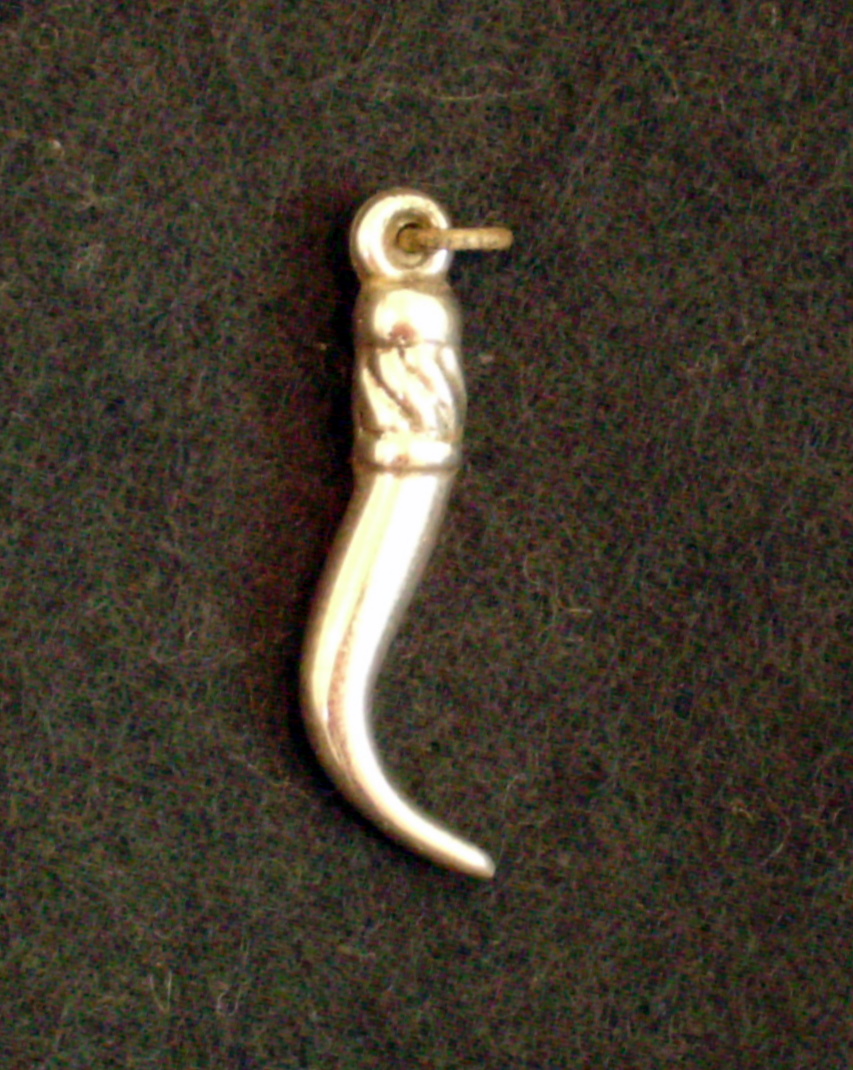 🇮🇹 ItalyCornicello
A twisted horn charm worn in Italy to ward off the evil eye and invite luck.Charm · Protection · Luck and prosperity Living
🇮🇹 ItalyCornicello
A twisted horn charm worn in Italy to ward off the evil eye and invite luck.Charm · Protection · Luck and prosperity Living
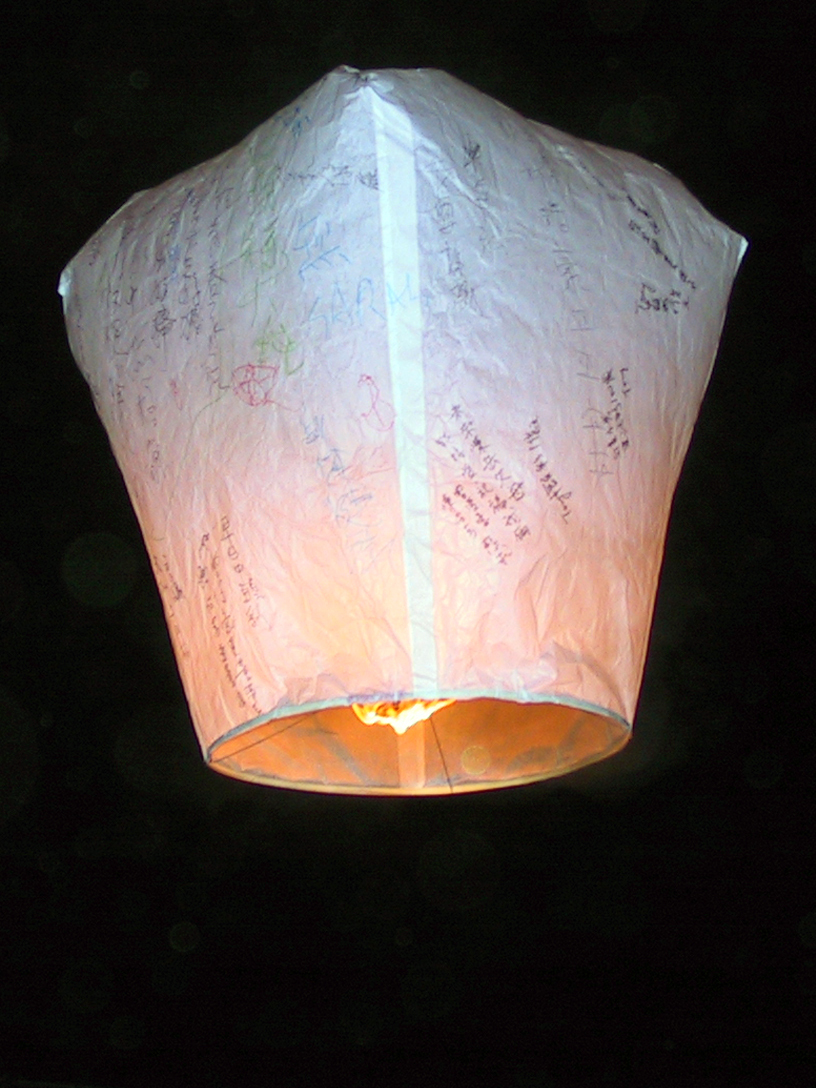 🇨🇳 China and 5 moreSky lantern天燈
A paper hot air balloon lifted by flame to carry wishes and blessingsRite · Luck and prosperity · Protection Living
🇨🇳 China and 5 moreSky lantern天燈
A paper hot air balloon lifted by flame to carry wishes and blessingsRite · Luck and prosperity · Protection Living
 🇮🇪 Ireland and 4 moreFour-leaf clover
A rare plant mutation believed to bring good luck and used as a symbol of fortune.Charm · Luck and prosperity Living
🇮🇪 Ireland and 4 moreFour-leaf clover
A rare plant mutation believed to bring good luck and used as a symbol of fortune.Charm · Luck and prosperity Living
 🇺🇸 United States and 5 moreMojo bag
A cloth pouch holding charms for protection, luck, or love in the Hoodoo tradition.Charm · Protection · Healing Living
🇺🇸 United States and 5 moreMojo bag
A cloth pouch holding charms for protection, luck, or love in the Hoodoo tradition.Charm · Protection · Healing Living
 🇦🇷 Argentina and 2 moreSan La Muerte
A skeletal folk saint venerated in South America for protection and favorsTradition · Protection · Healing Living
🇦🇷 Argentina and 2 moreSan La Muerte
A skeletal folk saint venerated in South America for protection and favorsTradition · Protection · Healing Living
 🇬🇧 United Kingdom and 5 moreConcealed shoes
Shoes hidden in building structures as folk charms for protection and fertilityCharm · Protection · Speaking with spirits and the dead Historical
🇬🇧 United Kingdom and 5 moreConcealed shoes
Shoes hidden in building structures as folk charms for protection and fertilityCharm · Protection · Speaking with spirits and the dead Historical
 🇵🇭 Philippines and 1 moreAgimatAnting-anting
A Filipino amulet or charm believed to grant protection, power, and supernatural abilities.Charm · Protection · Love and attraction Living
🇵🇭 Philippines and 1 moreAgimatAnting-anting
A Filipino amulet or charm believed to grant protection, power, and supernatural abilities.Charm · Protection · Love and attraction Living
 🇮🇹 Italy and 5 morePrecious coral
A marine skeleton harvested for jewelry and worn as a protective charm in several culturesSubstance · Protection · Healing Living
🇮🇹 Italy and 5 morePrecious coral
A marine skeleton harvested for jewelry and worn as a protective charm in several culturesSubstance · Protection · Healing Living
 🇯🇵 JapanDaruma doll達磨
A round Japanese talisman that rights itself when knocked overCharm · Luck and prosperity · Power and authority Living
🇯🇵 JapanDaruma doll達磨
A round Japanese talisman that rights itself when knocked overCharm · Luck and prosperity · Power and authority Living
 🇬🇧 United Kingdom and 3 moreJet
A black gemstone carved into amulets and mourning jewellery for centuriesCharm · Protection · Luck and prosperity Historical
🇬🇧 United KingdomEvil eye bead (sample)Nazar boncuğu
A blue glass bead hung to turn aside envy.Charm · Protection Living
🇬🇧 United KingdomWitch bottle (sample)
A stoppered bottle set out against curses.Charm · Protection · Cursing and harm Historical
🇬🇧 United Kingdom and 3 moreJet
A black gemstone carved into amulets and mourning jewellery for centuriesCharm · Protection · Luck and prosperity Historical
🇬🇧 United KingdomEvil eye bead (sample)Nazar boncuğu
A blue glass bead hung to turn aside envy.Charm · Protection Living
🇬🇧 United KingdomWitch bottle (sample)
A stoppered bottle set out against curses.Charm · Protection · Cursing and harm Historical
 🇯🇵 JapanTeru teru bōzuてるてる坊主
A white paper doll hung outside to ask for sunny weatherCharm · Luck and prosperity Living
🇯🇵 JapanTeru teru bōzuてるてる坊主
A white paper doll hung outside to ask for sunny weatherCharm · Luck and prosperity Living
 🇮🇹 Italy and 2 moreBulla
A round Roman amulet given to freeborn boys as a mark of status and protectionCharm · Protection · Luck and prosperity Historical
🇮🇹 Italy and 2 moreBulla
A round Roman amulet given to freeborn boys as a mark of status and protectionCharm · Protection · Luck and prosperity Historical
 🇯🇵 JapanSaruboboさるぼぼ
A faceless red doll from Japan, given as a charm for family and fortuneCharm · Luck and prosperity · Protection Living
🇯🇵 JapanSaruboboさるぼぼ
A faceless red doll from Japan, given as a charm for family and fortuneCharm · Luck and prosperity · Protection Living
 🇺🇸 United States and 1 moreBarnstar
A painted or carved star used to decorate barns in parts of the United States and Canada.Charm · Luck and prosperity · Wonder and entertainment Living
🇺🇸 United States and 1 moreBarnstar
A painted or carved star used to decorate barns in parts of the United States and Canada.Charm · Luck and prosperity · Wonder and entertainment Living
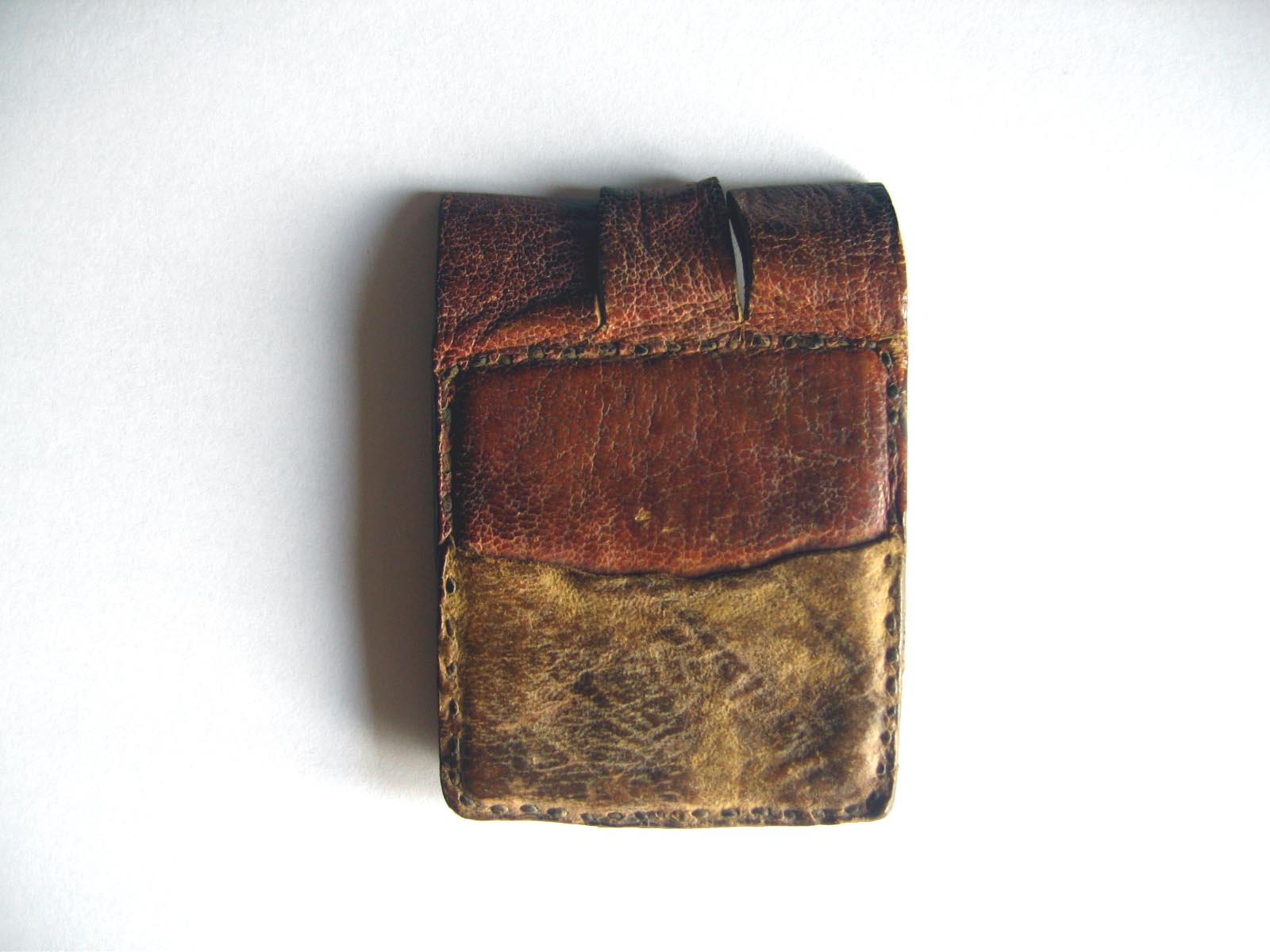 🇲🇱 Mali and 3 moreGris-gris
A small pouch or charm from West Africa used for protection and luck.Charm · Protection · Luck and prosperity Living
🇲🇱 Mali and 3 moreGris-gris
A small pouch or charm from West Africa used for protection and luck.Charm · Protection · Luck and prosperity Living
 🇯🇵 JapanKin no unko金のうんこ
A Japanese charm shaped like faeces that is believed to bring good fortuneCharm · Luck and prosperity Living
🇯🇵 JapanKin no unko金のうんこ
A Japanese charm shaped like faeces that is believed to bring good fortuneCharm · Luck and prosperity Living
Photo credits on this page
The small pictures above come from Wikimedia Commons under free licences. Some are cropped to fit.
- Calavera: Unknown author, CC BY-SA 3.0, source
- Rabisu: editor Austen Henry Layard , drawing by L. Gruner, Public domain, source
- Barnstar: Una Smith, CC BY-SA 4.0, source
- Sarubobo: Unknown author, CC BY-SA 3.0, source
- Precious coral: Géry PARENT, CC BY-SA 3.0, source
- Teru teru bōzu: Novaric at English Wikipedia, CC BY-SA 3.0, source
- Daruma doll: Crisco 1492, Public domain, source
- Gris-gris: Teogomez, CC BY-SA 3.0, source
- Jet: Thmsfrst, Public domain, source
- Amulet: Anonymous ( Egypt ) Unknown author, Public domain, source
- Bulla: Anonymous ( Category:Etruscans ) Unknown author, Public domain, source
- Amniomancy: JC Brand, CC BY-SA 4.0, source
- Kin no unko: enmoto, CC BY 2.0, source
- Joss paper: Vmenkov, CC BY-SA 3.0, source
- Corn dolly: Renata ( talk ), Public domain, source
- Heliotrope: Ra'ike (see also: de:Benutzer:Ra'ike ), CC BY-SA 3.0, source
- Nazar battu: Wiki-uk, CC BY-SA 3.0, source
- Halloween: Toby Ord, CC BY-SA 2.5, source
- Witch bottle: British Museum, Daniel Pett, 2004-10-25 15:27:22, CC BY-SA 2.0, source
- Blarney Stone: Srleffler, Public domain, source
- Icelandic magical staves: Unknown author, Public domain, source
- Unicorn horn: Unknown author, CC BY 4.0, source
- Adder stone: Ansgar Koreng, CC BY-SA 3.0 de, source
- Pentagram: Tomruen, Attribution, source
- Witch ball: John W. Schulze, CC BY 2.0, source
- Talisman: Sasha India, CC BY 2.0, source
- Maneki-neko: Su--May, CC BY 2.0, source
- Fig sign: Harald the Bard, CC BY-SA 4.0, source
- Gauchito Gil: Sergio Serrano, CC BY-SA 2.0, source
- Imbolc: Culnacreann, CC BY 3.0, source
- Wind Horse: Clemensmarabu, CC BY-SA 3.0, source
- Chinese guardian lions: Pvt pauline, CC BY-SA 3.0, source
- Rabbit's foot: Sobebunny, CC BY-SA 3.0, source
- Face tattoo: Gottfried Lindauer, Public domain, source
- Horseshoe: Cgoodwin, CC BY-SA 3.0, source
- Silver bullet: Smithsonian Institution, CC0, source
- Spirit house: Chainwit., CC BY-SA 4.0, source
- Sator Square: M Disdero, CC BY-SA 3.0, source
- Hex sign: Smallbones, CC0, source
- Nábrók: Bernard McManus, CC BY 2.0, source
- Cornicello: Antonio Cavallo, Public domain, source
- Sky lantern: Richy, CC BY-SA 3.0, source
- Four-leaf clover: Phyzome under the GFDL., CC BY-SA 3.0, source
- Mojo bag: Liza Khomenko, CC BY-SA 4.0, source
- Concealed shoes: Edmund Patrick, CC BY-SA 3.0, source
- Agimat: FroyAgta, CC BY-SA 4.0, source