
Mythical creatures in Burmese folklore
A collection of spirits, beasts and hybrids from Myanmar's stories and plays
Burmese folklore features a wide array of mythical beings that often blend human and animal traits. These figures appear in religious texts, traditional theatre and modern comics across Myanmar.
- Belu ogres appear in the Burmese Ramayana play
- Nat spirits are deified humans who grant power
- Naga serpents can swim through earth and fly
- Kinnara hybrids link humans and birds in Shan art
- Chinthe lions guard temple entrances in architecture
What it is
The folklore of Myanmar contains many supernatural beings with diverse forms. Most entities share human-like minds and can speak with people. They possess magical abilities and often take human shape. The list includes gods, demons, ghosts and hybrid animals. Some are benevolent guardians while others are dangerous predators. These characters form the backbone of local storytelling and religious art.
Where it comes from
These myths draw from Buddhist cosmology and older regional traditions. Many beings originate from Sanskrit or Pali terms used in religious texts. The Ramayana epic introduced figures like the Belu ogres to the region. Jataka tales also provided many of the spirit types found today. Modern comic artists expanded the roster during the twentieth century.
How it is done
There is no single ritual for these creatures. They exist as narrative elements in plays and literature. People encounter them through performances of the Yama Zatdaw. Artists depict them in temple murals and sculptures. Communities may perform rites for Nat spirits to gain protection or power.
Tools and materials
Artists use specific visual markers to identify different beings. The Chinthe lion appears on building entrances as a guardian. Alchemists wear red hats and carry sticks. Naga serpents are shown with dragon-like scales. Hybrid creatures combine parts of several animals into one figure.
Mythical creatures in Burmese folklore, drawn and placed
- Living
- Revived
- Fading
- Historical
- Legendary
- Performed
- Lineage
- Myanmar folklore
What it is for
These beings explain natural phenomena and moral lessons. Nat spirits grant powers to devoted followers. Guardians protect hidden treasures and sacred sites. Demons represent chaos and danger in the world. Stories about them teach ethical behavior and respect for the unseen world.
Who does it
Scholars study these figures as part of cultural history. Traditional actors perform them in popular theatre. Monks reference them when explaining Buddhist teachings. Local artists paint them in religious spaces. Devotees interact with Nat spirits through personal devotion.
Peoples and places
The Burmese people maintain the most extensive list of these creatures. The Mon people claim the Hintha bird as their symbol. Shan and Kayah communities associate Kinnara hybrids with their regions. Rakhine groups have their own versions of nine-part creatures. These variations show how different ethnic groups adapt shared myths.
At a glance: who, where and when
Who does it
Belief worlds

What people believe
The worldview sees a layered universe of visible and invisible forces. Spirits of dead humans can become powerful Nat beings. Greed can trap souls as Ottsa-saunk wanderers. The Buddha's past lives include interactions with Naga princes. Moral actions determine whether one becomes a deity or a suffering ghost.
When it is done
No fixed calendar dates govern all these creatures. Performances of the Yama Zatdaw bring certain figures to stage. Devotees visit Nat shrines at times of personal crisis. Religious festivals may feature depictions of these beings in processions.
How scholars and sceptics see it
Researchers view these myths as reflections of social values. Anthropologists note the blend of indigenous and Indian influences. Historians track how colonial periods changed storytelling methods. Psychologists analyze the archetypes represented by demon and hero figures.
Cautions and what is closed
Some beings are feared for their harmful nature. Man-eating Belu and hungry Peik-ta ghouls pose dangers. Ghosts like Ma Phae Wah rule over graveyards and may cause trouble. People avoid barren forests where trickster creatures lurk.
Compare and confuse
These figures share traits with Hindu and Thai mythologies. The Garuda bird and Naga serpent appear across Southeast Asia. Similar ogre types exist in other South Asian epics. The concept of Nat spirits differs from Western ghost beliefs.
Questions people ask about Mythical creatures in Burmese folklore
What are the most common mythical beings in Myanmar?
The Belu ogres and Nat spirits are among the most frequent figures. Belu appear in popular plays and religious tales. Nat spirits are deified humans who offer protection to devotees.
Where do these creatures come from?
They originate from Buddhist texts, local legends and Indian epics. The Ramayana and Jataka stories provided many character types. Regional cultures adapted these figures to fit local landscapes.
Are these creatures still relevant today?
Yes, they remain central to Burmese culture and art. Modern comics continue to expand their roles. Traditional theatre keeps performing stories featuring these beings.
Good reading and sources
The facts on this page come from the Wikipedia article "Mythical creatures in Burmese folklore", written by its contributors and used under the CC BY-SA 4.0 licence, and from its Wikidata record (CC0). EveryJaadu rewrote the text in its own words, with AI assistance, and compares every page with the article to make sure no passage is copied. It may be reused under the same CC BY-SA 4.0 licence with a link back.
It may contain mistakes. Names and customs differ from one community to the next, and some knowledge is closed to outsiders and left out here. This page describes belief and practice. It does not say that any of it works, it is not a how-to, and it is not medical advice. If something is wrong, tell us. Last refreshed 2026-10-06.
More from Myanmar
All the entries from Myanmar 🇲🇲 MyanmarNatနတ်
Spirits venerated in Myanmar alongside Buddhism, including deified humans and nature guardians.Tradition · Protection · Speaking with spirits and the dead Living
🇲🇲 MyanmarNatနတ်
Spirits venerated in Myanmar alongside Buddhism, including deified humans and nature guardians.Tradition · Protection · Speaking with spirits and the dead Living
 🇲🇲 Myanmar and 5 moreChintheခြင်္သေ့
A stylized lion statue that guards Buddhist temples in Myanmar and across Asia.Being · Protection Living
🇲🇲 Myanmar and 5 moreChintheခြင်္သေ့
A stylized lion statue that guards Buddhist temples in Myanmar and across Asia.Being · Protection Living
 🇹🇭 Thailand and 7 moreSpirit house
A small roofed shrine that shelters a place's protective spiritCharm · Protection Living
🇹🇭 Thailand and 7 moreSpirit house
A small roofed shrine that shelters a place's protective spiritCharm · Protection Living
 🇰🇭 Cambodia and 3 moreSak Yantសាក់យ័ន្ត
A Southeast Asian tattoo tradition using sacred geometry for protection and powerTradition · Protection · Luck and prosperity Living
🇰🇭 Cambodia and 3 moreSak Yantសាក់យ័ន្ត
A Southeast Asian tattoo tradition using sacred geometry for protection and powerTradition · Protection · Luck and prosperity Living
Related elsewhere
All being 🇬🇧 United Kingdom and 2 moreKing ArthurBrenin Arthur
A legendary British king and folk hero of medieval literature and Welsh mythologyFigure · Power and authority · Wonder and entertainment Legendary
🇬🇧 United Kingdom and 2 moreKing ArthurBrenin Arthur
A legendary British king and folk hero of medieval literature and Welsh mythologyFigure · Power and authority · Wonder and entertainment Legendary
 🇪🇬 Egypt and 1 moreSphinx
A mythical hybrid with a human head and lion body, serving as guardian or riddler in Egyptian and Greek traditions.Being · Protection · Wonder and entertainment Legendary
🇪🇬 Egypt and 1 moreSphinx
A mythical hybrid with a human head and lion body, serving as guardian or riddler in Egyptian and Greek traditions.Being · Protection · Wonder and entertainment Legendary
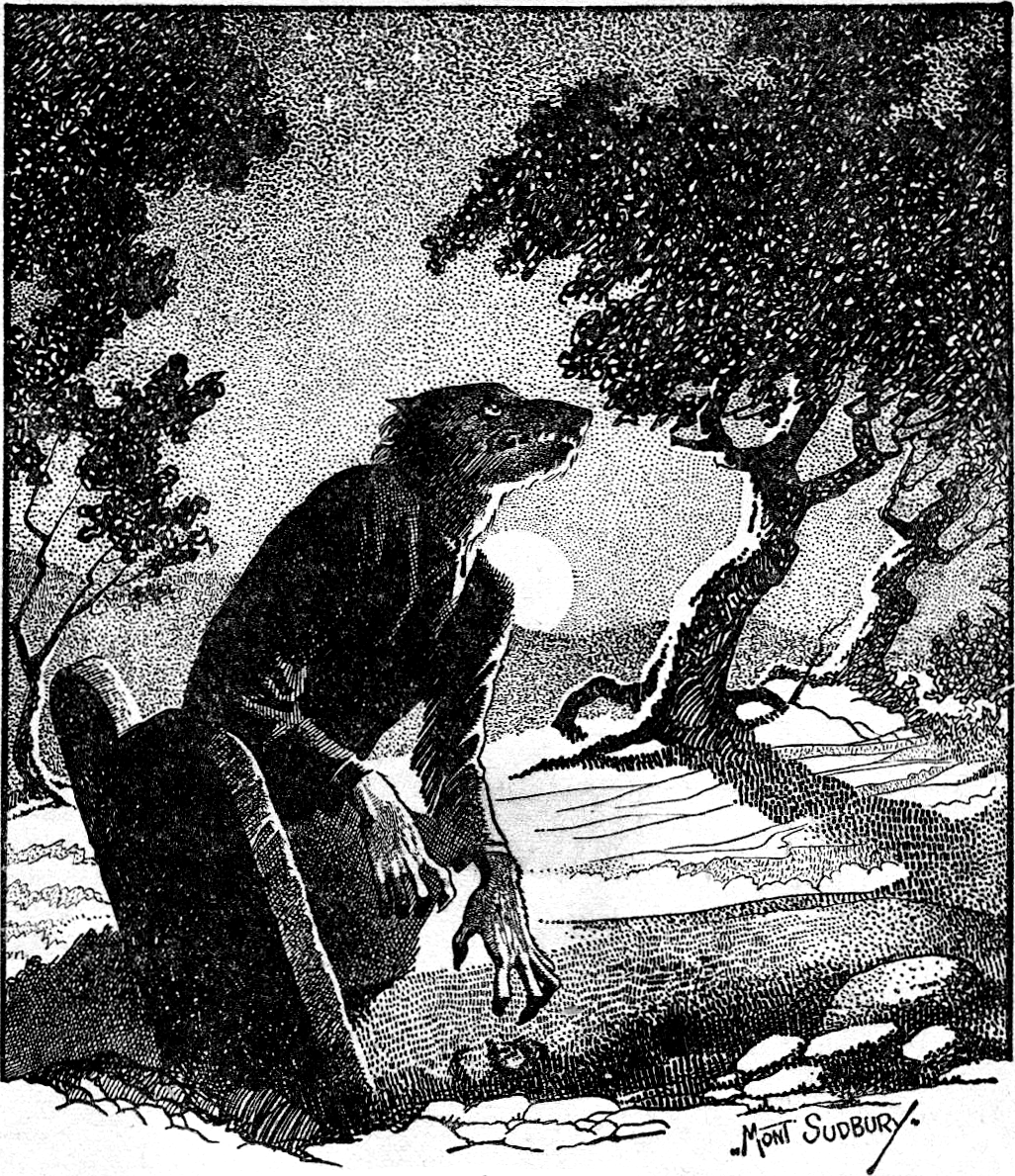 🇫🇷 France and 5 moreWerewolf
A mythical shapeshifter that turns into a wolf, central to European witch-hunts and Gothic horror.Being · Cursing and harm · Wonder and entertainment Legendary
🇫🇷 France and 5 moreWerewolf
A mythical shapeshifter that turns into a wolf, central to European witch-hunts and Gothic horror.Being · Cursing and harm · Wonder and entertainment Legendary
 🇪🇸 Spain and 5 moreSt John's Eve
A Christian vigil marked by bonfires and plant gathering on the summer solstice eveRite · Protection · Speaking with spirits and the dead Living
🇪🇸 Spain and 5 moreSt John's Eve
A Christian vigil marked by bonfires and plant gathering on the summer solstice eveRite · Protection · Speaking with spirits and the dead Living