
Spiritualist churches are congregations within the spiritualist movement that began in the United States during the 1840s. They provide a setting for mediums to demonstrate contact with spirits and offer evidence of survival after death.
- Originated in Hydesville, New York, in 1848
- Fox sisters conducted early influential séances
- Lyceums provide educational wings for doctrine
- Spiritualist camps offer summer retreats
- African American churches formed CSAC in 1922
What it is
A spiritualist church serves as a gathering place for adherents of the spiritualist movement. This tradition started in the United States in the mid-nineteenth century. The primary function is to facilitate communication between the living and those who have died. A medium leads the service, acting as an intermediary. These gatherings aim to prove that consciousness survives physical death. Members seek comfort and evidence of this continued existence.
Where it comes from
The movement traces its roots to 1848 in Hydesville, New York. Fox sisters conducted séances that sparked interest. Some followers also credit early American religious groups like the Shakers. By 1853, the practice reached London and San Francisco. It spread globally within a decade. British organizations later formed national unions. African American practitioners established separate denominations due to segregation in the early twentieth century.
How it is done
Services typically begin with prayer and hymns. An address follows before the main event. The medium demonstrates contact with spirits. Healing circles may be included in the program. Participants sit in development circles to train. Meditation helps focus the mind for reception. Practitioners use breathing techniques and visualization. The goal is to receive clear messages from the departed.
Tools and materials
Churches often include a lyceum for education. This wing teaches doctrine and history outside services. Guest lecturers and visiting mediums are booked here. Development circles serve as training grounds. Meditation aids help calm the practitioner. Specific prayers or holy names may be used. Visualizations assist in connecting with guides or spirits.
Spiritualist church, drawn and placed
- Living
- Revived
- Fading
- Historical
- Legendary
- Performed
- Lineage
- Spiritualism
- Timing
- during services
What it is for
The main intent is to obtain evidence of survival. Mediums describe the deceased to relatives. Accurate details convince attendees of contact. Healing circles offer support for emotional distress. Families seek closure through communication. The practice provides a framework for understanding death. It offers hope for continued connection beyond life.
Who does it
Mediums lead the worship services. They develop skills through regular practice. Training occurs in development circles. Meditation is central to their preparation. Some mediums come from Christian backgrounds. Others follow secular spiritualist paths. Leadership roles vary by denomination. African American churches often feature ecstatic styles.
Peoples and places
The movement is strong in English-speaking nations. Churches exist in Australia, Canada, and South Africa. Groups operate in Europe and Asia. Latin America prefers spiritist centers over churches. African American spiritualism developed distinct forms. Denominations like the Spiritual Church of New Orleans emerged. These groups blend Christian theology with spiritualist practices.
At a glance: who, where and when
Belief worlds
Occasions
What people believe
Spiritualists believe the mind survives death. This aspect exists on a spirit plane. Mediums act as bridges to this realm. They provide proof of survival to the living. Accuracy in description validates the contact. Guides and teachers may also communicate. The universe is sometimes viewed as the creator. Doctrines vary from Christian to secular.
When it is done
Services occur regularly throughout the year. No specific festivals are mandated. Summer retreats known as spiritualist camps are popular. Families attend these rural gatherings. Lectures and classes are held there. Camps offer boating and hiking activities. They provide a space for spiritual development away from urban life.
How scholars and sceptics see it
Researchers view spiritualism as a new religious movement. Anthropologists study its social functions. Psychologists analyze the trance states. Skeptics attribute phenomena to fraud or suggestion. Historical records document the Fox sisters' influence. Sociologists note the movement's role in women's rights. Political radicalism was common among early members.
Cautions and what is closed
Segregation historically excluded Black members from white churches. This led to the formation of separate associations. Fraudulent mediums have been reported in the past. Legal issues arose regarding psychic services. Some groups dissolved due to leadership disputes. The movement remains diverse with varying levels of organization.
Compare and confuse
Spiritism is similar but popular in Latin America. It uses different organizational structures. Spiritist centers replace churches in some regions. Christian spiritualism aligns more closely with traditional faiths. Secular spiritualism focuses on psychic science. The term spiritualism covers both religious and scientific approaches.
Questions people ask about Spiritualist church
What is a spiritualist church?
It is a congregation within the spiritualist movement where mediums demonstrate contact with spirits. The goal is to provide evidence that consciousness survives physical death.
Where did spiritualism begin?
The movement started in the United States in 1848. The Fox sisters in Hydesville, New York, are credited with initiating the modern practice through their séances.
What happens during a service?
Services include prayer, hymns, and addresses. The medium then demonstrates contact with the deceased. Healing circles may also be part of the proceedings.
Are there different types of spiritualist churches?
Yes. Some are independent, while others join national unions. African American spiritualism has distinct denominations with unique theological blends and worship styles.
Good reading and sources
The facts on this page come from the Wikipedia article "Spiritualist church", written by its contributors and used under the CC BY-SA 4.0 licence, and from its Wikidata record (CC0). EveryJaadu rewrote the text in its own words, with AI assistance, and compares every page with the article to make sure no passage is copied. It may be reused under the same CC BY-SA 4.0 licence with a link back.
It may contain mistakes. Names and customs differ from one community to the next, and some knowledge is closed to outsiders and left out here. This page describes belief and practice. It does not say that any of it works, it is not a how-to, and it is not medical advice. If something is wrong, tell us. Last refreshed 2026-10-06.
More from the United States
All the entries from the United States 🇺🇸 United States and 3 moreMediumship
The practice of mediating communication between the living and spirits of the dead.Tradition · Speaking with spirits and the dead Living
🇺🇸 United States and 3 moreMediumship
The practice of mediating communication between the living and spirits of the dead.Tradition · Speaking with spirits and the dead Living
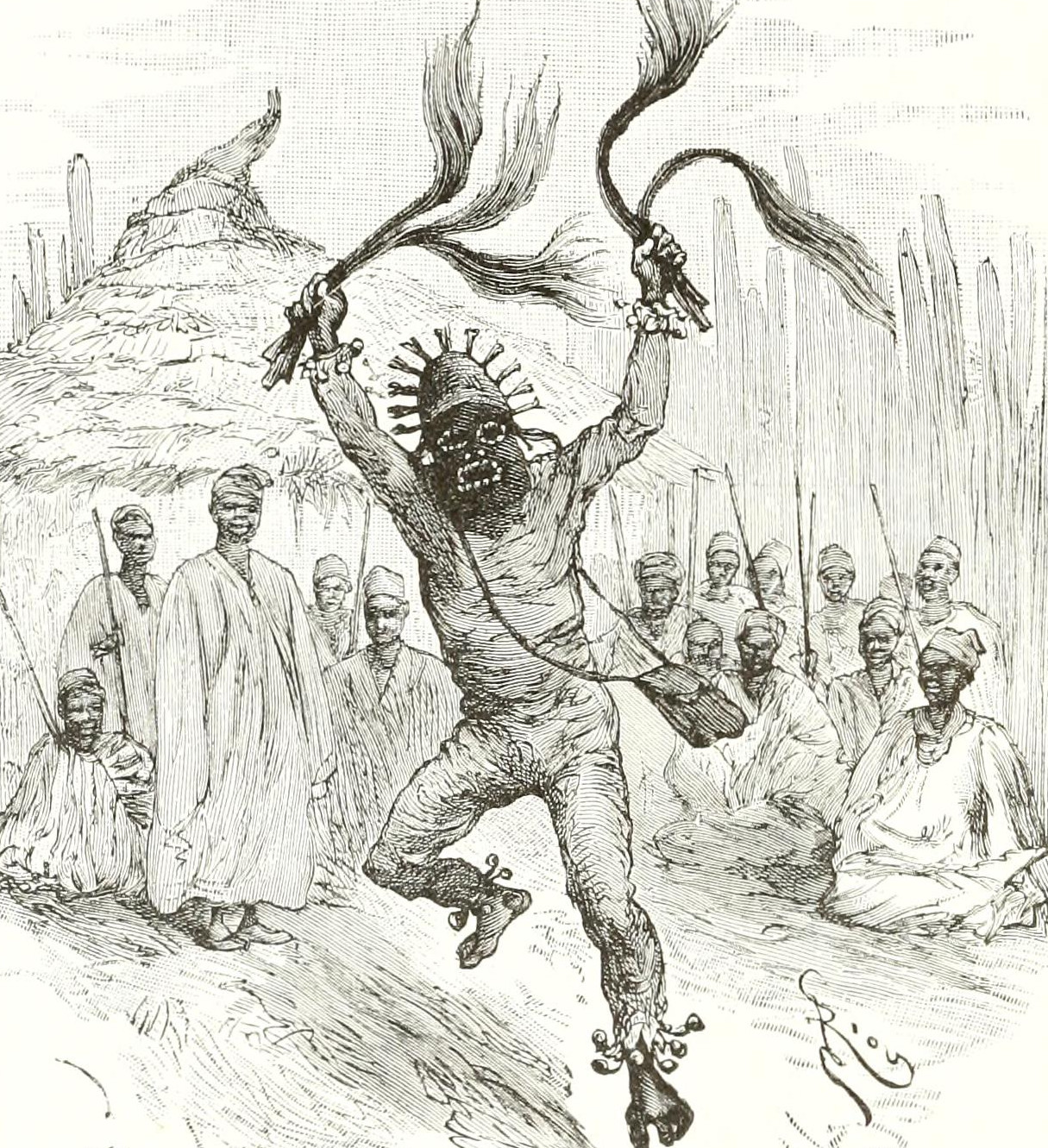 🇺🇸 United States and 2 moreLouisiana Voodoo
An African diasporic religion practiced in Louisiana from the 18th to early 20th centuriesTradition · Healing · Protection Historical
🇺🇸 United States and 2 moreLouisiana Voodoo
An African diasporic religion practiced in Louisiana from the 18th to early 20th centuriesTradition · Healing · Protection Historical
 🇺🇸 United StatesFolk healer
An unlicensed community member who provides healing care using local plants and traditional knowledge.Tradition · Healing · Protection Historical
🇺🇸 United StatesFolk healer
An unlicensed community member who provides healing care using local plants and traditional knowledge.Tradition · Healing · Protection Historical
 🇺🇸 United States and 4 moreRainmaking
Efforts to induce rain through technology, ritual, or prayer.Tradition · Protection · Healing Living
🇺🇸 United States and 4 moreRainmaking
Efforts to induce rain through technology, ritual, or prayer.Tradition · Protection · Healing Living
Related elsewhere
All tradition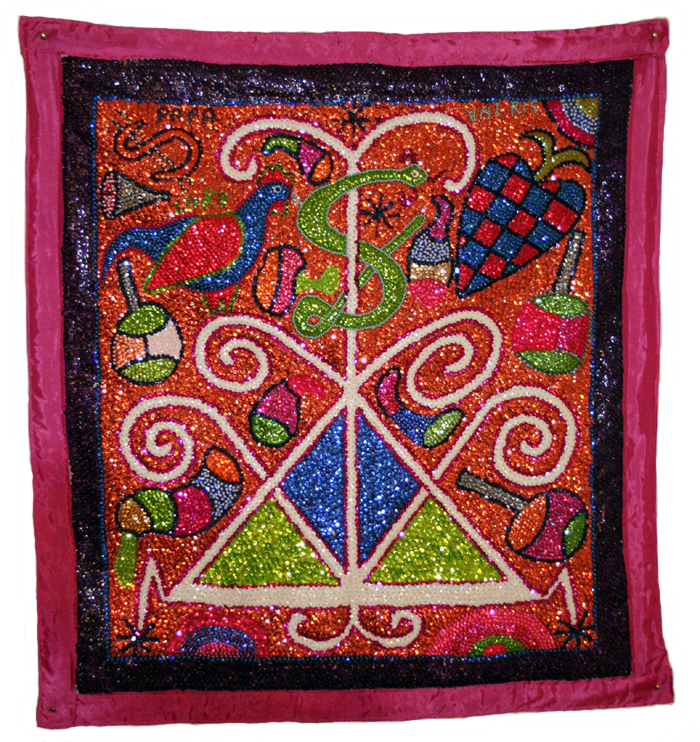 🇭🇹 Haiti and 2 moreHaitian VodouVodou
An Afro-Haitian religion blending West African traditions with Catholicism and FreemasonryTradition · Protection · Healing Living
🇭🇹 Haiti and 2 moreHaitian VodouVodou
An Afro-Haitian religion blending West African traditions with Catholicism and FreemasonryTradition · Protection · Healing Living
 🇮🇶 Iraq and 5 moreGrimoire
A textbook containing instructions for spells, rituals, and the creation of magical objects.Text · Protection · Healing Historical
🇮🇶 Iraq and 5 moreGrimoire
A textbook containing instructions for spells, rituals, and the creation of magical objects.Text · Protection · Healing Historical
 🇸🇳 Senegal and 1 moreSerer religionA ƭat Roog
The traditional faith of the Serer people, centred on the supreme deity Roog and ancestral veneration.Tradition · Protection · Speaking with spirits and the dead Living
🇮🇷 Iran and 2 moreHaoma
A divine plant and spirit in Zoroastrianism, linked to healing and ancient rituals.Substance · Healing · Speaking with spirits and the dead Living
🇸🇳 Senegal and 1 moreSerer religionA ƭat Roog
The traditional faith of the Serer people, centred on the supreme deity Roog and ancestral veneration.Tradition · Protection · Speaking with spirits and the dead Living
🇮🇷 Iran and 2 moreHaoma
A divine plant and spirit in Zoroastrianism, linked to healing and ancient rituals.Substance · Healing · Speaking with spirits and the dead Living