Kinoko
In its own language: 木の子
From Japanese characters meaning tree child
A mountain spirit in Japan that looks like a small child and plays tricks on workers.
The kinoko is a yōkai from the Kinki region of Japan. It appears as a young child wearing leaf clothing or blue garments. Woodcutters report seeing them play in groups and steal food if not careful.
- Kinoko appear as children aged two to four.
- They wear clothes made of leaves or blue fabric.
- They are a type of mountain spirit called yamawaro.
- They steal bento boxes from woodcutters.
- They are found in Nara and Hyogo Prefectures.
What it is
The kinoko is a type of yōkai, a supernatural being in Japanese folklore. These creatures are classified as mountain spirits known as yamawaro. They inhabit the rugged terrain of the Kinki region. The entity manifests as a human child between two and four years old. Witnesses describe their appearance as fleeting, often resembling a shadow rather than a solid form. This makes identification difficult for those who encounter them in the wild.
Where it comes from
Legends place these spirits in the mountainous areas of Nara and Hyogo Prefectures. The Yoshino region specifically holds stories about them. They belong to the broader category of yamawaro, which are wild mountain children. The exact origin of the belief is tied to local oral traditions in these specific prefectures.
How it is done
Kinoko are observed playing together in groups within the forest. They interact with humans by stealing bento boxes from woodcutters and other mountain workers. To repel them, locals use sticks to shoo the spirits away after a theft occurs. The spirits remain elusive, appearing only as shadows when directly viewed.
Tools and materials
The spirits wear clothes made from leaves or blue fabric. These garments help identify them as distinct from ordinary children. Workers use simple wooden sticks to drive them off after they commit pranks.
Kinoko, drawn and placed
- Living
- Revived
- Fading
- Historical
- Legendary
- Performed
- Lineage
- Yamawaro
- Timing
- When working in mountains
What it is for
They do not serve a ritual purpose but act as mischievous entities. Their actions involve stealing food from unsuspecting workers. This behavior serves as a warning to be cautious in the mountains.
Who does it
Woodcutters and mountain laborers are the primary witnesses. They are not practitioners but victims of the spirits' pranks. Scholars study these accounts as part of regional folklore.
Peoples and places
The kinoko are specific to the Kinki region of Japan. They are found in Nara and Hyogo Prefectures. Local workers recognize them as a common, albeit tricky, presence in the woods.
At a glance: who, where and when
Peoples
Belief worlds
What people believe
The belief reflects a worldview where nature contains playful, sometimes hostile, spirits. The shadow-like appearance suggests a connection to the unseen aspects of the forest.
When it is done
Encounters happen whenever humans work in the mountains. There are no specific festivals or dates associated with them.
How scholars and sceptics see it
Folklorists classify the kinoko as a variant of the yamawaro. Researchers view these stories as reflections of historical interactions between humans and the wild environment.
Cautions and what is closed
No physical harm is reported, only the loss of food. The spirits are considered harmless beyond theft if properly shooed away.
Compare and confuse
The kinoko is closely related to the yamawaro. Both are mountain-dwelling child spirits. Other regions may have similar legends of wild forest children.
Questions people ask about Kinoko
What does a kinoko look like?
It looks like a child aged two to four, wearing leaf clothes or blue garments. It often appears as a shadow, making it hard to see clearly.
Where are kinoko found?
They are found in the mountainous regions of the Kinki area, specifically in Nara and Hyogo Prefectures in Japan.
What do kinoko do to humans?
They play in groups and may steal bento boxes from woodcutters. People use sticks to shoo them away after such incidents.
Is kinoko a real creature?
It is a legendary yōkai from Japanese folklore. It is not a biological animal but a supernatural being in local myths.
Good reading and sources
The facts on this page come from the Wikipedia article "Kinoko", written by its contributors and used under the CC BY-SA 4.0 licence, and from its Wikidata record (CC0). EveryJaadu rewrote the text in its own words, with AI assistance, and compares every page with the article to make sure no passage is copied. It may be reused under the same CC BY-SA 4.0 licence with a link back.
It may contain mistakes. Names and customs differ from one community to the next, and some knowledge is closed to outsiders and left out here. This page describes belief and practice. It does not say that any of it works, it is not a how-to, and it is not medical advice. If something is wrong, tell us. Last refreshed 2026-10-06.
More from Japan
All the entries from Japan 🇨🇳 China and 3 moreChinese dragon龍
A legendary water deity and imperial symbol in East Asian cultureBeing · Protection · Luck and prosperity Historical
🇨🇳 China and 3 moreChinese dragon龍
A legendary water deity and imperial symbol in East Asian cultureBeing · Protection · Luck and prosperity Historical
 🇯🇵 JapanOni鬼(おに)
A horned demon of Japanese folklore known for strength and evil deedsBeing · Cursing and harm · Luck and prosperity Legendary
🇯🇵 JapanOni鬼(おに)
A horned demon of Japanese folklore known for strength and evil deedsBeing · Cursing and harm · Luck and prosperity Legendary
 🇯🇵 JapanBaku獏
A Japanese spirit said to eat bad dreams and protect sleepersBeing · Protection Living
🇯🇵 JapanKuda-gitsune管狐 (kuda-gitsune)
A small spirit kept in a tube or sleeve to aid fortune-telling and cursing in Japanese folklore.Being · Seeing and foretelling · Cursing and harm Legendary
🇯🇵 JapanBaku獏
A Japanese spirit said to eat bad dreams and protect sleepersBeing · Protection Living
🇯🇵 JapanKuda-gitsune管狐 (kuda-gitsune)
A small spirit kept in a tube or sleeve to aid fortune-telling and cursing in Japanese folklore.Being · Seeing and foretelling · Cursing and harm Legendary
Related elsewhere
All being 🇷🇸 Serbia and 5 moreVampire
An undead creature from folklore that feeds on the blood or life force of the livingBeing · Cursing and harm · Luck and prosperity Legendary
🇷🇸 Serbia and 5 moreVampire
An undead creature from folklore that feeds on the blood or life force of the livingBeing · Cursing and harm · Luck and prosperity Legendary
 🇪🇬 Egypt and 1 moreSphinx
A mythical hybrid with a human head and lion body, serving as guardian or riddler in Egyptian and Greek traditions.Being · Protection · Wonder and entertainment Legendary
🇪🇬 Egypt and 1 moreSphinx
A mythical hybrid with a human head and lion body, serving as guardian or riddler in Egyptian and Greek traditions.Being · Protection · Wonder and entertainment Legendary
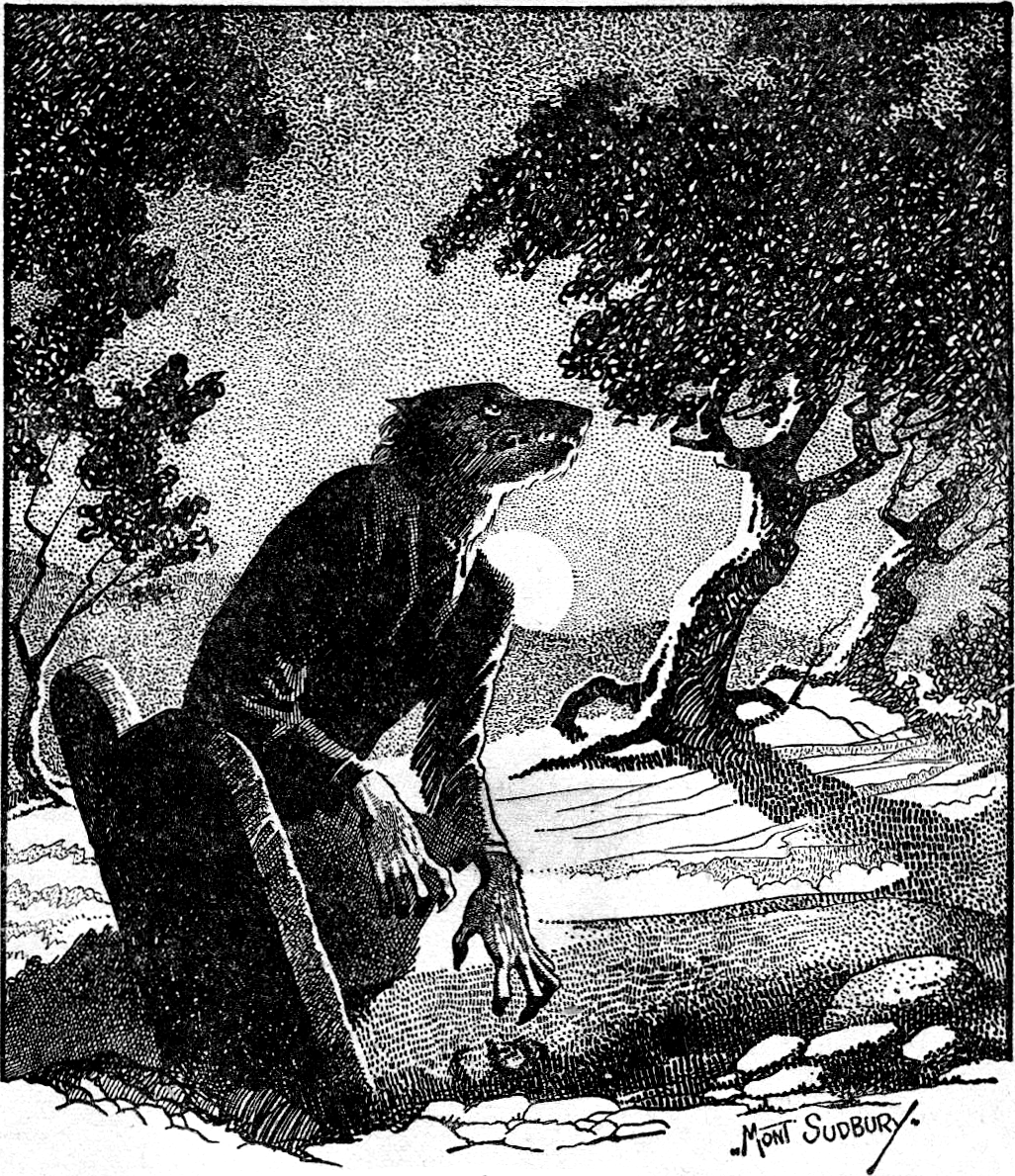 🇫🇷 France and 5 moreWerewolf
A mythical shapeshifter that turns into a wolf, central to European witch-hunts and Gothic horror.Being · Cursing and harm · Wonder and entertainment Legendary
🇫🇷 France and 5 moreWerewolf
A mythical shapeshifter that turns into a wolf, central to European witch-hunts and Gothic horror.Being · Cursing and harm · Wonder and entertainment Legendary
 🇪🇬 Egypt and 1 moreLilithלִילִית
A feminine figure from Mesopotamian and Jewish mythology, often depicted as a night demon or spirit.Being · Cursing and harm Legendary
🇪🇬 Egypt and 1 moreLilithלִילִית
A feminine figure from Mesopotamian and Jewish mythology, often depicted as a night demon or spirit.Being · Cursing and harm Legendary