
Sárkány
from Oghuric Turkic šaragan, meaning 'dragon'
A winged reptilian beast from Hungarian folklore, linked to weather and literary heroes.
The sárkány is a legendary creature in Hungarian mythology. It appears as a scaly, winged beast or a shape-shifter. The word comes from Turkic roots, reflecting ancient cultural exchanges with steppe peoples.
- Name comes from Oghuric Turkic šaragan
- Thunder seen as dragons fighting in clouds
- Pike fish could transform into a dragon
- Garabonciás mage could ride the beast
- Modern stories show sensitive, one-headed dragons
What it is
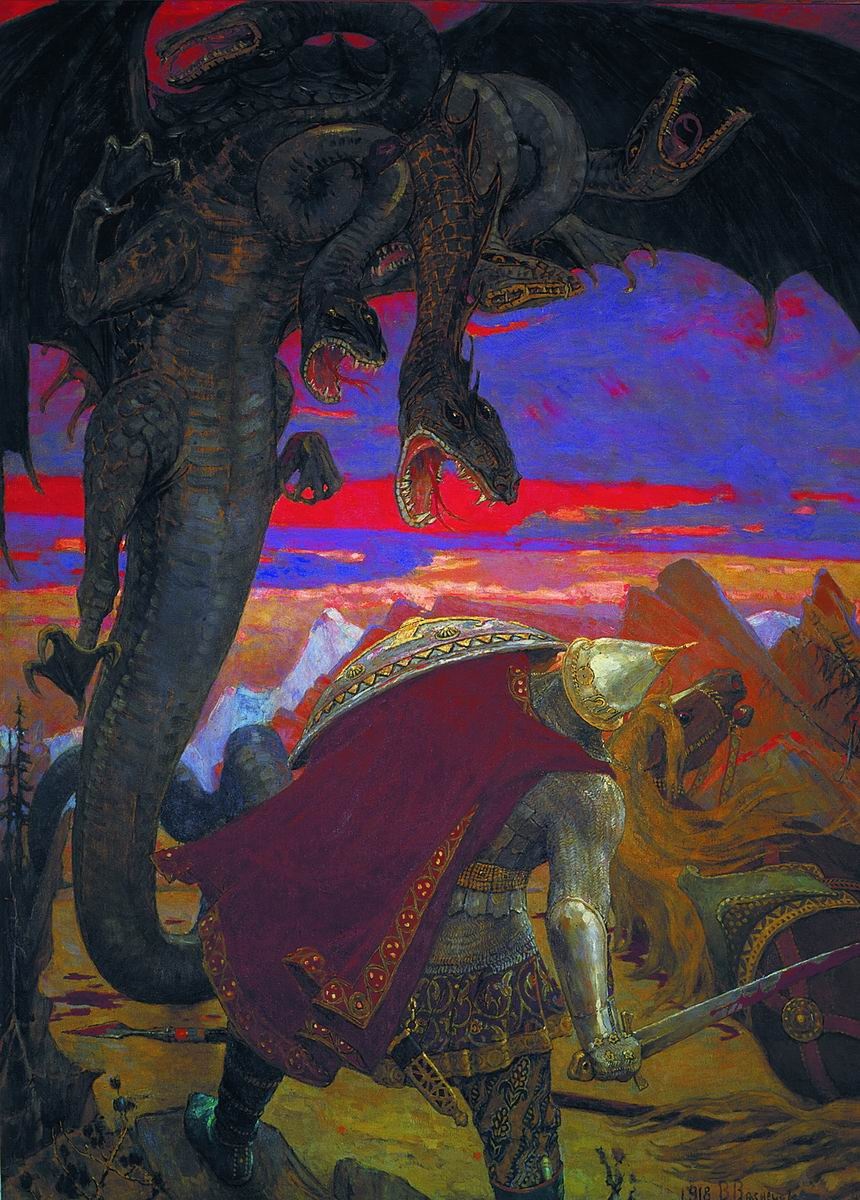
The sárkány is a monster from Hungarian legend. It usually looks like a winged reptile with scales. Sometimes it mixes traits of other animals. Early stories saw it as a bridge between earth and sky. Later views linked it to storms and tornadoes. People thought thunder was the sound of these beasts fighting in the clouds. Their battles caused heavy rain and floods over the fields.
Where it comes from
The name comes from an old Turkic word for dragon. This shows early contact between Hungarians and steppe tribes. A Cuman chieftain named Sharukan fought Russian forces. His name meant dragon. Russian epics mention him. Hungarian songs may recall this conflict. The word shares roots with terms for yellow or white in related languages. This links the creature to pale nomadic groups.
How it is done
Legends say dragons could change form. In some areas, a pike fish became a dragon after years in the mud. A rooster might do the same in its nest. Only a magical human called a Garabonciás could lure them out. They then rode the beast. Other tales said dragons bred like normal animals. Females carried young for seven years. They lived in hollow trees or mountain caves.
Tools and materials
Dragons used their strength to control nature. They made rain by striking clouds with their tails. Later stories gave them hoards of gold and gems. These treasures made them targets for heroes. Their scales were so hard that weapons could not pierce them. Some had many heads, often in multiples of three or seven.
Sárkány, drawn and placed
- Living
- Revived
- Fading
- Historical
- Legendary
- Performed
- Lineage
- Hungarian mythology
- Timing
- in tales of heroism
What it is for
In older tales, dragons explained natural disasters. They represented wild forces that needed appeasing. Later, they became villains in children's books. They kidnapped maidens and disturbed villages. Heroes defeated them to gain fame. Killing a dragon marked a boy's entry into adulthood. Modern stories sometimes show them as wise beings needing help.
Who does it
Scholars study the linguistic roots of the word. Writers like Elek Benedek and Gyula Illyés shaped the image. They turned the beast into a character with human speech. Some authors made them sing or drink wine. Others portrayed them as sensitive outcasts. István Csukás created Süsü, a one-headed dragon. This figure helped children face their fears.
Peoples and places
The concept belongs to Hungarian culture. It spread to Slovak and Czech lands as šarkan. Polish uses szargan. The root connects to Cuman and Chuvash words for color. Russian epics preserve memories of the Turkic dragon. Transylvanian lore has similar figures like Balaur. These variations show how the myth moved across borders.
At a glance: who, where and when

What people believe
Ancient views saw dragons as unifying forces. They connected the physical world with the spiritual. Thunder was their roar. Rain was their blood. Later beliefs focused on their greed. They hoarded wealth and attacked humans. Multi-headed dragons reflected numerology. The number seven held special power. Dragons could speak and reason, making them complex foes rather than just monsters.
When it is done
No specific festivals are tied to the sárkány. It appears in seasonal tales about storms. Stories often happen during crises when villages need saving. The transformation of fish or roosters takes years. This long cycle mirrors slow natural changes. Heroes act when danger strikes, not on set dates.
How scholars and sceptics see it
Linguists trace the word to Oghuric Turkic. They debate if it links to Slavic forms. Historians note the Cuman chieftain Sharukan. He fought Rus' armies in the twelfth century. His name survived in epic poetry. Literary critics analyze how authors changed the dragon. Early texts showed weather demons. Modern books show emotional characters. This shift reflects changing cultural values.
Cautions and what is closed
No specific harms are recorded. The creature is fictional. It does not exist in reality. Stories warn against greed and arrogance. Heroes must be brave to fight them. Children learn courage through these tales. No rituals are performed to summon them. They remain figures of imagination and history.
Compare and confuse
The sárkány resembles the South Slavic Ala. Both are weather demons. Transylvania has Balaur, a similar beast. The name shares roots with Turkic words. This differs from Western European dragons. Those often guard treasure strictly. Hungarian versions focus more on nature and shape-shifting. The multi-headed trait links to broader Indo-European myths.
Questions people ask about Sárkány
What is a sárkány?
It is a legendary winged reptile from Hungarian folklore. It controls storms and rain. Later stories made it a villain who hoards gold.
Where does the word come from?
It derives from the Turkic word šaragan. This reflects ancient ties between Hungarians and steppe peoples like the Cumans.
Can a sárkány change form?
Yes. Legends say a pike or rooster becomes a dragon after years in hiding. A magical human must lure it out to ride it.
Good reading and sources
The facts on this page come from the Wikipedia article "Sárkány (mythology)", written by its contributors and used under the CC BY-SA 4.0 licence, and from its Wikidata record (CC0). EveryJaadu rewrote the text in its own words, with AI assistance, and compares every page with the article to make sure no passage is copied. It may be reused under the same CC BY-SA 4.0 licence with a link back.
It may contain mistakes. Names and customs differ from one community to the next, and some knowledge is closed to outsiders and left out here. This page describes belief and practice. It does not say that any of it works, it is not a how-to, and it is not medical advice. If something is wrong, tell us. Last refreshed 2026-10-06.
More from Hungary
All the entries from Hungary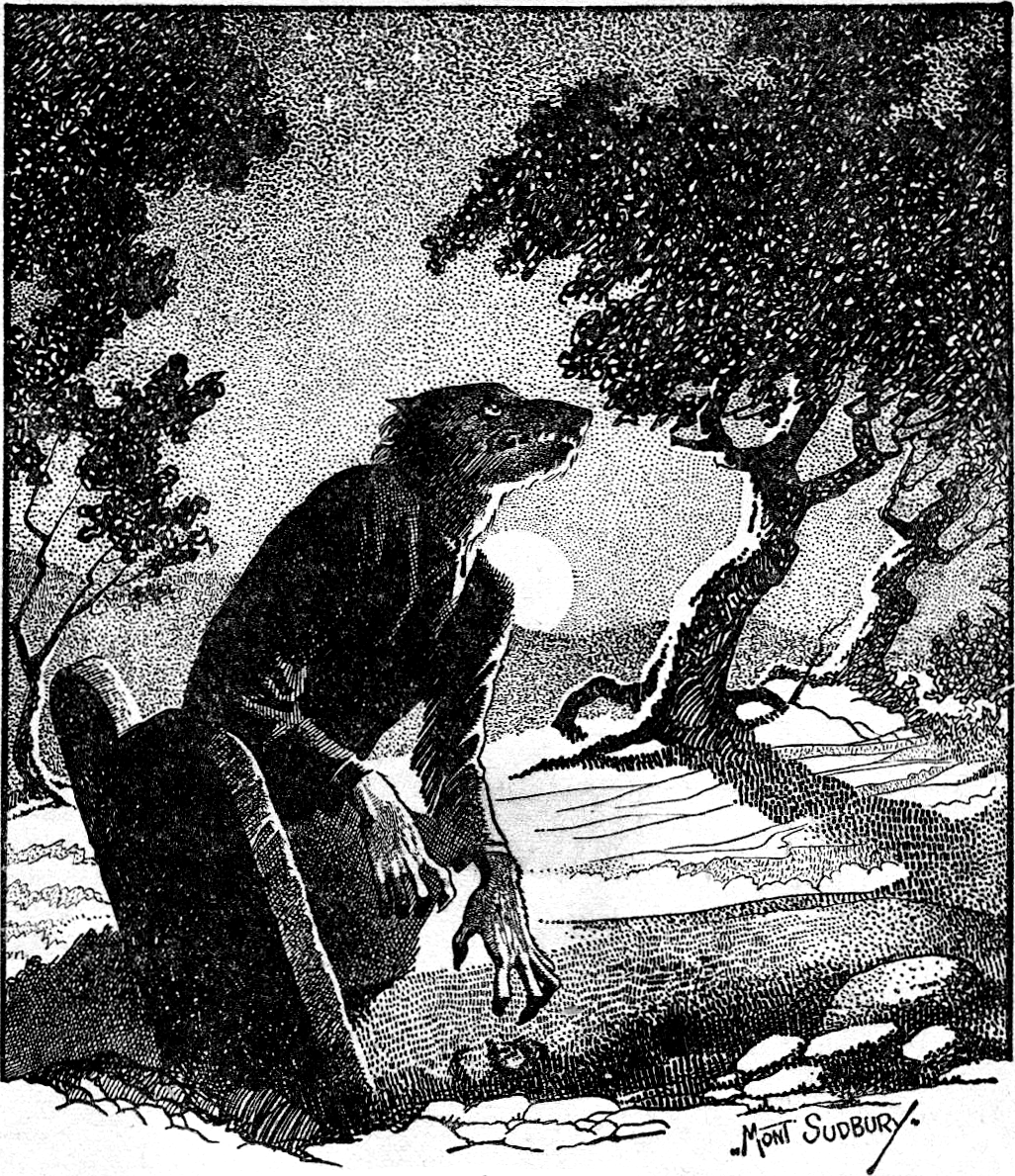 🇫🇷 France and 5 moreWerewolf
A mythical shapeshifter that turns into a wolf, central to European witch-hunts and Gothic horror.Being · Cursing and harm · Wonder and entertainment Legendary
🇭🇺 HungaryTáltos
A Hungarian mythic figure with supernatural powers who acts as a spiritual mediator.Being · Healing · Seeing and foretelling Legendary
🇫🇷 France and 5 moreWerewolf
A mythical shapeshifter that turns into a wolf, central to European witch-hunts and Gothic horror.Being · Cursing and harm · Wonder and entertainment Legendary
🇭🇺 HungaryTáltos
A Hungarian mythic figure with supernatural powers who acts as a spiritual mediator.Being · Healing · Seeing and foretelling Legendary
 🇫🇷 France and 5 moreRevenant
An animated corpse or spirit that returns from the grave to haunt the livingBeing · Cursing and harm Legendary
🇫🇷 France and 5 moreRevenant
An animated corpse or spirit that returns from the grave to haunt the livingBeing · Cursing and harm Legendary
 🇦🇱 Albania and 3 moreKulshedra
A multi-headed serpent demon in Albanian folklore that controls storms and droughts.Being · Cursing and harm · Luck and prosperity Legendary
🇦🇱 Albania and 3 moreKulshedra
A multi-headed serpent demon in Albanian folklore that controls storms and droughts.Being · Cursing and harm · Luck and prosperity Legendary
Related elsewhere
All being 🇯🇵 JapanKappa河童
A river-dwelling yōkai known for its head dish and love of cucumbersBeing · Cursing and harm · Wonder and entertainment Legendary
🇯🇵 JapanKappa河童
A river-dwelling yōkai known for its head dish and love of cucumbersBeing · Cursing and harm · Wonder and entertainment Legendary
 🇮🇩 IndonesiaRangdaᬭᬗ᭄ᬤ
A Balinese demon queen who leads witches in an eternal battle against good.Figure · Cursing and harm · Wonder and entertainment Legendary
🇮🇩 IndonesiaRangdaᬭᬗ᭄ᬤ
A Balinese demon queen who leads witches in an eternal battle against good.Figure · Cursing and harm · Wonder and entertainment Legendary
 🇯🇵 JapanKitsuneきつね
A Japanese fox spirit known for shapeshifting and trickeryBeing · Cursing and harm · Protection Legendary
🇯🇵 JapanKitsuneきつね
A Japanese fox spirit known for shapeshifting and trickeryBeing · Cursing and harm · Protection Legendary
 🇯🇵 JapanNoppera-bōのっぺらぼう
A faceless spirit from Japanese folklore that mimics human appearanceBeing · Cursing and harm · Wonder and entertainment Historical
🇯🇵 JapanNoppera-bōのっぺらぼう
A faceless spirit from Japanese folklore that mimics human appearanceBeing · Cursing and harm · Wonder and entertainment Historical