
Night raven
In its own language: nattravn
from Germanic roots meaning night raven, also used historically for nocturnal birds like nightjars
A nocturnal creature of European folklore, feared as a child-stealer or seen as a ghost in bird form.
Night ravens are creatures from European folklore described as raven-like beings active at night. They appear in legends across Germany, Scandinavia and Eastern Europe, often serving as bugbears to frighten children or as undead spirits of the improperly buried.
- Known as Nachtkrapp in German folklore
- Described as having wings made of iron
- Used to scare children into staying indoors
- Linked to ghosts of the improperly buried
- Originally meant nocturnal birds like nightjars
What it is
Night ravens are mythical creatures found in the folklore of northern and central Europe. They are typically depicted as large, dark birds that fly only after dark. In many tales, they are not merely animals but supernatural entities. Some stories describe them as undead beings taking the shape of ravens. Others portray them as monstrous predators that hunt humans. The figure serves multiple roles in local tradition. It acts as a cautionary tale to keep children indoors. It also represents the ominous nature of the night itself. The creature is linked to death and darkness in various regional myths.
Where it comes from
The exact origins of these legends are unknown. Scholars suggest a possible connection to rook infestations in Central Europe. Rooks gather in large, noisy flocks and scavenge, which may have frightened farmers. This fear likely transformed into folklore about all-devouring monsters. The word itself has older meanings. Historically, it referred to nocturnal birds like owls and nightjars. Shakespeare used the term nightcrow to mean a night-owl. The shift from bird name to monster name happened gradually across different regions.
How it is done
Legends describe the night raven’s actions rather than a ritual method. In German tales, the creature leaves its hiding place to hunt. If it sees a child, it may abduct them to its nest. There, it is said to devour them messily. Other versions claim it simply puts children in a bag and takes them away. A benevolent version called the Good Night Raven sings children to sleep. In Nordic areas, the creature is described as a ghost. It flies around making creaking sounds like old wagon wheels. It never flies lower than the height of oxen yokes.
Tools and materials
The primary tool of the night raven is its physical form. It is often described as having wings made of iron. These iron wings are used to beat those who offend it. In some stories, it carries a bag to transport victims. Its nest serves as a place of danger for abducted children. The creature’s eyes are sometimes described as deadly. Looking into them is said to cause death. Holes in its wings are also mentioned as sources of illness if observed.
Night raven, drawn and placed
- Living
- Revived
- Fading
- Historical
- Legendary
- Performed
- Lineage
- European folklore
- Timing
- at night
What it is for
The night raven is primarily used to enforce behavior. Parents and communities used the story to scare children into going to bed. The threat of abduction or devouring kept young ones inside at night. In other contexts, the creature explains misfortune. Illness and sudden death were attributed to its presence. It served as a messenger of darkness. The legend also provided an explanation for the sounds of the night. Creaking noises were heard as the ghostly birds flying overhead.
Who does it
There are no specific practitioners of the night raven. It is a figure of folklore, not a religion. Scholars study these tales to understand regional beliefs. The stories were passed down orally through generations. Different regions had different versions of the creature. German folklore focused on its predatory nature. Swedish folklore linked it to the ghosts of the ungodly dead. Norwegian and Danish tales emphasized its ghostly, eyeless form.
Peoples and places
The night raven appears in the folklore of several European nations. In Germany and Austria, it is known as Nachtkrapp. Stories vary from southern regions to the north. Northern tales describe it as an iron-winged bird. In Sweden, it is called nattramn. Legends there link it to suicides and unbaptized children. Norway and Denmark share similar names and concepts. The creature is also found in Polish and Russian folklore. Each culture adds its own details to the basic raven-like ghost concept.
At a glance: who, where and when
Who does it
Peoples
Belief worlds

What people believe
The belief system behind the night raven involves death and the afterlife. In Swedish tradition, it is the ghost of those buried improperly. This includes suiciders and those in unholy earth. The creature is a type of undead being. It wears a feathered hamr, or bird shape. In Old Norse mythology, ravens were associated with death. Valkyries scouted battlefields as ravens. The night raven fits into this broader view of birds as omens. It represents the boundary between the living and the dead.
When it is done
The night raven is active only at night. It does not have a specific festival or calendar day. Its appearance is tied to the darkness of evening. Children were told to stay inside when it was active. The creature’s habits align with the fears of the night. No specific seasons are mentioned in the core legends. The timing is strictly nocturnal, reinforcing its role as a shadowy figure.
How scholars and sceptics see it
Scholars view the night raven as a product of environmental fear. The link to rook infestations suggests a natural origin for the myth. Large flocks of black birds can be intimidating. This intimidation likely evolved into monster stories. Linguists note the term’s original meaning for nocturnal birds. The shift to a monster is a linguistic and cultural evolution. Anthropologists see it as a tool for social control. The story enforced bedtime and safety for children. It reflects common fears of the unknown in rural societies.
Cautions and what is closed
The night raven is a fictional creature. It poses no real danger. However, the legends themselves were used to cause fear. Children were terrified by stories of abduction and devouring. The tales relied on horror elements to be effective. There are no reports of actual harm caused by the creature. It exists only in stories and cultural memory. Modern retellings in games and books keep the legend alive as entertainment.
Compare and confuse
The night raven is similar to other European child-stealing monsters. It shares traits with the bogeyman. It is also related to the Devil Bird of Sri Lankan folklore. Both are omens of bad luck or death. The Māori Hakawai is another similar omen. Unlike vampires or werewolves, the night raven is specifically avian. It is distinct from the Christian devil, though it serves a similar cautionary role. The term is also confused with actual nocturnal birds like owls.
Questions people ask about Night raven
What is a night raven?
It is a creature from European folklore described as a raven-like being active at night. It appears in legends across Germany, Scandinavia and Eastern Europe as a monster or ghost.
Where do night raven legends come from?
They originate in the folklore of northern and central Europe. Specific tales are found in Germany, Sweden, Norway, Denmark, Austria, Poland and Russia among others.
What does the night raven do in stories?
It is often said to abduct children or devour them. In some tales, it sings them to sleep. It is also described as a ghost that flies at night making creaking sounds.
Is the night raven a real bird?
No, it is a mythical creature. However, the name was historically used for real nocturnal birds like nightjars and owls before becoming a monster name.
Good reading and sources
The facts on this page come from the Wikipedia article "Night raven", written by its contributors and used under the CC BY-SA 4.0 licence, and from its Wikidata record (CC0). EveryJaadu rewrote the text in its own words, with AI assistance, and compares every page with the article to make sure no passage is copied. It may be reused under the same CC BY-SA 4.0 licence with a link back.
It may contain mistakes. Names and customs differ from one community to the next, and some knowledge is closed to outsiders and left out here. This page describes belief and practice. It does not say that any of it works, it is not a how-to, and it is not medical advice. If something is wrong, tell us. Last refreshed 2026-10-06.
More from Germany
All the entries from Germany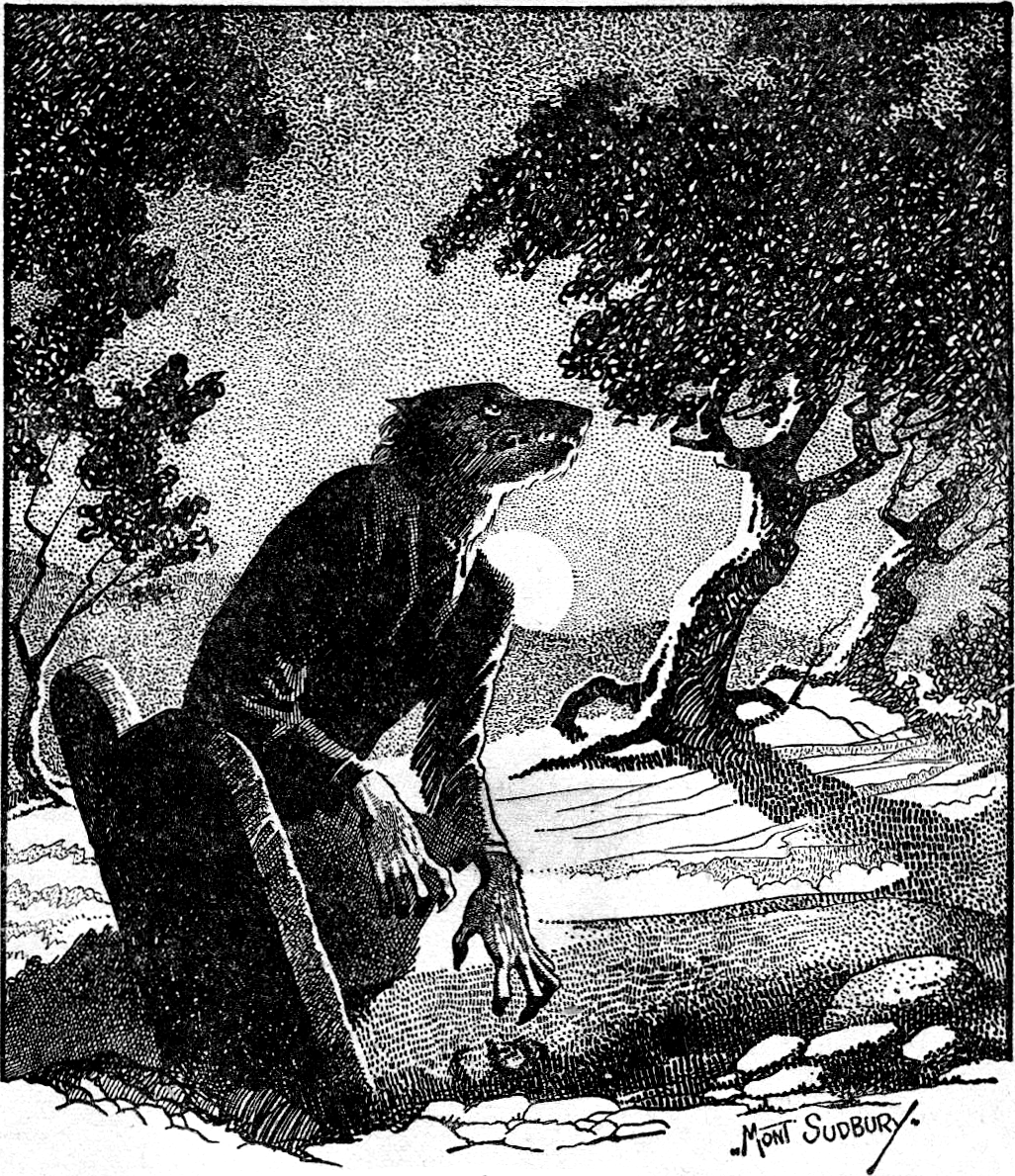 🇫🇷 France and 5 moreWerewolf
A mythical shapeshifter that turns into a wolf, central to European witch-hunts and Gothic horror.Being · Cursing and harm · Wonder and entertainment Legendary
🇩🇪 Germany and 1 moreNachzehrer
A German revenant believed to consume the living from beyond the graveBeing · Cursing and harm Legendary
🇫🇷 France and 5 moreWerewolf
A mythical shapeshifter that turns into a wolf, central to European witch-hunts and Gothic horror.Being · Cursing and harm · Wonder and entertainment Legendary
🇩🇪 Germany and 1 moreNachzehrer
A German revenant believed to consume the living from beyond the graveBeing · Cursing and harm Legendary
 🇩🇪 GermanyAlp
A Germanic spirit that presses on sleepers and drinks milkBeing · Cursing and harm · Luck and prosperity Historical
🇩🇪 GermanyAlp
A Germanic spirit that presses on sleepers and drinks milkBeing · Cursing and harm · Luck and prosperity Historical
 🇷🇺 Russia and 4 moreLady MiddayPoludnitsa
A Slavic noon spirit who watches over fields and punishes those who work during the hottest hours.Being · Cursing and harm · Protection Historical
🇷🇺 Russia and 4 moreLady MiddayPoludnitsa
A Slavic noon spirit who watches over fields and punishes those who work during the hottest hours.Being · Cursing and harm · Protection Historical
Related elsewhere
All being 🇪🇬 Egypt and 1 moreLilithלִילִית
A feminine figure from Mesopotamian and Jewish mythology, often depicted as a night demon or spirit.Being · Cursing and harm Legendary
🇪🇬 Egypt and 1 moreLilithלִילִית
A feminine figure from Mesopotamian and Jewish mythology, often depicted as a night demon or spirit.Being · Cursing and harm Legendary
 🇪🇬 EgyptCurse
A spoken wish for misfortune to befall a person or placeBelief · Cursing and harm · Luck and prosperity Historical
🇪🇬 EgyptCurse
A spoken wish for misfortune to befall a person or placeBelief · Cursing and harm · Luck and prosperity Historical
 🇺🇸 United StatesSalem Witch Trials
A colonial legal crisis where over two hundred people faced accusations of sorcery in Massachusetts.Belief · Cursing and harm Historical
🇺🇸 United StatesSalem Witch Trials
A colonial legal crisis where over two hundred people faced accusations of sorcery in Massachusetts.Belief · Cursing and harm Historical
 🇮🇳 India and 5 moreHoliहोली
A Hindu spring festival marked by coloured powders and bonfires to celebrate love and virtue.Tradition · Love and attraction · Cursing and harm Living
🇮🇳 India and 5 moreHoliहोली
A Hindu spring festival marked by coloured powders and bonfires to celebrate love and virtue.Tradition · Love and attraction · Cursing and harm Living