
Legio Maria
Latin phrase meaning Legion of Mary
A Kenyan church blending Catholic rites with beliefs in a Black Christ and visionary apparitions
Legio Maria is an African initiated church among the Luo people of western Kenya. It teaches that Jesus returned as a black man and that the Virgin Mary appeared locally to guide the faithful.
- Founded by Simeo Ondetto after claimed resurrection
- Believes Mary appeared as a black African woman
- Splits from Catholic Church in 1963
- Uses Latin liturgy alongside Luo and Swahili
- Has over 700 priests and a hierarchical pope
What it is
Legio Maria operates as a distinct religious movement within Kenya. It mixes standard Catholic rituals with unique local teachings. Followers believe the Virgin Mary walked among them as a black woman. They also hold that Jesus Christ returned to earth as a black man. This figure leads the community through a structured hierarchy. The group maintains its own priests, bishops, and popes. It stands apart from the main Catholic Church while using similar symbols and prayers.
Where it comes from
The movement traces its start to visions around 1938. A mystic woman appeared to locals near Awendo market. She claimed to be the mother of a tailor named Omollo. Later, she met Simeo Ondetto, a catechist who became the central leader. Ondetto claimed to have died and risen after three days. He declared himself the son of God. The group split from the Catholic Church in 1963. It gained legal status in Kenya two years later. The name reflects a break from the European Legion of Mary.
How it is done
Services follow a Catholic style with Latin and local languages. Priests lead masses for healing and protection. Believers seek guidance from prophets and nuns. The women’s branch includes married ordained mothers. Leaders interpret visions and local myths. Healing rituals involve prayer and community support. Members gather at basilicas and mission centers. The hierarchy resolves disputes through established church courts.
Tools and materials
The church uses Latin texts and local Luo language. Prayers reference the Three Secrets of Fátima. Visions of Mary and Jesus form the core narrative. Local myths about a walking woman provide context. Symbols include crosses and traditional Luo markers. Nuns wear specific habits denoting their rank. Materials for healing are not detailed but rely on spiritual authority.
Legio Maria, drawn and placed
- Living
- Revived
- Fading
- Historical
- Legendary
- Performed
- Lineage
- African initiated church
- Timing
- daily mass and life events
What it is for
Followers seek healing, protection, and spiritual guidance. The church offers a path to salvation outside Rome. It addresses local concerns through African interpretations. Believers hope for liberation and divine intervention. The movement provides community structure and identity. It claims to fulfill prophecies about Africa's future.
Who does it
Leaders include a pope, cardinals, and bishops. Simeo Ondetto founded the initial leadership line. Current popes manage administrative duties. Women serve as ordained mothers and superiors. Priests undergo training within the church system. Leaders claim direct contact with spirits and saints. The hierarchy enforces rules through ecclesiastical courts.
Peoples and places
The church began among the Luo people in western Kenya. It now spreads across multiple ethnic groups. Turkana, Kalenjin, Kamba, and Luhya members join. The faith extends into Tanzania and Uganda. Ethiopian and Rwandan communities also participate. The movement adapts to local cultural contexts while keeping its core beliefs.
At a glance: who, where and when
Belief worlds

What people believe
Teachings center on the incarnation of black divinity. Mary appears as a black African woman. Jesus returns as a black man to save Africa. The Third Secret of Fátima predicts this event. Ondetto claims heaven visits and saintly conversations. Miracles accompany the leaders' missions. The Holy Spirit guides the church's direction.
When it is done
Daily masses mark regular worship times. Life events like births and deaths receive special rites. The church calendar aligns with Christian festivals. Local myths influence seasonal observances. No specific holy days are highlighted beyond standard Christian cycles.
How scholars and sceptics see it
Researchers view it as an African initiated church. It represents a response to colonial missionary work. Scholars note the blend of Catholic and local elements. Some analyze the political impact of the schism. Others study the role of visionary experiences. The movement shows resilience and growth over decades.
Cautions and what is closed
Internal splits cause legal battles between factions. Disputes over succession lead to court cases. Some members face excommunication or marginalization. Fraudulent healers may exploit vulnerable followers. The church navigates complex relationships with state authorities.
Compare and confuse
It resembles other African initiated churches. Similar groups blend Christianity with local traditions. The Fatima connection links it to global Catholic lore. Differences arise in leadership structure and theology. Other movements lack the specific black incarnation belief.
Questions people ask about Legio Maria
What is Legio Maria?
It is a Kenyan church blending Catholic rites with beliefs in a Black Christ and visionary apparitions.
Where did it originate?
It started among the Luo people in western Kenya following visions reported in the late 1930s.
Who leads the church?
A Pope and a hierarchy of cardinals, bishops, and priests, tracing back to founder Simeo Ondetto.
How does it differ from Catholicism?
It teaches Jesus returned as a black man and rejects Roman authority, forming its own independent structure.
Good reading and sources
- Legio Maria on WikipediaEncyclopedia
- More photos on Wikimedia CommonsPhotos and video
- Wikidata recordOpen data
The facts on this page come from the Wikipedia article "Legio Maria", written by its contributors and used under the CC BY-SA 4.0 licence, and from its Wikidata record (CC0). EveryJaadu rewrote the text in its own words, with AI assistance, and compares every page with the article to make sure no passage is copied. It may be reused under the same CC BY-SA 4.0 licence with a link back.
It may contain mistakes. Names and customs differ from one community to the next, and some knowledge is closed to outsiders and left out here. This page describes belief and practice. It does not say that any of it works, it is not a how-to, and it is not medical advice. If something is wrong, tell us. Last refreshed 2026-10-06.
More from Kenya
All the entries from Kenya 🇰🇪 Kenya and 1 moreMaasai religion
The spiritual beliefs of the semi-nomadic Maasai people of East AfricaTradition · Protection · Healing Living
🇰🇪 Kenya and 1 moreMaasai religion
The spiritual beliefs of the semi-nomadic Maasai people of East AfricaTradition · Protection · Healing Living
 🇿🇦 South Africa and 5 moreTraditional healers of Southern Africa
Practitioners who blend herbal medicine with ancestral divination in Southern AfricaTradition · Healing · Protection Living
🇿🇦 South Africa and 5 moreTraditional healers of Southern Africa
Practitioners who blend herbal medicine with ancestral divination in Southern AfricaTradition · Healing · Protection Living
 🇪🇬 Egypt and 5 moreAfrican divination
Methods used across the continent to understand present realities and predict future events.Oracle · Seeing and foretelling · Healing Living
🇿🇦 South Africa and 4 moreModern witch-hunts
Contemporary violence against people accused of using magic to cause harmBelief · Cursing and harm Living
🇪🇬 Egypt and 5 moreAfrican divination
Methods used across the continent to understand present realities and predict future events.Oracle · Seeing and foretelling · Healing Living
🇿🇦 South Africa and 4 moreModern witch-hunts
Contemporary violence against people accused of using magic to cause harmBelief · Cursing and harm Living
Related elsewhere
All tradition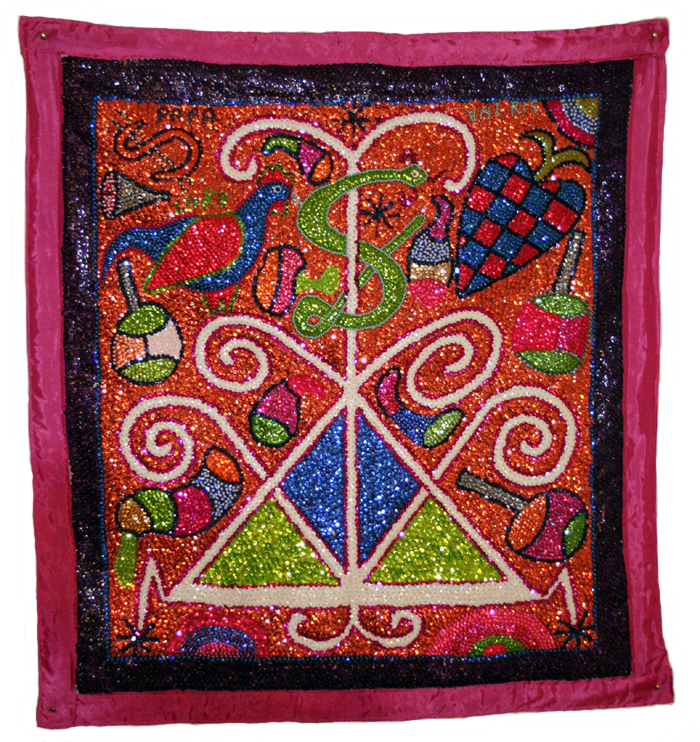 🇭🇹 Haiti and 2 moreHaitian VodouVodou
An Afro-Haitian religion blending West African traditions with Catholicism and FreemasonryTradition · Protection · Healing Living
🇭🇹 Haiti and 2 moreHaitian VodouVodou
An Afro-Haitian religion blending West African traditions with Catholicism and FreemasonryTradition · Protection · Healing Living
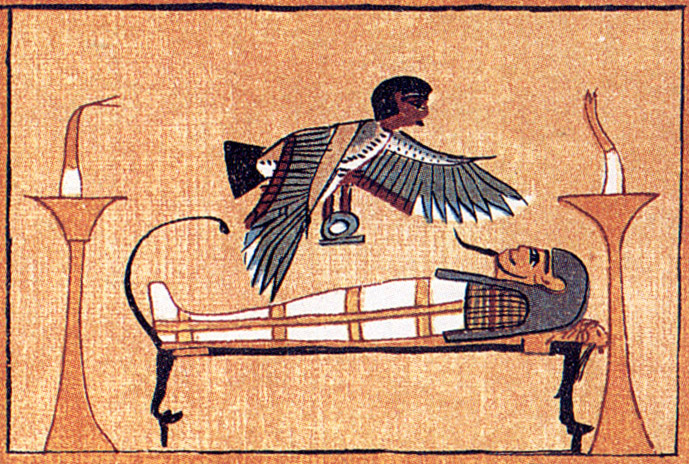 🇸🇪 Sweden and 1 moreSoul flight
A trance practice where the spirit leaves the body to visit other realmsRite · Healing · Seeing and foretelling Historical
🇸🇪 Sweden and 1 moreSoul flight
A trance practice where the spirit leaves the body to visit other realmsRite · Healing · Seeing and foretelling Historical
 🇮🇶 Iraq and 5 moreGrimoire
A textbook containing instructions for spells, rituals, and the creation of magical objects.Text · Protection · Healing Historical
🇮🇶 Iraq and 5 moreGrimoire
A textbook containing instructions for spells, rituals, and the creation of magical objects.Text · Protection · Healing Historical
 🇮🇹 Italy and 5 moreRelic
An object or body part kept to honor a holy person and mark their connection to the divineCharm · Protection · Healing Living
🇮🇹 Italy and 5 moreRelic
An object or body part kept to honor a holy person and mark their connection to the divineCharm · Protection · Healing Living