Mo-sin-a
In its own language: 魔神仔
A short, furry forest demon from Taiwanese folklore said to lure travelers into the mountains.
The mo-sin-a is a forest demon described in Taiwanese folklore as a short, human-like creature covered in fur. It is said to wander mountain woods and draw unsuspecting people toward remote caves or deep trails.
- Short, human-like beings covered in thick fur
- Dwells in mountain forests and remote caves
- Lures travelers away from main trails
- Featured in Japanese-era newspaper reports
- Appears in The Tag-Along horror series
What it is
The mo-sin-a belongs to the body of Taiwanese folklore as a forest demon or wandering spirit. Stories describe these beings as roughly human in shape but noticeably shorter and covered in thick fur. They are generally placed among local mythic creatures that inhabit wild, wooded areas rather than settled villages. Written accounts and oral traditions consistently place them in mountain ranges and dense woodlands, where they move through the trees alongside local wildlife. Their exact nature shifts between tale and tale, though they are uniformly treated as supernatural residents of the high country.
Where it comes from
Japanese-era newspapers published several reports about encounters with the mo-sin-a during the colonial period, showing how the legend circulated in print long before modern cinema. These early articles helped cement the creature’s reputation as a mountain dweller who watches over remote trails. Local communities passed down stories about the being through generations, often using the tales to explain sudden disappearances or unexplained sounds in the hills. The name itself appears in Chinese characters and Hokkien romanization, reflecting the linguistic layers of the region.
Mo-sin-a, drawn and placed
- Living
- Revived
- Fading
- Historical
- Legendary
- Performed
- Lineage
- Taiwanese folklore
Peoples and places
The legend is rooted in Taiwanese culture and appears primarily in regional storytelling and historical records. During the Japanese administration of the island, the creature was noted in daily news, indicating that mountain workers and settlers encountered it frequently enough to warrant public attention. Over time, the mo-sin-a became a recognizable figure in broader East Asian discussions of forest spirits. Contemporary Taiwanese media continues to reference the demon, keeping the old mountain warnings alive for new audiences.
At a glance: who, where and when
Peoples
Belief worlds
What people believe
People who hold the stories treat the mo-sin-a as a supernatural resident of the mountains rather than a mere animal. The belief holds that these short, furry beings can mimic human voices or appear suddenly on narrow paths to draw travelers off the trail. Once led away from familiar ground, visitors reportedly find themselves lost in caves or deep valleys. This narrative function serves as a cautionary framework, reminding those who venture into the high woods to stay alert and respect the boundaries of the forest.
Compare and confuse
The mo-sin-a shares traits with other East Asian forest spirits that guard mountain trails and test the resolve of hikers. Unlike domestic household deities, this figure operates entirely in the wild. Modern pop culture has drawn on the legend, notably featuring the creature in the horror franchise The Tag-Along. Some observers also note surface similarities to Japanese yōkai or the concept of spirit away, though each tradition maintains its own distinct rules and regional names.
Today
The legend survives through film and television rather than living ritual practice. Directors have adapted the mountain demon into the horror series The Tag-Along, bringing the folklore to international audiences. A 2012 film titled Moxina also draws on the same mythic material. These screen portrayals emphasize the creature’s eerie presence and its role in isolating victims within the wilderness, updating an old warning about getting lost in the hills for contemporary viewers.
Questions people ask about Mo-sin-a
What does a mo-sin-a look like?
Folklore describes the creature as roughly human in shape but noticeably shorter and covered in thick fur. Its appearance places it among local mountain spirits rather than ordinary animals.
Where do these beings live?
Stories place the mo-sin-a in mountain forests and remote caves. They are said to wander deep woodland trails where few people travel.
How does the legend affect travelers?
The tales warn that the creature lures people away from familiar paths into isolated spots. Visitors reportedly become lost when they follow the being into the hills.
Is the mo-sin-a still known today?
The legend survives through modern media rather than active ritual. Horror films like The Tag-Along and the 2012 movie Moxina continue to feature the mountain demon.
Good reading and sources
The facts on this page come from the Wikipedia article "Mo-sin-a", written by its contributors and used under the CC BY-SA 4.0 licence, and from its Wikidata record (CC0). EveryJaadu rewrote the text in its own words, with AI assistance, and compares every page with the article to make sure no passage is copied. It may be reused under the same CC BY-SA 4.0 licence with a link back.
It may contain mistakes. Names and customs differ from one community to the next, and some knowledge is closed to outsiders and left out here. This page describes belief and practice. It does not say that any of it works, it is not a how-to, and it is not medical advice. If something is wrong, tell us. Last refreshed 2026-10-06.
More from Taiwan
All the entries from Taiwan 🇨🇳 China and 1 moreYue Lao月下老人
The Chinese deity of marriage who binds destined couples with red cordsBeing · Love and attraction · Binding and oaths Legendary
🇨🇳 China and 1 moreYue Lao月下老人
The Chinese deity of marriage who binds destined couples with red cordsBeing · Love and attraction · Binding and oaths Legendary
 🇨🇳 China and 2 moreEight Immortals八仙
Eight legendary Taoist figures of China, each with a power and a vesselFigure · Protection · Healing Living
🇨🇳 China and 2 moreEight Immortals八仙
Eight legendary Taoist figures of China, each with a power and a vesselFigure · Protection · Healing Living
 🇨🇳 China and 1 moreDongyue Dadi東嶽大帝
The Chinese mountain god of Mount Tai who rules lifespans and underworld recordsBeing · Speaking with spirits and the dead · Power and authority Living
🇨🇳 China and 1 moreDongyue Dadi東嶽大帝
The Chinese mountain god of Mount Tai who rules lifespans and underworld recordsBeing · Speaking with spirits and the dead · Power and authority Living
Related elsewhere
All being 🇷🇸 Serbia and 5 moreVampire
An undead creature from folklore that feeds on the blood or life force of the livingBeing · Cursing and harm · Luck and prosperity Legendary
🇷🇸 Serbia and 5 moreVampire
An undead creature from folklore that feeds on the blood or life force of the livingBeing · Cursing and harm · Luck and prosperity Legendary
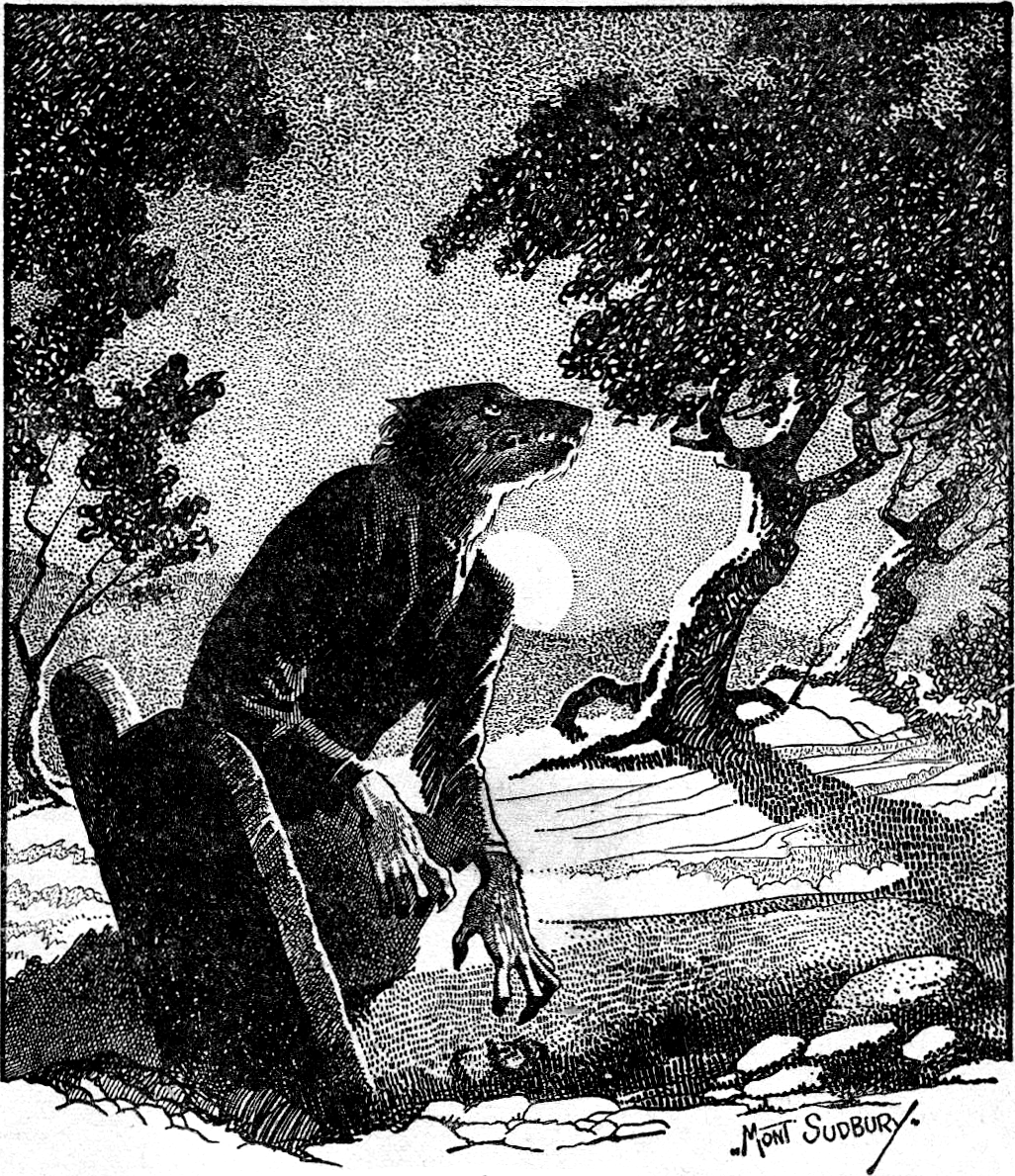 🇫🇷 France and 5 moreWerewolf
A mythical shapeshifter that turns into a wolf, central to European witch-hunts and Gothic horror.Being · Cursing and harm · Wonder and entertainment Legendary
🇫🇷 France and 5 moreWerewolf
A mythical shapeshifter that turns into a wolf, central to European witch-hunts and Gothic horror.Being · Cursing and harm · Wonder and entertainment Legendary
 🇪🇬 Egypt and 1 moreLilithלִילִית
A feminine figure from Mesopotamian and Jewish mythology, often depicted as a night demon or spirit.Being · Cursing and harm Legendary
🇪🇬 Egypt and 1 moreLilithלִילִית
A feminine figure from Mesopotamian and Jewish mythology, often depicted as a night demon or spirit.Being · Cursing and harm Legendary
 🇪🇬 EgyptCurse
A spoken wish for misfortune to befall a person or placeBelief · Cursing and harm · Luck and prosperity Historical
🇪🇬 EgyptCurse
A spoken wish for misfortune to befall a person or placeBelief · Cursing and harm · Luck and prosperity Historical