
Yan-gant-y-tan
From Breton, meaning 'Wanderer in the Night' or 'John with the Fire'
A Breton demon who carries five candles and is said to bring bad luck.
Yan-gant-y-tan is a figure from the folklore of Brittany, France. He is described as a wandering spirit or demon who appears at night with five lit candles on his fingers. Meeting him is considered an evil omen, though he may also light the way for travelers.
- Yan-gant-y-tan is a demon from Brittany, France.
- His name means 'Wanderer in the Night' or 'John with the Fire'.
- He carries five lit candles on his fingers, spinning them like a wheel.
- Meeting him is considered an evil omen.
- Leaving gold or a gold chain can make him leave.
What it is
Yan-gant-y-tan is a supernatural being from the traditions of Brittany, France. He is classified as a demon or spirit who wanders during the night. The name translates to 'Wanderer in the Night' or 'John with the Fire'. Encounters with this figure are traditionally viewed as bad omens. However, some accounts suggest he can also act as a guide, lighting the path for lost travelers by offering them his candles.
Where it comes from
The entity originates from the folklore of Finistère, a region in Brittany. The name has been recorded in works such as Collin de Plancy's Dictionnaire Infernal. The etymology links the figure to the concept of Will o' the Wisp, suggesting a connection to mysterious lights seen in the dark. The specific cultural roots tie him to the Breton people and their oral traditions regarding spirits and demons.
How it is done
Yan-gant-y-tan is depicted holding five lit candles, one on each finger of his right hand. He spins these candles rapidly, creating a flaming wheel effect. This motion prevents him from turning quickly, as he fears extinguishing the flames. To avoid the bad luck associated with meeting him, travelers would leave a small bag of gold or a gold chain near their dwelling. The demon would steal this offering and depart, sparing the house from his presence.
Tools and materials
The primary tool associated with Yan-gant-y-tan is a set of five candles held on his fingers. These candles create a spinning wheel of fire. The offering used to ward him off consists of gold coins or gold chains. The candles serve both as a mark of his identity and as a potential gift to travelers, distinguishing him from other wild men or trolls.
Yan-gant-y-tan, drawn and placed
- Living
- Revived
- Fading
- Historical
- Legendary
- Performed
- Lineage
- Breton folklore
- Timing
- at night
What it is for
The figure serves as an omen of misfortune when encountered. His appearance signals that something negative will occur. Conversely, he can provide aid by lighting the way for travelers who lack their own source of light. The practice of leaving gold is intended to divert his attention and prevent the bad omen from affecting the household.
Who does it
Scholars and collectors of folklore have documented Yan-gant-y-tan. The figure is part of the shared heritage of the Breton people. No specific group of practitioners performs rituals for him; rather, he is a subject of stories and warnings passed down through generations. He is often compared to other hairy wildmen or trolls found in European myth.
Peoples and places
Yan-gant-y-tan is specific to the Breton culture of France. He is particularly associated with the Finistère region. The stories surrounding him reflect local beliefs about spirits and the dangers of the night. While similar figures exist elsewhere, the specific details of his candle-carrying nature are unique to this area of Brittany.
At a glance: who, where and when
What people believe
In Breton belief, Yan-gant-y-tan represents a dangerous yet potentially helpful spirit. His nature is ambiguous; he brings bad luck but can also offer light. The belief holds that he cannot turn quickly due to his spinning candles. This physical limitation is central to how he is understood in folklore. He is distinct from other demonic figures by his specific method of carrying light.
When it is done
He appears during the night. There are no specific festivals or calendar days tied to his appearance. His encounters are random events that occur when travelers are out after dark. The timing emphasizes the vulnerability of people during nighttime hours in rural areas.
How scholars and sceptics see it
Folklorists and historians have recorded Yan-gant-y-tan in dictionaries of infernal beings. Collin de Plancy included him in his work, noting the translation of his name. Scholars view him as part of the broader category of wild men or spirits that populate regional folklore. The comparison to Will o' the Wisp suggests an interpretation of natural phenomena as supernatural entities.
Cautions and what is closed
Meeting Yan-gant-y-tan is considered an evil omen. Travelers were advised to take precautions to avoid his attention. The tradition of leaving gold was a protective measure against bad luck. There are no reports of physical harm caused by the figure, only the spiritual or superstitious consequence of encountering him.
Compare and confuse
Yan-gant-y-tan is often compared to the Hand of Glory, which also involves candles on fingers. He is similar to Will o' the Wisp in his association with mysterious lights. Other hairy wildmen or trolls in European folklore share his general appearance, but the five candles are his unique identifier. The name Jan-gant-i-tan is a variant spelling found in some texts.
Questions people ask about Yan-gant-y-tan
What is Yan-gant-y-tan?
Yan-gant-y-tan is a demon from the folklore of Brittany, France. He is known for carrying five lit candles on his fingers and spinning them while wandering at night.
What does his name mean?
The name translates from Breton to 'Wanderer in the Night' or 'John with the Fire'. It is cognate with the term Will o' the Wisp.
Is he dangerous?
Meeting Yan-gant-y-tan is said to be an evil omen. However, he may also appear to light the way for travelers who have no candles of their own.
How do you ward him off?
To avoid his bad omen, travelers would leave a small bag of gold or a gold chain near their home. He would steal it and leave without causing harm.
Good reading and sources
The facts on this page come from the Wikipedia article "Yan-gant-y-tan", written by its contributors and used under the CC BY-SA 4.0 licence, and from its Wikidata record (CC0). EveryJaadu rewrote the text in its own words, with AI assistance, and compares every page with the article to make sure no passage is copied. It may be reused under the same CC BY-SA 4.0 licence with a link back.
It may contain mistakes. Names and customs differ from one community to the next, and some knowledge is closed to outsiders and left out here. This page describes belief and practice. It does not say that any of it works, it is not a how-to, and it is not medical advice. If something is wrong, tell us. Last refreshed 2026-10-06.
More from France
All the entries from France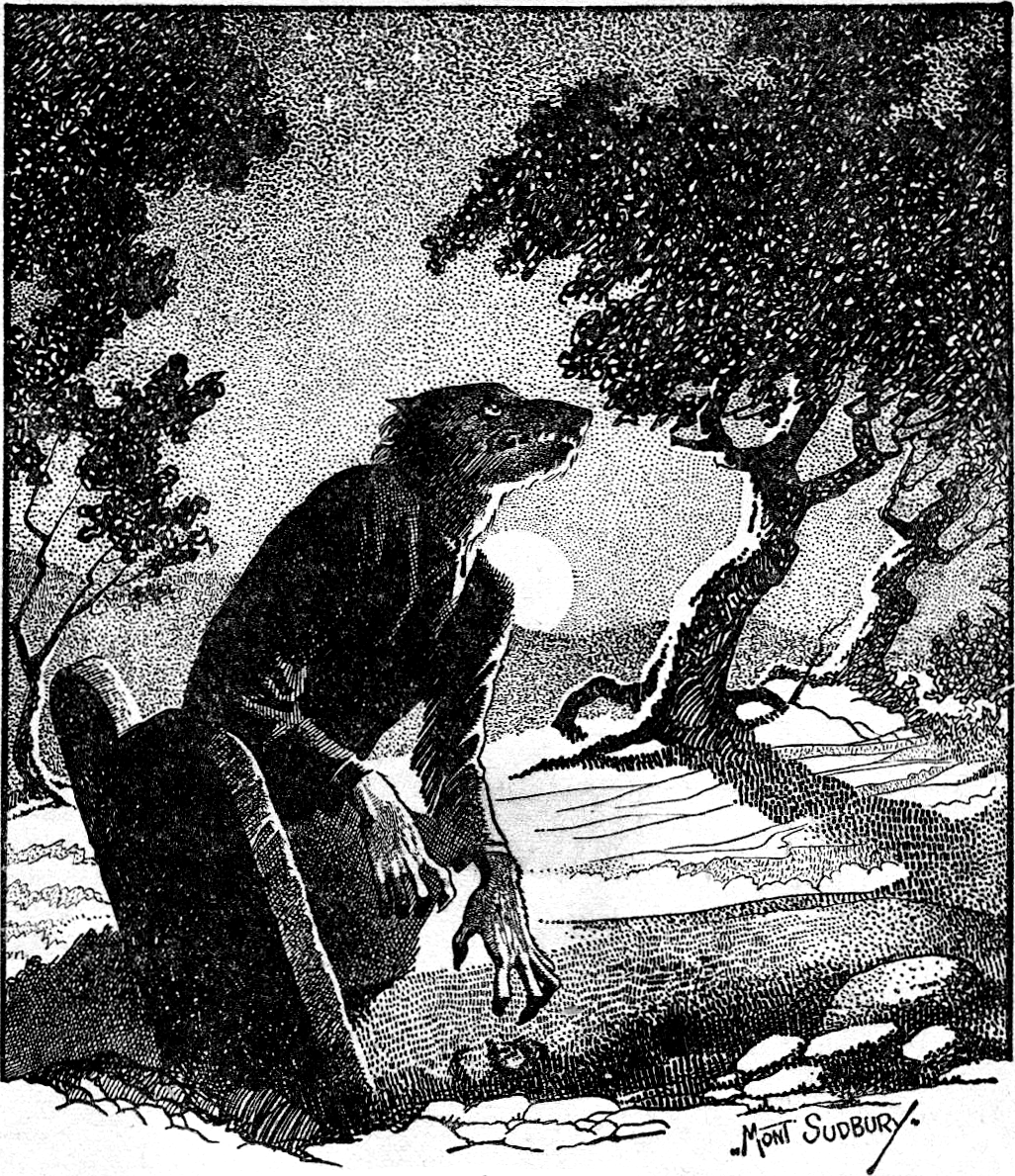 🇫🇷 France and 5 moreWerewolf
A mythical shapeshifter that turns into a wolf, central to European witch-hunts and Gothic horror.Being · Cursing and harm · Wonder and entertainment Legendary
🇫🇷 France and 5 moreWerewolf
A mythical shapeshifter that turns into a wolf, central to European witch-hunts and Gothic horror.Being · Cursing and harm · Wonder and entertainment Legendary
 🇫🇷 France and 5 moreRevenant
An animated corpse or spirit that returns from the grave to haunt the livingBeing · Cursing and harm Legendary
🇫🇷 France and 5 moreRevenant
An animated corpse or spirit that returns from the grave to haunt the livingBeing · Cursing and harm Legendary
 🇫🇷 France and 1 moreCernunnos
An antlered Celtic deity depicted with torcs and serpents, known from Roman-era Gaul.Being · Power and authority · Luck and prosperity Historical
🇫🇷 France and 1 moreCernunnos
An antlered Celtic deity depicted with torcs and serpents, known from Roman-era Gaul.Being · Power and authority · Luck and prosperity Historical
 🇬🇷 Greece and 3 moreHippocampusἱππόκαμπος
A mythological hybrid of a horse and fish from ancient Mediterranean culturesBeing · Wonder and entertainment Legendary
🇬🇷 Greece and 3 moreHippocampusἱππόκαμπος
A mythological hybrid of a horse and fish from ancient Mediterranean culturesBeing · Wonder and entertainment Legendary
Related elsewhere
All being 🇯🇵 JapanHyakumonogatari Kaidankai百物語怪談会
An Edo period Japanese parlour game where ghost stories extinguish candles one by oneRite · Cursing and harm · Wonder and entertainment Historical
🇯🇵 JapanHyakumonogatari Kaidankai百物語怪談会
An Edo period Japanese parlour game where ghost stories extinguish candles one by oneRite · Cursing and harm · Wonder and entertainment Historical
 🇯🇵 JapanNoppera-bōのっぺらぼう
A faceless spirit from Japanese folklore that mimics human appearanceBeing · Cursing and harm · Wonder and entertainment Historical
🇯🇵 JapanNoppera-bōのっぺらぼう
A faceless spirit from Japanese folklore that mimics human appearanceBeing · Cursing and harm · Wonder and entertainment Historical
 🇯🇵 JapanKitsuneきつね
A Japanese fox spirit known for shapeshifting and trickeryBeing · Cursing and harm · Protection Legendary
🇯🇵 JapanKitsuneきつね
A Japanese fox spirit known for shapeshifting and trickeryBeing · Cursing and harm · Protection Legendary