
Sakabashira
In its own language: 逆柱
from Japanese sakaba meaning reverse and bashira meaning pillar
A reversed wooden pillar in Japanese folk belief, said to cause misfortune or ward off disaster
Sakabashira is a Japanese folk belief concerning wooden pillars installed with their grain direction reversed. In traditional lore, such pillars are believed to invite calamities like fires and family decline, while specific architectural uses aim to prevent structural collapse.
- Sakabashira means reverse pillar in Japanese
- Believed to cause yanari and family misfortune
- Used at Nikko Toshogu to prevent collapse
- Ihara Saikaku wrote of haunted reverse pillars
- Builders left structures incomplete to avoid disaster
What it is
Sakabashira refers to a wooden pillar constructed by reversing the natural vertical orientation of the tree from which it was cut. This practice is rooted in Japanese folk tradition and involves specific beliefs about the spiritual consequences of such construction. The term translates directly to 'reverse pillar' in English. These structures are not merely architectural anomalies but are considered significant entities within local folklore. They are associated with both negative supernatural events and protective rituals against structural failure.
Where it comes from
The concept dates back to ancient times in Japan, where the orientation of timber was believed to hold spiritual power. Historical texts, such as works by Ihara Saikaku, document instances of households being disturbed by these pillars. The belief system distinguishes between malevolent reverse pillars that cause harm and those intentionally used to ward off disaster. The practice of leaving buildings imperfectly finished to avoid divine retribution is also linked to this tradition, reflecting a broader cultural view on perfection.
How it is done
The method involves felling a tree and processing its wood so that the top becomes the bottom and vice versa when installed in a building. In cases intended to cause harm, the pillar is simply left in this state. Conversely, for protective purposes, such as at Nikkō Tōshō-gū, only one pillar might have its engraving patterns reversed to signal its special status. Builders sometimes left structures incomplete, such as omitting three tiles, to appease spirits and prevent the building from collapsing after completion.
Tools and materials
The primary tool is the wooden pillar itself, derived from a single tree trunk. Engraving patterns on the pillar may be reversed to indicate its protective function. No other specific tools are mentioned in the context of the belief itself, though standard carpentry tools would be used in the physical construction.
Sakabashira, drawn and placed
- Living
- Revived
- Fading
- Historical
- Legendary
- Performed
- Lineage
- Japanese folk religion
What it is for
Reverse pillars serve two opposing purposes in folklore. Negatively, they are believed to cause yanari, or strange occurrences, leading to family misfortune, financial decline, and fires. Positively, they are used to protect buildings from collapsing once construction is deemed complete. The protective use is a deliberate trick to avoid the legend that a perfect structure invites destruction.
Who does it
The belief is held by households and builders in Japan. Carpenters and architects were aware of the practice, particularly in major religious sites. The knowledge was part of general folk wisdom rather than restricted to a specific class of magicians. Ordinary people avoided living in houses with suspected malevolent reverse pillars, as evidenced by historical accounts of families moving away due to paranormal disturbances.
Peoples and places
The practice is specific to Japan and is part of the broader Japanese folk religion. It appears in literature and oral traditions across different periods, including the Edo period. The belief connects everyday domestic life with the supernatural, influencing housing choices and architectural decisions. It is distinct from yōkai legends in its protective applications, though some artists have conflated the two.
At a glance: who, where and when

What people believe
The underlying worldview posits that trees possess a spirit or energy that is disrupted by reversing their growth direction. This disruption can manifest as yanari, unexplained noises, or physical ailments like neck pain attributed to the pillar's voice. The belief also includes the idea that perfection attracts negative forces, necessitating imperfection or symbolic reversals to maintain balance and safety.
When it is done
There are no specific festivals or calendar days associated with sakabashira. The practice is tied to the construction phase of buildings rather than seasonal cycles. Incidents involving the pillars are reported as ongoing phenomena, often occurring at night.
How scholars and sceptics see it
Scholars and writers, such as the yōkai artist Mizuki Shigeru, have analyzed these beliefs through the lens of folklore and supernatural fiction. Historical records provide anecdotes of hauntings and structural concerns. The distinction between harmful and protective reverse pillars is noted in academic discussions of Japanese architecture and superstition.
Cautions and what is closed
Living in a house with a malevolent sakabashira was believed to bring severe risks, including fire and ruin. People reported hearing shattering beams or voices complaining of pain. These accounts led to abandonment of affected homes.
Compare and confuse
Sakabashira is sometimes confused with general yōkai legends, but it specifically relates to architectural elements. It differs from other protective charms in that it uses the reversal of natural order rather than addition of new objects. Similar concepts of imperfect construction to avoid divine jealousy appear in other cultures.
Questions people ask about Sakabashira
What is a sakabashira?
It is a wooden pillar installed with its grain direction reversed, based on Japanese folk belief. It is thought to either cause supernatural harm or protect a building from collapsing.
Where does the term come from?
The word comes from Japanese, combining sakaba (reverse) and bashira (pillar). It refers to the unnatural orientation of the tree used in construction.
Are all reverse pillars bad?
No. While many are feared for causing fires and misfortune, some are intentionally placed to ward off disaster. A famous example exists at Nikko Toshogu shrine.
What happens if you live in a house with one?
Folklore says residents may experience yanari, strange noises, and declining fortune. Historical accounts describe families moving away due to these disturbances.
Good reading and sources
The facts on this page come from the Wikipedia article "Sakabashira", written by its contributors and used under the CC BY-SA 4.0 licence, and from its Wikidata record (CC0). EveryJaadu rewrote the text in its own words, with AI assistance, and compares every page with the article to make sure no passage is copied. It may be reused under the same CC BY-SA 4.0 licence with a link back.
It may contain mistakes. Names and customs differ from one community to the next, and some knowledge is closed to outsiders and left out here. This page describes belief and practice. It does not say that any of it works, it is not a how-to, and it is not medical advice. If something is wrong, tell us. Last refreshed 2026-10-06.
More from Japan
All the entries from Japan 🇨🇳 China and 2 moreNaming taboo避諱
A cultural rule against speaking or writing the names of rulers and ancestors in East AsiaBelief · Protection Historical
🇨🇳 China and 3 moreQi氣 / 气
A vital force in Chinese philosophy and medicine, believed to flow through all living things.Substance · Healing · Power and authority Living
🇨🇳 China and 2 moreNaming taboo避諱
A cultural rule against speaking or writing the names of rulers and ancestors in East AsiaBelief · Protection Historical
🇨🇳 China and 3 moreQi氣 / 气
A vital force in Chinese philosophy and medicine, believed to flow through all living things.Substance · Healing · Power and authority Living
 🇯🇵 JapanKitsunebi狐火
Atmospheric ghost lights in Japanese folklore, often linked to foxes and natural phenomena.Belief · Wonder and entertainment · Luck and prosperity Historical
🇯🇵 JapanKitsunebi狐火
Atmospheric ghost lights in Japanese folklore, often linked to foxes and natural phenomena.Belief · Wonder and entertainment · Luck and prosperity Historical
Related elsewhere
All belief 🇫🇷 FranceLady of the LakeDame du Lac
A water spirit who raises knights and captures wizards in Arthurian talesFigure · Protection · Cursing and harm Legendary
🇫🇷 FranceLady of the LakeDame du Lac
A water spirit who raises knights and captures wizards in Arthurian talesFigure · Protection · Cursing and harm Legendary
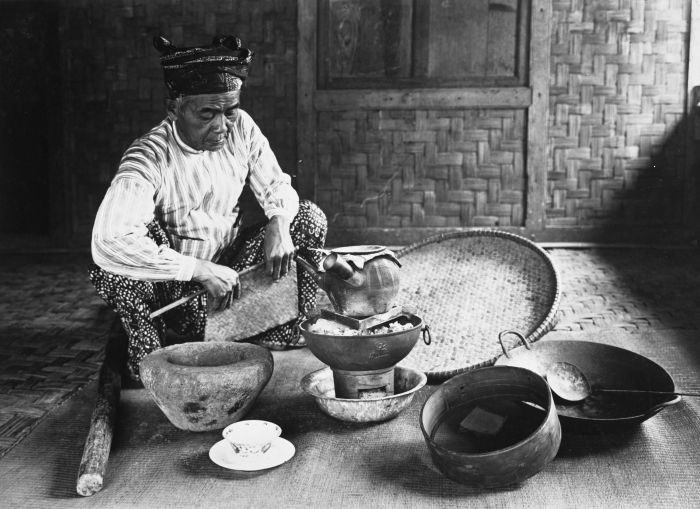 🇮🇩 Indonesia and 2 moreDukun
A traditional healer and spirit medium in Indonesian folk practiceTradition · Healing · Seeing and foretelling Living
🇮🇩 Indonesia and 2 moreDukun
A traditional healer and spirit medium in Indonesian folk practiceTradition · Healing · Seeing and foretelling Living
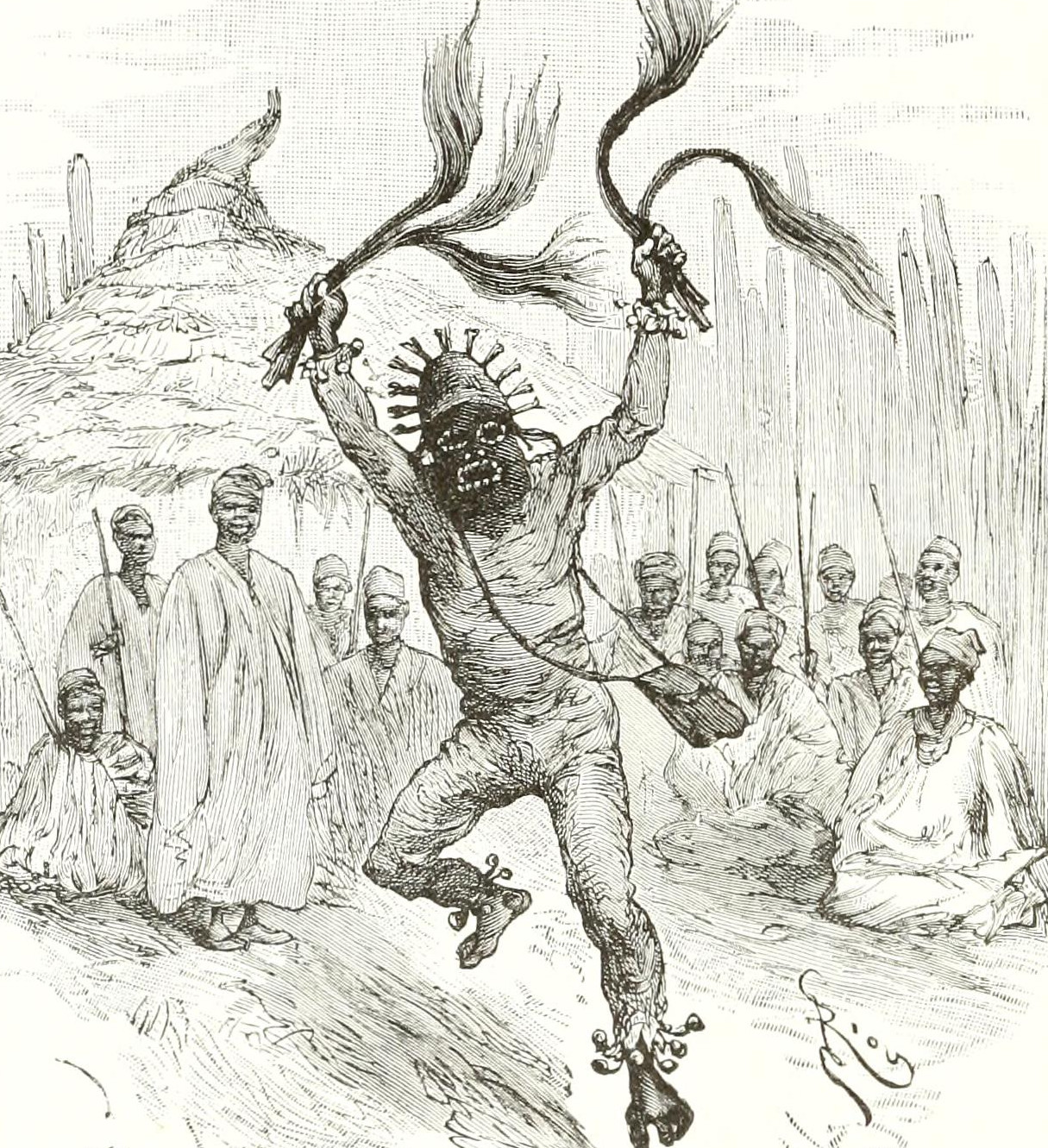 🇺🇸 United States and 2 moreLouisiana Voodoo
An African diasporic religion practiced in Louisiana from the 18th to early 20th centuriesTradition · Healing · Protection Historical
🇺🇸 United States and 2 moreLouisiana Voodoo
An African diasporic religion practiced in Louisiana from the 18th to early 20th centuriesTradition · Healing · Protection Historical