
Supernatural beings in Slavic religion
Mythic entities of nature, death, and fate in Slavic folklore and belief.
Ancient Slavs revered numerous supernatural beings inhabiting nature, distinct from their gods. These entities range from benevolent fairies and water nymphs to malevolent spirits of unclean death, each tied to specific places or functions. They persist in regional folklore and modern cultural works.
- Vila are winged fairies linked to the god Veles.
- Rusalka are spirits of women who died violently or unbaptised.
- Vodyanoy drowns swimmers and lives near mills.
- Bereginya appears in 15th-century manuscripts as an early worshipped entity.
- Modern novels and games frequently adapt Slavic spirits.
What it is
Supernatural beings in Slavic religion are mythic entities inhabiting nature, distinct from the pantheon of gods. They include fairies, water nymphs, and malevolent spirits tied to specific environments like forests, rivers, and swamps. These beings are often described as shape-shifters or guardians, ranging from benevolent helpers to dangerous drowners. Their forms vary widely, reflecting local functions and the dangers of the natural world.
Where it comes from
Ancient Slavs revered these beings alongside their gods. Some, like the Bereginya, may represent early dualistic animism predating the cult of Perun. Names vary by region and language, reflecting local functions. Scholars link some terms to roots like Veles, while others derive from environmental features like riverbanks. The diversity of names suggests a complex web of local beliefs that evolved over centuries.
How it is done
Peasants appeased spirits like the Vodyanoy with offerings of food or fish. Millers were thought to offer drunk passersby to keep the spirit calm. Ritual characters like Dodola or Marzanna personified seasons in rites for rain or harvest. These practices involved specific gestures and items placed in the environment to maintain harmony with the unseen forces.
Tools and materials
Offerings included fruits, flowers, cakes, and ribbons hung on trees. Fishermen offered their first catch. Tools are not central; the beings are defined by their locations and forms, such as wings, scales, or human appearance. The materials used in rituals were simple, drawn from daily life and the immediate surroundings.
Supernatural beings in Slavic religion, drawn and placed
- Living
- Revived
- Fading
- Historical
- Legendary
- Performed
- Lineage
- Slavic religion
What it is for
Beings served as explanations for natural phenomena and dangers. They protected or harmed humans based on respect or offense. Festivals invoked figures like Koliada or Kupala to mark time and ensure seasonal cycles. Fear drove appeasement rituals to avoid misfortune. The spirits embodied the unpredictable aspects of nature and human fate.
Who does it
Folklore and scholars study these beings. Historically, households and workers like millers interacted with them. Neo-pagans revive concepts like the Bereginya as goddesses. The text notes no formal priesthood, but ritual specialists performed seasonal rites. Knowledge was often passed down through oral tradition and community practice.
Peoples and places
Slavic peoples across Eastern and Southern Europe hold these beliefs. Variations exist between East, West, and South Slavic traditions. Names shift by language, such as Vodník in Czech or Wodnik in Polish. Modern fiction draws heavily from these diverse regional tales, adapting them for global audiences.
At a glance: who, where and when
Peoples
Belief worlds


What people believe
Spirits inhabit specific places: Leshy in forests, Vodyanoy in waters, Moroz as frost. Death creates unclean spirits like Rusalka or Nav. Dualistic animism underlies early beliefs. Fate is governed by Dola or Likho. The worldview links human actions to spiritual consequences in nature, requiring constant vigilance and respect.
When it is done
Rites marked seasons and life events. Koliada and Maslenitsa celebrated New Year and winter. Kupala Night honored summer. Dodola called for rain. Marzanna symbolized dying nature. Spirits appeared at specific times, like Poludnitsa at noon or Nocnitsa at night. The calendar structured life around these spiritual encounters.
How scholars and sceptics see it
Researchers analyze names and functions to reconstruct Slavic religion. Dmitry Zelenin studied Rusalka origins linked to violent death. Boris Rybakov connected Bereginya to riverbanks and early animism. Anthropologists note regional variations and the influence of Christianization on spirit lore. Academic work helps clarify the distinctions between different types of entities.
Cautions and what is closed
Spirits posed real dangers in folklore. Vodyanoy drowned bold swimmers. Rusalka were unquiet and harmful. Belief in vampires and chort reflected fears of evil power. Misunderstandings led to accusations or fear of sorcerous figures like millers. The lore emphasized the risks of offending these powerful entities.
Compare and confuse
Similar to Greek nymphs or faeries. Vila compared to nymphs by Procopius. Rusalka distinct from mermaids in benevolence. Western fairy tales share shape-shifting traits. Modern fantasy borrows these figures, sometimes blending them with Western tropes. The comparisons highlight shared themes across cultures.
Law and persecution
No legal status mentioned. Suppression by Christianization implied by "before cult of Perun" and later scribes. Neo-pagan revival exists. No persecution details provided. The beliefs transitioned from active practice to folklore and literary inspiration.
Today
Figures appear in modern fiction, games, and novels. Authors like Katherine Arden and Jim Butcher use Slavic myths. Neo-pagans reinterpret beings like Bereginya as deities. Cultural heritage keeps names alive through literature and media rather than active worship. The spirits continue to inspire creative works worldwide.
Questions people ask about Supernatural beings in Slavic religion
What are Slavic supernatural beings?
They are mythic entities inhabiting nature and death, distinct from gods. They include fairies, water nymphs, and malevolent spirits tied to specific places or functions.
Where do they live?
Each type is tied to a specific environment. Forests house Leshy, rivers hold Vodyanoy, and swamps contain Bolotnik. Homes may shelter domestic spirits like Domovoy.
Are they all evil?
No, some are benevolent helpers, others dangerous or protective. Vila are often well-disposed, while Vodyanoy punishes swimmers. Intent depends on the spirit and human behavior.
How are they named?
Names vary by region and function, often describing their environment. Terms like Rusalka or Vodyanoy reflect local languages and the specific roles attributed to each entity.
Good reading and sources
The facts on this page come from the Wikipedia article "Supernatural beings in Slavic religion", written by its contributors and used under the CC BY-SA 4.0 licence, and from its Wikidata record (CC0). EveryJaadu rewrote the text in its own words, with AI assistance, and compares every page with the article to make sure no passage is copied. It may be reused under the same CC BY-SA 4.0 licence with a link back.
It may contain mistakes. Names and customs differ from one community to the next, and some knowledge is closed to outsiders and left out here. This page describes belief and practice. It does not say that any of it works, it is not a how-to, and it is not medical advice. If something is wrong, tell us. Last refreshed 2026-10-06.
More from Russia
All the entries from Russia 🇷🇸 Serbia and 5 moreVampire
An undead creature from folklore that feeds on the blood or life force of the livingBeing · Cursing and harm · Luck and prosperity Legendary
🇷🇸 Serbia and 5 moreVampire
An undead creature from folklore that feeds on the blood or life force of the livingBeing · Cursing and harm · Luck and prosperity Legendary
 🇷🇺 Russia and 4 moreLady MiddayPoludnitsa
A Slavic noon spirit who watches over fields and punishes those who work during the hottest hours.Being · Cursing and harm · Protection Historical
🇷🇺 Russia and 4 moreLady MiddayPoludnitsa
A Slavic noon spirit who watches over fields and punishes those who work during the hottest hours.Being · Cursing and harm · Protection Historical
 🇷🇺 Russia and 2 moreUpiórупіор
A demonic spirit from Slavic and Turkic folklore that is believed to return from the dead to feed on the living.Being · Cursing and harm Historical
🇷🇺 Russia and 2 moreUpiórупіор
A demonic spirit from Slavic and Turkic folklore that is believed to return from the dead to feed on the living.Being · Cursing and harm Historical
 🇷🇺 Russia and 2 moreDomovoyДомовой
A household spirit in Slavic folklore that guards the family and home.Being · Protection · Seeing and foretelling Historical
🇷🇺 Russia and 2 moreDomovoyДомовой
A household spirit in Slavic folklore that guards the family and home.Being · Protection · Seeing and foretelling Historical
Related elsewhere
All being 🇹🇷 Turkey and 5 moreEvil eye
A curse caused by an envious look and the charms used to block itBelief · Protection · Cursing and harm Living
🇹🇷 Turkey and 5 moreEvil eye
A curse caused by an envious look and the charms used to block itBelief · Protection · Cursing and harm Living
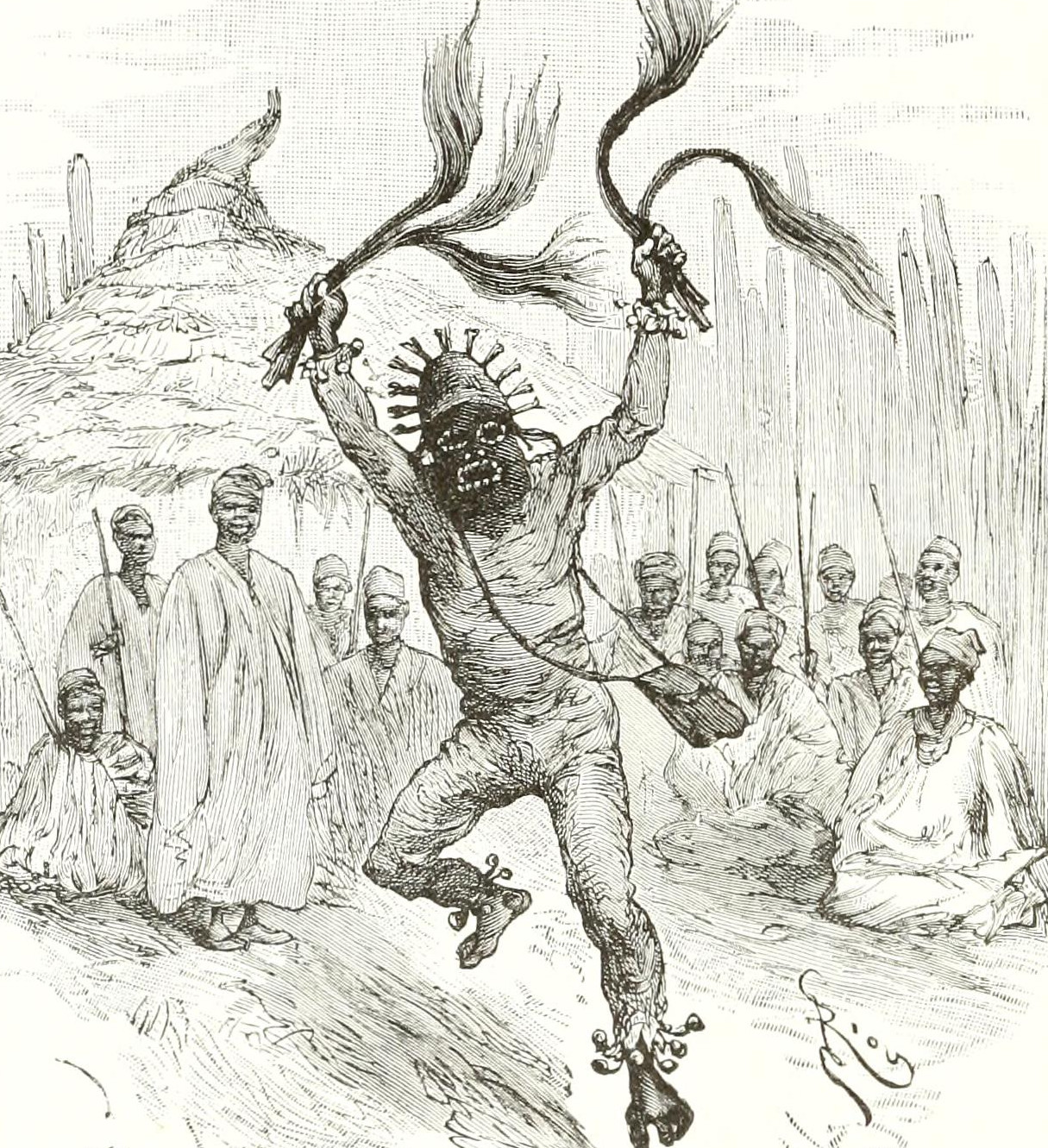 🇺🇸 United States and 2 moreLouisiana Voodoo
An African diasporic religion practiced in Louisiana from the 18th to early 20th centuriesTradition · Healing · Protection Historical
🇺🇸 United States and 2 moreLouisiana Voodoo
An African diasporic religion practiced in Louisiana from the 18th to early 20th centuriesTradition · Healing · Protection Historical
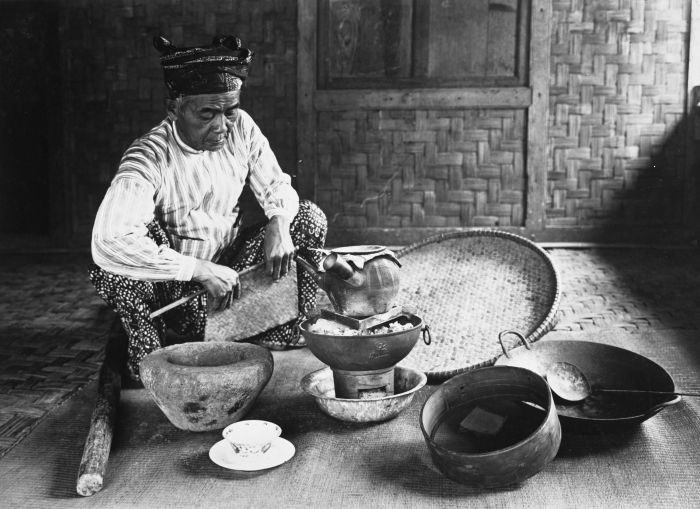 🇮🇩 Indonesia and 2 moreDukun
A traditional healer and spirit medium in Indonesian folk practiceTradition · Healing · Seeing and foretelling Living
🇮🇩 Indonesia and 2 moreDukun
A traditional healer and spirit medium in Indonesian folk practiceTradition · Healing · Seeing and foretelling Living
 🇮🇷 Iran and 1 moreJinnجِنّ
Supernatural beings in Islamic and pre-Islamic Arabian belief, created from smokeless fire.Being · Protection · Cursing and harm Living
🇮🇷 Iran and 1 moreJinnجِنّ
Supernatural beings in Islamic and pre-Islamic Arabian belief, created from smokeless fire.Being · Protection · Cursing and harm Living