Dusios
Likely from Indo-European roots meaning 'phantom' or 'vapor', related to Lithuanian dvãse
A Gaulish spirit type later classified as an incubus demon by early Christian writers
The Dusios were divine beings in ancient Gaulish belief, linked to the Greek god Pan and Roman woodland deities. Early medieval Church Fathers reinterpreted them as aerial demons or incubi that seduced humans and threatened crops.
- Named by the Gauls and identified with Roman Faunus
- Described by Augustine as aerial demons or incubi
- Believed to steal crops and damage orchards in Picardy
- Etymology linked to Lithuanian words for spirit or vapor
- Prussian folk avoided forests consecrated to them until the thirteenth century
What it is
The Dusios were a class of supernatural entities in ancient Gaulish tradition. They were understood as divine figures associated with wild places and fertility, similar to the Greek Pan or the Roman Faunus. Later Christian authors described them as aerial spirits or demons. These beings were believed to interact physically with humans, often through sexual encounters, and were also linked to agricultural harm. The term appears in plural form as dusii in Latin texts.
Where it comes from
The concept originates in continental Celtic culture. Ancient sources do not describe the Dusios independently of Greek and Roman gods. Early medieval writers like Augustine and Isidore of Seville recorded these beliefs while demonizing pagan traditions. They redefined the Dusios as malicious spirits within a Christian framework, stripping them of their original divine status.
How it is done
Descriptions focus on the actions attributed to the beings rather than human rituals. They were said to appear to women and men, sometimes taking physical form to engage in sexual acts. In agricultural contexts, they were viewed as crop-raiders who damaged orchards. Folk practices involved avoiding consecrated groves where these spirits were thought to reside.
Tools and materials
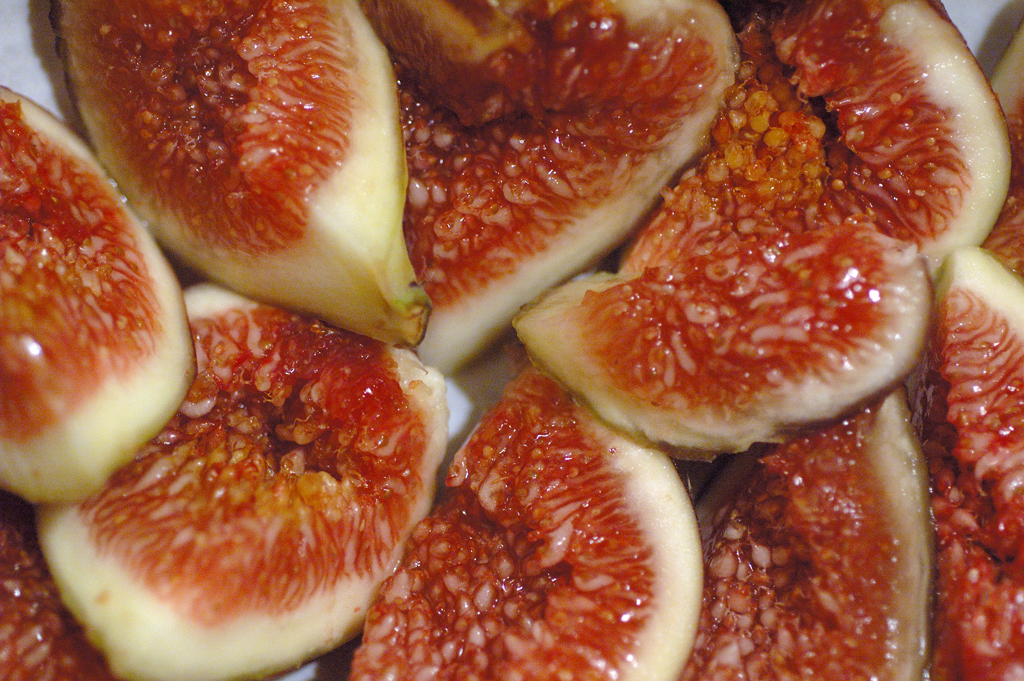
No specific tools are mentioned for interacting with the Dusios directly. However, contemporary witchcraft descriptions include objects made from bones, ashes, hair, herbs, and threads used by sorceresses. The fig tree is symbolically linked through the epithet ficarius, connecting the spirits to fructification and fertility.
Dusios, drawn and placed
- Living
- Revived
- Fading
- Historical
- Legendary
- Performed
- Lineage
- Continental Celtic religion
What it is for
The beings were feared for their ability to threaten marriages and impregnate women or animals. They were also seen as hazards to farming, stealing crops and damaging land. Some communities believed forests were consecrated to them, requiring avoidance or sacrifice to appease their presence in the wild.
Who does it
Scholars and theologians analyzed the Dusios as part of religious history. Medieval clergy like Hincmar warned against them as demonic threats. Folk practitioners in regions like Picardy held beliefs about their influence on infants and cattle. Thomas Cantipratensis noted lingering cult practices among Prussian folk in the thirteenth century.
Peoples and places
The Gauls originally named these beings. Later references come from Frankish and Picard regions in northern France. Connections are drawn to Lithuanian spirit words and Slavic dusi. Breton folklore retains the word duz for fairy-like creatures, suggesting a linguistic survival of the ancient term across Celtic and Baltic cultures.
At a glance: who, where and when

What people believe
Christian writers characterized the Dusios as aerial substances capable of taking bodily form. They occupied a space between earth and moon, linking them to both angelic and demonic realms. The belief system viewed them as persistent seducers and agricultural pests, reflecting anxieties about sexuality and harvest security in early medieval society.
When it is done
Specific festivals are not detailed. Beliefs persisted into the medieval period, with records from the ninth to thirteenth centuries. Thomas Cantipratensis observed active belief in the thirteenth century, indicating long-term cultural retention of the concept beyond its ancient origins.
How scholars and sceptics see it
Modern etymologists link the word to Indo-European roots for vapor or phantom. Whitley Stokes connected it to Slavic soul words. Scholars note the transition from pagan deity to Christian demon illustrates how early church fathers absorbed and inverted local mythologies to assert theological dominance over competing belief systems.
Cautions and what is closed
Medieval texts warn that these beings threaten marriage stability and infant safety. Sorceresses were accused of using bewitched objects to aid such spirits. Avoidance of certain woods was advised due to beliefs that these areas were consecrated to the Dusios, implying danger for those who entered without ritual protection.
Compare and confuse
The Dusios are compared to the Greek Pan, Roman Faunus, and Silvanus. They are equated with incubi and lamiae in Christian literature. The term is linguistically related to Scandinavian Tusse, Breton duz, and Slavic dusi, showing a wide geographical spread of similar spirit concepts across Europe.
Questions people ask about Dusios
What were the Dusios?
They were divine beings in ancient Gaulish belief, later reinterpreted by Christian writers as aerial demons or incubi that seduced humans and harmed crops.
Where does the name come from?
The term likely derives from Indo-European roots meaning phantom or vapor, related to Lithuanian dvãse. It may also connect to Slavic words for soul or devil.
How did Christians view them?
Church Fathers like Augustine and Isidore demonized them, describing them as malicious spirits that engaged in sexual acts with humans and threatened moral order.
Are they still believed in today?
The belief is historical. Records show lingering folk practices in parts of Europe until the thirteenth century, but no living tradition remains.
Good reading and sources
The facts on this page come from the Wikipedia article "Dusios", written by its contributors and used under the CC BY-SA 4.0 licence, and from its Wikidata record (CC0). EveryJaadu rewrote the text in its own words, with AI assistance, and compares every page with the article to make sure no passage is copied. It may be reused under the same CC BY-SA 4.0 licence with a link back.
It may contain mistakes. Names and customs differ from one community to the next, and some knowledge is closed to outsiders and left out here. This page describes belief and practice. It does not say that any of it works, it is not a how-to, and it is not medical advice. If something is wrong, tell us. Last refreshed 2026-10-06.
More from France
All the entries from France 🇬🇧 United Kingdom and 2 moreKing ArthurBrenin Arthur
A legendary British king and folk hero of medieval literature and Welsh mythologyFigure · Power and authority · Wonder and entertainment Legendary
🇬🇧 United Kingdom and 2 moreKing ArthurBrenin Arthur
A legendary British king and folk hero of medieval literature and Welsh mythologyFigure · Power and authority · Wonder and entertainment Legendary
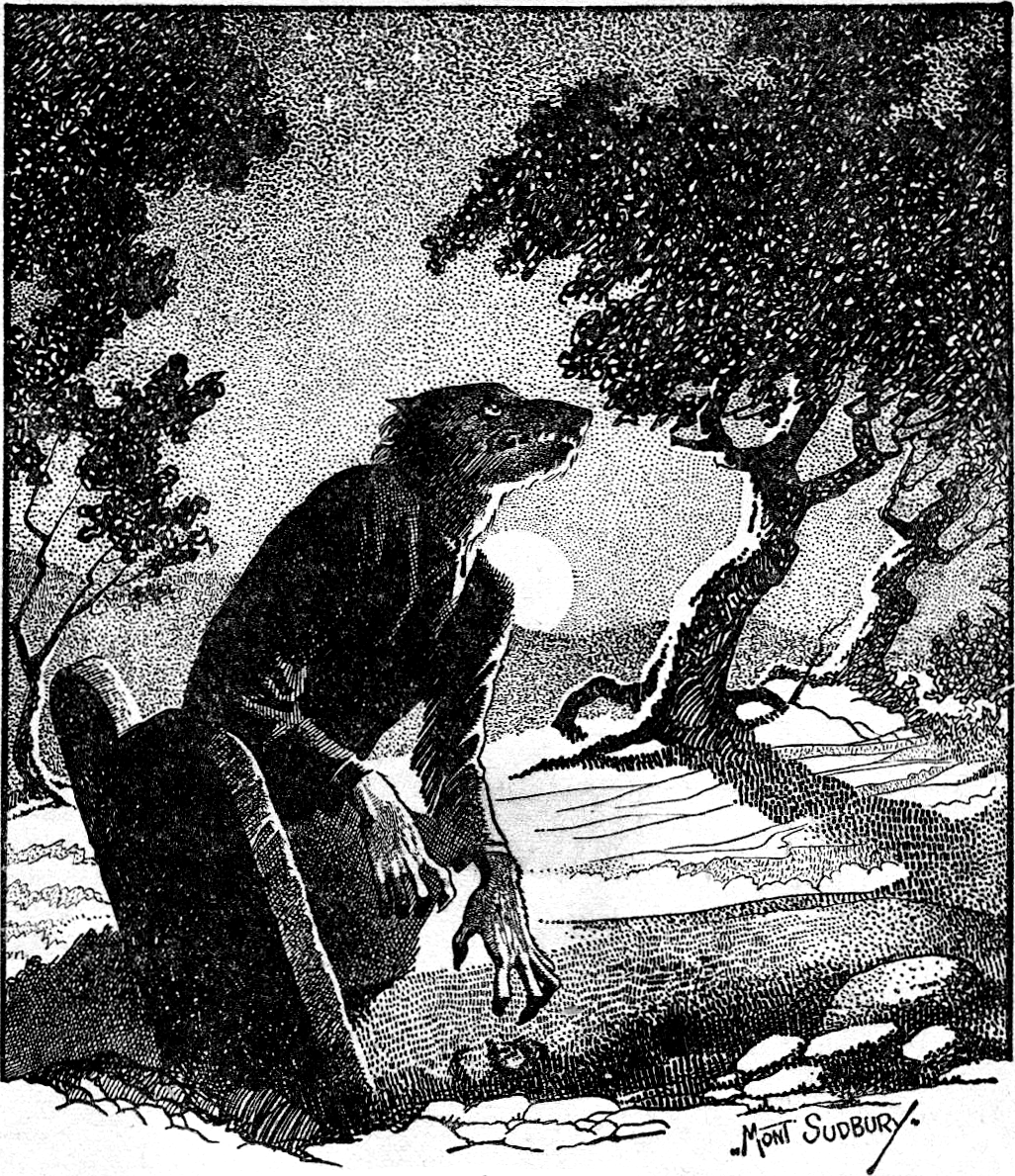 🇫🇷 France and 5 moreWerewolf
A mythical shapeshifter that turns into a wolf, central to European witch-hunts and Gothic horror.Being · Cursing and harm · Wonder and entertainment Legendary
🇫🇷 France and 5 moreWerewolf
A mythical shapeshifter that turns into a wolf, central to European witch-hunts and Gothic horror.Being · Cursing and harm · Wonder and entertainment Legendary
 🇮🇹 Italy and 5 moreTarottarocchi
A set of playing cards used for games and divinationTradition · Seeing and foretelling · Luck and prosperity Living
🇮🇹 Italy and 5 moreTarottarocchi
A set of playing cards used for games and divinationTradition · Seeing and foretelling · Luck and prosperity Living
 🇫🇷 France and 1 moreCernunnos
An antlered Celtic deity depicted with torcs and serpents, known from Roman-era Gaul.Being · Power and authority · Luck and prosperity Historical
🇫🇷 France and 1 moreCernunnos
An antlered Celtic deity depicted with torcs and serpents, known from Roman-era Gaul.Being · Power and authority · Luck and prosperity Historical
Related elsewhere
All being 🇮🇳 India and 4 moreTantraतन्त्र
An esoteric yogic tradition from India focusing on ritual, mantra, and body-based spiritual practices.Tradition · Power and authority · Change and initiation Living
🇮🇳 India and 4 moreTantraतन्त्र
An esoteric yogic tradition from India focusing on ritual, mantra, and body-based spiritual practices.Tradition · Power and authority · Change and initiation Living
 🇿🇦 South AfricaSympathetic magic
A magical principle based on imitation and contact to influence the worldTradition · Protection · Healing Historical
🇿🇦 South AfricaSympathetic magic
A magical principle based on imitation and contact to influence the worldTradition · Protection · Healing Historical
 🇮🇳 India and 5 moreSpirit possession
A global belief that spirits or demons can take control of a person's body and mindBelief · Cursing and harm · Power and authority Living
🇮🇳 India and 5 moreSpirit possession
A global belief that spirits or demons can take control of a person's body and mindBelief · Cursing and harm · Power and authority Living