Households and ordinary people
Grandmothers, parents and neighbours doing the small things: the knot, the salt, the red thread.
Households and ordinary people do most of the world's magic: the grandmother who ties a thread on a baby's wrist, the neighbour who throws salt, the shopkeeper who hangs a lemon and chillies, the family that burns incense before a photograph. These people are not specialists and often do not call it magic. This page looks at the domestic side of the subject, which is the commonest and least written about.
Everyday customs
Household practice is woven into daily life: sweeping at new year, a bead on a cradle, a horseshoe over a door, a charm in a car. It tends to be practical, brief and handed down within the family. Many people say they do it because their mother did, or to be safe. It rarely needs a priest, a text or a fee. The hands that do it are those of mothers and grandmothers, who also cook, clean and care, so the magic is part of the labour of the home.
Women and the home
Women are the principal keepers of household custom in many societies, as mothers, grandmothers and aunts. Their knowledge covers birth, child care, food, illness, marriage and death. That knowledge is often undervalued by the formal religion and by scholars, and was also the source of accusations in the witch trials, in which women who were midwives or healers were prominent. A household custom is learned by watching and may never be explained, since the practitioner does not see it as special.
Faith and the home
Religious leaders have seen household custom as faith, as superstition or as a nuisance. Reformers in Protestant Europe, Salafi Islam and some Hindu and Buddhist movements have told people to give up such practices. Many people keep them regardless. In the diaspora, the home customs are sometimes the part of heritage that lasts longest, and are carried to new countries in suitcases. In cities, small shrines, protective charms and everyday rituals often survive in apartments, taxis and shops.
Why scholars care
Anthropologists of everyday religion and folklorists record these customs as evidence of how people manage risk. They show how belief and practice differ, since people may say they do not believe and still knock on wood. Household magic is also the easiest to commercialise, in shops selling charms and kits that detach customs from their homes. A new student or visitor may find that families who say they do not believe still follow such customs carefully, and this gap is one of the more interesting findings.
Households and ordinary people on EveryJaadu
The entries written up so far, best known first.
 🇮🇳 IndiaAshapura Mataआशापुरा माता
A Hindu goddess worshipped as the clan protector of Rajput and other communities in western India.Being · Protection · Luck and prosperity Living
🇮🇳 IndiaAshapura Mataआशापुरा माता
A Hindu goddess worshipped as the clan protector of Rajput and other communities in western India.Being · Protection · Luck and prosperity Living
 🇮🇳 IndiaPoomala Bhagavathy
A Hindu goddess of North Malabar, revered as the family deity of the Thiyya community.Being · Love and attraction · Luck and prosperity Living
🇮🇳 IndiaPoomala Bhagavathy
A Hindu goddess of North Malabar, revered as the family deity of the Thiyya community.Being · Love and attraction · Luck and prosperity Living
 🇮🇳 IndiaNagnechiya Maa
Guardian goddess of the Rathore Rajputs, worshipped in RajasthanBeing · Protection · Power and authority Living
🇮🇳 IndiaNagnechiya Maa
Guardian goddess of the Rathore Rajputs, worshipped in RajasthanBeing · Protection · Power and authority Living
 🇩🇲 DominicaBelie Belcan
A loa of justice and protection in Dominican Vudú, linked to Saint Michael.Being · Protection · Cursing and harm Living
🇩🇲 DominicaBelie Belcan
A loa of justice and protection in Dominican Vudú, linked to Saint Michael.Being · Protection · Cursing and harm Living
 🇦🇱 Albania and 3 moreCross necklace
A pendant bearing the Christian cross worn as a sign of faith or protection.Charm · Protection · Power and authority Living
🇬🇧 United Kingdom and 3 moreOdinic Rite
A UK-based Heathen group that restricts membership to people of European ancestry.Tradition · Power and authority Living
🇺🇸 United StatesPele's Curse
A belief that taking Hawaiian sand or rock brings bad luckBelief · Cursing and harm Living
🇷🇺 RussiaAugust curse
A Russian belief that severe disasters and national tragedies cluster in the month of August.Belief Living
🇧🇬 Bulgaria and 5 moreApocryphal prayer
A folk prayer text blending church forms with apocrypha and incantations for protection and healingText · Protection · Healing Living
🇬🇧 United Kingdom and 1 moreElder Mother
A guardian spirit of elder trees in English and Scandinavian folkloreBeing · Protection · Cursing and harm Historical
🇦🇱 Albania and 3 moreCross necklace
A pendant bearing the Christian cross worn as a sign of faith or protection.Charm · Protection · Power and authority Living
🇬🇧 United Kingdom and 3 moreOdinic Rite
A UK-based Heathen group that restricts membership to people of European ancestry.Tradition · Power and authority Living
🇺🇸 United StatesPele's Curse
A belief that taking Hawaiian sand or rock brings bad luckBelief · Cursing and harm Living
🇷🇺 RussiaAugust curse
A Russian belief that severe disasters and national tragedies cluster in the month of August.Belief Living
🇧🇬 Bulgaria and 5 moreApocryphal prayer
A folk prayer text blending church forms with apocrypha and incantations for protection and healingText · Protection · Healing Living
🇬🇧 United Kingdom and 1 moreElder Mother
A guardian spirit of elder trees in English and Scandinavian folkloreBeing · Protection · Cursing and harm Historical
 🇮🇹 ItalyLunula
A crescent-shaped amulet worn by girls in ancient Rome for protection.Charm · Protection Historical
🇮🇹 ItalyLunula
A crescent-shaped amulet worn by girls in ancient Rome for protection.Charm · Protection Historical
 🇮🇸 IcelandGrásteinn
A lodestone in Iceland linked to elf habitation and safe passageBeing · Luck and prosperity · Speaking with spirits and the dead Living
🇮🇸 IcelandGrásteinn
A lodestone in Iceland linked to elf habitation and safe passageBeing · Luck and prosperity · Speaking with spirits and the dead Living
 🇬🇷 GreeceAmulet MS 5236
A stamped gold amulet from ancient Greece invoking ApolloCharm · Protection · Cursing and harm Historical
🇯🇵 JapanAzusa Yumi梓弓
A sacred bow made from cherry birch wood, used in Shinto rituals to ward off spirits.Charm · Protection · Wonder and entertainment Living
🇮🇹 Italy and 3 moreSaint Valentine's Key
A metal key charm from Padua used for healing epilepsy and as a romantic tokenCharm · Healing · Love and attraction Living
🇸🇪 SwedenÁlfablót
A late autumn homestead ritual to elves and ancestors in pagan ScandinaviaRite · Speaking with spirits and the dead · Healing Historical
🇬🇷 GreeceAmulet MS 5236
A stamped gold amulet from ancient Greece invoking ApolloCharm · Protection · Cursing and harm Historical
🇯🇵 JapanAzusa Yumi梓弓
A sacred bow made from cherry birch wood, used in Shinto rituals to ward off spirits.Charm · Protection · Wonder and entertainment Living
🇮🇹 Italy and 3 moreSaint Valentine's Key
A metal key charm from Padua used for healing epilepsy and as a romantic tokenCharm · Healing · Love and attraction Living
🇸🇪 SwedenÁlfablót
A late autumn homestead ritual to elves and ancestors in pagan ScandinaviaRite · Speaking with spirits and the dead · Healing Historical
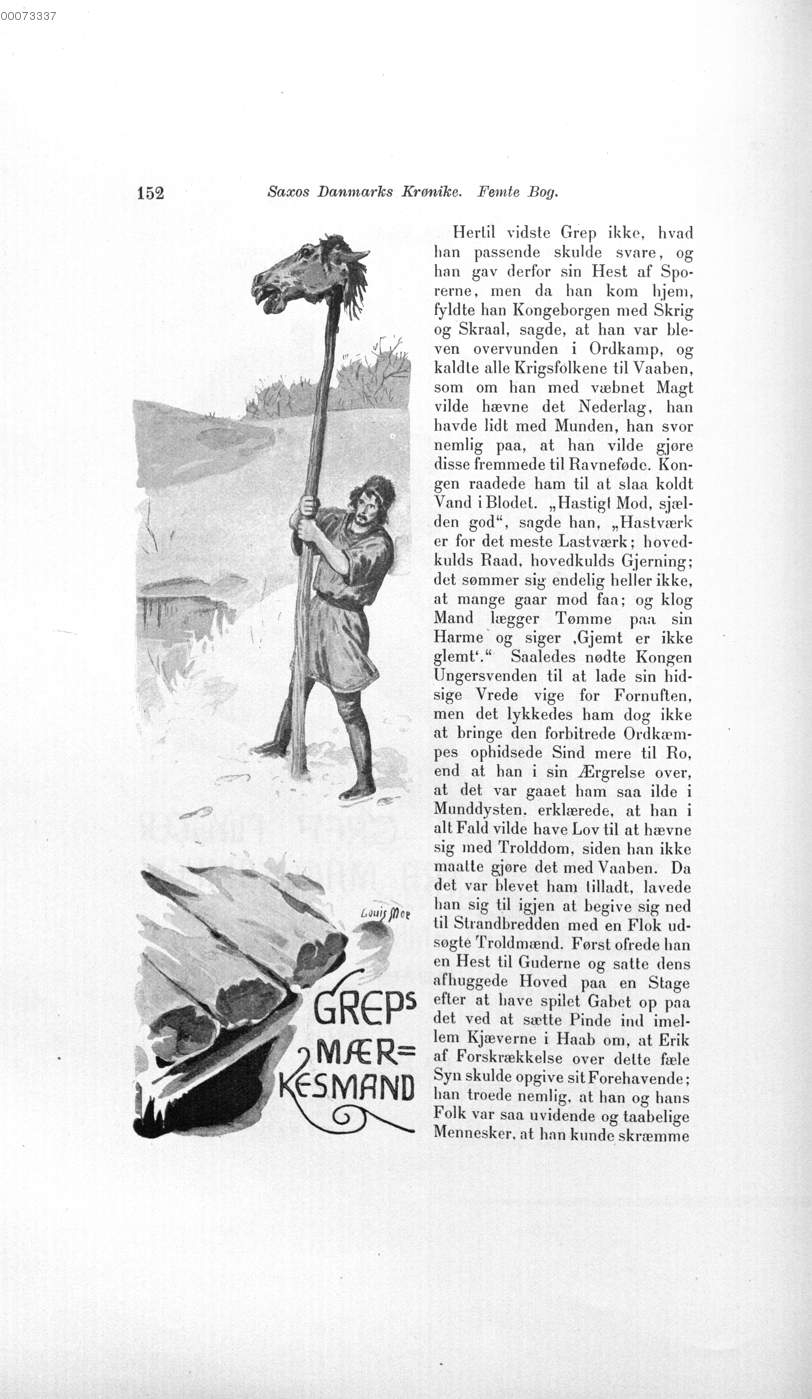 🇮🇸 Iceland and 1 moreNithing poleníðstǫng
A curse pole from Norse tradition used to shame or harm an enemyRite · Cursing and harm Living
🇺🇸 United StatesLaw of attraction
A New Thought belief that focused thoughts draw matching experiences into lifeBelief · Healing · Luck and prosperity Living
🇮🇸 Iceland and 1 moreNithing poleníðstǫng
A curse pole from Norse tradition used to shame or harm an enemyRite · Cursing and harm Living
🇺🇸 United StatesLaw of attraction
A New Thought belief that focused thoughts draw matching experiences into lifeBelief · Healing · Luck and prosperity Living
 🇩🇪 GermanyBieresel
A German house spirit taking the shape of a donkey, linked to beer cellars and taverns.Being · Power and authority Historical
🇩🇪 GermanyBieresel
A German house spirit taking the shape of a donkey, linked to beer cellars and taverns.Being · Power and authority Historical
 🇮🇳 India and 1 moreVarahiवाराही (Vārāhī)
A Hindu mother goddess with a sow face, worshipped in Tantric rites for protection and powerBeing · Protection · Power and authority Living
🇮🇳 India and 1 moreVarahiवाराही (Vārāhī)
A Hindu mother goddess with a sow face, worshipped in Tantric rites for protection and powerBeing · Protection · Power and authority Living
 🇩🇪 Germany and 3 moreDrude
A Germanic nightmare spirit and the pentagram charm used to keep it outBeing · Cursing and harm · Protection Historical
🇩🇪 Germany and 3 moreDrude
A Germanic nightmare spirit and the pentagram charm used to keep it outBeing · Cursing and harm · Protection Historical
 🇬🇷 GreeceNymphνύμφη
A nature spirit from Greek myth, tied to specific places like springs or trees, often seen as a maiden.Being · Healing · Seeing and foretelling Historical
🇯🇵 JapanChīsai-ojisan小さいおじさん
A tiny Japanese cryptid said to bring luck when spotted in everyday placesFigure · Luck and prosperity Living
🇷🇴 Romania and 5 moreMărțișor
A red and white string charm worn in early spring to welcome the seasonTradition · Protection · Luck and prosperity Living
🇬🇷 GreeceNymphνύμφη
A nature spirit from Greek myth, tied to specific places like springs or trees, often seen as a maiden.Being · Healing · Seeing and foretelling Historical
🇯🇵 JapanChīsai-ojisan小さいおじさん
A tiny Japanese cryptid said to bring luck when spotted in everyday placesFigure · Luck and prosperity Living
🇷🇴 Romania and 5 moreMărțișor
A red and white string charm worn in early spring to welcome the seasonTradition · Protection · Luck and prosperity Living
 🇯🇵 JapanMagatama勾玉
A curved Japanese bead used as jewelry, status symbol, and sacred object in Shinto.Charm · Power and authority · Speaking with spirits and the dead Living
🇯🇵 JapanMagatama勾玉
A curved Japanese bead used as jewelry, status symbol, and sacred object in Shinto.Charm · Power and authority · Speaking with spirits and the dead Living
 🇳🇿 New Zealand and 4 moreFeather cloak
A garment of feathers worn by royalty and gods across cultures to signal rank or enable flightCharm · Power and authority · Wonder and entertainment Historical
🇳🇿 New Zealand and 4 moreFeather cloak
A garment of feathers worn by royalty and gods across cultures to signal rank or enable flightCharm · Power and authority · Wonder and entertainment Historical
 🇹🇹 Trinidad and Tobago and 1 moreTrinidadian Vodunu
A West African Vodun tradition practiced in Trinidad and Tobago with Catholic elementsTradition · Speaking with spirits and the dead · Power and authority Living
🇯🇲 Jamaica and 1 moreNine-Night
A nine-day Caribbean wake rooted in Akan tradition to celebrate the deceased and guide their spirit home.Rite · Speaking with spirits and the dead Living
🇹🇹 Trinidad and Tobago and 1 moreTrinidadian Vodunu
A West African Vodun tradition practiced in Trinidad and Tobago with Catholic elementsTradition · Speaking with spirits and the dead · Power and authority Living
🇯🇲 Jamaica and 1 moreNine-Night
A nine-day Caribbean wake rooted in Akan tradition to celebrate the deceased and guide their spirit home.Rite · Speaking with spirits and the dead Living
 🇩🇪 Germany and 3 moreKlabautermann
A North Sea ship kobold that aids sailors and signals a vessel's doom.Being · Protection · Wonder and entertainment Historical
🇩🇪 Germany and 3 moreKlabautermann
A North Sea ship kobold that aids sailors and signals a vessel's doom.Being · Protection · Wonder and entertainment Historical
 🇬🇭 GhanaWitch camp
Settlements in Ghana where women accused of witchcraft seek refuge from violence and persecution.Tradition · Protection Historical
🇬🇭 GhanaWitch camp
Settlements in Ghana where women accused of witchcraft seek refuge from violence and persecution.Tradition · Protection Historical
 🇨🇳 ChinaDragon turtle龍龜 (Lóngguī)
A Chinese mythic creature with a dragon body and turtle shell, used as a Feng Shui charm.Figure · Luck and prosperity · Power and authority Living
🇨🇳 ChinaDragon turtle龍龜 (Lóngguī)
A Chinese mythic creature with a dragon body and turtle shell, used as a Feng Shui charm.Figure · Luck and prosperity · Power and authority Living
 🇭🇹 HaitiHaitian CarnivalKanaval
A major Caribbean festival of music, dance, and satire leading to Mardi Gras in HaitiTradition · Wonder and entertainment · Luck and prosperity Living
🇭🇹 HaitiHaitian CarnivalKanaval
A major Caribbean festival of music, dance, and satire leading to Mardi Gras in HaitiTradition · Wonder and entertainment · Luck and prosperity Living
 🇪🇬 EgyptMenatmnj.t
A beaded necklace and rattle linked to Hathor for protection and luck in ancient EgyptCharm · Protection · Luck and prosperity Historical
🇬🇧 United Kingdom and 1 moreBogle
A Northumbrian and Scots household spirit or ghost known for perplexing people.Being · Cursing and harm · Wonder and entertainment Historical
🇪🇬 EgyptMenatmnj.t
A beaded necklace and rattle linked to Hathor for protection and luck in ancient EgyptCharm · Protection · Luck and prosperity Historical
🇬🇧 United Kingdom and 1 moreBogle
A Northumbrian and Scots household spirit or ghost known for perplexing people.Being · Cursing and harm · Wonder and entertainment Historical
 🇬🇧 United KingdomBuccabocka
A Cornish sea-spirit and mine-dweller who receives fish offerings from coastal communities.Being · Protection · Luck and prosperity Historical
🇬🇧 United KingdomBuccabocka
A Cornish sea-spirit and mine-dweller who receives fish offerings from coastal communities.Being · Protection · Luck and prosperity Historical
 🇭🇹 HaitiChristian-Vodou
The blending of Haitian Vodou and Roman Catholicism into a single spiritual practiceTradition · Speaking with spirits and the dead · Protection Living
🇭🇹 HaitiChristian-Vodou
The blending of Haitian Vodou and Roman Catholicism into a single spiritual practiceTradition · Speaking with spirits and the dead · Protection Living
 🇩🇪 GermanyFeldgeist
German folk creatures tied to crops, weather and harvest ritualsBeing · Cursing and harm · Luck and prosperity Historical
🇩🇪 GermanyFeldgeist
German folk creatures tied to crops, weather and harvest ritualsBeing · Cursing and harm · Luck and prosperity Historical
 🇳🇿 New Zealand and 1 moreManaia
A composite guardian spirit in Māori art and beliefBeing · Protection · Speaking with spirits and the dead Living
🇳🇿 New Zealand and 1 moreManaia
A composite guardian spirit in Māori art and beliefBeing · Protection · Speaking with spirits and the dead Living
 🇵🇱 Poland and 4 moreMoranaМорена
A Slavic goddess of winter and death, whose effigy is drowned to welcome springFigure · Cursing and harm · Power and authority Living
🇵🇱 Poland and 4 moreMoranaМорена
A Slavic goddess of winter and death, whose effigy is drowned to welcome springFigure · Cursing and harm · Power and authority Living
 🇹🇭 ThailandSihuhataแมงสี่หูห้าตา
A legendary creature from northern Thai folklore associated with wealth and divine testingBeing · Luck and prosperity · Power and authority Living
🇮🇳 India and 2 moreBlack Orlov
A black diamond linked to a legend of theft and tragic deathsCharm · Cursing and harm Historical
🇮🇳 IndiaTarakeshwaraतारकेश्वर (Tārakeśvara)
A form of Shiva who guides souls to liberation through sacred mantrasFigure · Speaking with spirits and the dead · Change and initiation Living
🇹🇭 ThailandSihuhataแมงสี่หูห้าตา
A legendary creature from northern Thai folklore associated with wealth and divine testingBeing · Luck and prosperity · Power and authority Living
🇮🇳 India and 2 moreBlack Orlov
A black diamond linked to a legend of theft and tragic deathsCharm · Cursing and harm Historical
🇮🇳 IndiaTarakeshwaraतारकेश्वर (Tārakeśvara)
A form of Shiva who guides souls to liberation through sacred mantrasFigure · Speaking with spirits and the dead · Change and initiation Living
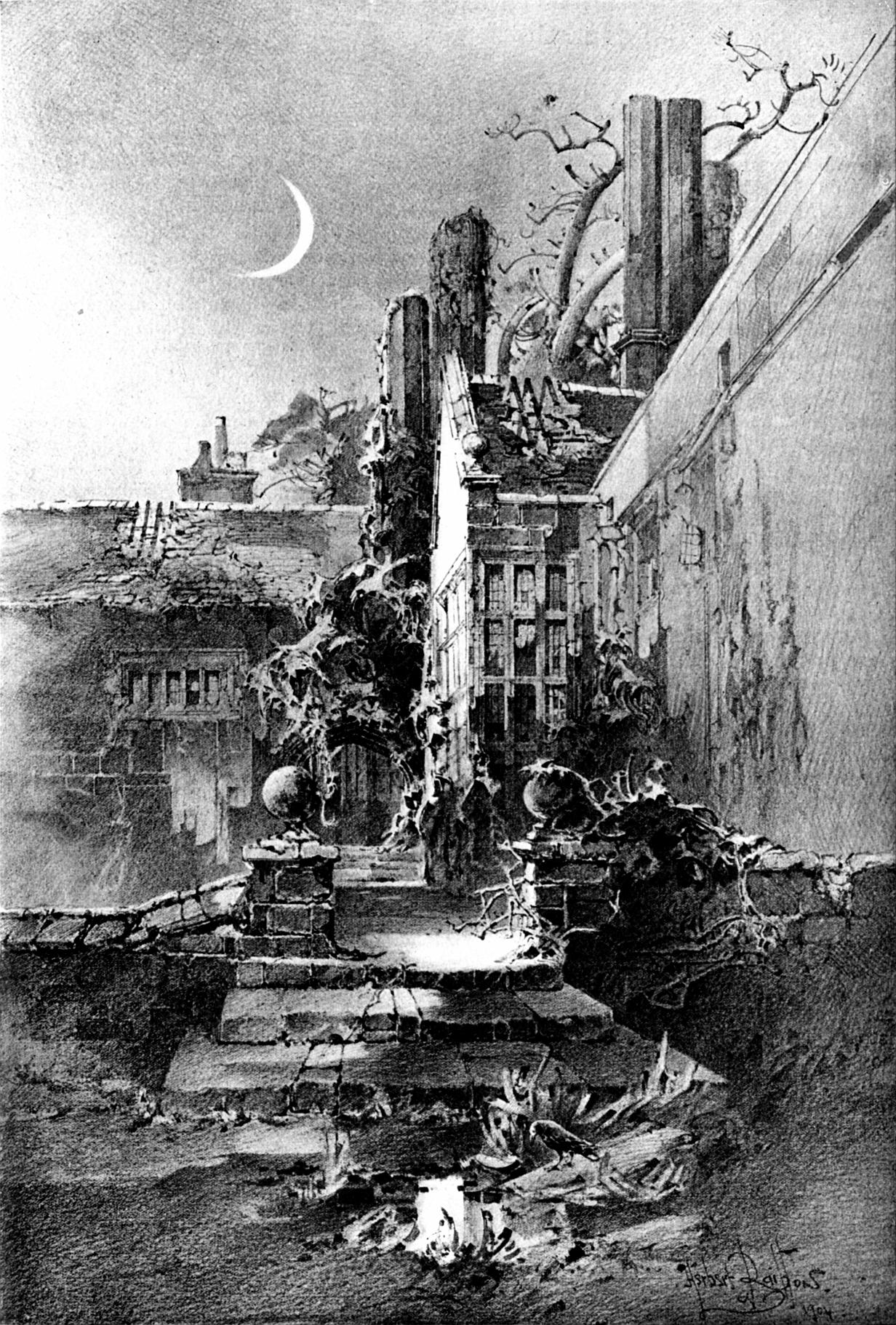 🇬🇧 United KingdomHobgoblin
A household spirit from English folklore known for chores and mischiefBeing · Cursing and harm · Luck and prosperity Historical
🇿🇼 ZimbabweMhande
A Shona song and dance performance tied to rain rituals and ancestral communicationIllusion · Speaking with spirits and the dead · Luck and prosperity Living
🇺🇸 United StatesCurse of Rocky Colavito
A baseball superstition linking a 1960 player trade to decades of team failureBelief · Luck and prosperity Historical
🇬🇧 United KingdomHobgoblin
A household spirit from English folklore known for chores and mischiefBeing · Cursing and harm · Luck and prosperity Historical
🇿🇼 ZimbabweMhande
A Shona song and dance performance tied to rain rituals and ancestral communicationIllusion · Speaking with spirits and the dead · Luck and prosperity Living
🇺🇸 United StatesCurse of Rocky Colavito
A baseball superstition linking a 1960 player trade to decades of team failureBelief · Luck and prosperity Historical
 🇯🇵 Japan and 1 moreChain letterFukou no Tegami
A message that demands copying and forwarding to avoid bad luck or gain fortuneBelief · Luck and prosperity · Cursing and harm Historical
🇯🇵 Japan and 1 moreChain letterFukou no Tegami
A message that demands copying and forwarding to avoid bad luck or gain fortuneBelief · Luck and prosperity · Cursing and harm Historical
 🇬🇧 United KingdomChained Oak
A Staffordshire oak bound in chains by a local legend of a curse and an earl.Belief · Cursing and harm Historical
🇬🇧 United KingdomChained Oak
A Staffordshire oak bound in chains by a local legend of a curse and an earl.Belief · Cursing and harm Historical
 🇺🇸 United StatesMarmot Day
An Alaskan holiday celebrating local marmots and frontier culture, replacing Groundhog Day.Tradition · Luck and prosperity · Wonder and entertainment Living
🇺🇸 United StatesMarmot Day
An Alaskan holiday celebrating local marmots and frontier culture, replacing Groundhog Day.Tradition · Luck and prosperity · Wonder and entertainment Living
Photo credits on this page
The small pictures above come from Wikimedia Commons under free licences. Some are cropped to fit.
- Lunula: Anonymous ( Category:Roman Empire ) Unknown author, Public domain, source
- Louisiana Voodoo: I cropped, original authors are Ridpath, John Clark, CC BY-SA 4.0, source
- Folk Catholicism: Calvin Hennick, for WBUR Boston, CC BY 3.0, source
- Vahana: Unknown Nepali, Public domain, source
- Hobgoblin: Herbert Railton, Public domain, source
- Sihuhata: Chainwit., CC BY-SA 4.0, source
- Manaia: Sarang, Public domain, source
- Feldgeist: Zwoelefant, CC BY-SA 3.0, source
- Bucca: Frederick Whymper, Public domain, source
- Menat: Anagoria, CC BY 3.0, source
- Haitian Carnival: User:Doron, CC BY-SA 3.0, source
- Dragon turtle: Jonathan O'Donnell, CC BY 2.0, source
- Witch camp: Hasslaebetch, CC BY-SA 4.0, source
- Klabautermann: Anton von Werner, Public domain, source
- Feather cloak: Lusanaherandraton, CC BY-SA 4.0, source
- Magatama: Kakidai, CC BY-SA 3.0, source
- Drude: Ramessos, Public domain, source
- Nymph: Unknown author, Public domain, source
- Morana: Marta Malina Moraczewska, CC BY-SA 4.0, source
- Chain letter: Alpha, CC BY-SA 2.0, source
- Chained Oak: Gary Rogers, CC BY-SA 2.0, source
- Marmot Day: Colin Canterbury/USFWS, Public domain, source
- Ashapura Mata: Rossifummi, CC BY-SA 4.0, source
- Poomala Bhagavathy: Ajeeshkumar4u, CC BY-SA 4.0, source
- Nagnechiya Maa: Jairajsingh123, CC0, source
- Belie Belcan: Domfranciscorodrigues, CC BY-SA 3.0, source
- Cross necklace: paterm, CC BY-SA 4.0, source
- Grásteinn: Ásgeir Helgason, Attribution, source
- Amulet MS 5236: Martin Schøyen, CC BY-SA 3.0, source
- Nithing pole: r Saxo Gramaticus; tr. (Danish) Frederik Winkel Horn; illus. Louis Moe, Public domain, source
- Bieresel: Neulich im Roxy Kino, CC BY 3.0, source