
Lunula
from Latin lunula, meaning little moon
A crescent-shaped amulet worn by girls in ancient Rome for protection.
The lunula was a crescent moon-shaped pendant worn by young women in ancient Rome. It served as an apotropaic charm to ward off evil forces and the evil eye, acting as the female equivalent of the bulla worn by boys.
- Crescent-shaped pendant worn by girls in ancient Rome
- Served as the female equivalent of the boy's bulla
- Used as an apotropaic charm against evil forces
- Commonly made of gold
- Mentioned in plays by Plautus
What it is
The lunula was a small, crescent-shaped pendant worn by girls in ancient Rome. It functioned as an apotropaic amulet, a type of protective charm designed to deflect harm. The object served as the female counterpart to the bulla, a similar protective token worn by boys. Romans commonly used such items as talismans to guard against evil forces, demons, and sorcery. Protection from the evil eye was a primary concern addressed by these charms.
Where it comes from
The practice originated in ancient Rome and spread throughout the Mediterranean region. Isidore of Seville later defined the item as a female ornament shaped like the moon, describing it as a hanging gold bulla. Literary evidence appears in the works of Plautus. In one play, a character recalls giving a gold lunula to a girl named Telestis on her birthday. Another play mentions a golden bulla given to Palaestra at birth, highlighting the gendered nature of these tokens.
How it is done
The lunula was worn as personal jewelry rather than used in a complex ritual. It was typically given as a gift during childhood, often on a birthday or at birth. The wearer kept the pendant close to the body to maintain its protective influence. This daily wearing transformed the object into a constant shield against perceived spiritual dangers.
Tools and materials
Gold was the primary material used for these pendants. The metal was shaped into a crescent form to resemble the moon. The design mimicked the bulla, creating a parallel set of protective symbols for Roman youth. The use of precious metal likely signified value and durability.
Lunula, drawn and placed
- Living
- Revived
- Fading
- Historical
- Legendary
- Performed
- Lineage
- Roman folk magic
- Timing
- at birth and daily wear
What it is for
The main intent was protection against malevolent influences. Wearers believed the charm would ward off evil forces and sorcery. It specifically offered defense against the evil eye, a common fear in the ancient world. The item provided a sense of security for young girls navigating their social environment.
Who does it
Ordinary households provided these amulets for their daughters. Parents or guardians gifted the lunula to children, marking significant life events like birth. The practice was a domestic tradition rather than a priestly duty. No specialized training was required to wear or give the charm.
Peoples and places
The custom was established among the Romans in Italy. It extended across the wider Mediterranean region. The bulla remained more popular in Italy itself, while the lunula followed similar distribution patterns. The distinction between male and female tokens reflects Roman social structures regarding youth and protection.
At a glance: who, where and when
Who does it
Peoples
Belief worlds
Occasions
What people believe
Romans held that invisible threats like demons and sorcery could cause real harm. The evil eye was viewed as a specific danger requiring active defense. Amulets were believed to possess inherent power to repel these forces. Wearing the charm created a spiritual barrier around the wearer.
When it is done
Gifts of the lunula were associated with birth and birthdays. These occasions marked the beginning of a child's life and their entry into society. Daily wear ensured continuous protection throughout the year. The charm remained part of the wearer's routine until adulthood.
How scholars and sceptics see it
Classics scholars analyze the lunula through literary texts and archaeological finds. Researchers examine how dress reflected cultural values and social status. Studies on Roman culture highlight the importance of protective symbols in daily life. The comparison between the lunula and bulla reveals gendered approaches to safety.
Cautions and what is closed
No specific harms or frauds are recorded regarding the lunula itself. The practice is historical and belongs to the past. Modern observers study it as a cultural artifact rather than a living tradition.
Compare and confuse
The lunula is closely related to the bulla, its male counterpart. Both served similar protective functions but differed in shape and gender association. Other Mediterranean cultures used crescent symbols, though the Roman context remains distinct.
Questions people ask about Lunula
What is a lunula?
It is a crescent-shaped amulet worn by girls in ancient Rome. It acted as a protective charm against evil forces and the evil eye, serving as the female version of the bulla.
Where did the lunula originate?
The lunula originated in ancient Rome. It was worn by Roman girls and became common throughout the Mediterranean region as a standard protective token for youth.
What was the purpose of wearing a lunula?
Wearers believed it protected them from evil forces, demons, and sorcery. It was especially thought to guard against the evil eye, providing spiritual safety for the child.
Good reading and sources
- Lunula (amulet) on WikipediaEncyclopedia
- More photos on Wikimedia CommonsPhotos and video
- Wikidata recordOpen data
The facts on this page come from the Wikipedia article "Lunula (amulet)", written by its contributors and used under the CC BY-SA 4.0 licence, and from its Wikidata record (CC0). EveryJaadu rewrote the text in its own words, with AI assistance, and compares every page with the article to make sure no passage is copied. It may be reused under the same CC BY-SA 4.0 licence with a link back.
It may contain mistakes. Names and customs differ from one community to the next, and some knowledge is closed to outsiders and left out here. This page describes belief and practice. It does not say that any of it works, it is not a how-to, and it is not medical advice. If something is wrong, tell us. Last refreshed 2026-10-12.
More from Italy
All the entries from Italy 🇮🇹 Italy and 5 morePrecious coral
A marine skeleton harvested for jewelry and worn as a protective charm in several culturesSubstance · Protection · Healing Living
🇮🇹 Italy and 5 morePrecious coral
A marine skeleton harvested for jewelry and worn as a protective charm in several culturesSubstance · Protection · Healing Living
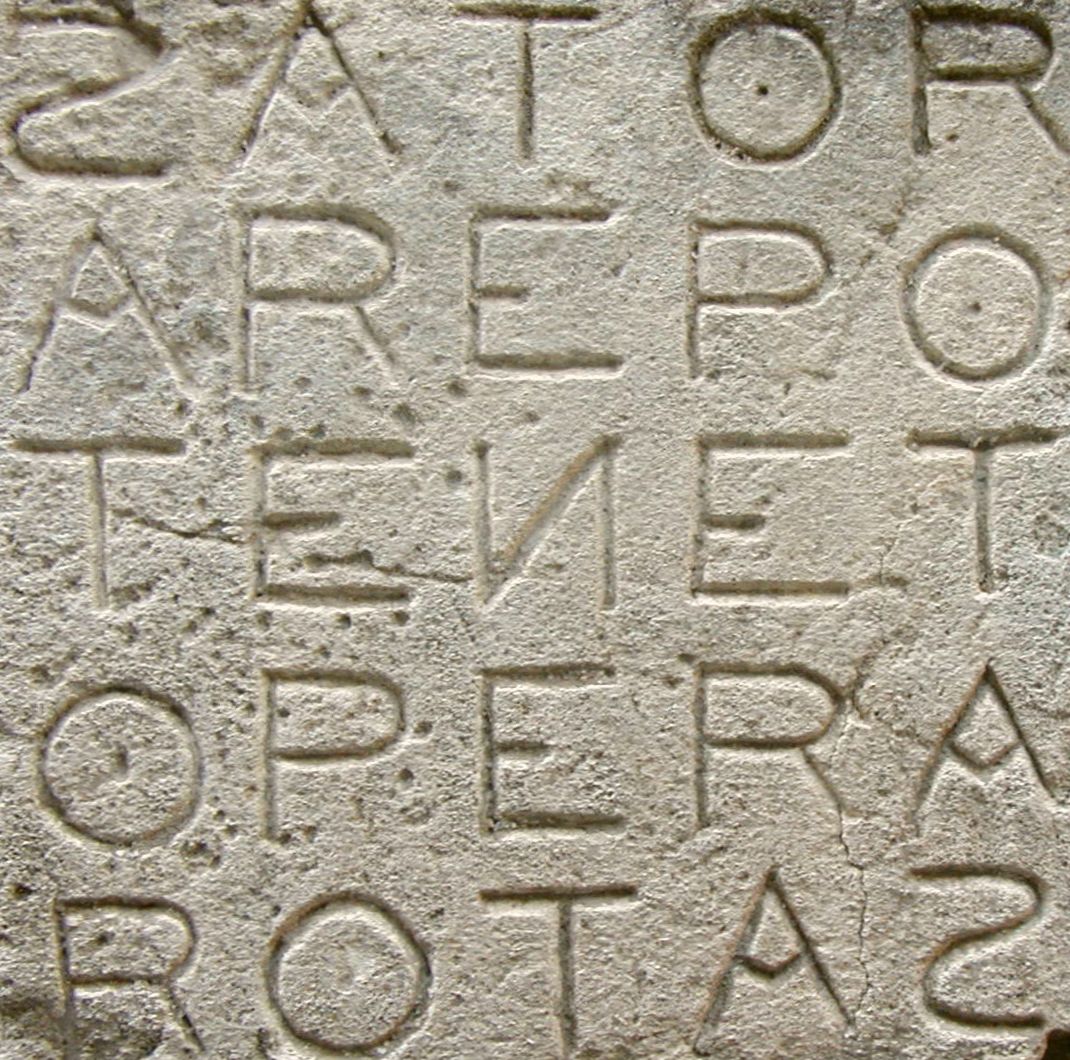 🇮🇹 Italy and 5 moreSator Square
A five-word Latin palindrome found in Roman ruins and medieval churchesCharm · Protection · Healing Historical
🇮🇹 Italy and 5 moreSator Square
A five-word Latin palindrome found in Roman ruins and medieval churchesCharm · Protection · Healing Historical
 🇮🇹 Italy and 5 moreRelic
An object or body part kept to honor a holy person and mark their connection to the divineCharm · Protection · Healing Living
🇮🇹 Italy and 5 moreRelic
An object or body part kept to honor a holy person and mark their connection to the divineCharm · Protection · Healing Living
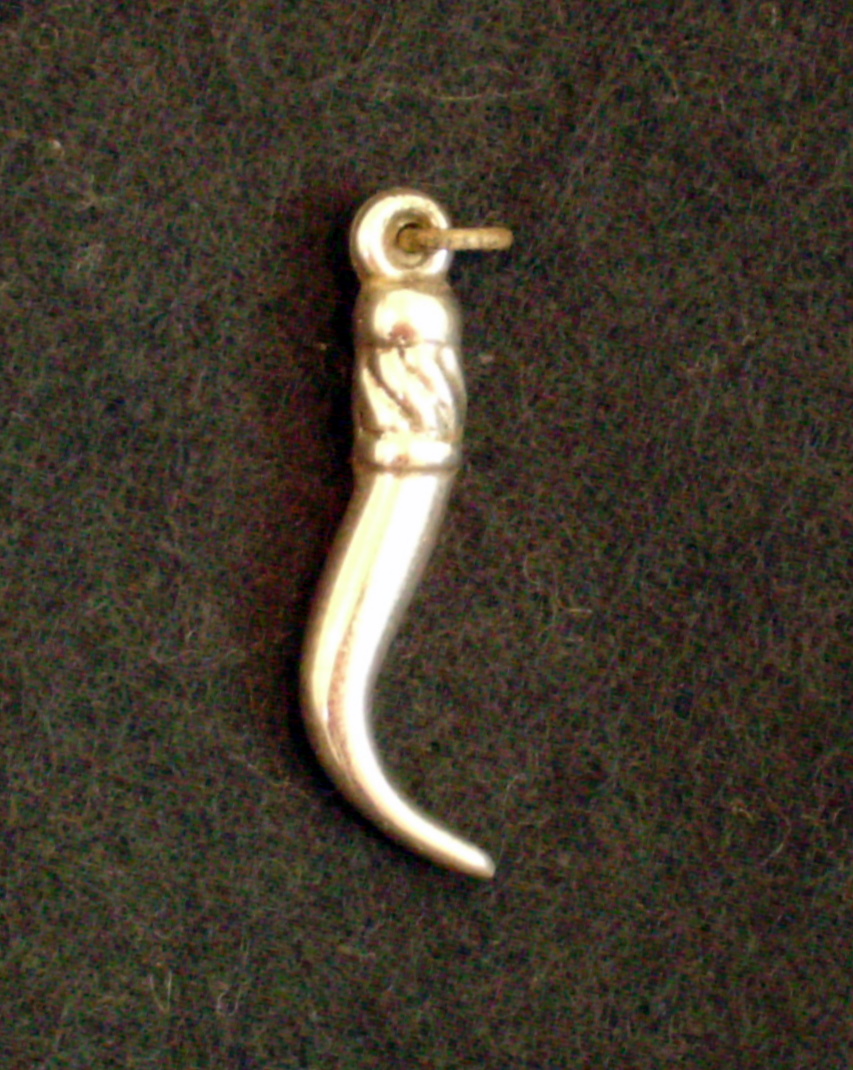 🇮🇹 ItalyCornicello
A twisted horn charm worn in Italy to ward off the evil eye and invite luck.Charm · Protection · Luck and prosperity Living
🇮🇹 ItalyCornicello
A twisted horn charm worn in Italy to ward off the evil eye and invite luck.Charm · Protection · Luck and prosperity Living
Related elsewhere
All charm 🇪🇬 Egypt and 1 moreSphinx
A composite creature of human head and lion body found in Egyptian and Greek mythBeing · Protection Legendary
🇪🇬 Egypt and 1 moreSphinx
A composite creature of human head and lion body found in Egyptian and Greek mythBeing · Protection Legendary
 🇪🇬 Egypt and 3 moreAmulet
A portable object worn or carried to ward off harm and invite fortuneCharm · Protection · Luck and prosperity Living
🇪🇬 Egypt and 3 moreAmulet
A portable object worn or carried to ward off harm and invite fortuneCharm · Protection · Luck and prosperity Living
 🇹🇷 Turkey and 5 moreEvil eye
A curse caused by an envious look and the charms used to block itBelief · Protection · Cursing and harm Living
🇹🇷 Turkey and 5 moreEvil eye
A curse caused by an envious look and the charms used to block itBelief · Protection · Cursing and harm Living
 🇨🇳 China and 3 moreChinese dragon龍
A legendary water deity and imperial symbol in East Asian cultureBeing · Protection · Luck and prosperity Historical
🇨🇳 China and 3 moreChinese dragon龍
A legendary water deity and imperial symbol in East Asian cultureBeing · Protection · Luck and prosperity Historical