Black Orlov
named after Princess Nadia Vygin-Orlov
A black diamond linked to a legend of theft and tragic deaths
The Black Orlov is a large black diamond said to have been stolen from a statue in India. Stories claim it carries a curse that brought misfortune to its owners.
- Weighs 67.5 carats today
- Originally 195 carats
- Said to be from a Brahma statue
- Named after Princess Nadia Vygin-Orlov
- Displayed at natural history museums
What it is
The Black Orlov is a black diamond weighing 67.5 carats. It was once part of a larger stone that weighed 195 carats. The gem is famous for the stories attached to it rather than its beauty alone. People believe it brings bad luck to those who possess it. These tales make it one of the most well-known cursed objects in history.
Where it comes from
Legends say the stone came from India. It was placed in the eye of a statue of the Hindu god Brahma. A Jesuit cleric supposedly stole it. This act is said to have triggered a curse on the gem. The original owner remains unknown in these accounts.
How it is done
No ritual is performed with the stone itself. Its power comes from the story of its theft. Owners tried to remove the curse by cutting the diamond. Charles F. Winson split the large stone into three pieces. He set the main piece into a brooch surrounded by other diamonds.
Tools and materials
The primary tool is the diamond itself. It is now set in jewelry made of gold and smaller stones. The brooch holds 108 diamonds. It hangs from a necklace with 124 more stones. These materials frame the black gem as a centerpiece.
Black Orlov, drawn and placed
- Living
- Revived
- Fading
- Historical
- Legendary
- Performed
- Lineage
- legendary cursed gem
What it is for
People view the stone as a source of danger. They fear it causes accidents or death. Some buy it hoping to break the curse. Others avoid it entirely due to the reported tragedies. It serves as a warning about greed and disrespect.
Who does it
Diamond dealers and collectors have owned the stone. J. W. Paris brought it to the United States in 1932. Two Russian princesses later possessed it. Leonila Galitsine-Bariatinsky and Nadia Vygin-Orlov are linked to its name. Both reportedly died by suicide in the 1940s.
Peoples and places
The legend connects India, Russia, and the United States. Indian sources mention the temple statue. Russian nobility held the stone during the early twentieth century. American dealers handled it before museums displayed it. Different cultures added details to the same core story.
At a glance: who, where and when
Who does it
Belief worlds
What people believe
The curse stems from stealing a sacred object. It punishes those who take what belongs to a deity. Deaths among owners confirm the belief for many. Skeptics see coincidence and media hype. The narrative persists because it fits human fears of retribution.
When it is done
No specific dates mark events involving the stone. Tragedies occurred in the 1930s and 1940s. Dennis Petimezas bought it in 2004. Exhibitions happen when museums choose to display it. There is no annual festival tied to the gem.
How scholars and sceptics see it
Historians trace the ownership records carefully. Anthropologists study how curses spread through culture. Psychologists note the power of suggestion. Critics argue the deaths were unrelated. Scholars separate fact from the dramatic embellishments added over time.
Cautions and what is closed
The stone has been associated with suicide. Owners report feeling uneasy or unlucky. No physical harm comes from touching it. The danger lies in the psychological weight of the legend. Fraudsters sometimes sell fake cursed gems.
Compare and confuse
It shares traits with the Hope Diamond. Both are large colored stones with tragic histories. The Koh-i-Noor also has legends of male fate. These gems form a group of famous cursed jewels. Each story uses similar motifs of theft and doom.
Law and persecution
No laws specifically ban owning the diamond. Theft in the nineteenth century is outside modern legal reach. Museums display it legally under loan agreements. Ownership transfers are recorded in commercial records. No court cases involve the curse directly.
Questions people ask about Black Orlov
What is the Black Orlov?
It is a black diamond weighing 67.5 carats. It is known for legends of a curse that harmed its owners.
Where did the diamond come from?
Stories say it was stolen from a statue of the Hindu god Brahma in India during the early nineteenth century.
Why is it called the Eye of Brahma?
Legend claims it was set as an eye in a statue of the Hindu deity Brahma before being stolen.
Who owns the Black Orlov now?
Dennis Petimezas bought it in 2004. He stated he believed the curse had been broken by then.
Good reading and sources
The facts on this page come from the Wikipedia article "Black Orlov", written by its contributors and used under the CC BY-SA 4.0 licence, and from its Wikidata record (CC0). EveryJaadu rewrote the text in its own words, with AI assistance, and compares every page with the article to make sure no passage is copied. It may be reused under the same CC BY-SA 4.0 licence with a link back.
It may contain mistakes. Names and customs differ from one community to the next, and some knowledge is closed to outsiders and left out here. This page describes belief and practice. It does not say that any of it works, it is not a how-to, and it is not medical advice. If something is wrong, tell us. Last refreshed 2026-10-07.
More from India
All the entries from India 🇮🇳 India and 1 moreHeliotrope
A green and red mineral stone used as an amulet for health, invisibility, and courage.Charm · Protection · Healing Historical
🇮🇳 India and 1 moreHeliotrope
A green and red mineral stone used as an amulet for health, invisibility, and courage.Charm · Protection · Healing Historical
 🇮🇳 India and 2 moreYantraयन्त्र
A geometric diagram from Indian traditions used for worship and meditationTradition · Protection · Speaking with spirits and the dead Living
🇮🇳 India and 2 moreYantraयन्त्र
A geometric diagram from Indian traditions used for worship and meditationTradition · Protection · Speaking with spirits and the dead Living
 🇮🇳 India and 5 moreCowrie
A sea snail shell used as currency, divination tool, and charm across many culturesSubstance · Seeing and foretelling · Luck and prosperity Living
🇮🇳 India and 5 moreCowrie
A sea snail shell used as currency, divination tool, and charm across many culturesSubstance · Seeing and foretelling · Luck and prosperity Living
 🇮🇳 India and 1 moreNazar battuनज़र बट्टू / نظر بٹو
A charm or deliberate flaw used in South Asia to ward off the evil eye.Charm · Protection Living
🇮🇳 India and 1 moreNazar battuनज़र बट्टू / نظر بٹو
A charm or deliberate flaw used in South Asia to ward off the evil eye.Charm · Protection Living
Related elsewhere
All charm 🇷🇸 Serbia and 5 moreVampire
An undead creature from folklore that feeds on the blood or life force of the livingBeing · Cursing and harm · Luck and prosperity Legendary
🇷🇸 Serbia and 5 moreVampire
An undead creature from folklore that feeds on the blood or life force of the livingBeing · Cursing and harm · Luck and prosperity Legendary
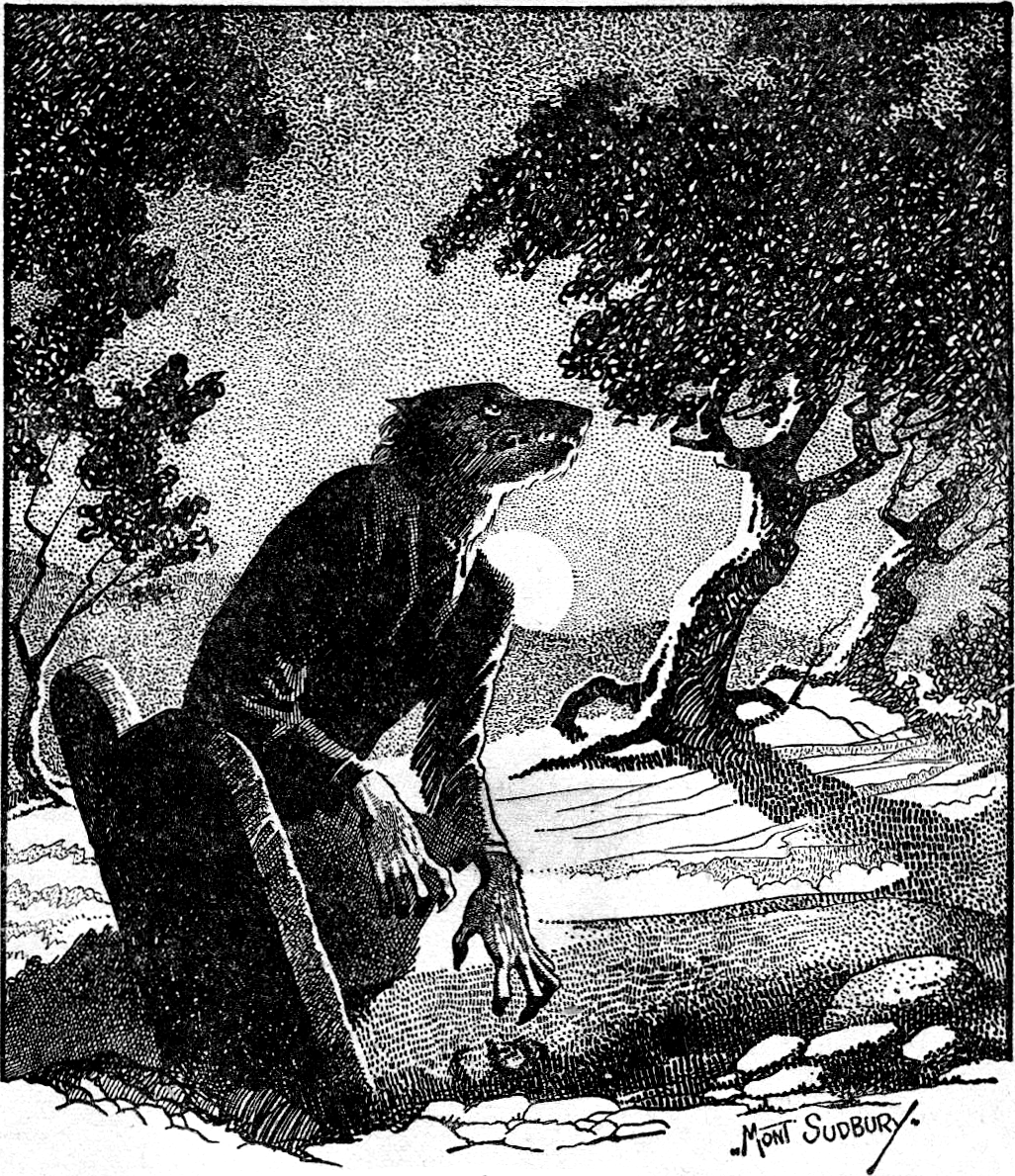 🇫🇷 France and 5 moreWerewolf
A mythical shapeshifter that turns into a wolf, central to European witch-hunts and Gothic horror.Being · Cursing and harm · Wonder and entertainment Legendary
🇫🇷 France and 5 moreWerewolf
A mythical shapeshifter that turns into a wolf, central to European witch-hunts and Gothic horror.Being · Cursing and harm · Wonder and entertainment Legendary
 🇪🇬 Egypt and 1 moreLilithלִילִית
A feminine figure from Mesopotamian and Jewish mythology, often depicted as a night demon or spirit.Being · Cursing and harm Legendary
🇪🇬 Egypt and 1 moreLilithלִילִית
A feminine figure from Mesopotamian and Jewish mythology, often depicted as a night demon or spirit.Being · Cursing and harm Legendary
 🇪🇬 EgyptCurse
A spoken wish for misfortune to befall a person or placeBelief · Cursing and harm · Luck and prosperity Historical
🇪🇬 EgyptCurse
A spoken wish for misfortune to befall a person or placeBelief · Cursing and harm · Luck and prosperity Historical