
Sihuhata
In its own language: แมงสี่หูห้าตา
from Thai Maeng Sihuhata, meaning 'four ears five eyes'
A legendary creature from northern Thai folklore associated with wealth and divine testing
Sihuhata is a mythical beast from Lanna folklore in northern Thailand, known for its unusual features of four ears and five eyes. It appears in palm-leaf manuscripts and local temple traditions as a source of gold or a disguise for the Hindu deity Indra.
- Name means 'four ears five eyes' in Thai
- Eats charcoal and produces gold
- Identified with the god Indra in some traditions
- Featured in a 1914 palm-leaf manuscript
- Used as a mascot for the 2018 Chiang Rai Games
What it is
Sihuhata is a figure from the folk tales of northern Thailand, specifically the Lanna region. The name translates to 'four ears and five eyes,' describing a large animal that resembles a bear or a monkey. In some versions, it eats burning charcoal and produces gold through its waste. The creature serves as a symbol of unexpected wealth and moral testing within local cultural narratives.
Where it comes from
The primary account comes from a palm-leaf manuscript called Tham Sihuhata, written in 1914 by Phimmasan Bhikkhu at Wat Chae Chang in Chiang Mai. This text preserves a story set in the kingdom of Phanthumati. Another tradition links the creature to the Hindu god Indra, who takes this form to test human virtue. Scholars suggest the tale may have originated as an oral jia before being recorded in religious literature.
How it is done
In the main narrative, an orphan boy follows his father's instructions to drag a skull until it gets stuck in a cave. He sets a trap and captures the creature. He feeds it charcoal instead of plants, which causes it to excrete gold. The boy uses this gold to build a golden water channel for a princess, winning her hand in marriage. The creature is later lost when frightened by a crowd.
Tools and materials
Amulets and statues of Sihuhata are created for devotion. These items are believed to attract good fortune and wealth due to the creature's association with producing gold. The figures serve as tangible connections to the legend, allowing people to invoke its lucky properties in their daily lives.
Sihuhata, drawn and placed
- Living
- Revived
- Fading
- Historical
- Legendary
- Performed
- Lineage
- Lanna folklore
What it is for
People keep representations of Sihuhata to invite prosperity. The creature is also viewed as a test of character. In the Indra version, it appears to challenge the virtue of those who encounter it. Success in dealing with the beast leads to reward, while greed or fear can lead to loss.
Who does it
The stories are part of the general cultural heritage of the Lanna people. Devotion to the creature involves visiting temples where statues are placed. The original protagonist was an orphan boy who used his wits and obedience to survive and gain status. Modern practitioners view the amulets as charms rather than objects of worship.
Peoples and places
The legend is rooted in the Lanna culture of northern Thailand. Variations exist between the written manuscript from Chiang Mai and the oral traditions of Chiang Rai. The Chiang Rai version strongly connects the creature to Wat Phra That Doi Khao Kwai and identifies it directly with Indra. These regional differences show how the tale adapts to local temple histories.
At a glance: who, where and when
Who does it
Peoples
Belief worlds


What people believe
Buddhist interpretations assign symbolic meaning to the creature's anatomy. The four ears represent the four Brahmaviharas, or divine abodes. The five eyes correspond to the Five Precepts, basic ethical rules. The story is often classified as a Jataka tale, though it falls outside the canonical collection. It reflects values of charity and righteous rule.
Compare and confuse
Sihuhata is sometimes confused with other mythical beasts, but its specific combination of features is unique to Lanna lore. The identification with Indra links it to broader Hindu-Buddhist syncretism in Southeast Asia. Unlike typical monsters, it is not inherently evil but acts as a catalyst for change or reward.
Questions people ask about Sihuhata
What is Sihuhata?
It is a legendary creature from Lanna folklore in northern Thailand, described as having four ears and five eyes. It is known for eating charcoal and producing gold.
Where does the story come from?
The main story is found in a 1914 palm-leaf manuscript from Wat Chae Chang in Chiang Mai. Other versions are tied to temples in Chiang Rai.
Is it a real animal?
No, it is a mythical being. Some traditions say it is the god Indra in disguise, testing the virtue of humans who encounter it.
Why do people like it?
Because it produces gold, statues and amulets of Sihuhata are kept for good luck and wealth. It represents unexpected prosperity.
Good reading and sources
- Sihuhata on WikipediaEncyclopedia
- More photos on Wikimedia CommonsPhotos and video
- Wikidata recordOpen data
The facts on this page come from the Wikipedia article "Sihuhata", written by its contributors and used under the CC BY-SA 4.0 licence, and from its Wikidata record (CC0). EveryJaadu rewrote the text in its own words, with AI assistance, and compares every page with the article to make sure no passage is copied. It may be reused under the same CC BY-SA 4.0 licence with a link back.
It may contain mistakes. Names and customs differ from one community to the next, and some knowledge is closed to outsiders and left out here. This page describes belief and practice. It does not say that any of it works, it is not a how-to, and it is not medical advice. If something is wrong, tell us. Last refreshed 2026-10-06.
More from Thailand
All the entries from Thailand 🇲🇾 Malaysia and 5 morePenanggalan
A floating head with trailing organs from Malay folklore, said to hunt pregnant women and newborns.Being · Cursing and harm Legendary
🇮🇩 Indonesia and 3 moreToyoltuyul
An undead infant spirit in Southeast Asian folklore, invoked for theft and fortune.Being · Luck and prosperity · Cursing and harm Living
🇲🇾 Malaysia and 5 morePenanggalan
A floating head with trailing organs from Malay folklore, said to hunt pregnant women and newborns.Being · Cursing and harm Legendary
🇮🇩 Indonesia and 3 moreToyoltuyul
An undead infant spirit in Southeast Asian folklore, invoked for theft and fortune.Being · Luck and prosperity · Cursing and harm Living
 🇹🇭 Thailand and 5 moreKrasueกระสือ
A floating head with trailing organs from Southeast Asian folkloreBeing · Cursing and harm Living
🇹🇭 Thailand and 5 moreKrasueกระสือ
A floating head with trailing organs from Southeast Asian folkloreBeing · Cursing and harm Living
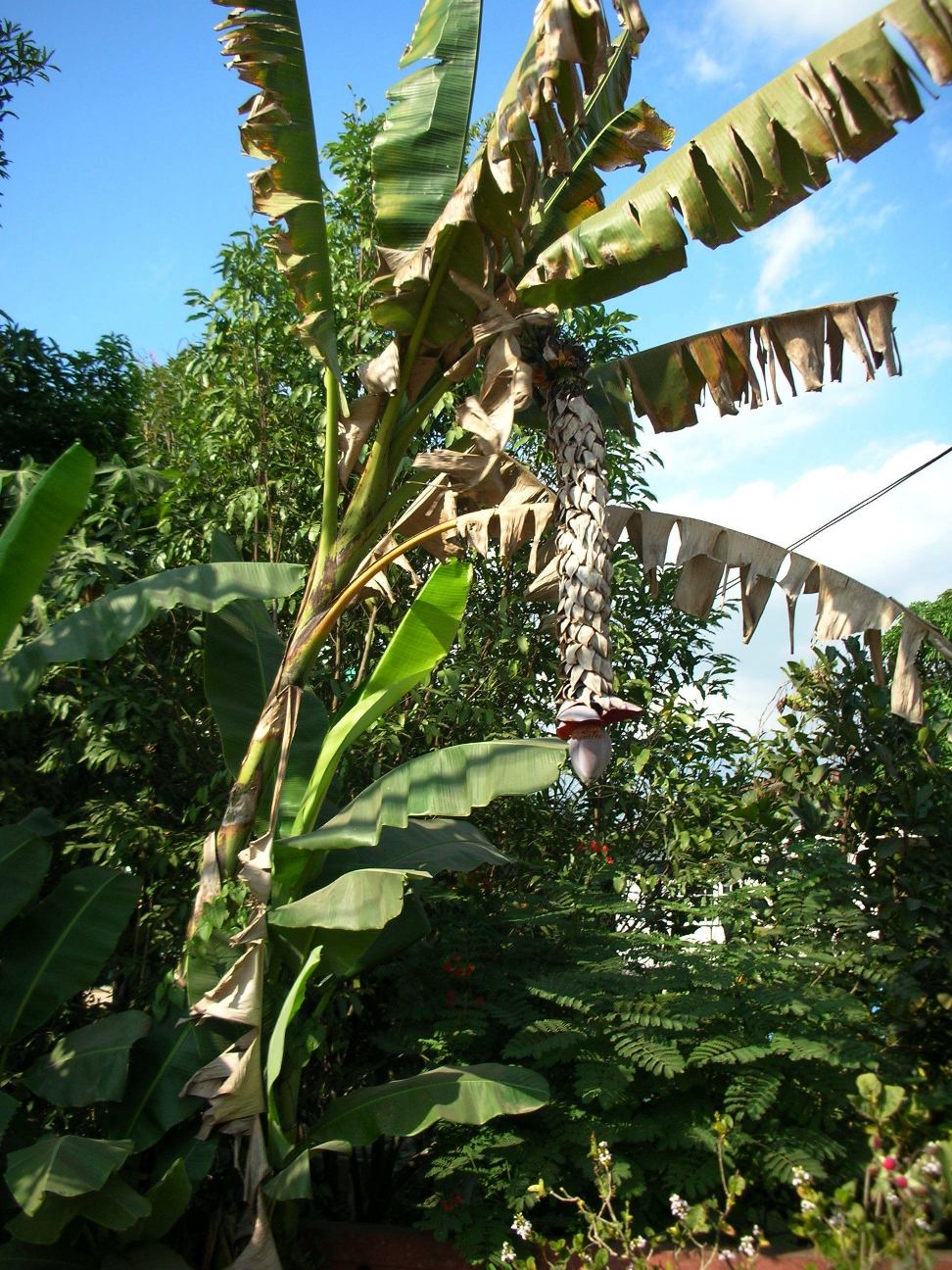 🇹🇭 Thailand and 1 moreNang Taniนางตานี
A female spirit said to inhabit wild banana trees in Southeast Asian folklore.Being · Protection · Luck and prosperity Living
🇹🇭 Thailand and 1 moreNang Taniนางตานี
A female spirit said to inhabit wild banana trees in Southeast Asian folklore.Being · Protection · Luck and prosperity Living
Related elsewhere
All being 🇮🇳 India and 5 moreAstrology
A divinatory practice that reads human fate through the positions of celestial bodies.Belief · Seeing and foretelling · Luck and prosperity Living
🇮🇳 India and 5 moreAstrology
A divinatory practice that reads human fate through the positions of celestial bodies.Belief · Seeing and foretelling · Luck and prosperity Living
 🇫🇷 FranceHoly GrailSaint Graal
A cup or stone from Arthurian tales that grants healing and eternal lifeFigure · Healing · Luck and prosperity Legendary
🇫🇷 FranceHoly GrailSaint Graal
A cup or stone from Arthurian tales that grants healing and eternal lifeFigure · Healing · Luck and prosperity Legendary
 🇨🇳 China and 3 moreChinese dragon龍
A legendary water deity and imperial symbol in East Asian cultureBeing · Protection · Luck and prosperity Historical
🇨🇳 China and 3 moreChinese dragon龍
A legendary water deity and imperial symbol in East Asian cultureBeing · Protection · Luck and prosperity Historical
 🇮🇳 India and 1 moreGarba
A Gujarati circle dance performed around a central symbol during NavaratriIllusion · Power and authority · Luck and prosperity Living
🇮🇳 India and 1 moreGarba
A Gujarati circle dance performed around a central symbol during NavaratriIllusion · Power and authority · Luck and prosperity Living