
Haitian Carnival
In its own language: Kanaval
from French Carnaval, meaning Fat Tuesday
A major Caribbean festival of music, dance, and satire leading to Mardi Gras in Haiti
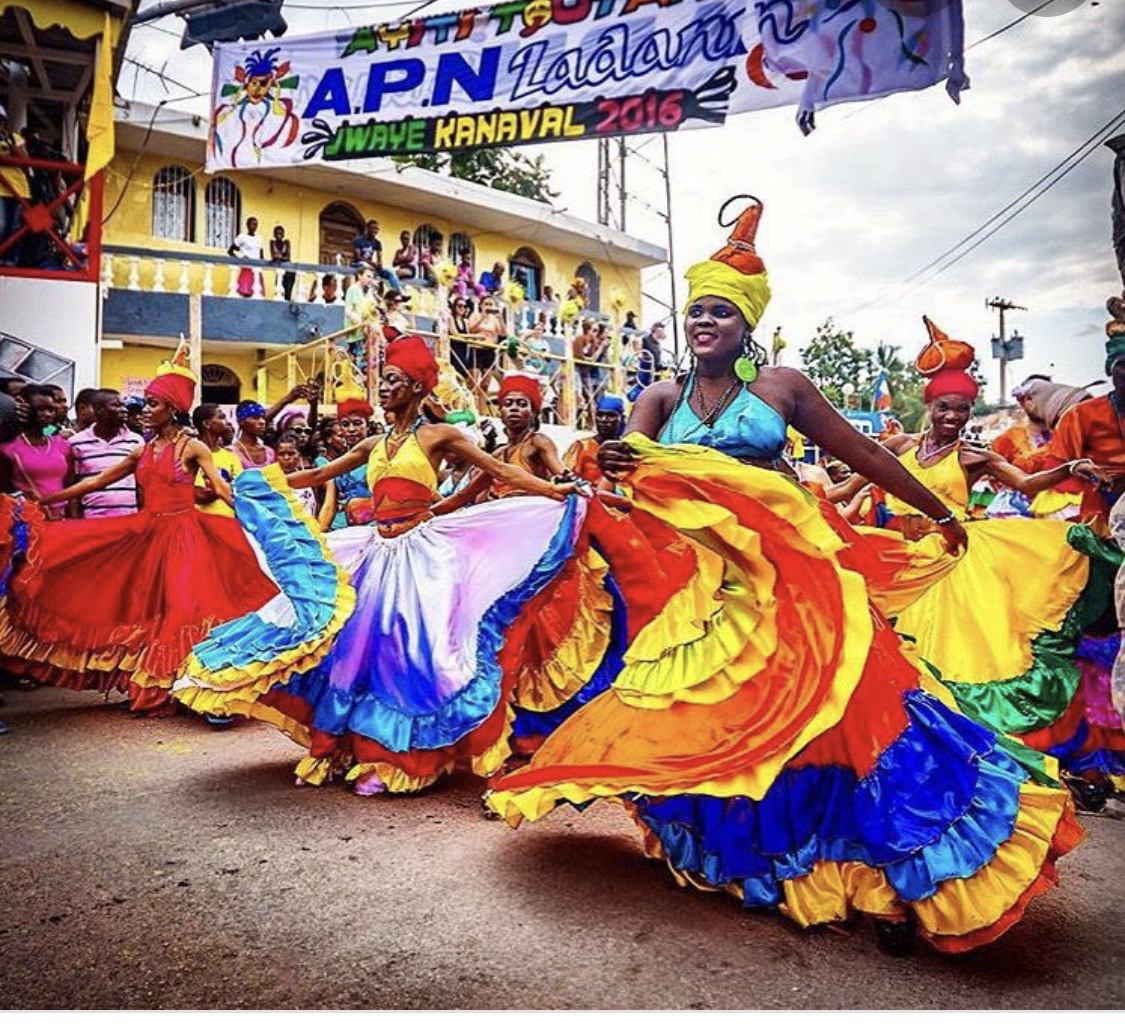
Haitian Carnival is a large annual celebration held in January and February before Ash Wednesday. It features parades, music, and political satire in Port-au-Prince and other cities. The event blends European Catholic traditions with local Vodou rituals and Haitian Creole culture.
- Main parade held in Port-au-Prince ends at Champ de Mars plaza
- Rara processions occur during Lent and involve Vodou rituals
- Music includes kompa, zouk, rap kreyòl, and mizik rasin
- Satirical comedy plays criticize political corruption
- 1998 and 2015 accidents resulted in fatalities during parades
What it is
Haitian Carnival is a vibrant public festival that takes place over several weeks each year. It serves as a major cultural event for the nation, drawing both locals and international visitors. The celebration combines elements of European carnival customs with distinct Haitian artistic expressions. It is characterized by elaborate street parades, live music performances, and theatrical displays. The event allows communities to gather, celebrate, and engage in social commentary through art and performance.
Where it comes from
The modern official public celebration began in 1804 in Port-au-Prince. The festival was imported from Europe during colonial settlement but evolved significantly under local influence. It incorporates African rhythms, Vodou spiritual practices, and Haitian Creole language. Over time, it became a platform for political expression and national identity. Protestant communities historically viewed the festivities with suspicion due to their perceived immorality.
How it is done
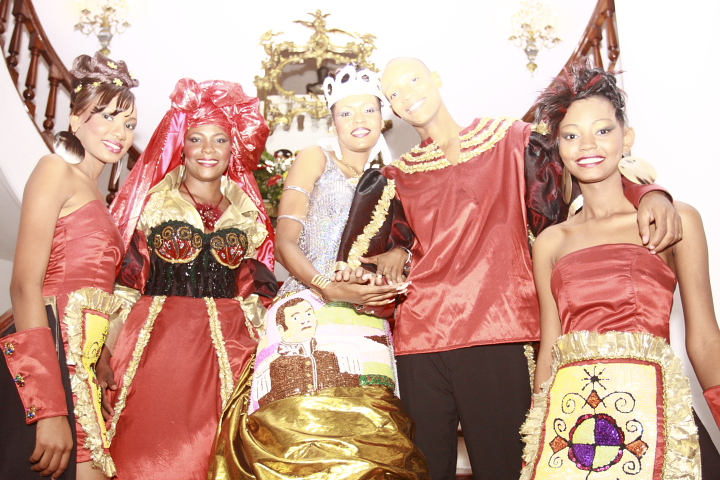
The main event involves a large parade called Defile Kanaval. Participants ride on decorated floats mounted on trucks equipped with sound systems. Bands perform popular music genres such as kompa and zouk for dancing crowds. Revelers wear colorful costumes and masks while moving through city streets. Comedy plays often satirize current political figures and events. Smaller processions occur throughout the year, including Rara bands during Lent.
Tools and materials
Musical instruments are central to the experience. Drums, tin trumpets, and bamboo horns known as vaksens provide rhythm. Floats serve as mobile stages for performers and sound equipment. Costumes and masks allow participants to adopt different personas or roles. Food stands offering barbecue and rum support the festive atmosphere. Money is exchanged during processions to honor community leaders.
Haitian Carnival, drawn and placed
- Living
- Revived
- Fading
- Historical
- Legendary
- Performed
- Lineage
- Caribbean Mardi Gras tradition
- Timing
- January and February before Lent
What it is for
The carnival provides an outlet for social release and communal joy. It offers musicians a chance to gain public exposure and commercial success. Political satire allows citizens to critique authority in a sanctioned manner. Spiritual groups use the occasion to acknowledge local power structures and ancestral connections. The event strengthens community bonds and preserves cultural heritage through shared participation.
Who does it
Local musicians and band members are key performers who prepare extensively for the season. Community leaders organize processions and manage resources. Ordinary citizens participate as dancers, spectators, or costume creators. Artists create satirical content reflecting societal issues. Government bodies and wealthy families often fund the larger celebrations.
Peoples and places
The festival is primarily celebrated in Haiti, with significant events in Port-au-Prince. Smaller carnivals occur in Jacmel and Aux Cayes. Rara processions originate in rural areas surrounding the capital. The diaspora in New York City contributes musicians who return for performances. Different regions may emphasize specific musical styles or ritual elements based on local traditions.
At a glance: who, where and when
Peoples
What people believe
Participants believe the carnival connects them to ancestral spirits and Vodou deities. Rara bands view their performances as contracts with spirits requiring long-term dedication. The fusion of Christian liturgical calendar markers with indigenous African spiritual practices creates a unique worldview. Rituals at crossroads and cemeteries reinforce beliefs about spiritual presence in daily life.
When it is done
Pre-Kanaval begins in January, leading to the main carnival in February. The climax occurs on Mardi Gras, the Tuesday before Ash Wednesday. Ash Wednesday marks the start of Lent, a period of fasting. Rara processions take place during Lent and culminate during Holy Week. A separate Flower Carnival occurs annually in July.
How scholars and sceptics see it
Anthropologists study the carnival as a site of cultural resistance and identity formation. Historians analyze its evolution from colonial import to national institution. Critics note the tension between religious morality and festive excess. Researchers examine how political satire functions within authoritarian contexts. Economic studies highlight the commercial impact on local musicians and businesses.
Cautions and what is closed
The event has faced tragic accidents involving float collapses or vehicle failures. In 1998, a truck accident killed eight people during a performance dispute. In 2015, another incident caused multiple deaths and injuries, leading to cancellation. Political tensions have occasionally led to government interference or suppression of performances. Public health concerns arise during large gatherings, especially post-disaster.
Compare and confuse
Haitian Carnival shares roots with Brazilian and New Orleans Mardi Gras traditions. However, it integrates distinct Vodou elements and Creole linguistic expressions. Rara differs from standard carnival by occurring during Lent and focusing on rural peasant customs. Koudyay represents spontaneous street celebrations rather than organized parades.
Questions people ask about Haitian Carnival
What is Haitian Carnival?
It is a major annual festival in Haiti featuring parades, music, and costumes. Held before Lent, it blends European traditions with local Vodou and Creole culture. The main event occurs in Port-au-Prince.
When does the carnival take place?
Pre-Kanaval starts in January. The main carnival runs through February, ending on Mardi Gras. This date falls before Ash Wednesday, marking the start of the Lenten season.
What music is played?
Performers play kompa, zouk, rap kreyòl, and mizik rasin. Bands compete for audience attention using loud speakers on floats. These genres define the rhythmic energy of the streets.
What is Rara?
Rara is a traditional procession held during Lent. It features drums, bamboo horns, and dancers. It is considered Vodou taken on the road and honors community leaders.
Is it safe to attend?
While generally celebratory, past accidents have caused injuries and deaths. Organizers manage risks, but large crowds pose challenges. Visitors should stay aware of surroundings during parades.
Good reading and sources
- Haitian Carnival on WikipediaEncyclopedia
- More photos on Wikimedia CommonsPhotos and video
- Wikidata recordOpen data
The facts on this page come from the Wikipedia article "Haitian Carnival", written by its contributors and used under the CC BY-SA 4.0 licence, and from its Wikidata record (CC0). EveryJaadu rewrote the text in its own words, with AI assistance, and compares every page with the article to make sure no passage is copied. It may be reused under the same CC BY-SA 4.0 licence with a link back.
It may contain mistakes. Names and customs differ from one community to the next, and some knowledge is closed to outsiders and left out here. This page describes belief and practice. It does not say that any of it works, it is not a how-to, and it is not medical advice. If something is wrong, tell us. Last refreshed 2026-10-06.
More from Haiti
All the entries from Haiti 🇹🇹 Trinidad and Tobago and 3 moreCaribbean folklore
The blended tales and spirits of the Caribbean islandsTradition · Wonder and entertainment Living
🇹🇹 Trinidad and Tobago and 3 moreCaribbean folklore
The blended tales and spirits of the Caribbean islandsTradition · Wonder and entertainment Living
 🇭🇹 Haiti and 2 moreManbo
A female priestess in Haitian Vodou who leads rituals and healing workTradition · Healing · Speaking with spirits and the dead Living
🇭🇹 Haiti and 2 moreManbo
A female priestess in Haitian Vodou who leads rituals and healing workTradition · Healing · Speaking with spirits and the dead Living
 🇭🇹 Haiti and 2 moreHaitian VodouVodou
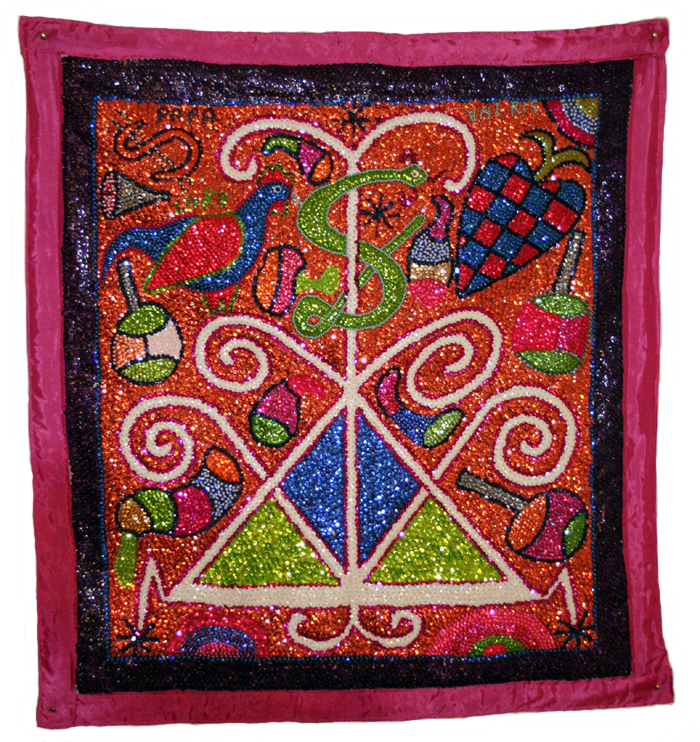
An Afro-Haitian religion blending West African traditions with Catholicism and FreemasonryTradition · Protection · Healing Living
🇭🇹 Haiti and 2 moreHaitian VodouVodou
An Afro-Haitian religion blending West African traditions with Catholicism and FreemasonryTradition · Protection · Healing Living
 🇭🇹 Haiti and 2 moreBokorbòkò
A Haitian Vodou practitioner said to serve spirits for both protection and harmTradition · Protection · Cursing and harm Living
🇭🇹 Haiti and 2 moreBokorbòkò
A Haitian Vodou practitioner said to serve spirits for both protection and harmTradition · Protection · Cursing and harm Living
Related elsewhere
All tradition 🇯🇵 Japan and 2 moreTanabataたなばた (七夕)
A Japanese celebration of star-crossed lovers and written wishesTradition · Luck and prosperity · Wonder and entertainment Living
🇯🇵 Japan and 2 moreTanabataたなばた (七夕)
A Japanese celebration of star-crossed lovers and written wishesTradition · Luck and prosperity · Wonder and entertainment Living
 🇮🇪 Ireland and 5 moreCairn
A human-made stack of stones used as a marker, memorial, or religious symbol across many cultures.Tradition · Protection · Speaking with spirits and the dead Living
🇮🇪 Ireland and 5 moreCairn
A human-made stack of stones used as a marker, memorial, or religious symbol across many cultures.Tradition · Protection · Speaking with spirits and the dead Living
 🇷🇺 Russia and 3 moreFirebird
A glowing bird of Slavic folklore that brings both fortune and peril to those who seek itFigure · Wonder and entertainment · Luck and prosperity Legendary
🇷🇺 Russia and 3 moreFirebird
A glowing bird of Slavic folklore that brings both fortune and peril to those who seek itFigure · Wonder and entertainment · Luck and prosperity Legendary
 🇬🇧 United KingdomMari LwydY Fari Lwyd
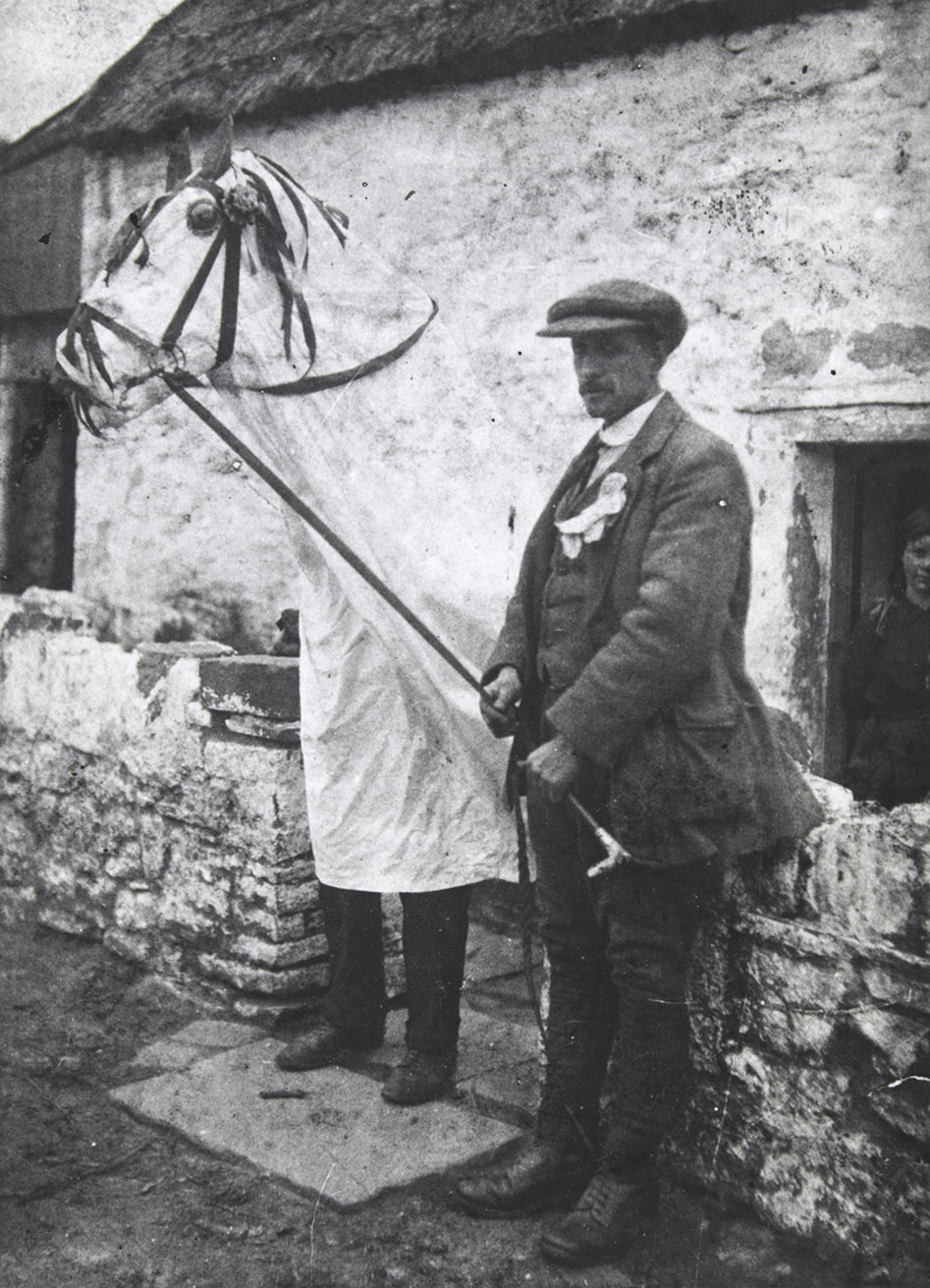
A Welsh winter custom featuring a horse skull carried through villages for song and hospitality.Rite · Luck and prosperity · Wonder and entertainment Revived
🇬🇧 United KingdomMari LwydY Fari Lwyd
A Welsh winter custom featuring a horse skull carried through villages for song and hospitality.Rite · Luck and prosperity · Wonder and entertainment Revived