
Drude
from Middle High German trute, likely linked to Old Norse troða meaning to tread or step
A Germanic nightmare spirit and the pentagram charm used to keep it out
The drude is a female nocturnal spirit from German folklore that sits on people's chests to cause nightmares. Communities in southern Germany and Austria mark their homes with the Drudenfuss symbol to drive her away.
- The drude causes Alpdruck, a heavy pressure on the sleeper's chest
- The Drudenfuss symbol protects homes and livestock from the spirit
- Perforated stones are worn as amulets to ward off nightmares
- The word derives from Middle High German trute meaning to tread
- The spirit can appear as a butterfly or a giantess in folklore
What it is
In Germanic tradition, the drude is a malevolent female spirit known for causing nightmares. She is often described as a witch-hag or an alp who visits people while they sleep. The spirit is believed to sit on a person's chest, creating a heavy pressure that induces fear and paralysis. This phenomenon is called Alpdruck, which translates directly to elf pressure. The drude is considered a specific type of this distressing entity, particularly prevalent in southern regions of Germany and neighboring areas.
Where it comes from
The word appears in late Middle High German texts as trute. Linguists connect it to the Old Norse verb troða, meaning to tread or trample, similar to the modern German word treten. Some scholars suggest a link to trût, meaning dear or beloved, viewing it as a euphemism to avoid naming the spirit directly. The term was also used broadly for witches in the sixteenth century. Dialect variations include trūde in Thuringia and trūd in Swabian and Bavarian regions.
How it is done
People protect themselves by marking surfaces with the Drudenfuss, a symbol resembling a pentagram or hexagram. This sign is painted on house walls, stable doors, and church entrances. It is also carved into wooden charms placed in cradles or hung on window bars. Another method involves placing a flax hackle with spikes pointing upward on the victim's chest to deter the spirit. Throwing a pillow at the entity or speaking a holy name are also recorded ways to repel it.
Tools and materials
The primary tool is the Drudenfuss symbol, representing a footprint or cross. Practitioners use perforated stones smoothed by riverbeds, threading ribbons through them to hang as amulets. These talismans are placed near beds or stables. Wooden charms made from fir trees are also crafted and positioned in infant cradles. In some areas, unshut windows are seen as invitations, so closing them is a simple protective measure against the butterfly guise of the spirit.
Drude, drawn and placed
- Living
- Revived
- Fading
- Historical
- Legendary
- Performed
- Lineage
- Germanic mythology
- Timing
- during sleep and at night
What it is for
The main goal is protection from nighttime terror and physical oppression during sleep. Families seek to prevent the drude from pressing on infants or adults. The symbols serve as wards against various spirits, including alps and witches. The practice aims to ensure safe rest and guard livestock from supernatural harm. Communities view these measures as necessary defenses against unseen forces that target humans and animals alike.
Who does it
Ordinary households perform these rituals without specialized training. Women are often noted as responsible for placing charms in cradles or on household items. In some traditions, women with large or joined eyebrows were stereotyped as potential drudes capable of sending nightmares. The knowledge is passed down through local custom and oral tradition rather than formal instruction.
Peoples and places
The belief is strongest in southern Germany, particularly Bavaria and Swabia. It extends into Austrian Tyrol and parts of Italy like South Tyrol. Similar concepts appear in Swedish folklore with the Alfquerner stone. The spirit is associated with the Wild Hunt legends in Central Europe, where forest maidens seek shelter from the Huntsman using protective crosses. Different regions have unique names and slight variations in how the spirit manifests.
At a glance: who, where and when
Who does it
Belief worlds
Occasions

What people believe
The drude is part of a broader worldview involving alps, mares, and other nocturnal entities. She is thought to leave her body as a spirit to torment victims, sometimes appearing as a butterfly or giantess. The pressure she exerts is a physical sensation attributed to supernatural intervention. Protective symbols rely on geometric shapes to create barriers. The belief system treats these spirits as real threats requiring active defense through folk magic.
When it is done
The encounters happen daily during the night. There are no specific festivals tied to the drude, but the practice is continuous. Families maintain protections year-round to guard against sudden attacks. The spirit is associated with the general danger of sleep and darkness rather than seasonal events.
How scholars and sceptics see it
Philologists analyze the etymology to trace linguistic shifts from Old Norse to German dialects. Folklorists compare the drude to other European nightmare spirits like the mare and incubus. Researchers note the apotropaic function of the pentagram in folk belief. Anthropologists study how these beliefs reflect historical anxieties about sleep paralysis and infant mortality.
Cautions and what is closed
Historically, accusations of witchcraft could arise from these beliefs. Women with distinct physical traits like joined eyebrows were sometimes suspected of being drudes or allied with them. The stigma could lead to social ostracization or persecution. The beliefs persist in cultural memory but are no longer widely practiced as genuine spiritual convictions.
Compare and confuse
The drude is closely related to the mare and the schrat, all sharing traits like causing chest pressure. The Drudenfuss symbol parallels other apotropaic marks like the Schrattl-Gatterl gate. In Sweden, the concept appears as the Alfquerner millstone. The term was once a generic label for witches before becoming specific to this spirit.
Questions people ask about Drude
What is a drude?
A drude is a female spirit in German folklore known for sitting on sleepers' chests to cause nightmares and physical pressure. She is considered a type of alp or witch-hag found in southern Germany and Austria.
How do you stop a drude?
People traditionally paint the Drudenfuss, a pentagram or hexagram, on doors and walls. They also place wooden charms in cradles and hang perforated stones near beds to ward off the spirit and prevent her from pressing on victims.
Where does the word come from?
The term comes from the Middle High German word trute. It is likely related to the Old Norse verb troða, meaning to tread or step, reflecting the spirit's action of pressing down on people.
Is the drude the same as a witch?
While the drude is sometimes described as a witch, she is primarily a nocturnal spirit. In the sixteenth century, the related term trute was used generally for witches, but the drude specifically refers to the nightmare entity.
Good reading and sources
The facts on this page come from the Wikipedia article "Drude", written by its contributors and used under the CC BY-SA 4.0 licence, and from its Wikidata record (CC0). EveryJaadu rewrote the text in its own words, with AI assistance, and compares every page with the article to make sure no passage is copied. It may be reused under the same CC BY-SA 4.0 licence with a link back.
It may contain mistakes. Names and customs differ from one community to the next, and some knowledge is closed to outsiders and left out here. This page describes belief and practice. It does not say that any of it works, it is not a how-to, and it is not medical advice. If something is wrong, tell us. Last refreshed 2026-10-07.
More from Germany
All the entries from Germany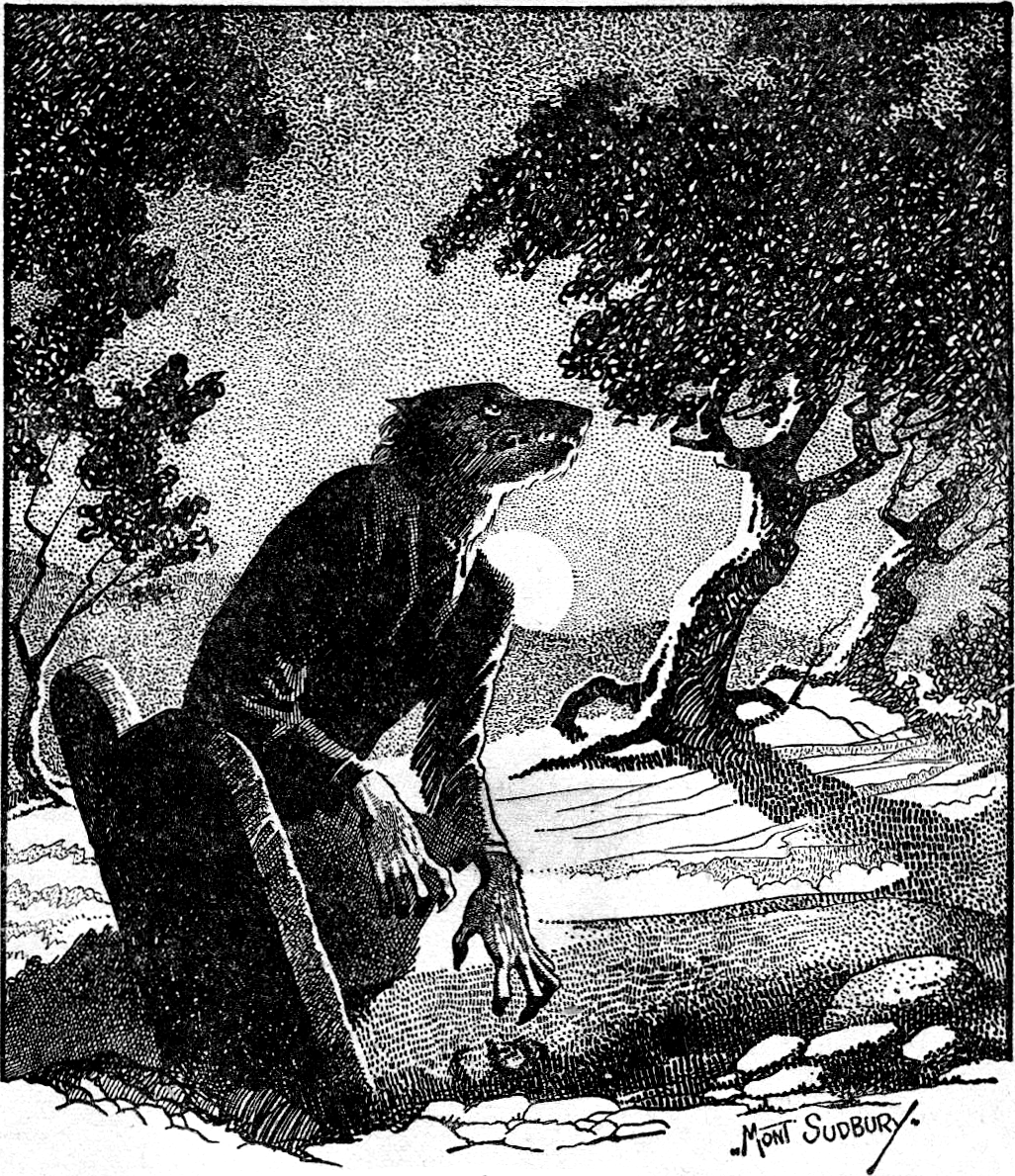 🇫🇷 France and 5 moreWerewolf
A mythical shapeshifter that turns into a wolf, central to European witch-hunts and Gothic horror.Being · Cursing and harm · Wonder and entertainment Legendary
🇫🇷 France and 5 moreWerewolf
A mythical shapeshifter that turns into a wolf, central to European witch-hunts and Gothic horror.Being · Cursing and harm · Wonder and entertainment Legendary
 🇩🇪 GermanyAlp
A Germanic spirit that presses on sleepers and drinks milkBeing · Cursing and harm · Luck and prosperity Historical
🇩🇪 GermanyAlp
A Germanic spirit that presses on sleepers and drinks milkBeing · Cursing and harm · Luck and prosperity Historical
 🇩🇪 Germany and 5 moreWitch trials in the Holy Roman Empire
A wave of executions across Central Europe between the fifteenth and eighteenth centuries.Belief · Cursing and harm Historical
🇩🇪 Germany and 5 moreWitch trials in the Holy Roman Empire
A wave of executions across Central Europe between the fifteenth and eighteenth centuries.Belief · Cursing and harm Historical
 🇩🇪 GermanyPied Piper of Hamelinder Rattenfänger von Hameln
A medieval legend about a piper who leads children away from the town of HamelinFigure · Cursing and harm · Luck and prosperity Legendary
🇩🇪 GermanyPied Piper of Hamelinder Rattenfänger von Hameln
A medieval legend about a piper who leads children away from the town of HamelinFigure · Cursing and harm · Luck and prosperity Legendary
Related elsewhere
All being 🇹🇷 Turkey and 5 moreEvil eye
A curse caused by an envious look and the charms used to block itBelief · Protection · Cursing and harm Living
🇹🇷 Turkey and 5 moreEvil eye
A curse caused by an envious look and the charms used to block itBelief · Protection · Cursing and harm Living
 🇮🇳 India and 1 moreYoginiयोगिनी
A female master of yoga and tantra, or a fierce goddess aspect in Indian temples.Tradition · Power and authority · Protection Historical
🇮🇳 India and 1 moreYoginiयोगिनी
A female master of yoga and tantra, or a fierce goddess aspect in Indian temples.Tradition · Power and authority · Protection Historical
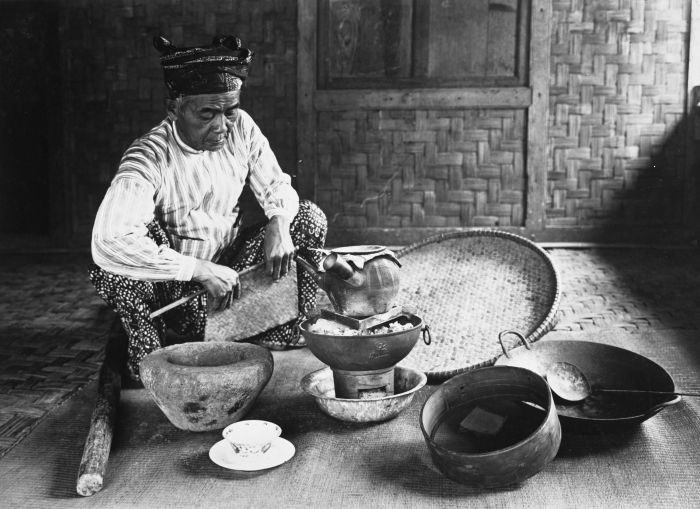 🇮🇩 Indonesia and 2 moreDukun
A traditional healer and spirit medium in Indonesian folk practiceTradition · Healing · Seeing and foretelling Living
🇮🇩 Indonesia and 2 moreDukun
A traditional healer and spirit medium in Indonesian folk practiceTradition · Healing · Seeing and foretelling Living
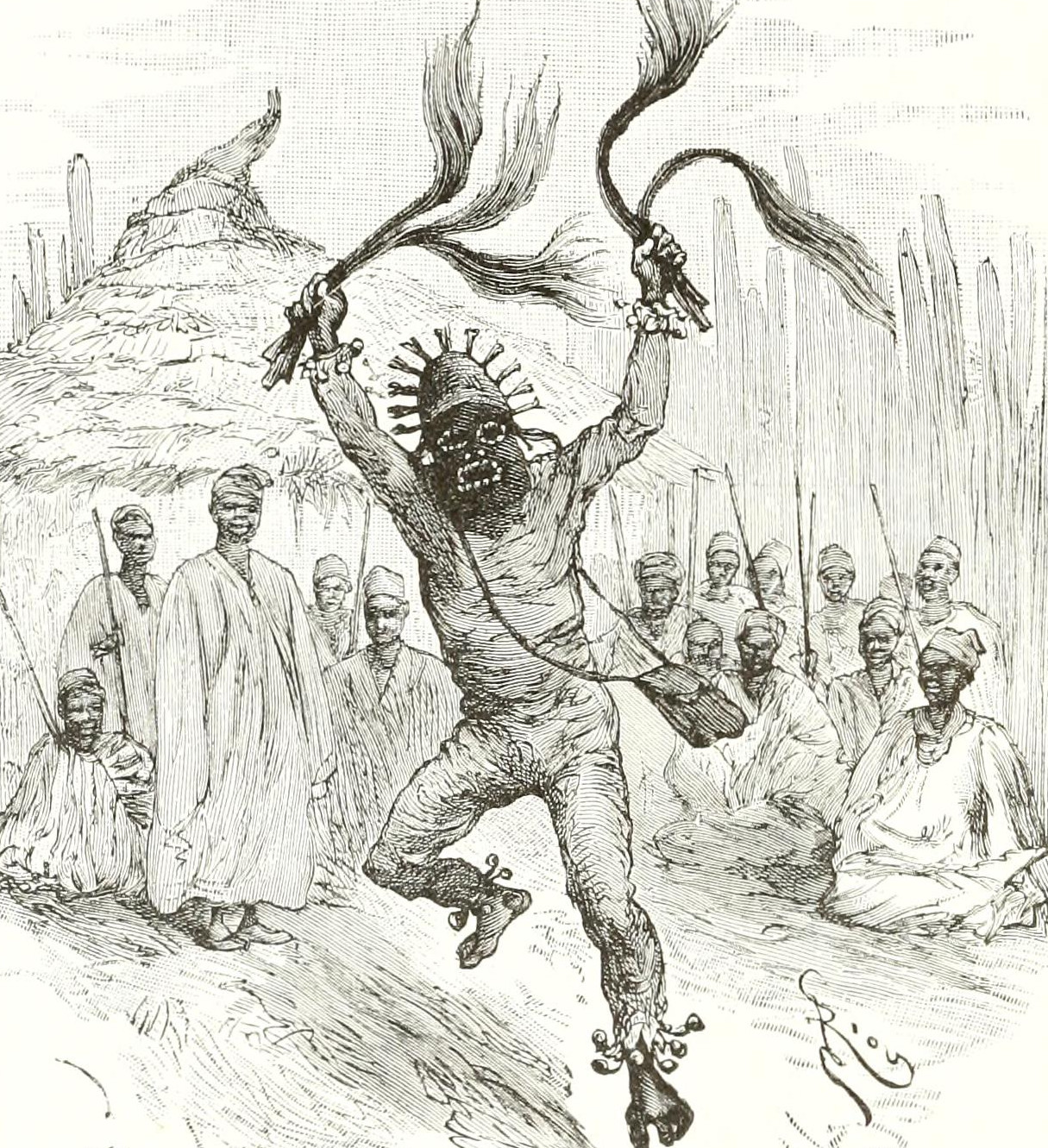 🇺🇸 United States and 2 moreLouisiana Voodoo
An African diasporic religion practiced in Louisiana from the 18th to early 20th centuriesTradition · Healing · Protection Historical
🇺🇸 United States and 2 moreLouisiana Voodoo
An African diasporic religion practiced in Louisiana from the 18th to early 20th centuriesTradition · Healing · Protection Historical