
Klabautermann
Likely from kalfatern (to caulk) or Low German klabastern (to knock)
A North Sea ship kobold that aids sailors and signals a vessel's doom.
The Klabautermann is a water spirit from German, Dutch, and Frisian folklore. It lives in wooden ships, performing repairs and warding off disasters. Its appearance marks the end of a voyage, as it leaves only when the ship is destined to sink.
What it is
The Klabautermann is a small, humanlike spirit from the coastal traditions of the North Sea and Baltic regions. Sailors and fishermen believed this creature lived inside the timber of their vessels. It serves as a protective household spirit for ships, maintaining the boat and preventing accidents. However, its presence also carries a heavy omen. Lore states that the spirit appears to the crew only when the ship is doomed to sink. Seeing it is considered extremely bad luck, making it one of the most feared sights among mariners of the nineteenth century.
Where it comes from
Written records of the Klabautermann begin in the early nineteenth century, though oral tradition suggests beliefs existed since the 1770s. Early accounts were collected by Heinrich Heine and T.F.M. Richter from sailors in the Netherlands and Germany. Some scholars link the figure to Saint Phocas of Sinope, whose story spread across European waters. Others view it as an amalgamation of pre-Christian earth spirits and older maritime beliefs. The name may derive from the caulking trade or the knocking sounds the spirit makes.
How it is done
The spirit is said to enter a ship through the wood used to build it. Beliefs held that souls of unbaptized children buried under trees could transfer into the timber and become the Klabautermann. Once aboard, it works silently at night, repairing broken objects and plugging leaks. During storms, it pumps water and secures cargo. If treated with respect, it keeps the vessel safe. If angered, it plays pranks like tangling ropes or rapping on the hull.
Tools and materials
The Klabautermann is often depicted wearing a nightcap, a red or grey jacket, and carrying a tobacco pipe. Carved wooden figures of the sprite were sometimes attached to masts as symbols of good luck. In some tales, it wears yellow hoses and riding boots. Offerings of bread, butter, and beer were left by land dwellers who encountered similar cave spirits known as Kaboutermanneken.
Klabautermann, drawn and placed
- Living
- Revived
- Fading
- Historical
- Legendary
- Performed
- Lineage
- North Sea folklore
- Timing
- during storms or disrepair
What it is for
Sailors sought the spirit's protection against illness, fire, and pirate attacks. The Klabautermann ensured the seaworthiness of the ship as long as it remained aboard. Crew members showed reverence by offering food and drink in the captain's cabin. Disrespect or denial of the spirit's existence was met with severe consequences, including mutiny in recorded rumors. The spirit's departure signaled that the ship could no longer be saved.
Who does it
The belief was held by ordinary sailors and fishermen along the German, Dutch, and Frisian coasts. Captains often maintained specific rituals to keep the spirit content, such as reserving the best provisions for it. The community relied on these practices to ensure safety at sea. Respect for the Klabautermann was a shared cultural norm among maritime workers.
Peoples and places
The figure is central to German and Dutch folklore, with variants found in Estonia where they are called Kotermann. Similar beings include the Danish Skibsnisse and the Northern German Puk. Land-based versions, the Kaboutermanneken, appear in Belgian and Dutch tales as cave-dwelling earth spirits. These terrestrial helpers perform chores in exchange for food but can also steal livestock or money.
At a glance: who, where and when
Who does it
Belief worlds


What people believe
The worldview places spirits within natural materials, particularly wood. The Klabautermann represents a force that binds the vessel's fate to its construction. It operates on a system of reciprocity: respectful treatment yields protection, while neglect brings chaos. The spirit's eventual abandonment of the ship confirms the inevitability of maritime disaster, reflecting the unpredictable dangers of ocean travel.
How scholars and sceptics see it
Linguists have debated the etymology, linking it to caulking verbs or knocking sounds. Folklorists classify the Klabautermann as a ship-kobold or house-sprite. Scholars note that the spirit's image deteriorated over time, becoming more sinister as sailors told exaggerated stories. Researchers dispute claims of British origins, finding no evidence of similar beliefs there. The figure is seen as a blend of ancient earth magic and maritime necessity.
Questions people ask about Klabautermann
Where does Klabautermann come from?
As our sources describe it, Klabautermann belongs to Germany, Netherlands, Belgium and Estonia. Communities differ in what they call it and how they keep it.
What kind of thing is Klabautermann?
As our sources describe it, Klabautermann belongs with the being entries in a guide to magic. What it is believed to do depends on who is speaking, and scholars read it differently from those who practise it.
Is Klabautermann still practised?
Our sources place Klabautermann among the entries that are historical. Documented in the past; no continuous living tradition today.
Which peoples keep Klabautermann?
As our sources describe it, Klabautermann is kept by Frisians, Germans, Dutch and Estonians. Others now know it too, often in changed forms.
Good reading and sources
- Klabautermann on WikipediaEncyclopedia
- More photos on Wikimedia CommonsPhotos and video
- Wikidata recordOpen data
The facts on this page come from the Wikipedia article "Klabautermann", written by its contributors and used under the CC BY-SA 4.0 licence, and from its Wikidata record (CC0). EveryJaadu rewrote the text in its own words, with AI assistance, and compares every page with the article to make sure no passage is copied. It may be reused under the same CC BY-SA 4.0 licence with a link back.
It may contain mistakes. Names and customs differ from one community to the next, and some knowledge is closed to outsiders and left out here. This page describes belief and practice. It does not say that any of it works, it is not a how-to, and it is not medical advice. If something is wrong, tell us. Last refreshed 2026-10-07.
More from Germany
All the entries from Germany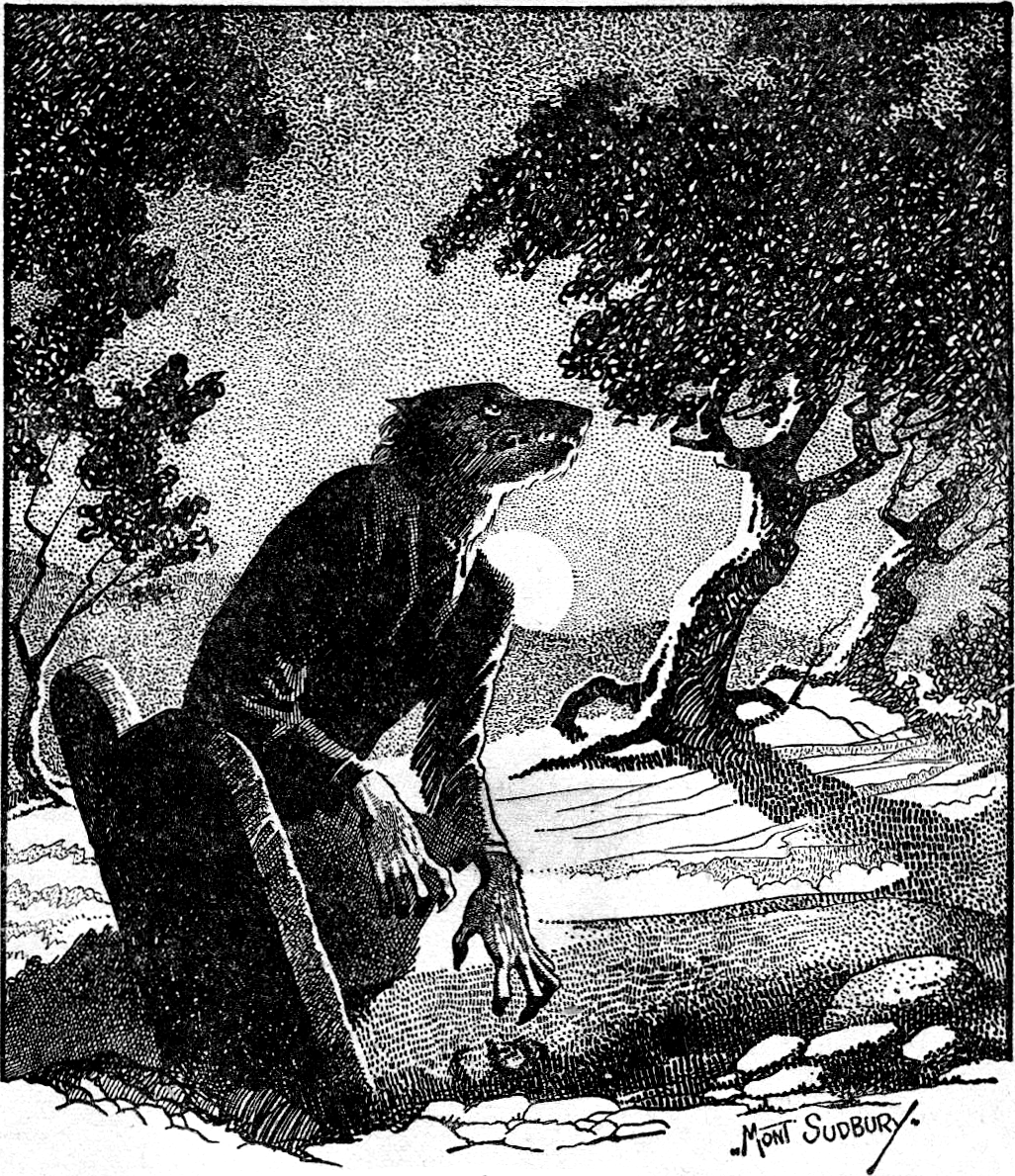 🇫🇷 France and 5 moreWerewolf
A mythical shapeshifter that turns into a wolf, central to European witch-hunts and Gothic horror.Being · Cursing and harm · Wonder and entertainment Legendary
🇩🇪 Germany and 1 moreNachzehrer
A German revenant believed to consume the living from beyond the graveBeing · Cursing and harm Legendary
🇫🇷 France and 5 moreWerewolf
A mythical shapeshifter that turns into a wolf, central to European witch-hunts and Gothic horror.Being · Cursing and harm · Wonder and entertainment Legendary
🇩🇪 Germany and 1 moreNachzehrer
A German revenant believed to consume the living from beyond the graveBeing · Cursing and harm Legendary
 🇩🇪 GermanyAlp
A Germanic spirit that presses on sleepers and drinks milkBeing · Cursing and harm · Luck and prosperity Historical
🇩🇪 GermanyAlp
A Germanic spirit that presses on sleepers and drinks milkBeing · Cursing and harm · Luck and prosperity Historical
 🇷🇺 Russia and 4 moreLady MiddayPoludnitsa
A Slavic noon spirit who watches over fields and punishes those who work during the hottest hours.Being · Cursing and harm · Protection Historical
🇷🇺 Russia and 4 moreLady MiddayPoludnitsa
A Slavic noon spirit who watches over fields and punishes those who work during the hottest hours.Being · Cursing and harm · Protection Historical
Related elsewhere
All being 🇪🇬 Egypt and 1 moreSphinx
A mythical hybrid with a human head and lion body, serving as guardian or riddler in Egyptian and Greek traditions.Being · Protection · Wonder and entertainment Legendary
🇪🇬 Egypt and 1 moreSphinx
A mythical hybrid with a human head and lion body, serving as guardian or riddler in Egyptian and Greek traditions.Being · Protection · Wonder and entertainment Legendary
 🇸🇩 Sudan and 5 moreIncense
Aromatic plant materials burned to release fragrant smoke for ritual, scent, or timekeeping.Substance · Protection · Speaking with spirits and the dead Living
🇸🇩 Sudan and 5 moreIncense
Aromatic plant materials burned to release fragrant smoke for ritual, scent, or timekeeping.Substance · Protection · Speaking with spirits and the dead Living
 🇮🇳 India and 2 moreYantraयन्त्र
A geometric diagram from Indian traditions used for worship and meditationTradition · Protection · Speaking with spirits and the dead Living
🇮🇳 India and 2 moreYantraयन्त्र
A geometric diagram from Indian traditions used for worship and meditationTradition · Protection · Speaking with spirits and the dead Living
 🇲🇽 Mexico and 2 moreAlebrije
Brightly painted Mexican sculptures of fantastical creatures, made from paper or woodTradition · Protection · Wonder and entertainment Living
🇲🇽 Mexico and 2 moreAlebrije
Brightly painted Mexican sculptures of fantastical creatures, made from paper or woodTradition · Protection · Wonder and entertainment Living