Saint Valentine's Key
named after Saint Valentine, patron saint of love and marriage
A metal key charm from Padua used for healing epilepsy and as a romantic token
This metal key charm originates in the province of Padua, Italy. It is traditionally given to ward off epilepsy, known locally as Saint Valentine's Malady, and is also exchanged between lovers as a symbol of affection.
- Small golden keys are gifted to children in Padua on Feb 14
- Epilepsy was historically called Saint Valentine's Malady
- The charm is used in Italy, Germany, Switzerland, and Austria
- Given as a romantic symbol to unlock the giver's heart
- Ceremony held at St. George's Oratory in Padua
What it is
The Saint Valentine's Key is a small metal amulet shaped like a key. It serves as both a protective talisman and a romantic gesture within Italian culture. The object is primarily associated with the province of Padua, where it holds significant local importance. People believe the charm can prevent or cure seizure disorders. It is also viewed as a token of deep affection when given between partners.
Where it comes from
The practice of using this key dates back to the Middle Ages in northern Europe. During that period, epilepsy was frequently called Saint Valentine's Malady across several regions. Communities in Italy, Germany, Switzerland, and Austria invoked the saint for healing. In Padua specifically, the key became the central object of this devotion. The tradition has persisted through centuries, maintaining its relevance in modern times.
How it is done
On February 14th, a ceremony takes place at St. George's Oratory in Padua. Small golden keys are presented to children during this event. The act is intended to provide protection against epilepsy. Outside of this specific ritual, individuals may give the key to a spouse or partner. This exchange happens on Valentine's Day or at weddings to signify commitment.
Tools and materials
The primary tool is a small metal key, often made of gold. These physical objects serve as conduits for the saint's intercession. The key shape symbolizes access to the heart or health, depending on the context of the gift.
Saint Valentine's Key, drawn and placed
- Living
- Revived
- Fading
- Historical
- Legendary
- Performed
- Lineage
- Italian folk tradition
- Timing
- on Saint Valentine's Day and as wedding gifts
What it is for
The main purpose is healing epilepsy, which locals refer to as Saint Valentine's Malady. Parents seek the charm for their children to ensure they remain healthy. Another purpose is romantic expression. Lovers exchange the key to show they wish to unlock their hearts to one another. It acts as a bridge between spiritual protection and emotional intimacy.
Who does it
Ordinary households and families participate in this tradition. Children receive the keys as wards against illness. Couples exchange them as symbols of marital bond. There are no specialized priests required for the personal use of the charm. The ceremonial distribution in Padua involves community members gathering at the oratory.
Peoples and places
The custom is strongest in Padua, Italy. It also spread to southern Germany, eastern Switzerland, and Austria. In these areas, Saint Valentine was appealed to for similar healing purposes. The cultural understanding of the key varies slightly by region but remains centered on the saint's protective role. It is a shared heritage among these European populations.
At a glance: who, where and when
Who does it
Belief worlds
Occasions
What people believe
Practitioners believe Saint Valentine has the power to heal neurological conditions. The key is seen as a physical link to his divine assistance. The belief system connects the saint's patronage of love with his ability to cure disease. The charm works through faith and traditional invocation rather than mechanical function.
When it is done
The most important date is Saint Valentine's Day. This is when the ceremonial gifting occurs in Padua. The tradition continues annually without interruption. Other occasions include weddings and general romantic gestures throughout the year. The timing reinforces the connection between love and health.
How scholars and sceptics see it
Historians note the medieval roots of the epilepsy association. Anthropologists study how the charm bridges religious devotion and folk medicine. The persistence of the tradition in Padua highlights local cultural identity. Scholars observe the dual nature of the key as both medical talisman and love token.
Cautions and what is closed
There are no known risks associated with wearing or giving the key. The tradition is safe and widely accepted. Some might view the medical claims skeptically, but the cultural value remains high. No harmful practices are involved in the exchange or use of the charm.
Compare and confuse
The Saint Valentine's Key differs from other Valentine's gifts by its specific regional origin. While chocolate and cards are global, this key is tied to Padua and surrounding areas. It shares the theme of love with other tokens but adds a layer of health protection. Other saints have different healing associations, but Valentine's is unique in this key form.
Law and persecution
The tradition faces no legal restrictions. It is fully protected as part of local cultural heritage. The ceremonies in Padua are supported by community institutions. There are no laws prohibiting the making or gifting of these keys.
Questions people ask about Saint Valentine's Key
What is the Saint Valentine's Key?
It is a small metal key charm from Padua, Italy. It is believed to protect against epilepsy and serves as a romantic gift between lovers.
Why is it called Saint Valentine's Malady?
In the Middle Ages, epilepsy was commonly referred to as Saint Valentine's Malady in northern Europe. The key was used to invoke the saint's healing power.
Where is this tradition practiced?
It is most prominent in Padua, Italy. It is also found in southern Germany, eastern Switzerland, and Austria.
When is the key given?
Children receive keys on Saint Valentine's Day in Padua. Adults give them as wedding gifts or romantic tokens on Valentine's Day.
What does the key symbolize?
It symbolizes protection from seizures and the unlocking of the giver's heart to a loved one. It represents both health and deep affection.
Good reading and sources
The facts on this page come from the Wikipedia article "Saint Valentine's Key", written by its contributors and used under the CC BY-SA 4.0 licence, and from its Wikidata record (CC0). EveryJaadu rewrote the text in its own words, with AI assistance, and compares every page with the article to make sure no passage is copied. It may be reused under the same CC BY-SA 4.0 licence with a link back.
It may contain mistakes. Names and customs differ from one community to the next, and some knowledge is closed to outsiders and left out here. This page describes belief and practice. It does not say that any of it works, it is not a how-to, and it is not medical advice. If something is wrong, tell us. Last refreshed 2026-10-12.
More from Italy
All the entries from Italy 🇮🇹 Italy and 5 morePrecious coral
A marine skeleton harvested for jewelry and worn as a protective charm in several culturesSubstance · Protection · Healing Living
🇮🇹 Italy and 5 morePrecious coral
A marine skeleton harvested for jewelry and worn as a protective charm in several culturesSubstance · Protection · Healing Living
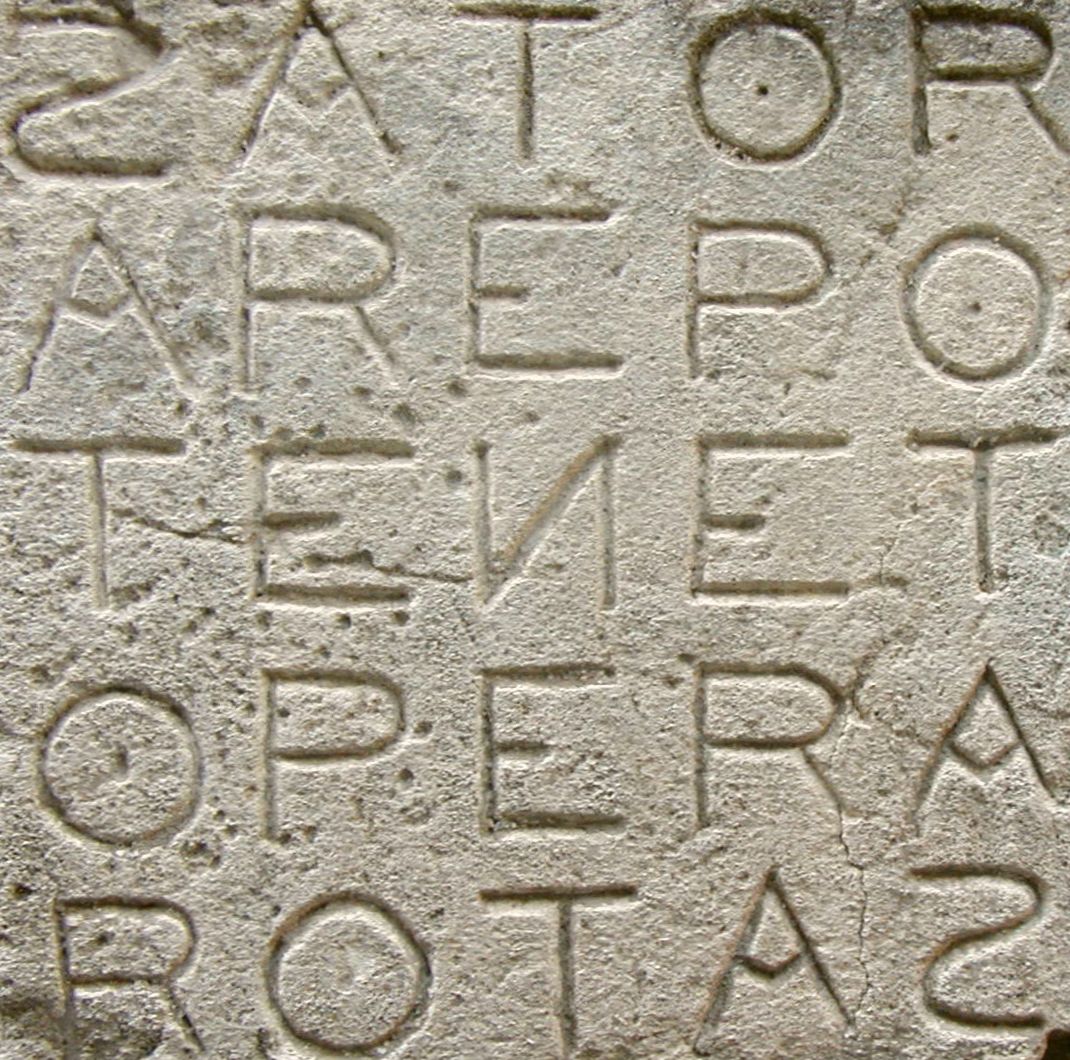 🇮🇹 Italy and 5 moreSator Square
A five-word Latin palindrome found in Roman ruins and medieval churchesCharm · Protection · Healing Historical
🇮🇹 Italy and 5 moreSator Square
A five-word Latin palindrome found in Roman ruins and medieval churchesCharm · Protection · Healing Historical
 🇮🇹 Italy and 5 moreRelic
An object or body part kept to honor a holy person and mark their connection to the divineCharm · Protection · Healing Living
🇮🇹 Italy and 5 moreRelic
An object or body part kept to honor a holy person and mark their connection to the divineCharm · Protection · Healing Living
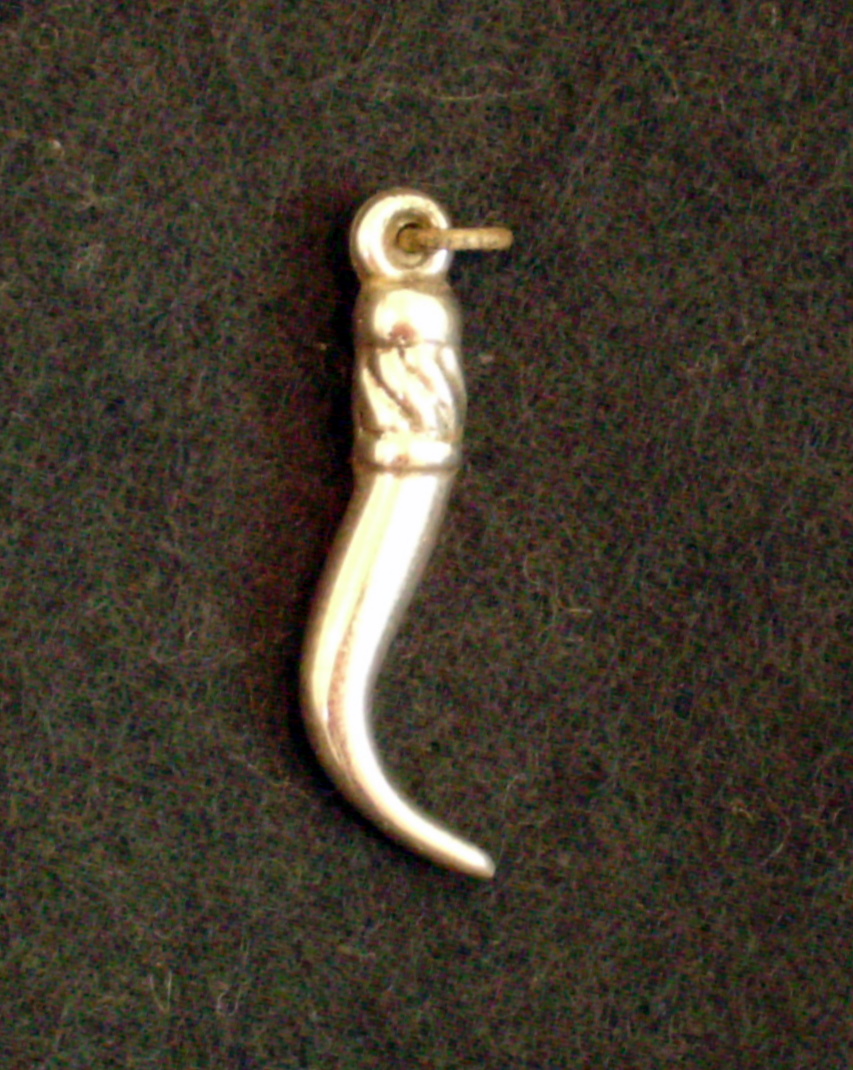 🇮🇹 ItalyCornicello
A twisted horn charm worn in Italy to ward off the evil eye and invite luck.Charm · Protection · Luck and prosperity Living
🇮🇹 ItalyCornicello
A twisted horn charm worn in Italy to ward off the evil eye and invite luck.Charm · Protection · Luck and prosperity Living
Related elsewhere
All charm 🇦🇷 Argentina and 2 moreSan La Muerte
A skeletal folk saint venerated in South America for protection and favorsTradition · Protection · Healing Living
🇦🇷 Argentina and 5 moreGauchito Gil
A folk saint from Argentina who protects the poor and outcastsBeing · Protection · Healing Living
🇦🇷 Argentina and 2 moreSan La Muerte
A skeletal folk saint venerated in South America for protection and favorsTradition · Protection · Healing Living
🇦🇷 Argentina and 5 moreGauchito Gil
A folk saint from Argentina who protects the poor and outcastsBeing · Protection · Healing Living
 🇳🇬 Nigeria and 3 moreOshunỌ̀ṣun
A Yoruba water spirit linked to love, wealth, and the Osun River in Nigeria.Being · Love and attraction · Luck and prosperity Living
🇳🇬 Nigeria and 3 moreOshunỌ̀ṣun
A Yoruba water spirit linked to love, wealth, and the Osun River in Nigeria.Being · Love and attraction · Luck and prosperity Living
 🇲🇽 Mexico and 5 moreWitchcraft in Latin AmericaBrujería
A syncretic blend of Indigenous, African, and European magical practices across Latin AmericaTradition · Protection · Healing Living
🇲🇽 Mexico and 5 moreWitchcraft in Latin AmericaBrujería
A syncretic blend of Indigenous, African, and European magical practices across Latin AmericaTradition · Protection · Healing Living